
8414 Sabal Industrial Blvd, Tampa, FL 33619
Hurricane Strong. STH Strong
Mon – Fri 8:00AM – 5:00OM / Sat-Sun – Closed
April 16, 2026 · Reading time: ~11 min
Look, most folks think buying the cheapest windows and doors is a no-brainer for saving cash. It’s a classic trap, really. You see that low sticker price and think you’re snagging a deal. But I’ve seen too many homeowners in Tampa regret that decision down the line. Those budget options? They’re often a fast track to higher bills, constant drafts, and a house that just never feels quite right. Investing in value windows & doors isn’t just about aesthetics; it’s about smart, long-term financial planning.
That super-low price tag on bargain-basement windows and doors? It usually means corners were cut. Maybe the materials are thinner, the seals aren’t as , or the insulation is practically non-existent. And here’s the kicker: what you “save” upfront, you’ll likely pay back tenfold in energy costs and repair bills. It’s like buying a car that looks cheap but guzzles gas like crazy. You might save on the purchase, but you’ll hemorrhage money every mile you drive.
And this is where the real pain starts. Cheap windows and doors simply don’t keep the outside out and the inside in. In the summer, all that Tampa heat just seeps through, making your AC work overtime.
In the winter – yeah, we get a few chilly nights here, too – you’ll feel those drafts like a cold handshake. This constant battle your HVAC system fights translates directly into shockingly high electricity bills. Plus, who wants to live in a home that feels like a sieve?
Tampa’s climate is no joke. We’ve got intense sun, soul-sucking humidity, and the occasional tropical storm. Standard, low-quality windows and doors just can’t hack it. They warp, they leak, they get foggy between the panes. That salty air near the coast? It eats away at cheap frames. And that relentless sun beating down? It bakes poorly insulated glass, turning your living room into an oven. You need solutions built to last here, not just get by.
So, what *is* “value” when we’re talking windows and doors? It’s not just about the cheapest price tag. True value is about a blend of performance, durability, and long-term cost savings.
It’s about buying something that does its job exceptionally well, day in and day out, for years to come. Think of it like buying a high-quality tool versus a flimsy one. The cheap tool might get the job done once, but the good one will last a lifetime and make the work easier.
When you’re looking for genuine value, keep an eye out for a few critical things. First, energy efficiency ratings are non-negotiable. Second, the quality of the materials matters a great deal. Are the frames sturdy? Is the glass multi-paned with special coatings? Finally, think about warranties. A good warranty is a strong indicator that the manufacturer stands behind their product. It’s the manufacturer’s way of saying, “We believe this will last.”
In 2026, the average homeowner can see energy savings of 10-25% annually by upgrading to high-performance, energy-efficient windows and doors. This translates to hundreds, if not thousands, of dollars saved over the lifespan of the product. — Energy Star Program, 2026 Impact Report
You’ll see a few key ratings pop up: U-factor and Solar Heat Gain Coefficient (SHGC). The U-factor measures how well a window prevents heat from escaping. Lower is better, especially for keeping your AC’s cool air inside. SHGC measures how much solar radiation gets through the glass. For a sunny place like Tampa, a lower SHGC is generally what you want to keep your home cooler. Look for the ENERGY STAR label, too; it means the product meets strict energy efficiency guidelines set by the U.S. Environmental Protection Agency.
Vinyl is popular because it’s affordable and low-maintenance, but the quality can vary wildly. Better vinyl frames have multiple chambers for insulation. Fiberglass is incredibly strong, doesn’t expand or contract much with temperature changes, and can be painted. I’m a big fan of fiberglass for its durability. Aluminum is strong and sleek, often used in commercial settings, but it can be a heat conductor if not thermally broken. For Tampa, where humidity and salt air are constant battles, choosing a material that resists corrosion and warping is crucial. High-quality vinyl or fiberglass are usually your best bets.
This is the big one, right? The direct financial impact. Good windows and doors are like a well-insulated jacket for your house. They stop conditioned air from escaping and unconditioned air from getting in. In Tampa, where AC is basically a necessity for 9 months of the year, this makes a colossal difference to your electricity bill. And it’s not just a tiny dent; we’re talking about tangible, year-over-year savings.
It all comes down to stopping heat transfer. Value windows and doors use multiple panes of glass (double or triple-pane is standard now) with inert gas fills like argon or krypton between them. These gases are poor conductors of heat. Then you have Low-E (low-emissivity) coatings on the glass. These microscopic metallic layers reflect heat – keeping the cool air in during summer and the warm air in during winter. The frames themselves are also designed with internal chambers and thermal breaks to prevent heat from conducting through the material.
Let’s crunch some numbers. Imagine a typical 2,000 sq ft home in Tampa with older, single-pane windows. According to the U.S. Department of Energy, upgrading to new, ENERGY STAR certified double-pane windows could reduce heating and cooling energy costs by as much as 15-20%. For a household that spends, say, $2,000 a year on heating and cooling (and in Tampa, it’s often more), that’s an annual saving of $300-$400. Over 10-15 years, that’s thousands saved. And that’s just the energy bills!
Upgrading from old, inefficient windows to ENERGY STAR certified double-pane windows can lead to significant savings. These figures are estimates based on typical usage patterns in a climate like Tampa’s.
| Current Window Type | Upgrade to ENERGY STAR Double-Pane | Estimated Annual Savings |
|---|---|---|
| Single-Pane, Uncoated | Low-E Coated, Argon-Filled | $300 – $500+ |
| Double-Pane, Clear Glass | Low-E Coated, Argon-Filled, Better Frame | $150 – $300+ |
Note: Savings vary based on home size, insulation, HVAC efficiency, and occupant behavior.
Think of your air conditioner as an athlete. If it’s constantly being asked to run a marathon in 100-degree heat because your windows are leaking cool air, it’s going to get worn out faster. Better windows and doors mean your HVAC system doesn’t have to work as hard. It cycles less frequently, uses less electricity, and ultimately, its lifespan is extended. Fewer emergency repairs, less stress on the system – it all adds up to financial peace of mind.
Okay, we’ve hammered the energy savings. But the financial upside of quality windows and doors goes way beyond just your monthly bills. These are investments that pay dividends for years, making your home more valuable and less of a maintenance headache.
When you decide to sell your home, buyers notice good windows and doors. They see fresh, well-sealed units that promise comfort and low energy bills. According to a 2025 report by Remodeling Magazine, major window replacements consistently rank high on the list of renovations that add the most value to a home’s resale price. It’s not just curb appeal; it’s a tangible upgrade that appeals to practical buyers.
Cheaper windows and doors often require more upkeep. Frames can warp, paint can chip, seals can fail, and you might find yourself dealing with condensation or leaks. Quality materials like fiberglass or high-grade vinyl, combined with good construction, mean less time and money spent on repairs. No repainting flimsy frames, no constant fiddling with sticky sashes. Just reliable performance year after year.
This is critical for us here in Florida. Quality windows and doors are built to withstand our intense sunshine, heavy rains, and the corrosive effects of salt air. Many higher-value options come with features like impact-resistant glass and reinforced frames designed to meet stringent hurricane building codes.
You’re not just buying a window; you’re buying peace of mind during storm season. And that’s priceless.
Navigating the options can feel overwhelming, but it doesn’t have to be. Focus on your home’s specific needs and what truly constitutes value for you. Don’t just pick the prettiest picture or the lowest number. Think about performance first.
Walk around your house. Where do you feel drafts? Are any windows difficult to open or close? Do you see condensation between the glass panes? Are your energy bills consistently higher than you think they should be for the size of your home? Identifying these problem areas will guide your choices. If your east-facing windows get brutal morning sun, you’ll want to prioritize SHGC there.
In 2026, look for products that carry the ENERGY STAR certification for our region (Southeast). Pay close attention to the U-factor and SHGC numbers. For Florida, aim for a U-factor of 0.30 or lower and an SHGC of 0.25 or lower. Consider windows with warm-edge spacers between the glass panes, as they improve thermal performance. And if you’re in a hurricane-prone area, impact-resistant options are a smart investment, even if they cost a bit more upfront. They can even lower your homeowner’s insurance premiums.
And here’s something crucial: even the best windows and doors won’t perform optimally if they’re installed poorly. A shoddy installation can negate all the benefits of a high-quality product, leading to drafts, leaks, and operational issues. Always choose reputable, experienced local installers.
Get multiple quotes, check reviews on Google and the Better Business Bureau, and ask about their warranty on labor. A good installer is as important as a good product.
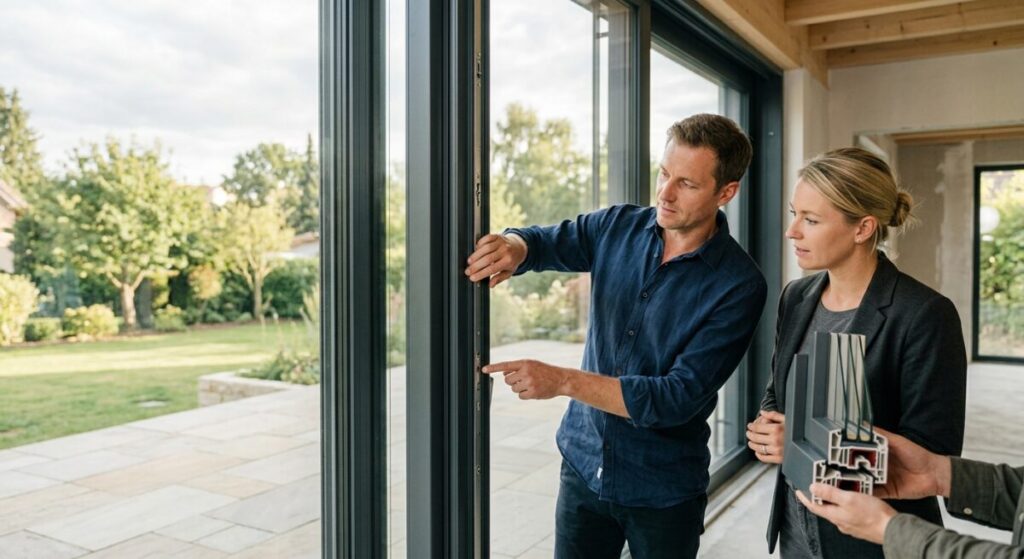
Let’s paint a picture. Meet the Millers, a family living in a 1980s bungalow near St. Pete. Their energy bills were through the roof, and during the summer, their living room felt like a sauna, no matter how low they set the thermostat.
The Millers were tired of sweating it out and dreading their monthly FPL bill. Their original aluminum-framed, single-pane windows were drafty, the seals were clearly failing, and the sun beat down relentlessly through the clear glass. They’d tried adding extra blinds and curtains, but it was a losing battle.
They decided to invest in value windows & doors. They chose high-quality vinyl double-pane windows with a low-E coating and argon gas fill, specifically rated for the Southeast climate.
For their patio doors, which were a major source of drafts, they opted for a fiberglass-framed option with excellent sealing. The focus was on thermal performance and durability against Tampa’s humid air.
Within a single summer, the Millers saw a 22% reduction in their cooling costs. The house felt consistently cooler, and their AC unit cycled much less. The drafts were completely gone. They reported a dramatic improvement in overall comfort, and the noise from traffic outside was noticeably reduced. The upfront investment, while significant, was clearly paying off month after month. They felt like they finally had a home that truly worked for them, not against them.
Choosing value windows & doors isn’t about spending the most money upfront; it’s about making a smart, long-term investment in your home’s comfort, efficiency, and value. In a climate like Tampa’s, where energy costs can soar and weather can be harsh, the benefits of quality windows and doors are amplified. Don’t fall for the false economy of cheap alternatives.
Look for durable materials, high energy efficiency ratings, and professional installation. The thousands you’ll save on energy bills, reduced maintenance, and increased home value will prove that quality truly pays.
Discover the long-term benefits of investing in quality. Contact us today for a personalized consultation on value windows and doors for your Tampa home.
Get Your Free QuoteYes, value windows and doors are specifically designed with superior insulation, sealing, and materials that significantly reduce heat transfer, leading to substantial energy savings compared to cheaper alternatives, especially in climates like Tampa’s. They offer a much better seal and thermal break.
The payback period varies, but typically, the energy savings from value windows and doors can offset their initial cost within 5-10 years, with continued savings thereafter. Factors like your current energy usage and Tampa’s fluctuating temperatures play a role.
For Florida’s humid and hurricane-prone climate, high-quality vinyl, fiberglass, and impact-resistant glass are excellent choices for value windows and doors due to their durability, low maintenance, and excellent thermal performance against heat and moisture.
Discover the long-term benefits of investing in quality. Contact us today for a personalized consultation on value windows and doors for your Tampa home.