
8414 Sabal Industrial Blvd, Tampa, FL 33619
Hurricane Strong. STH Strong
Mon – Fri 8:00AM – 5:00OM / Sat-Sun – Closed
May 27, 2026 · Reading time: ~14 min
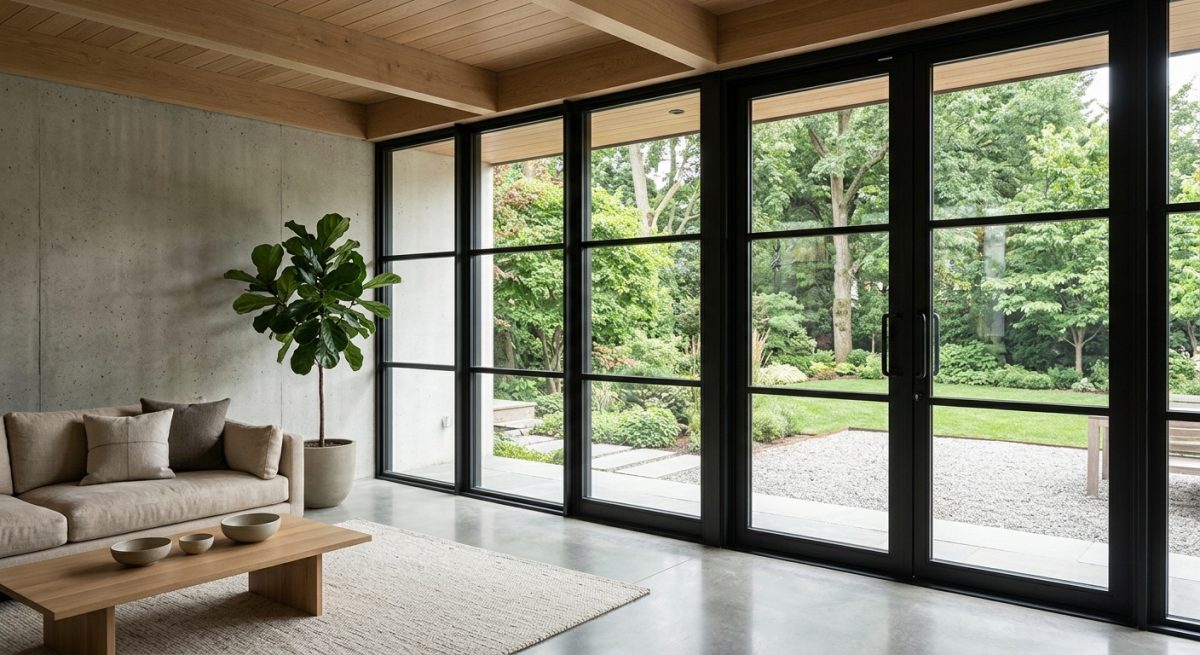
Investing in ‘Full Armor’ windows and doors isn’t just about immediate savings; it’s about building long-term value and financial return for your home. When you look at the total picture, the return on investment (ROI) is substantial.
Your payback period is the time it takes for your energy savings to equal the initial cost of your new windows and doors. Let’s say your annual energy savings are $500, and your new windows cost $5,000. Ignoring incentives for a moment, your payback period is 10 years. But add in potential tax credits ($1,500 in our example) and rebates, and your initial cost drops to $3,500. Now, your payback is just 7 years. This is a simplified example, but it illustrates the concept. According to the National Association of Home Builders, the average payback period for new windows is often between 7-15 years, but with aggressive energy savings and incentives, it can be much shorter.
Upgraded windows and doors are a significant home improvement that buyers notice. They signal that the home has been well-maintained and is energy efficient. Studies by real estate professionals consistently show that well-chosen, modern windows can add substantially to a home’s resale value. Truth is, Remodeling Magazine’s 2023 Cost vs. Value report indicated that window replacements offer a good return, often recouping 70-80% of their cost at resale, and sometimes more in desirable markets like Tampa.
When your windows and doors are constantly letting in or letting out conditioned air, your HVAC system is working overtime. This constant strain can lead to premature wear and tear on your expensive heating and cooling equipment. By installing efficient ‘Full Armor’ windows and doors, you significantly reduce the workload on your HVAC system. This not only saves energy but also extends the lifespan of your furnace and air conditioner, saving you from costly replacements or repairs down the road.
Nobody enjoys sky-high utility bills, especially in Tampa where the summer heat is relentless. A significant culprit behind these costs is often your home’s windows and doors. Old, drafty units are notorious for letting conditioned air escape and outdoor heat infiltrate, costing you money year-round. Investing in quality full armor windows and doors is a fundamental step toward reclaiming control over your home’s climate and your budget. This guide is for Tampa homeowners ready to stop losing money out the window.
What do we mean by ‘Full Armor’? It’s not just a catchy name; it’s our way of saying you’re getting a , impenetrable defense against the elements. Think of it as equipping your home with the best possible protection against heat, cold, and even those occasional Florida storms. It’s about comfort, security, and, most importantly, saving you a serious chunk of change. Explore our services page to understand how we approach home protection.
Florida’s climate is a double-edged sword. We love the sun, but boy, does it make our air conditioners work overtime. Inefficient windows and doors are like tiny holes in your home’s insulation, letting that expensive, cooled air escape and the scorching outside heat seep in.
In a place like Tampa, where AC usage is practically year-round, this isn’t just an annoyance; it’s a major financial drain. Those old single-pane windows? They’re practically yelling for your money to fly out.
When we talk about ‘Full Armor’ windows and doors, we’re talking about a complete system designed for maximum energy efficiency and durability. It means windows and doors that are built tough, sealed tight, and engineered to keep your home’s internal climate stable, no matter what’s happening outside. It’s the ultimate defense against energy loss, making your home more comfortable and your wallet happier.
So, you might be thinking, “My windows work fine, why replace them?” That’s the trap. The *real* cost of old windows isn’t just what you paid for them initially, or even the sticker price of replacements.
It’s the cumulative drain on your finances and your comfort over years. We’re talking about hidden expenses that add up faster than you think.
“The average American home loses 20-30% of its heating and cooling energy through its windows and doors.” – ENERGY STAR Program, 2025 Data
That statistic alone is pretty wild, right? And here in Tampa, with our intense heat and humidity, that number could easily be higher if your windows are old and leaky.
This is the big one. Those gaps, the single-pane glass, the worn-out seals—they all contribute to massive energy loss. Your HVAC system has to work harder, run longer, and consume more electricity to maintain a comfortable temperature. According to the U.S. Department of Energy, upgrading old, inefficient windows can reduce your heating and cooling costs by anywhere from 10% to 25% annually. For a Tampa household, that’s potentially hundreds, if not thousands, of dollars saved each year. That’s money you can use for… well, anything else.
Old windows and doors are often maintenance hogs. Think about it: sticky sashes that refuse to open or close, rotting frames from constant humidity, peeling paint, or broken seals that let in moisture. Constantly dealing with these issues chips away at your time and money. Repairing a rotten frame or replacing a cracked pane can be surprisingly costly. And in Tampa’s humid environment, wood rot and mildew are constant threats, leading to even more expensive repairs down the line.
Let’s be honest, nobody buys a house because they love the look of dingy, old windows. Outdated windows and doors can significantly detract from your home’s curb appeal, making it look tired and neglected. This directly impacts your home’s market value.
Buyers notice these things at resale. Upgraded, attractive, and energy-efficient windows and doors are a major selling point, often providing a healthy return on investment when you decide to move. They make your home look sharp and modern.
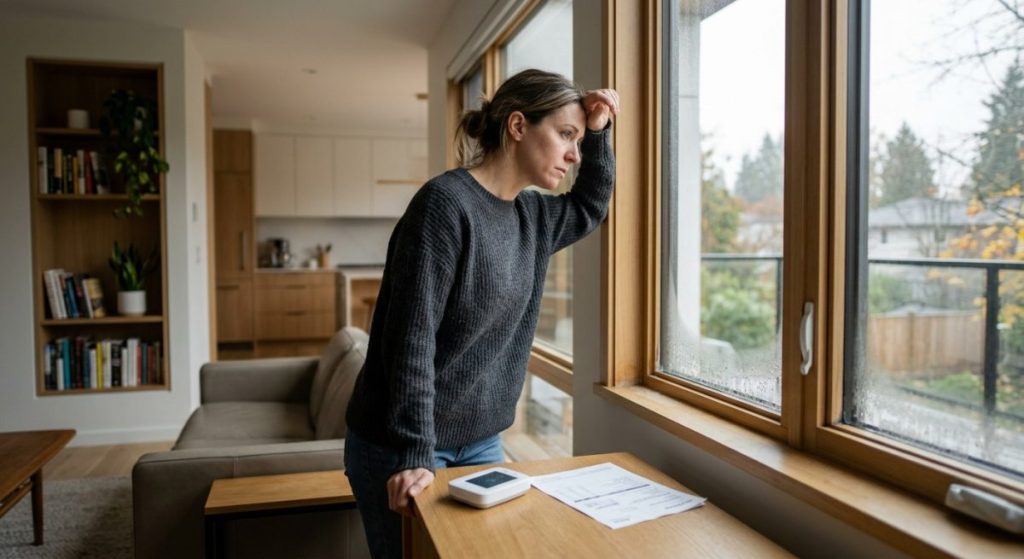
The core of saving money and boosting comfort lies in the windows and doors themselves. We’re not just talking about slapping any old window into a frame. We’re talking about investing in high-performance, ‘Full Armor’ systems designed for efficiency and longevity. This is where the real savings begin.
Two critical numbers tell the story of a window’s energy performance: U-Factor and Solar Heat Gain Coefficient (SHGC). U-Factor measures how well a window prevents heat from escaping. The lower the U-Factor, the better the insulation. SHGC measures how much heat from the sun enters your home. For Tampa’s sunny climate, a lower SHGC is crucial to keep your home cooler and reduce AC load. Selecting windows with low U-Factors and low SHGC ratings is a non-negotiable step towards significant energy savings.
The material of your window frame plays a huge role.
| Material | Pros | Cons | Best For Tampa? |
|---|---|---|---|
| Vinyl | Affordable, low maintenance, good insulation | Can warp in extreme heat over time, limited color options | Excellent budget-friendly choice. Look for reinforced vinyl. |
| Wood | Aesthetic appeal, excellent insulator | Requires significant maintenance, susceptible to rot/moisture | Generally not recommended for Tampa due to humidity and maintenance demands. |
| Fiberglass | Extremely durable, strong, low expansion/contraction, good insulator | More expensive than vinyl | Top-tier choice. Handles heat and humidity exceptionally well. |
| Aluminum | Strong, durable, low maintenance | Poor insulator (unless thermally broken), can corrode | Only consider if it has a thermal break; otherwise, avoid for energy efficiency. |
In Tampa’s climate, fiberglass and high-quality, reinforced vinyl are usually your best bets. They hold up to the heat and humidity without significant degradation.
Forget single-pane windows. Modern energy-efficient windows use double-pane or even triple-pane glass. The space between the panes is typically filled with an inert gas like Argon or Krypton. These gases are denser than air and significantly slow down heat transfer. So, in the summer, less heat comes in, and in the winter (yes, we have those brief cooler spells!), less heat escapes. It’s a simple concept with a dramatic impact on your energy bills.
You can buy the most expensive, energy-efficient windows on the market, but if they’re installed poorly, you’ve just wasted your money. This is a hard lesson many homeowners learn. Proper installation is absolutely crucial for realizing the full benefits of your ‘Full Armor’ investment.
Think of it this way: a perfectly designed window is only as good as its seal against the house. Improper installation can lead to air leaks around the frame, drafts, and even moisture intrusion. These issues not only negate the energy savings you paid for but can also lead to more serious problems like mold and rot down the line. According to a 2024 study by the National Association of Home Builders, professionally installed windows performed, on average, 15% better than DIY installations in terms of air leakage.
During installation, experienced professionals meticulously seal and insulate the gap between the window frame and the wall. This involves using high-quality sealants, expanding foam, and proper flashing techniques. These steps are often overlooked by less scrupulous or less experienced installers, but they’re the unsung heroes that ensure your new windows and doors truly provide a ‘Full Armor’ seal against the outside world.
When you’re looking for a window and door company in the Tampa Bay area, do your homework. Look for companies with a strong local reputation, plenty of positive reviews on Google and Yelp, and clear evidence of their installation expertise. Ask about their process, their warranties on installation, and if they have experience with Florida’s specific building codes, especially hurricane-impact requirements. Don’t be afraid to get multiple quotes. A good installer won’t rush you; they’ll take the time to explain everything.
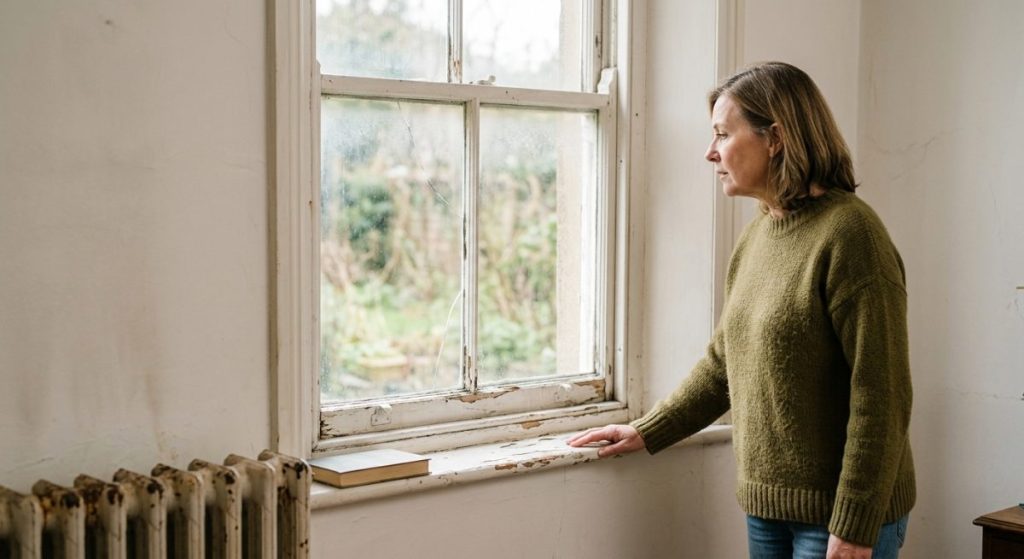
Beyond the basic construction, modern windows and doors come packed with smart features that actively work to save you money and enhance your comfort. These aren’t just bells and whistles; they’re engineering marvels that contribute directly to your home’s efficiency.
Low-Emissivity (Low-E) coatings are microscopic, transparent layers applied to the glass surface. Think of them as a shield. In the summer, they reflect the sun’s heat away from your home, keeping the interior cooler. In the winter, they reflect interior heat back inside, helping to keep your home warmer. For a sunny climate like Tampa, Low-E coatings are absolutely essential. They significantly reduce the amount of solar heat gain, meaning your AC doesn’t have to struggle as much. According to ENERGY STAR, windows with Low-E coatings can reduce heat gain by up to 10%.
the gas fills between the panes are key. Argon is the most common and cost-effective choice. It’s denser than air and a poor conductor of heat, adding an extra layer of insulation. Krypton is even denser and a better insulator but is more expensive, usually reserved for triple-pane windows or very cold climates. The presence of these gases dramatically improves the window’s U-Factor, making it much harder for heat to transfer through.
Even the frame material can be a source of energy loss if not designed correctly. For metal frames like aluminum, a “thermal break” is critical.
This is an insulating material inserted between the interior and exterior parts of the frame, preventing heat from conducting directly through the metal. High-quality vinyl and fiberglass frames inherently have better thermal performance, but advanced designs might include internal reinforcements for added strength and stability, ensuring your windows stay true and sealed for decades.
Who doesn’t love free money? Upgrading to energy-efficient windows and doors can qualify you for some sweet financial incentives. These aren’t just small discounts; they can significantly reduce the upfront cost of your project, making ‘Full Armor’ solutions more accessible.
The U.S. Government offers tax credits for homeowners who make energy-efficient improvements. As of 2026, the Nonbusiness Energy Property Tax Credit allows you to claim a credit for 30% of certain qualified costs, up to a maximum of $1,200 annually. This includes energy-efficient windows and doors that meet specific U-Factor and SHGC requirements. It’s a great way to offset some of the investment.
Many local utility companies offer rebates for energy-efficient upgrades. Florida Power & Light (FPL), for example, sometimes has programs that can provide additional savings for installing qualifying windows and doors. It’s always worth checking their websites or giving them a call to see what incentives are currently available in the Tampa Bay area. These can stack on top of federal tax credits! Check out our blog post for the latest rebate information.
Applying for these incentives usually involves a bit of paperwork. You’ll typically need proof of purchase, installation invoices, and documentation showing that the windows and doors meet the specific energy efficiency criteria (like ENERGY STAR certification).
Your reputable window and door company should be able to guide you through this process, providing the necessary documentation and advice to ensure you get every dollar you’re entitled to.
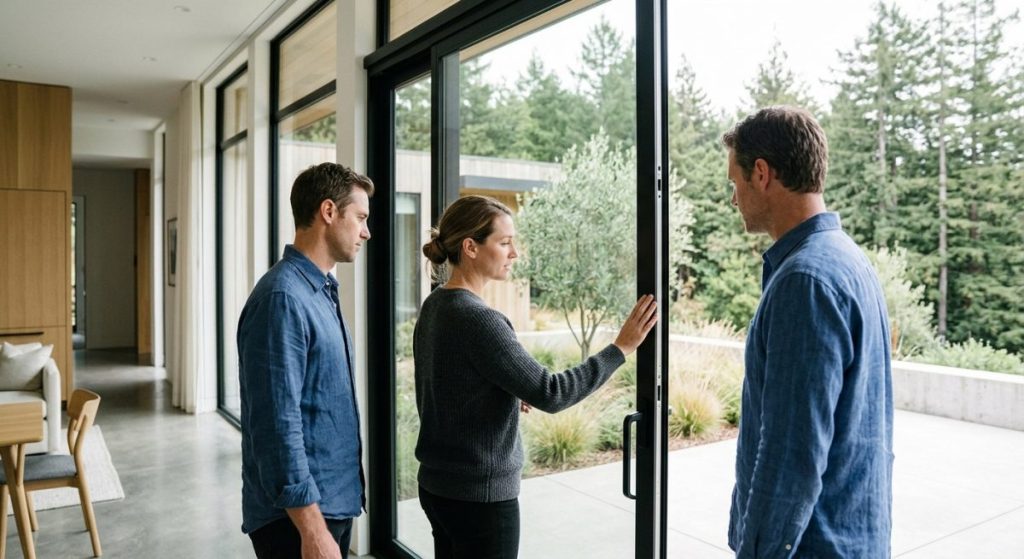
Investing in ‘Full Armor’ windows and doors isn’t just about immediate savings; it’s about building long-term value and financial return for your home. When you look at the total picture, the return on investment (ROI) is substantial.
Your payback period is the time it takes for your energy savings to equal the initial cost of your new windows and doors. Let’s say your annual energy savings are $500, and your new windows cost $5,000. Ignoring incentives for a moment, your payback period is 10 years. But add in potential tax credits ($1,500 in our example) and rebates, and your initial cost drops to $3,500. Now, your payback is just 7 years. This is a simplified example, but it illustrates the concept. According to the National Association of Home Builders, the average payback period for new windows is often between 7-15 years, but with aggressive energy savings and incentives, it can be much shorter.
Upgraded windows and doors are a significant home improvement that buyers notice. They signal that the home has been well-maintained and is energy efficient. Studies by real estate professionals consistently show that well-chosen, modern windows can add substantially to a home’s resale value. Truth is, Remodeling Magazine’s 2023 Cost vs. Value report indicated that window replacements offer a good return, often recouping 70-80% of their cost at resale, and sometimes more in desirable markets like Tampa.
When your windows and doors are constantly letting in or letting out conditioned air, your HVAC system is working overtime. This constant strain can lead to premature wear and tear on your expensive heating and cooling equipment. By installing efficient ‘Full Armor’ windows and doors, you significantly reduce the workload on your HVAC system. This not only saves energy but also extends the lifespan of your furnace and air conditioner, saving you from costly replacements or repairs down the road.
Meet Sarah and Mark, a couple living in a 1980s ranch-style home in South Tampa. Their energy bills in the summer were astronomical, often exceeding $400 a month, and their home never felt truly comfortable—always a bit stuffy or drafty.
They had the original single-pane, aluminum-frame windows. They were corroded, leaky, and the sun beat through them mercilessly, making their living room almost unbearable during peak afternoon hours. Even with their AC set to a chilly 72°F, rooms felt unevenly cooled.
After consulting with us, they decided on a package of high-performance, impact-resistant fiberglass windows with Low-E coatings and Argon gas fills, along with a new energy-efficient front door. Our Tampa-based installation team handled the entire replacement process over three days, meticulously sealing and insulating every frame.
They ensured full compliance with Florida’s strict building codes.
The results? The very next summer, their energy bills dropped by an average of 22%, bringing them down to around $315 per month. More importantly, their home felt consistently comfortable. No more intense hot spots, no more drafts. They also qualified for a federal tax credit, further reducing their net investment. Sarah mentioned, “It’s like we finally have a properly insulated home. The peace of mind alone is worth it, let alone the money we’re saving.”
Savings vary based on existing windows, usage, and home size, but expect a noticeable reduction, potentially 10-25% or more, especially with high-performance Full Armor windows and doors. Factors like insulation, air sealing, and thermostat settings also play a role in your overall energy consumption.
Yes, Florida has stringent building codes, especially for hurricane-impact resistance and wind-load requirements. Professional installers like Full Armor Windows and Doors will ensure all replacements meet or exceed these vital safety standards, protecting your home.
With proper maintenance, quality windows and doors like those from Full Armor can last 20-30 years or even longer, offering excellent long-term value. The lifespan can depend on the materials chosen and the specific environmental conditions they’re exposed to.
Impact-resistant windows are designed to withstand high winds and flying debris during storms, preventing breakage. Energy-efficient windows focus on insulation to reduce heat transfer, saving on energy costs.
Full Armor offers solutions that provide both benefits, ensuring your home is safe and comfortable year-round.
Don’t let another sweltering Tampa summer drain your bank account. Investing in high-performance full armor windows and doors is one of the smartest financial decisions you can make for your home. It’s about more than just aesthetics; it’s about long-term savings, comfort, and peace of mind.
Discover the ‘Full Armor’ difference. Contact us today for a free, no-obligation consultation and quote to see how much you can save.
Discover the 'Full Armor' difference. Contact us today for a free, no-obligation consultation and quote to see how much you can save in 2026 and beyond.