
8414 Sabal Industrial Blvd, Tampa, FL 33619
Hurricane Strong. STH Strong
Mon – Fri 8:00AM – 5:00OM / Sat-Sun – Closed
June 2, 2026 · Comparison Guide
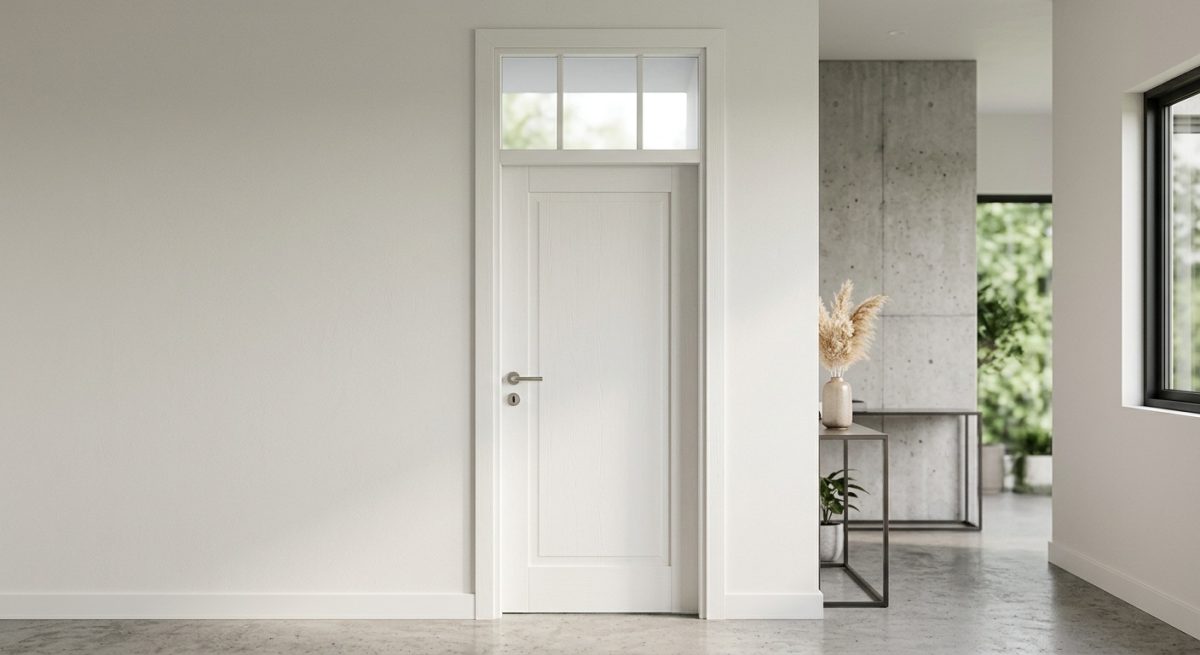
A door with window on top, often called a transom door, can really an entryway. It’s not just about looks, though. These units let in a surprising amount of natural light, making your foyer feel more welcoming and less like a tunnel. For homeowners in Tampa, where sunshine is abundant, this is a big draw. This guide is for homeowners considering a new entry door with a window on top who want to avoid common, costly mistakes. The architectural charm and enhanced natural light make a door with a window on top a sought-after feature for many residences.
It’s about more than just a pretty facade. A well-chosen door with a window on top can improve ventilation, add a touch of architectural flair, and even boost your home’s overall value. But here’s the catch: get it wrong, and you’re looking at drafts, higher energy bills, and a potential security headache. We’ll get into the critical errors to sidestep regarding your door with a window on top.
Let’s clarify the lingo first. A “door with window on top” usually refers to an entry door system that includes a transom window. This is a horizontal window positioned above the main door. Sometimes, people also mean a door with sidelights – vertical windows flanking the door – along with that transom. You’ll see variations like arched transoms, rectangular ones, or even decorative glass inserts. It’s a versatile design element for any home, offering a classic and sophisticated look that complements various architectural styles.
In Tampa, the humid subtropical climate and distinct architectural styles lend themselves well to this design. Increased natural light is a huge plus, especially in homes with deep porches or those that might feel a bit dark. A transom can also offer a measure of privacy while still letting in daylight, which is great for those who want to avoid direct street views but still enjoy a bright interior. And let’s be honest, it just looks classy. Think Spanish Revival or Mediterranean-style homes; a transom adds that perfect finishing touch. Plus, some transoms can be opened for a bit of cross-ventilation, a nice bonus when the humidity isn’t too oppressive. The ability to enhance natural light without compromising privacy is a significant benefit in this sunny region.
“A door with a window on top isn’t just a feature; it’s an opportunity to enhance natural light, improve ventilation, and significantly boost curb appeal, making it a smart investment for Tampa homeowners.”
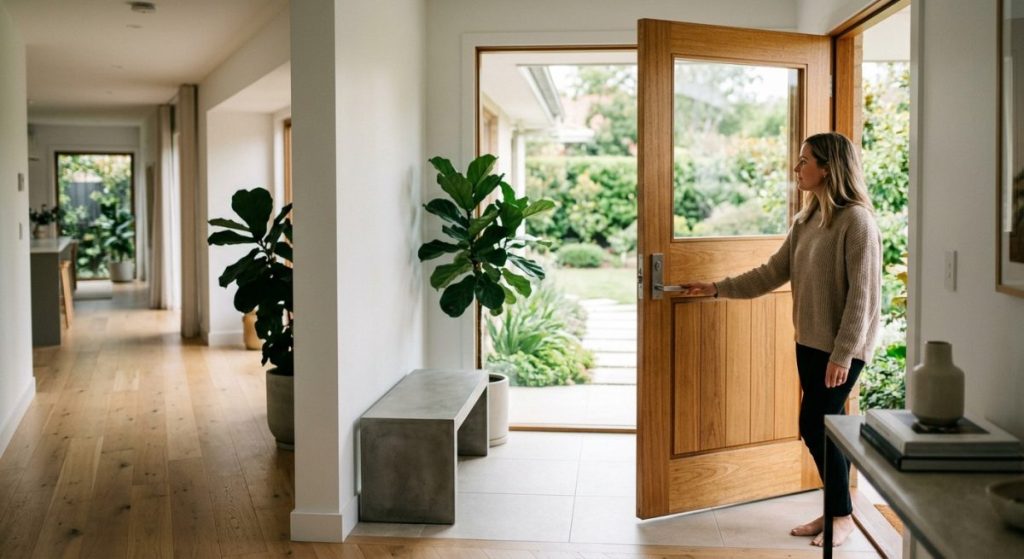
This is where many homeowners, and even some installers, drop the ball. They focus on the door and the window unit itself, but forget about the critical seals around the frame and the transom connection. I’ve seen countless jobs where the door looked great, but you could feel a draft when standing right next to it. That’s a leaky problem, and in Tampa’s climate, it’s a big one for any door with a window on top. Proper sealing is paramount for maintaining comfortable indoor temperatures and preventing energy loss, especially in regions with significant temperature and humidity fluctuations.
Your air conditioning runs practically year-round in Tampa. Every little gap is an invitation for that expensive cool air to escape and the hot, humid air to sneak in. A poorly sealed door with a window on top acts like a sieve. We’re talking about wasted energy, leading to bills that are higher than they need to be. The U.S. Department of Energy estimates that air leaks can account for 10% to 30% of a home’s heating and cooling energy costs. That’s not pocket change, especially in a place like Florida. Understanding and mitigating air infiltration is key to energy efficiency. For more information on home energy efficiency, visit the U.S. Department of Energy’s Energy Saver website.
Beyond the energy drain, inadequate sealing causes other headaches. Condensation can form on the inside of the glass or frame, especially during those cooler (relatively speaking) winter mornings or when there’s a big temperature difference. This moisture can lead to mold and mildew growth – not something you want in your entryway. Over time, this can also damage the door frame and even the surrounding wall structure. And the constant battle against drafts? It just makes your home less comfortable and can lead to premature wear and tear on building materials.
When installing or replacing your door, insist on proper sealing. This involves using high-quality caulk around the exterior trim and jambs, and ensuring the weatherstripping on both the door and the transom is in good condition and making solid contact. For the connection between the transom and the door frame, proper flashing and sealant are non-negotiable. Think of it like sealing a boat hull – every seam needs to be watertight. Using expanding foam insulation around the frame can also add an extra layer of defense against air infiltration, creating a more barrier against the elements.
The glass in your door with window on top isn’t just for show. It’s a functional component that affects privacy, security, and, crucially, energy efficiency. Picking clear glass everywhere might seem like a good idea for maximum light, but it might not be the best choice for your specific needs.
And in Tampa, where the sun beats down relentlessly, the type of glass can make a huge difference in how hot your home gets. The right glass selection is vital for comfort and cost savings.
There are several options, each with its pros and cons:
This is huge for Tampa. Homes in our area need to manage solar heat gain effectively. Standard clear glass lets in a lot of solar energy, making your AC work overtime. Double-paned windows with a Low-E coating designed for hot climates can reduce heat transfer by up to 50% compared to single-pane windows. According to ENERGY STAR, upgrading to certified energy-efficient windows can save homeowners an average of $100-$500 annually on their energy bills. You want to look for the product label on windows and doors; it will show the U-factor (insulation value) and the Solar Heat Gain Coefficient (SHGC). Lower SHGC is better in hot climates. For detailed guidance on selecting energy-efficient windows, the ENERGY STAR website is an excellent resource.
This is where decorative glass or frosted options shine. You can get beautiful etched patterns or textured glass that obscures the view from the outside while still allowing plenty of light to flood your entryway. Many companies offer customizable designs. It’s a fantastic way to add personality to your door with a window on top without sacrificing that bright, airy feel. Combining different glass types, such as clear tempered glass in the main door and frosted glass in the transom, can offer a practical yet stylish solution.
| Glass Type | Privacy Level | Energy Efficiency (Tampa Focus) | Security | Aesthetic Appeal |
|---|---|---|---|---|
| Clear | Low | Poor (high SHGC) | Standard | Minimal |
| Frosted/Obscured | High | Moderate (depends on coatings) | Standard | High (customizable) |
| Tempered | Low | Moderate (depends on coatings) | Good (shatter-resistant) | Minimal |
| Double-Paned Low-E | Low-Moderate | Excellent (low U-factor, controllable SHGC) | Standard | Minimal |
| Decorative/Textured | High | Moderate (depends on coatings) | Standard | Very High |
| Impact-Resistant | Varies | Good (often includes Low-E) | Excellent (hurricane protection) | Varies |
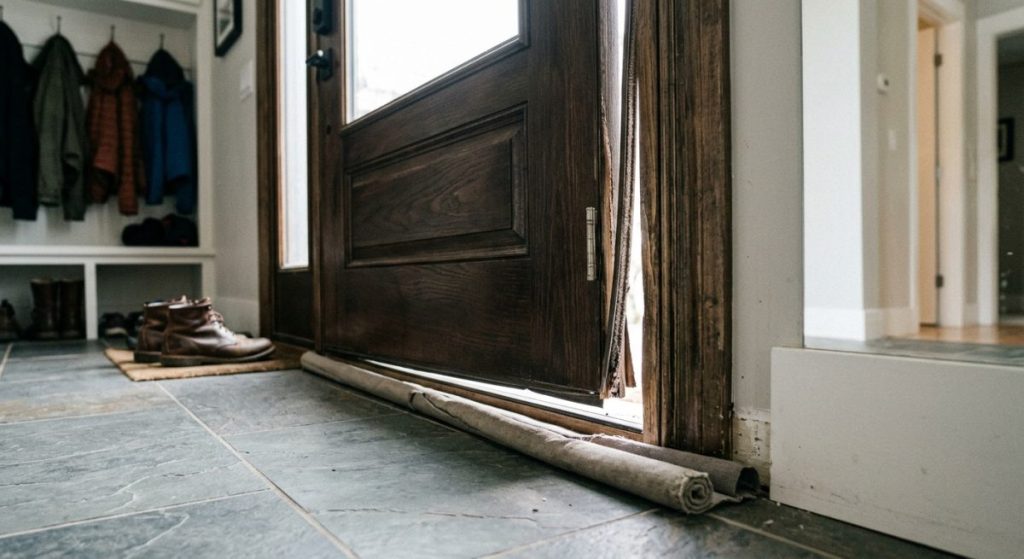
This is arguably the most critical mistake. A top-tier door with a window on top, poorly installed, is worse than a cheap one done right. I can’t stress enough how important professional installation is, especially for these more complex units. We’re talking about structural integrity, water management, and long-term performance. You might save a few bucks upfront by going with a less experienced crew, but you’ll pay for it later, often dearly. A professional ensures the door is plumb, level, and square, which is fundamental for its proper function and longevity.
Entry doors, particularly those with transom windows or sidelights, are heavy and require precise fitting. Installers need to ensure the rough opening is correctly prepared, the unit is plumb and level, and all necessary flashing and sealing are done meticulously. In Florida, proper flashing above the transom and around the entire unit is crucial to prevent water intrusion, especially with our frequent heavy rains and the threat of hurricanes. A seasoned professional understands these nuances. According to the National Association of Home Builders (NAHB), the average cost for professional front door installation can range from $200 to $1,000 or more, depending on complexity. The investment in professional installation pays dividends in performance and durability.
What goes wrong? Plenty. Improper flashing is a big one, leading to water seeping behind the siding and into the wall structure. Shimming the door frame incorrectly can cause the door to bind or not seal properly. Inadequate support for the weight of the door and transom can lead to sagging over time. And sometimes, installers just don’t take the time to ensure a tight, airtight seal around the entire unit. It’s the details that matter, from the initial prep of the rough opening to the final caulking and trim work.
How do you spot a bad install? Look for these signs shortly after installation:
If you see any of these, don’t hesitate to call the installer back. A reputable company will stand by their work and address any deficiencies promptly to ensure your satisfaction and the integrity of your home.
You wouldn’t buy a new car and never change the oil, right? The same applies to your door with window on top. These are functional elements exposed to the elements, and they need regular attention to perform their best. Neglecting maintenance is a surefire way to shorten their lifespan and invite problems. I’ve seen perfectly good units fail prematurely because of simple neglect. Consistent upkeep is key to ensuring your door system remains efficient and attractive.
It doesn’t have to be a huge chore. A simple check-up every six months can make a world of difference:
Don’t wait for a minor problem to become a major one. If your door starts sticking, investigate why. Is it the hinges, or has the frame shifted slightly? If the glass in your transom starts to fog up between the panes, that’s a sign the seal has failed, and the IGU will likely need replacement. Worn weatherstripping? Replace it before you start feeling drafts. Prompt attention to small issues prevents costly repairs later.
Tampa’s coastal environment means salt air and high humidity. Salt spray can corrode metal hardware over time, so rinse off hardware periodically with fresh water. The constant humidity can also stress seals and paint finishes. Ensure any exterior finishes are marine-grade or suitable for high-moisture environments. Regular cleaning is even more critical here to prevent salt and mildew buildup, which can degrade materials and affect performance. For insights into maintaining homes in coastal environments, resources from organizations like the Florida Building Commission can be helpful.
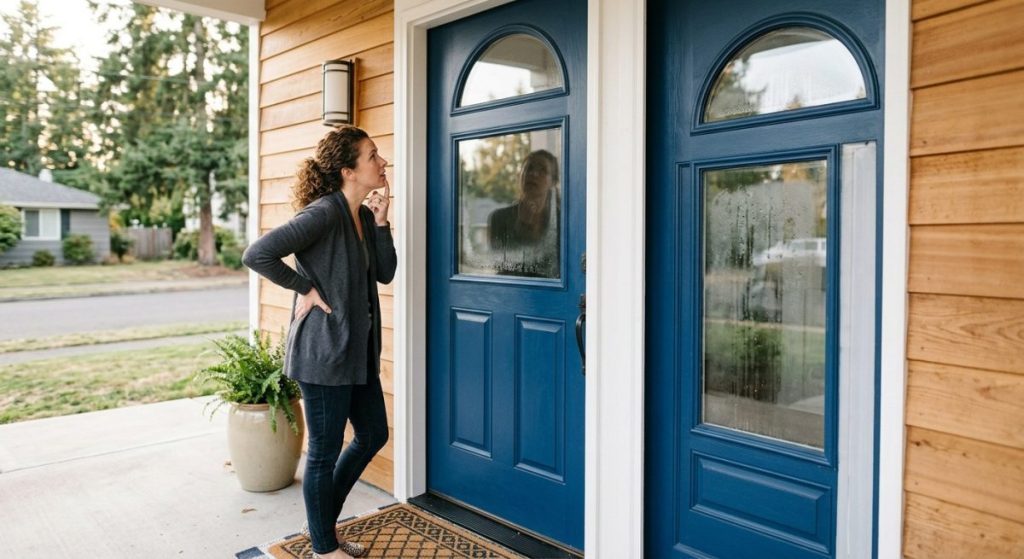
A beautiful door with a window on top is fantastic, but if it compromises your home’s security, it’s a liability. Transom windows, by their very nature, can be potential weak points if not adequately secured.
Homeowners sometimes prioritize aesthetics over function here, thinking “it’s just a small window.” But a determined intruder can exploit that small window. It’s a mistake that can have serious repercussions, turning a desirable feature into a vulnerability.
While not as common as breaking a main door or ground-floor window, a transom can be targeted. If it’s easily accessible (e.g., over a porch) and not reinforced, someone could potentially break the glass and reach in to the door, or even gain entry through the transom itself if it’s large enough and opens. It’s about making your home a harder target. Understanding these risks is the first step in mitigating them effectively.
Thankfully, there are straightforward ways to security:
Security doesn’t have to be ugly. Many manufacturers now offer doors with windows on top that incorporate security features . Decorative grilles can be quite stylish, and laminated glass options come in various privacy levels and decorative patterns. When choosing your door, discuss security needs with your supplier. They can guide you toward options that offer protection without detracting from the overall aesthetic. It’s about finding that sweet spot between form and function, ensuring your home is both beautiful and secure.
A door with a window on top, especially larger units with sidelights and transoms, adds significant weight and stress to the wall opening. Failing to ensure adequate structural support can lead to sagging, binding, and even damage to the surrounding wall. This is a critical oversight that many DIYers and even some less experienced contractors might miss, potentially compromising the integrity of your home’s structure. Proper framing is essential for the long-term performance and safety of the entryway.
Some wall openings, particularly those for exterior doors, are load-bearing, meaning they support the weight of the structure above. Simply cutting a larger opening without reinforcing it can compromise the building’s integrity. Even non-load-bearing walls need proper framing to support the weight of a heavy door system and prevent settling over time.
Your installer must understand the structural implications of the opening and ensure the framing is adequate for the load. Consulting local building codes, such as those outlined by the International Code Council (ICC), can provide further guidance on structural requirements.
A professional installation involves ensuring the rough opening is framed correctly to handle the weight. This might include using stronger header beams, additional studs, or specialized anchoring techniques. The door frame itself needs to be securely fastened to this reinforced opening. For very heavy doors, it’s essential to ensure the floor joists and foundation can adequately support the load transferred through the wall. A well-constructed frame provides a stable foundation for the door system.
Early detection is key. Watch out for:
If you notice these signs, it’s crucial to have a structural assessment done immediately by a qualified professional to prevent further damage.
So, we’ve covered the major pitfalls selecting and installing a door with window on top. It’s easy to get dazzled by the aesthetic appeal and overlook the critical functional aspects. But by being aware of these common mistakes, you can ensure your investment is sound, secure, and energy-efficient for years to come. A well-chosen and properly installed door with a window on top significantly enhances a home’s appeal and feature.
Here’s a quick recap:
And remember, the Tampa market has specific needs. High humidity, intense sun, and hurricane season all play a role in what makes a door truly perform well here. Opting for impact-resistant materials for both the door and glass can be a wise move, providing peace of mind during severe weather events.
Navigating all these options and potential pitfalls can be overwhelming. That’s where local experts come in. A reputable window and door company in the Tampa Bay area will understand the local building codes, climate challenges, and architectural styles. They can guide you through the selection process, recommend the best materials and glass types, and ensure your door is installed correctly the first time. Their expertise can save you significant headaches and money down the line. It’s an investment in getting it right, ensuring your new door enhances your home for years to come.
Generally, yes, due to the added complexity and materials. Then again, the aesthetic and functional benefits often justify the cost. Pricing varies based on size, glass type, and frame material, but expect a premium over a standard door.
Absolutely. Options include reinforced glass, security films, and locking systems for both the door and the transom window itself. Laminated glass is a particularly effective upgrade for enhanced security.
Cleaning methods depend on accessibility. For high transoms, extension poles with squeegees or professional cleaning services are often recommended to ensure safety and thoroughness. Regular cleaning prevents grime buildup.
For Tampa, consider doors with high-performance, energy-efficient glass (like Low-E coatings) and sealing to combat humidity and heat. Impact-resistant options are also advisable for hurricane season to protect against high winds and debris.
Don’t let common mistakes compromise your home’s beauty and security. Choosing the right door with window on top involves careful consideration of sealing, glass, installation, maintenance, security, and structural support.
Contact us today for expert advice and installation of your perfect door with a window on top in Tampa.
Get a Free ConsultationDon't let common mistakes compromise your home's beauty and security. Contact us today for expert advice and installation of your perfect door with a window on top in Tampa.