
8414 Sabal Industrial Blvd, Tampa, FL 33619
Hurricane Strong. STH Strong
Mon – Fri 8:00AM – 5:00OM / Sat-Sun – Closed
June 9, 2026 · Reading time: ~12 min
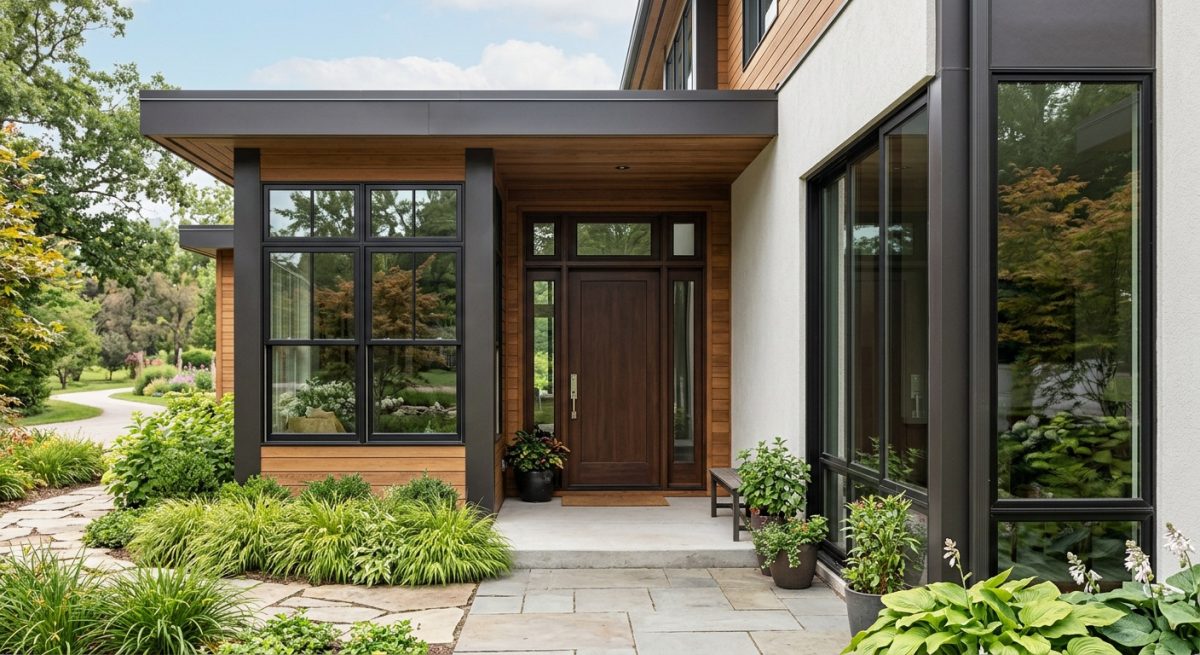
Getting the best deal on new windows and doors isn’t about finding the cheapest option. It’s about making informed decisions that lead to long-term savings and comfort. Here are the key savings secrets:
Start by assessing your current windows and doors. Identify the worst offenders – the draftiest, the ones letting in the most heat. Research ENERGY STAR ratings and U-factors. Then, check FPL and TECO for current rebate programs. Get quotes from at least three reputable local installers, making sure they detail their installation process and warranty. Don’t forget to ask about federal tax credits! Making these steps will put you well on your way to enjoying a more comfortable, energy-efficient home and lower bills this year and beyond.
In 2026, expect to pay between $400 to $1,000 per window for mid-range replacements in Tampa, FL. This varies greatly based on material (vinyl is cheaper, fiberglass more), size, and features like double- or triple-pane glass.
Absolutely. Given Florida’s hot climate, energy-efficient windows significantly reduce cooling costs, often paying for themselves within 5-10 years through energy savings alone, plus they improve home comfort.
Yes, you can claim the federal energy efficiency tax credit for qualifying windows and doors. You’ll need products meeting specific energy performance criteria, and the credit is generally 30% of the cost, up to $1,200 annually.
Look for licensed and insured contractors with good online reviews (BBB, Google), ask for local references, check their experience specifically with window/door replacement, and ensure they offer a labor warranty.
Vinyl and fiberglass are excellent choices for Tampa’s humid climate. They resist moisture, won’t rot or warp, and offer great energy efficiency with minimal maintenance, unlike wood which requires constant upkeep.
Alright, let’s talk about saving serious dough on your home’s windows and doors in 2026. Most folks think a new window is just a new window, and a door is just a door. But in this market, making smart choices with your us windows and doors upgrades can mean the difference between a comfortable budget and a stretched one. This guide is for Tampa homeowners who want to slash their utility bills and boost their home’s value without breaking the bank. We’re exploring the nitty-gritty of how to get the most bang for your buck.
Ignoring your old, leaky windows and doors is like leaving money on the table. Seriously. In 2026, energy prices aren’t exactly doing anyone any favors. Those gaps around your frames? That’s your expensive, climate-controlled air escaping into the Tampa heat. We’re talking about higher electricity bills, a perpetually struggling AC unit, and a home that feels more like a sauna than a sanctuary. The cost of *not* upgrading is becoming a bigger deal than many realize.
The good news is that 2026 is shaping up to be a pretty interesting year for home improvement. We’re seeing a lot more focus on sustainable materials and smart technology. For us windows and doors, this translates to better efficiency standards becoming more mainstream and, thankfully, more options hitting the market that don’t cost an arm and a leg. Keep an eye out for manufacturers pushing new, more affordable high-performance products. It’s a buyer’s market if you know where to look.
This is the big one, folks. If you’re only going to focus on one thing when looking at new us windows and doors, make it energy efficiency. Why?
Because it directly impacts your utility bills, month after month, year after year. Think about Tampa’s relentless summer sun. Every bit of heat that *doesn’t* get in means your air conditioner doesn’t have to work overtime.
You’ve seen the ENERGY STAR label, right? It’s not just a sticker; it’s a promise. For windows and doors, look for the ENERGY STAR certification specifically for the U.S. Climate zones. A lower U-factor means less heat transfer. In Tampa, you want a low U-factor. Also, check the Solar Heat Gain Coefficient (SHGC) – lower is better here too, especially for south-facing windows, to keep that intense Florida sun out. According to the U.S. Department of Energy, properly specified and installed ENERGY STAR certified windows can reduce household energy costs by 15% annually. You can find more details on their Energy Saver website.
Yeah, triple-pane glass with low-E coatings might cost more upfront. But let’s do the math. If a window upgrade saves you, say, $150 a year on energy bills, and the upgrade cost $500 more than a basic model, you’re looking at a payback period of just over three years. Add in potential tax credits (more on that later), and it gets even sweeter. That’s a return on investment that keeps paying dividends long after you’ve forgotten about the initial cost. High-performance glass packages are non-negotiable for serious savings.
Here in Tampa, our HVAC systems work harder than anywhere else. When your windows and doors are old and drafty, your AC is constantly battling the outside heat. It’s like trying to cool a sieve. Upgrading to efficient units means your AC runs less, cycles less, and ultimately lasts longer.
Plus, a more consistent temperature throughout your home? Priceless. We’ve seen clients reduce their AC strain by upwards of 20% just by upgrading their windows.

The material your windows and doors are made from has a massive impact on both the sticker price and what you’ll spend on them over their lifespan. It’s not just about looks; it’s about durability, maintenance, and how well they hold up in our humid Florida environment.
Here’s a quick breakdown I’ve seen play out time and again:
| Material | Upfront Cost (Est.) | Durability/Lifespan | Maintenance | Energy Efficiency |
|---|---|---|---|---|
| Vinyl | $ – $$ | Good | Low | Very Good |
| Wood | $$$ | Excellent (with maintenance) | High (painting/sealing) | Excellent |
| Aluminum | $$ | Good | Low | Fair (needs thermal breaks) |
| Fiberglass | $$$ – $$$$ | Excellent | Low | Excellent |
In Tampa, vinyl and fiberglass are often the sweet spots for value and performance. Wood looks beautiful, but the constant battle against humidity and potential rot can be a costly headache. Aluminum is sturdy but can be a heat conductor if it doesn’t have thermal breaks.
Think about it: every hour you spend painting, sealing, or repairing is time and money lost. Vinyl windows and fiberglass doors, in my experience, are the champions of low maintenance. They don’t warp, they don’t rot, and they generally just need a good wash now and then. This translates directly into long-term savings on upkeep and avoids the premature replacement costs that come with materials that struggle in our climate.
This is where you can really shave dollars off the total cost of your us windows and doors project. Don’t leave free money on the table! Government incentives and manufacturer deals can stack up to significant savings.
The federal government offers tax credits for energy-efficient home improvements. For 2026, the Residential Clean Energy Credit (often referred to as the Energy Efficient Home Improvement Credit) is still a major player. To qualify for windows and doors, they generally need to meet specific energy performance criteria, like having a U-factor of 0.30 or lower and a SHGC of 0.25 or lower. The credit is typically 30% of the cost of the qualified products, up to a maximum of $1,200 per year for certain home improvements. Always check the latest IRS guidelines (IRS Form 5695) or consult with a tax professional for specifics. You can find the relevant form and instructions on the IRS website.
Florida Power & Light (FPL) and Tampa Electric (TECO) often have energy efficiency rebate programs. While these can change year to year, it’s worth checking their websites for current offers on ENERGY STAR certified windows and doors. Sometimes, these can be combined with federal credits. According to the Florida Solar Energy Center, keeping an eye on utility provider incentives is a smart move for any homeowner looking to upgrade. You can often find useful information on energy efficiency programs through the Florida Solar Energy Center. It’s not always a guarantee, but when they’re there, they can really cut down the price tag.
Beyond government incentives, manufacturers frequently run their own promotions. Think seasonal sales, package deals, or discounts on specific product lines. It’s wise to ask your supplier or installer about any current manufacturer rebates or specials. Sometimes, you can even combine these with other incentives, leading to some truly eye-popping savings. I’ve seen situations where a homeowner saved an extra 10-15% just by timing their purchase with a manufacturer’s sale.
“The synergy between federal tax credits and local utility rebates can often reduce the net cost of energy-efficient windows by 40% or more, making them far more accessible than many homeowners realize.”
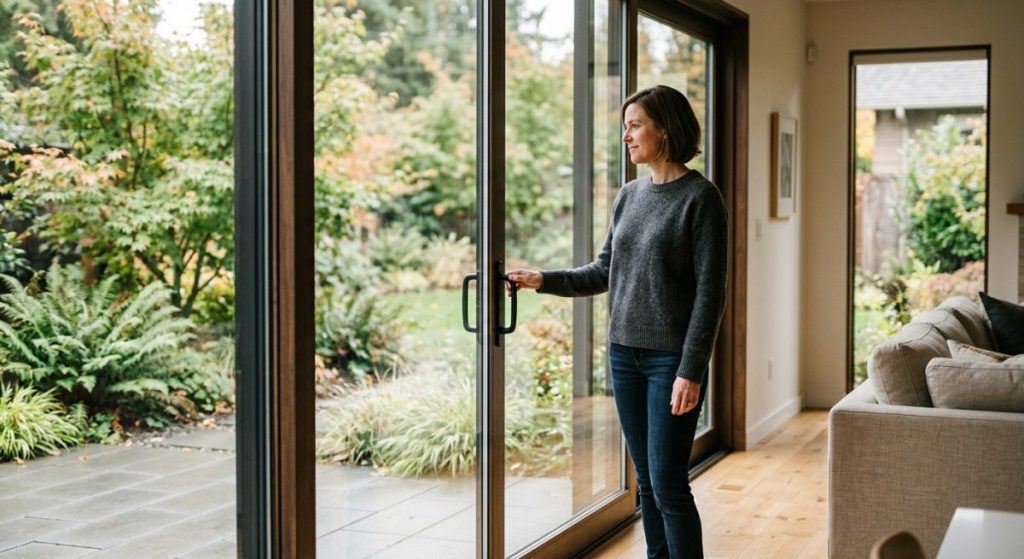
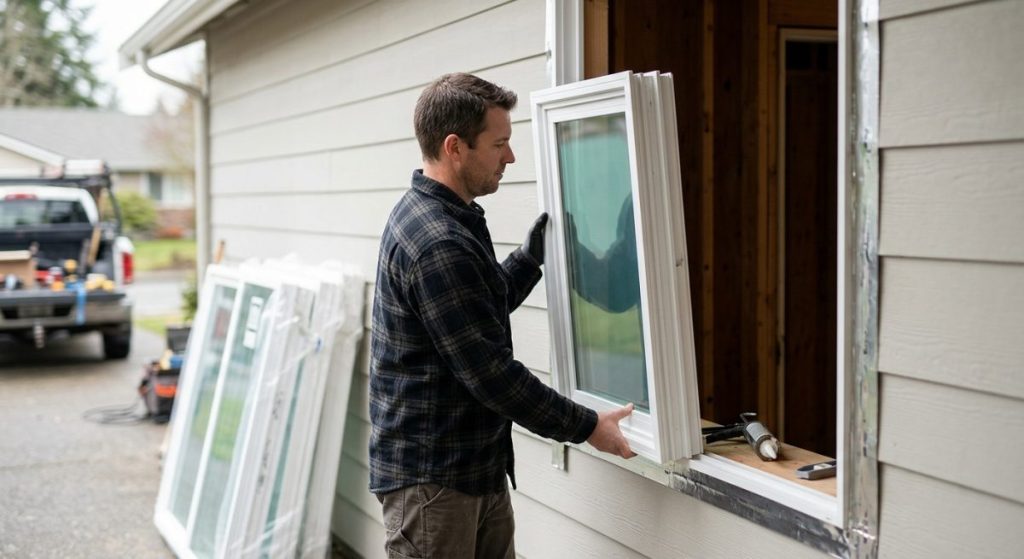
You can buy the most energy-efficient, top-of-the-line windows and doors, but if they’re installed poorly, all that potential savings goes right out the window. Literally. Air leaks, improper sealing, and incorrect fitting will undermine their performance and cost you money in the long run.
Look, I’m all for DIY when it makes sense. But windows and doors? It’s a tricky business. Getting a perfect seal, ensuring proper flashing, and correctly integrating with your home’s structure takes skill and experience. A DIY mistake can lead to water damage, drafts, and reduced energy efficiency, costing you way more in repairs and higher bills than you would have paid a pro. For most homeowners, investing in professional installation is a non-negotiable step for ensuring long-term savings and performance.
Finding the right installer in the Tampa Bay area is crucial. Don’t just go with the cheapest bid. Ask for references, check online reviews (Google, Yelp, BBB), and look for installers who specialize in window and door replacements. A good installer will offer a warranty on their labor, which is a huge sign of confidence. Ask them about their process – how they ensure a weather-tight seal, what materials they use for flashing and sealing, and how they handle potential issues like rotten sub-framing. A contractor who takes the time to explain this is usually one worth hiring.
After installation, watch for drafts around the frame, condensation between panes (indicating seal failure), or difficulty operating the window or door. These are red flags. Before signing off, do a walk-through. Check that the units operate smoothly, that trim is installed neatly, and that there are no obvious gaps. A professional installer will often perform a blower door test or use an infrared camera to check for leaks, though this isn’t standard practice for every company.
You might not need to replace every single window and door in your house right now. Prioritizing can save you a bundle and still net significant energy savings. Think smart, not just big.
Which windows face west and get blasted by the afternoon sun? Those are prime candidates for replacement first. They’re likely contributing the most to your cooling costs. Also, consider doors that get a lot of use – your front door, back door, or patio doors. These are often less insulated and can be major sources of air leakage. Focusing on these problem areas first often yields the quickest and most noticeable savings.
Sometimes, a full door unit replacement is necessary, especially if the frame is rotted or the entire structure is failing. But for windows, and sometimes even doors, you might have options. Replacing just the sash and glass unit (a “replacement” window) can be less disruptive and costly than a full-frame replacement. Similarly, some door issues can be fixed with new weatherstripping or a new threshold. Always discuss these options with your installer to see what makes the most financial sense for your specific situation.
Let’s look at the Johnsons, a couple living in South Tampa. Their energy bills were astronomical, especially during the summer months, and their old, single-pane windows were practically rattling in the breeze. Their home, built in the late 70s, had seen better days.
The Johnsons were shelling out $400-$500 a month on electricity in peak summer. They constantly felt drafts, even with the AC blasting, and their upstairs rooms were always much hotter than downstairs. Their windows were wood-framed, showing signs of rot near the bottom, and their front door had a noticeable gap under it.
They decided to tackle the project strategically. First, they replaced the most sun-exposed west-facing windows with high-performance, ENERGY STAR certified vinyl windows with low-E coatings. They opted for professional installation, which included proper flashing and sealing. Next, they replaced their drafty front door with an insulated fiberglass unit and added a new, high-quality door sweep. They also took advantage of a TECO rebate program and the federal tax credit. The result? Their average summer electricity bill dropped to around $280-$320, a saving of nearly 30%. Plus, their home is now significantly more comfortable year-round. That’s the power of smart choices with your us windows and doors!
Getting the best deal on new windows and doors isn’t about finding the cheapest option. It’s about making informed decisions that lead to long-term savings and comfort. Here are the key savings secrets:
Start by assessing your current windows and doors. Identify the worst offenders – the draftiest, the ones letting in the most heat. Research ENERGY STAR ratings and U-factors. Then, check FPL and TECO for current rebate programs. Get quotes from at least three reputable local installers, making sure they detail their installation process and warranty. Don’t forget to ask about federal tax credits! Making these steps will put you well on your way to enjoying a more comfortable, energy-efficient home and lower bills this year and beyond.
In 2026, expect to pay between $400 to $1,000 per window for mid-range replacements in Tampa, FL. This varies greatly based on material (vinyl is cheaper, fiberglass more), size, and features like double- or triple-pane glass.
Absolutely. Given Florida’s hot climate, energy-efficient windows significantly reduce cooling costs, often paying for themselves within 5-10 years through energy savings alone, plus they improve home comfort.
Yes, you can claim the federal energy efficiency tax credit for qualifying windows and doors. You’ll need products meeting specific energy performance criteria, and the credit is generally 30% of the cost, up to $1,200 annually.
Look for licensed and insured contractors with good online reviews (BBB, Google), ask for local references, check their experience specifically with window/door replacement, and ensure they offer a labor warranty.
Vinyl and fiberglass are excellent choices for Tampa’s humid climate. They resist moisture, won’t rot or warp, and offer great energy efficiency with minimal maintenance, unlike wood which requires constant upkeep.
Don’t let rising energy costs drain your budget. Contact us today for a free consultation and discover how new us windows and doors can significantly lower your bills and enhance your home’s comfort.
Based on this article, here are products that might help you:

Optimizes natural light and expand the view in living rooms, master bedrooms, and more. Comes…
View Product
Customizable to fit your lifestyle, this easily operated hurricane window enhances security while providing exceptional…
View Product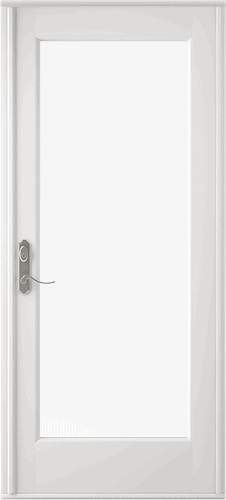
Top-to-bottom glass makes our ClassicVue Max exterior French door a beautiful addition to patios, master…
View Product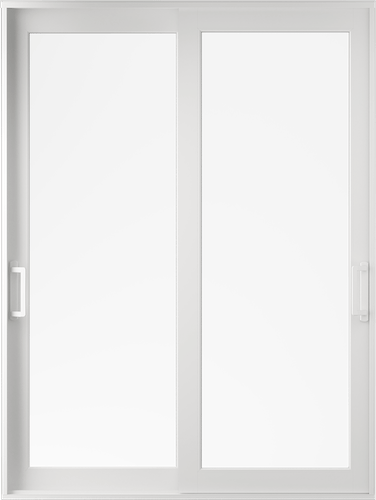
Loved for its easy operation and expanded views. Configure with up to eight panels and…
View Product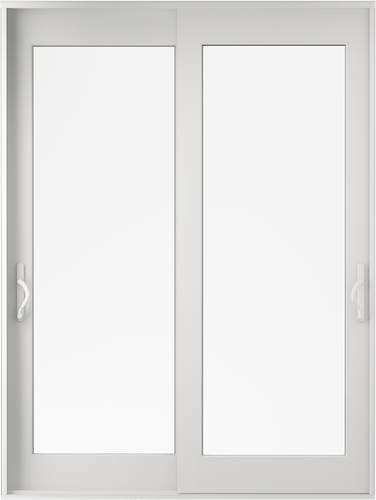
Offering expansions of up to 40 feet, this premium door provides uninterrupted views along with…
View Product
Made to boost your home's aesthetic appeal. Choose from a unique selection of shapes and…
View ProductDon't let rising energy costs drain your budget. Contact us today for a free consultation and discover how new US windows and doors can significantly lower your bills and enhance your home's comfort.