
8414 Sabal Industrial Blvd, Tampa, FL 33619
Hurricane Strong. STH Strong
Mon – Fri 8:00AM – 5:00OM / Sat-Sun – Closed
June 13, 2026 · Reading time: ~14 min
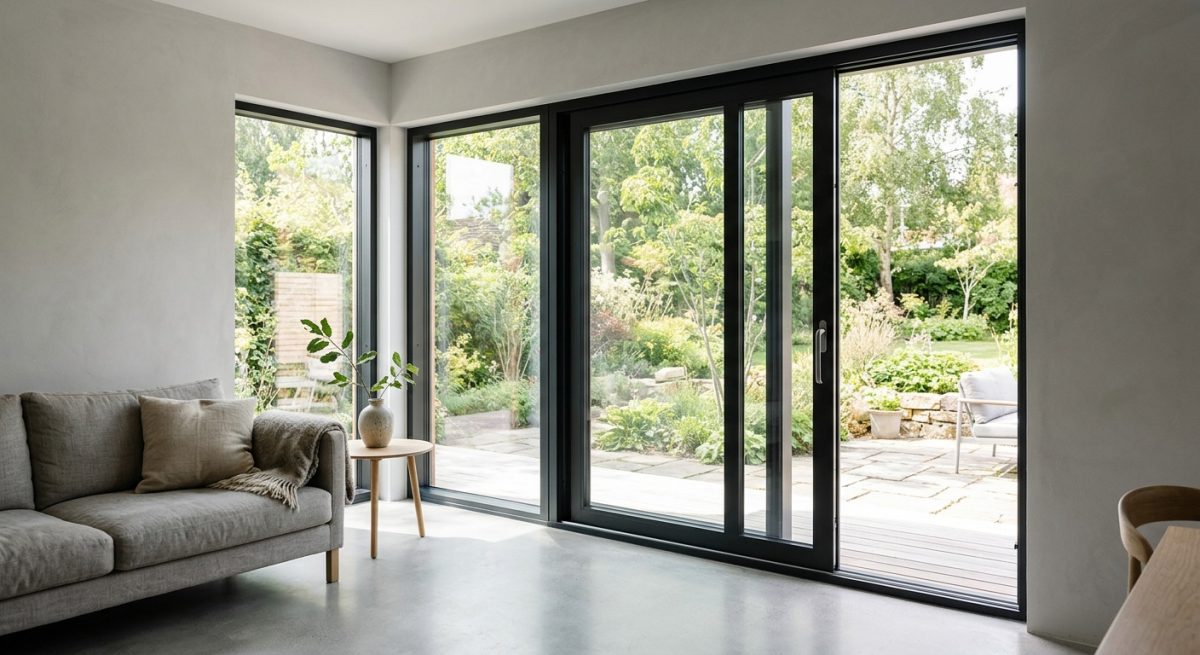
Even the best windows and doors need a little TLC to perform optimally for years to come. Neglecting basic maintenance is a surefire way to shorten their lifespan and invite problems, especially in our salty, humid air.
These materials are generally low-maintenance. Regular cleaning with mild soap and water is usually enough to keep them looking good and functioning well. For moving parts, a light application of a silicone-based lubricant on tracks and hinges once or twice a year can ensure smooth operation. Avoid abrasive cleaners, which can scratch the surfaces and dull their finish over time.
As mentioned, wood requires more attention. If you have wood, you’ll need to regularly inspect the paint or sealant for any signs of chipping, peeling, or cracking. Any breaches in the protective coating can allow moisture to penetrate the wood, leading to rot. Promptly sand and reapply high-quality exterior paint or sealant. Keep an eye out for any signs of mold or mildew, especially in damp areas, and treat them immediately. It’s a commitment, for sure, and often a costly one in this climate.
Regardless of material, always inspect the weatherstripping around your doors and windows. This is what creates the seal that keeps air and water out. If it’s cracked, torn, or compressed, it needs to be replaced. Also, check that locks, hinges, and handles operate smoothly and are securely fastened. Loose hardware can compromise security and allow drafts, diminishing both comfort and energy efficiency.
Picking the right comfort windows and doors isn’t just about curb appeal; it’s a crucial investment in your home’s long-term comfort, energy efficiency, and even its structural integrity. Getting this wrong can cost you a bundle in higher utility bills and lead to persistent discomfort. This guide is for homeowners in Tampa looking to upgrade their windows and doors and avoid common, costly blunders.
Living in Tampa means battling intense heat and humidity for much of the year, not to mention the very real threat of hurricane-season winds and debris. The right windows and doors act as your first line of defense. They’re designed to keep that oppressive Florida heat outside where it belongs, minimizing the strain on your air conditioning system. And when storm season rolls around, , properly installed units can be the difference between minor damage and catastrophic failure. It’s a significant decision for your home’s performance and protection.
You might think you’re saving money by skimping on window quality or installation. Too many homeowners learn the hard way that this is a false economy. Beyond the immediate discomfort of drafty rooms or rooms that feel like a sauna, poorly chosen windows and doors can lead to serious issues. We’re talking about increased energy consumption that inflates your monthly bills by 20% or more, according to the U.S. Department of Energy. Then there’s the risk of water intrusion, mold growth, and even structural damage that can occur if units aren’t sealed correctly or can’t withstand wind pressure. It’s not just about how your house looks; it’s about how it performs and protects you.
This is where many people get tripped up. They focus on the look, maybe the price, but overlook the technical specs that actually dictate how your comfort windows and doors will perform day-to-day, especially in a climate like Tampa’s. Understanding these ratings is paramount for making a smart choice.
Two numbers are paramount here: U-factor and Solar Heat Gain Coefficient (SHGC). The U-factor measures how well a window prevents heat from escaping. Lower is better, meaning less heat loss in cooler months and less heat gain in warmer months. The SHGC measures how much solar radiation (heat from the sun) is admitted through the window. Again, lower is better in hot climates like ours, keeping that intense Florida sun from turning your living room into an oven. Visible Transmittance (VT) is also worth noting; it indicates how much light comes through. A balance is key – you want light but not excessive heat.
The U.S. Environmental Protection Agency’s ENERGY STAR label is your best friend when shopping for efficient windows. Products with this label meet strict energy performance criteria set by the EPA. For Tampa, look for windows certified for the “Northern” or “Southern” climate zones, though most manufacturers will specify suitability. According to ENERGY STAR, upgrading to certified windows can save you between 15% and 30% on your annual heating and cooling bills. That’s real money back in your pocket, year after year.
“ENERGY STAR certified windows can significantly reduce energy costs, improve comfort, and help protect the environment.” – U.S. Environmental Protection Agency
Let’s be blunt: windows with high SHGC ratings in Tampa are a recipe for AC misery. They allow excessive solar heat to flood your home, forcing your air conditioner to run constantly. This not only drives up your electricity bill dramatically but also creates hot spots and uneven temperatures throughout your house. Even in winter, though less severe here, poorly insulated windows (high U-factor) will allow precious conditioned air to escape. It’s a constant battle against the elements that your home shouldn’t have to fight.
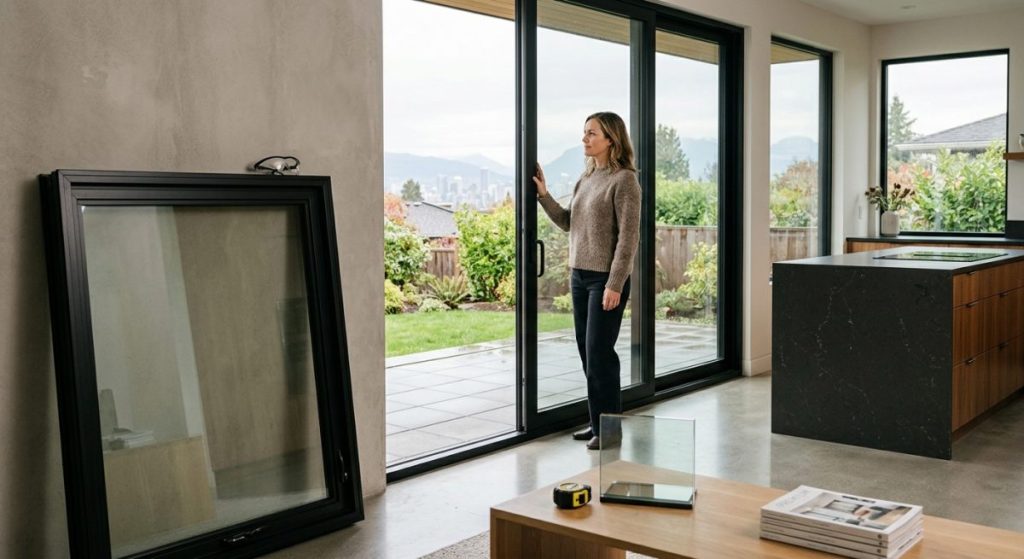
This is, in my experience, the most frequent and costly mistake homeowners make. You can buy the absolute best, most energy-efficient, hurricane-proof windows and doors on the market, but if they aren’t installed correctly, they’re practically useless. It’s the “garbage in, garbage out” principle applied to your home’s envelope.
Professional installation isn’t just about making things look neat. It’s about ensuring a perfect seal against the elements, proper flashing to prevent water intrusion, correct structural support, and adherence to building codes. A sloppy installation can void manufacturer warranties, create air and water leaks that lead to mold and rot, and severely compromise the performance of even top-tier products. Think of it as the foundation of your new windows and doors – if it’s weak, everything else will eventually fail.
What kind of problems are we talking about? Improper sealing around the frame is a big one, leading directly to drafts. Incorrectly applied flashing can allow water to seep behind the wall, causing significant damage over time—something you might not even notice until it’s a major structural issue. Sometimes installers can even damage the frame or surrounding wall structure during removal or fitting. These aren’t minor inconveniences; they’re problems that can lead to expensive repairs down the line and significantly reduce the lifespan of your investment.
So, how do you find good help? Start by asking for recommendations from trusted friends, family, or neighbors who’ve recently had work done. Look for companies that have been in business for a while and have good online reviews. Crucially, check if they’re certified by reputable industry organizations.
A company that stands behind its work will offer a solid labor warranty in addition to the manufacturer’s warranty. Don’t just go with the cheapest bid; understand what’s included and who is doing the work. For more information on hiring contractors, consult resources from the Federal Trade Commission.
The material your windows and doors are made from significantly impacts their durability, maintenance needs, energy performance, and cost. For Tampa’s challenging climate—hot, humid, and coastal—some materials fare much better than others.
Vinyl is popular for a reason: it’s budget-friendly, low-maintenance, and offers decent insulation. It doesn’t corrode, and it’s relatively easy to clean. Then again, vinyl can expand and contract significantly with temperature fluctuations, which can sometimes lead to seal failures or operational issues over time, especially in extreme heat. Cheaper vinyl can also become brittle and fade with prolonged sun exposure. For Tampa, high-quality, multi-chambered vinyl is usually a good bet for the budget-conscious.
There’s an undeniable aesthetic appeal to wood windows and doors; they offer a classic, warm look. They also tend to be good insulators. But here’s the catch for Florida: wood is susceptible to rot, warping, and insect damage in high-humidity environments. They require regular, intensive maintenance—sanding, sealing, and painting—to withstand the elements. Unless you’re prepared for this ongoing commitment, wood is generally not the most practical choice for Tampa homes.
Fiberglass is a fantastic option. It’s incredibly strong, doesn’t expand and contract as much as vinyl, offers excellent insulation, and is resistant to moisture and rot. It’s more expensive upfront than vinyl but often proves more durable and energy-efficient long-term. Aluminum is very strong and durable, making it a good choice for coastal areas where wind resistance is paramount. That said, aluminum itself isn’t a great insulator, so you’ll typically find it used in frames with thermal breaks or in double-pane units for better energy efficiency. It’s a solid choice for toughness, especially in high-wind zones.
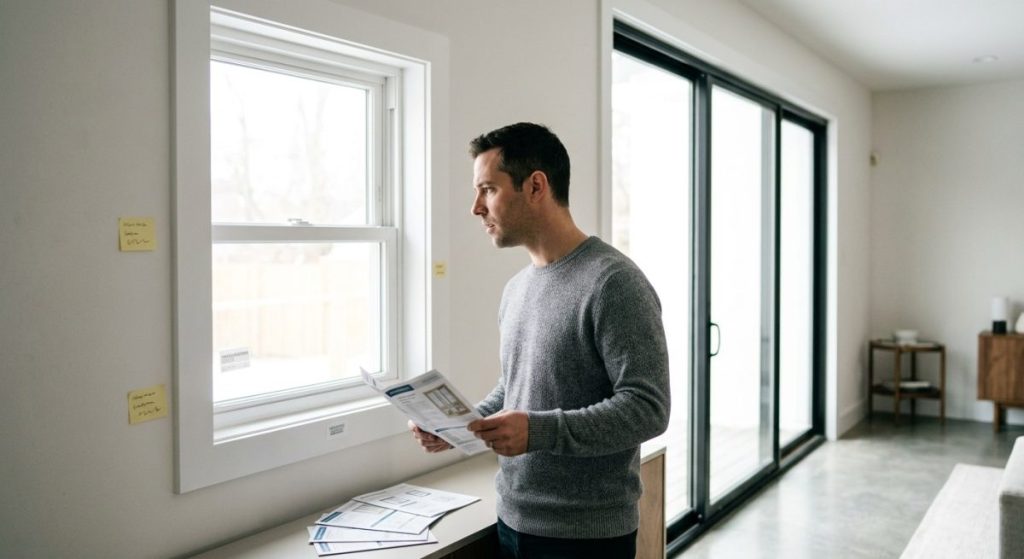
This isn’t just a suggestion in Florida; it’s a non-negotiable requirement for safety and compliance. Given Tampa’s location on the Gulf Coast, hurricane preparedness isn’t optional. Your windows and doors are critical components of your home’s ability to withstand high winds and flying debris.
Florida has some of the most stringent building codes in the nation wind resistance and impact protection, and for good reason. These codes dictate specific testing standards that windows and doors must meet to be approved for use in certain regions. For coastal areas like Tampa, this generally means requirements for impact-resistant glazing and frame construction. Failing to meet or exceed these codes can have severe consequences and may even violate local ordinances.
Impact-resistant windows and doors typically feature laminated glass, similar to what’s used in car windshields. This means there’s a strong interlayer, usually made of PVB (polyvinyl butyral), sandwiched between two panes of glass. Even if the glass cracks under extreme pressure or impact, it’s designed to stay largely intact within the frame, preventing the dangerous explosive decompression that can occur when windows fail during a hurricane. The frames themselves are also reinforced to withstand higher wind loads, ensuring the entire unit performs as a cohesive protective barrier.
If your windows and doors aren’t rated for impact resistance where required, you’re taking a massive gamble. During a hurricane, non-compliant windows are far more likely to shatter, allowing wind and water to enter your home unimpeded. This can lead to catastrophic structural damage and devastating losses.
, many homeowners’ insurance policies now mandate the use of impact-resistant windows and doors in coastal zones. Non-compliance could mean your insurance claim is denied, leaving you to bear the full cost of repairs. It’s a risk I wouldn’t advise anyone to take.
Even the best windows and doors need a little TLC to perform optimally for years to come. Neglecting basic maintenance is a surefire way to shorten their lifespan and invite problems, especially in our salty, humid air.
These materials are generally low-maintenance. Regular cleaning with mild soap and water is usually enough to keep them looking good and functioning well. For moving parts, a light application of a silicone-based lubricant on tracks and hinges once or twice a year can ensure smooth operation. Avoid abrasive cleaners, which can scratch the surfaces and dull their finish over time.
As mentioned, wood requires more attention. If you have wood, you’ll need to regularly inspect the paint or sealant for any signs of chipping, peeling, or cracking. Any breaches in the protective coating can allow moisture to penetrate the wood, leading to rot. Promptly sand and reapply high-quality exterior paint or sealant. Keep an eye out for any signs of mold or mildew, especially in damp areas, and treat them immediately. It’s a commitment, for sure, and often a costly one in this climate.
Regardless of material, always inspect the weatherstripping around your doors and windows. This is what creates the seal that keeps air and water out. If it’s cracked, torn, or compressed, it needs to be replaced. Also, check that locks, hinges, and handles operate smoothly and are securely fastened. Loose hardware can compromise security and allow drafts, diminishing both comfort and energy efficiency.
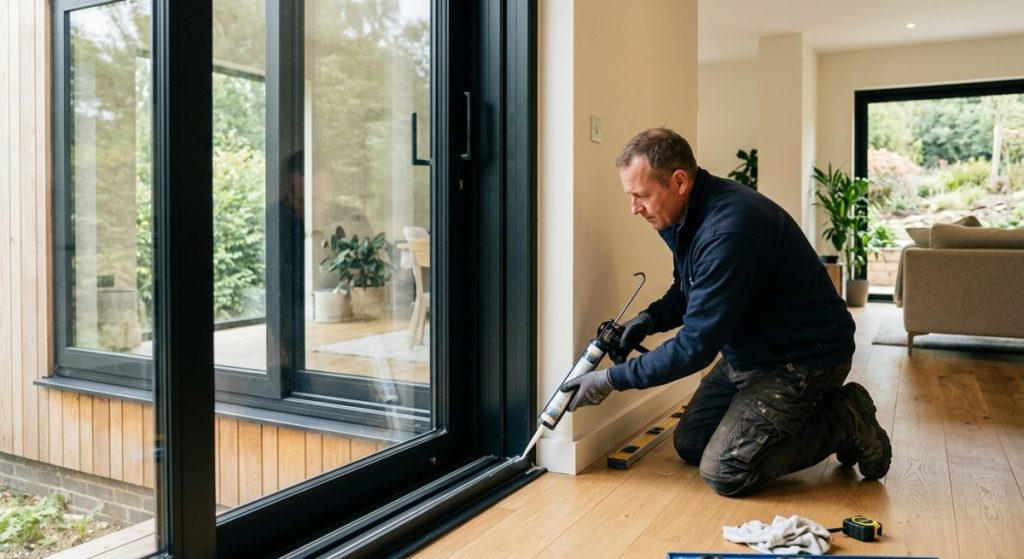
a significant investment like new windows and doors, getting multiple quotes is essential. But simply getting numbers on paper isn’t enough. You need to understand exactly what you’re comparing to make an informed decision.
A full quote should break down costs clearly. Look for line items detailing the product itself (brand, model, material, specific features like energy ratings and impact resistance), labor costs for installation, any necessary permits, disposal fees for old units, and warranty information. Be wary of quotes that are vague or lump everything together. The more detail, the better, as it allows for true apples-to-apples comparisons.
To ensure you’re making a fair comparison between vendors, ask these questions:
| Quote Component | Vendor A (Basic) | Vendor B (Detailed) | Vendor C (Premium) |
|---|---|---|---|
| Window Product | Vinyl Slider – Standard | Vinyl Slider – ENERGY STAR Rated | Fiberglass Casement – Impact Resistant |
| Installation Labor | Included | Included | Included |
| Permits | Extra | Included | Included |
| Disposal Fee | Extra | Included | Included |
| Product Warranty | 10 Years | 20 Years | Limited Lifetime |
| Labor Warranty | 1 Year | 5 Years | 10 Years |
| Total Cost | $5,000 | $7,500 | $12,000 |
While aesthetics are important, they shouldn’t be the sole deciding factor when selecting windows and doors. Feature—how the product performs in terms of ventilation, light, security, and energy efficiency—must take precedence, especially in a climate like Tampa’s.
Tampa features a mix of architectural styles, from classic bungalows to mid-century ranches and modern constructions. Your windows and doors should complement your home’s existing character. Say craftsman-style homes might look best with wood or wood-look windows, while a contemporary design could benefit from sleek aluminum or minimalist vinyl frames. Still, even when matching style, don’t compromise on essential performance features like energy efficiency and structural integrity.
Think about how you use your spaces. Do you rely on natural airflow to cool your home? Windows that open wide, like casement or awning styles, offer superior ventilation compared to fixed windows. The size and placement of windows also dramatically affect natural light. Too few, or poorly placed windows, can make rooms feel dark and gloomy, increasing reliance on artificial lighting. On the flip side, too much glass without proper coatings can lead to excessive heat gain. It’s a balancing act to optimize both light and thermal comfort.
Modern windows and doors offer more than just a basic lock. For enhanced security, consider features like multi-point locking systems, reinforced frames, and laminated glass (which doubles as impact resistance). Even the type of hardware—a sturdy handle, hinges—contributes to overall security. Remember that the weakest point is often the easiest entry point. Investing in strong, secure comfort windows and doors is an investment in your peace of mind and the safety of your home.
Upgrading your comfort windows and doors is a significant undertaking, but avoiding these seven common mistakes can ensure you make a wise investment for your Tampa home. Prioritize energy efficiency ratings, demand top-tier installation, choose materials suited for Florida’s climate, ensure hurricane preparedness, perform regular maintenance, compare quotes meticulously, and always balance style with essential feature.
Doing so means you’re not just buying windows; you’re buying comfort, security, and long-term savings for years to come.
Don’t let common mistakes compromise your home’s comfort, security, and energy efficiency. Contact Comfort Windows & Doors today for a free consultation and expert guidance tailored to your Tampa home.
Get Your Free ConsultationFocus on low SHGC, high U-factor, and impact-resistant features. ENERGY STAR certified windows are recommended. Vinyl and fiberglass are often good material choices for durability and low maintenance in humid conditions, offering excellent protection against heat gain.
Costs vary widely based on window size, type, material, and labor. Expect a range from $400-$1200+ per window for basic replacements, with higher costs for custom sizes, impact-resistant glass, and premium materials.
Professional installation is key and will factor into the overall price.
Yes, especially in coastal areas like Tampa. They offer superior protection against hurricanes, can lower insurance premiums, and increase home value, despite a higher upfront cost. Their durability and resistance to extreme weather events make them a worthwhile investment for safety.
Well-maintained windows and doors can last 15-30 years or more. Signs they need replacement include difficulty operating, drafts, condensation between panes, and visible wear or damage that impacts performance. Early replacement can prevent bigger issues and save on energy costs.
Based on this article, here are products that might help you:
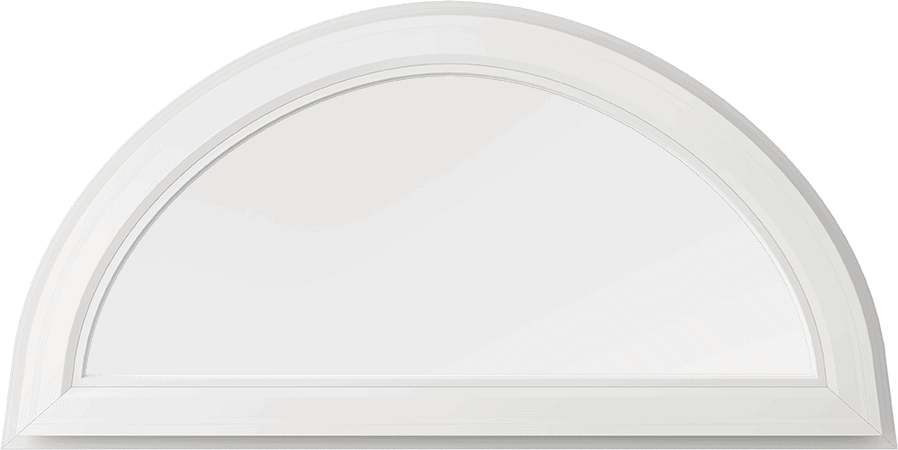
This window is available in a wide range of architectural window shapes that are perfect…
View Product
Increasing natural light and ventilation is what our EnergyVue vinyl Awning window is made to…
View Product
Casement Architectural Picture windows maximize light and are ideal in any room where you want…
View Product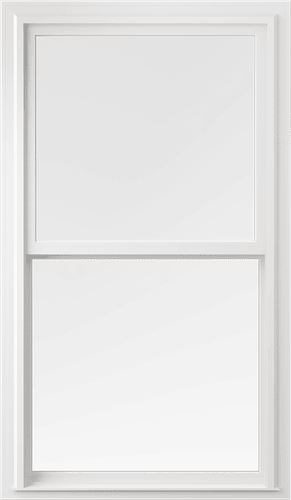
Designed with removable sashes for efficient ventilation, our EnergyVue double-hung window offers a new level…
View Product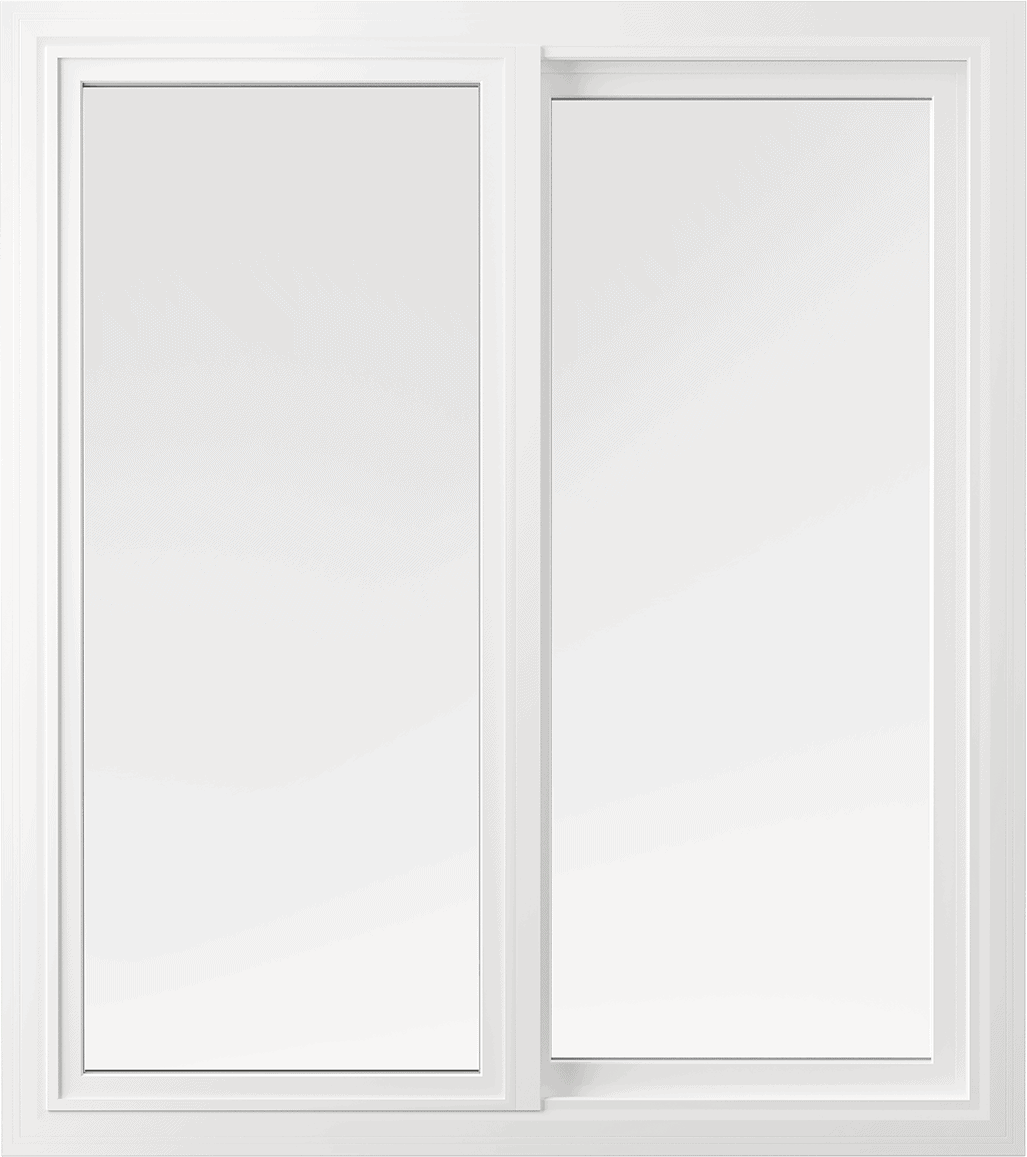
Easy operation and durable construction makes this energy-efficient window a great option for bathrooms and…
View Product
A beautiful way to transform living rooms, master bedrooms, and more. Providing abundant natural light,…
View ProductDon't let common mistakes compromise your home's comfort, security, and energy efficiency. Contact Comfort Windows & Doors today for a free consultation and expert guidance tailored to your Tampa home.