
8414 Sabal Industrial Blvd, Tampa, FL 33619
Hurricane Strong. STH Strong
Mon – Fri 8:00AM – 5:00OM / Sat-Sun – Closed
June 14, 2026 · Reading time: ~10 min
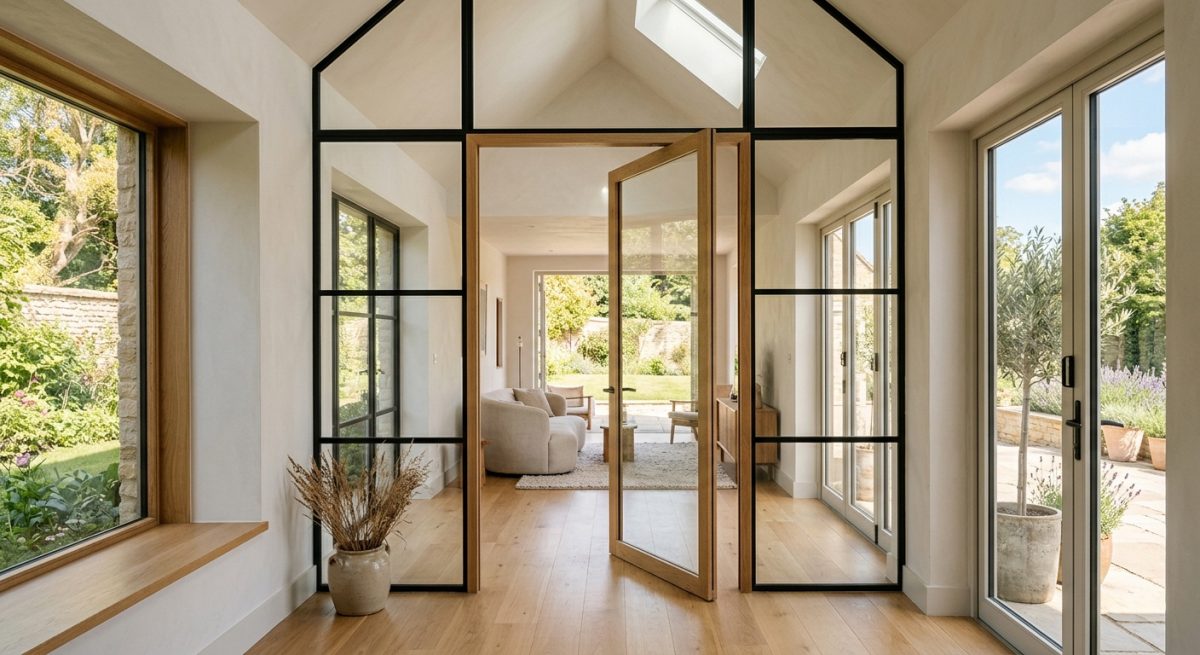
So, what’s the final word on getting great windows, doors, and more without overspending? It’s a combination of smart planning and diligent research. Don’t just buy the first thing you see. Understand what your home truly needs, set a budget that works for you, and then dive into the options. Comparing products, features, and especially installer quotes is absolutely crucial. And never skimp on installation; it’s an investment that guarantees performance and longevity.
Look, upgrading your home’s windows, doors, and more is a big deal. It’s not just about aesthetics, though a fresh look certainly helps. We’re talking about boosting your home’s value, making it way more energy efficient—especially crucial here in Tampa’s sweltering heat—and even beefing up security. This guide is for Tampa homeowners who want to make smart choices about their windows doors and more without breaking the bank. We’ll cut through the jargon and show you how to get the best bang for your buck in 2026.
Living in Tampa means dealing with intense sun, high humidity, and, let’s not forget, hurricane season. Your windows and doors are on the front lines. Old, leaky windows can be a huge drain on your AC, making your energy bills skyrocket. And when a storm rolls in? Those flimsy screens and single-pane windows offer zero protection. Upgrading to quality, perhaps even impact-resistant, windows and doors isn’t just a cosmetic fix; it’s a vital investment in your home’s safety, comfort, and long-term value. Think about it: better insulation means a cooler house and less strain on your HVAC system. That’s a win-win, especially when that electric bill hits your inbox.
Beyond the basic windows and entry doors, the market for home upgrades is vast. We’re talking about elegant patio doors that blur the lines between indoors and out, storm shutters that offer peace of mind, and decorative glass options that add a unique flair. Finding value in this crowded marketplace, however, can feel like a full-time job. It’s easy to get overwhelmed by options and sales pitches. That’s why having a clear understanding of what you need and where to find it’s absolutely critical.
Before you even start browsing catalogs or calling companies, take a step back. What’s really going on with your current setup? And what do you actually want to achieve?
Walk around your house. Feel for drafts near the frames. Can you see daylight peeking through? Check for signs of rot or water damage, especially around the sills. If your windows are hard to open or close, or if you notice condensation between the panes, these are all red flags. These issues aren’t just annoying; they’re costing you money in energy loss. According to ENERGY STAR, homeowners can save up to 15% on their utility bills by air sealing and weatherizing their homes, and replacing old windows is a huge part of that.
What’s your main driver for this upgrade? Are you freezing in the winter (okay, maybe not in Tampa, but you get the idea) and sweating in the summer? Then energy efficiency is your top priority. Is the thought of another hurricane season keeping you up at night? Impact resistance and storm protection should be at the forefront. Or perhaps you’re just tired of the dated look and want to boost your home’s curb appeal. It’s rare to find a product that excels in every single category, so figuring out your top 1-2 goals will help narrow down choices considerably.
Let’s be real: new windows and doors aren’t cheap. Set a realistic budget early on. Remember to factor in not just the cost of the products themselves, but also installation—which, in my experience, is often where hidden costs pop up if you’re not careful. A good rule of thumb is to allocate at least 20-30% of your total project budget for installation.
Consider the long-term savings, too. Those energy-efficient upgrades can pay for themselves over time through lower utility bills. For a typical 10-window replacement project in Tampa, you might be looking at anywhere from $7,000 to $15,000 or more, depending on materials and features.
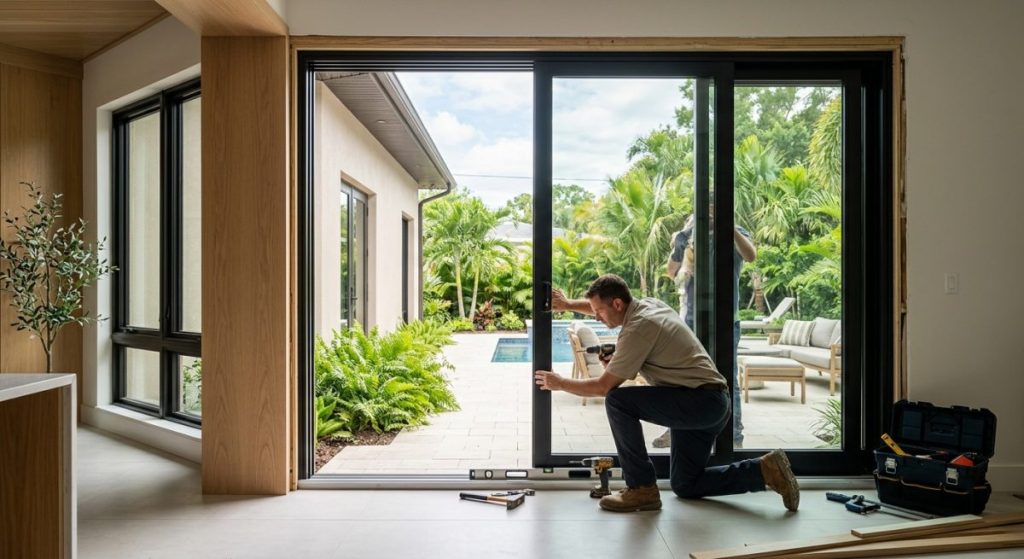
Now for the nitty-gritty. Understanding the lingo and the options is key to making a smart purchase.
You’ve got your standard double-hung windows, which are popular for their versatility. Casement windows crank open, offering great ventilation. Sliding windows are simple and work well in many spaces. But here in Florida, impact-resistant windows are a big deal. They’re built to withstand high winds and flying debris. As for frames, vinyl is usually the most budget-friendly and low-maintenance option. Wood offers a classic, beautiful look but requires more upkeep. Aluminum is strong but can conduct heat.
Entry doors set the tone for your home. You can go with classic wood, durable fiberglass (which mimics wood but is more resistant to rot and warping), or secure steel. For patio doors, sliding glass doors are common, but French doors—swinging inward or outward—add a touch of elegance. And don’t forget storm doors; they add an extra layer of protection and can improve energy efficiency. For Tampa, impact-rated entry doors are a wise consideration for enhanced security during hurricane season.
This is where things get technical, but it’s super important for Tampa’s climate. Look for the U-factor and the Solar Heat Gain Coefficient (SHGC). A lower U-factor means better insulation. A lower SHGC means less solar radiation (heat) enters your home.
Always aim for ENERGY STAR certified products; these meet strict energy efficiency guidelines set by the U.S. Environmental Protection Agency. According to ENERGY STAR, windows with low SHGC are particularly beneficial in hot climates like Florida.
| Feature/Type | Description | Best For Tampa Climate |
|---|---|---|
| Impact-Resistant Windows | Designed to withstand high winds and projectile impacts. Often feature laminated glass. | High – Essential for hurricane preparedness, significantly reducing risk of damage and insurance premiums. |
| Low SHGC Windows | Solar Heat Gain Coefficient below 0.30. | High – Crucial for reducing heat gain from the intense Florida sun, lowering AC costs. |
| Vinyl Frames | Durable, low maintenance, good insulator, cost-effective. | High – Resists moisture and salt spray well, generally a good value choice. |
| Fiberglass Doors | Durable, energy-efficient, resistant to rot/warping, can be painted. | High – Handles humidity and temperature fluctuations better than wood. |
| ENERGY STAR Certification | Meets specific energy efficiency criteria for the region. | High – Ensures products are optimized for energy savings in your climate zone. |
Getting quality windows, doors, and more doesn’t have to mean emptying your savings account. Here’s how to be savvy.
Like many home improvement projects, timing can matter. Contractors and suppliers are often less busy in the late fall and winter months—think November through February. This off-peak season can sometimes translate into lower prices or more flexible scheduling. Plus, manufacturers might roll out new models in late summer or early fall, sometimes leading to discounts on older, but still perfectly good, inventory.
This is where local knowledge really pays off. Check with Tampa Electric and Duke Energy for any current rebates on energy-efficient upgrades. Sometimes, local municipalities or even specific neighborhoods have programs. The federal Residential Clean Energy Credit, for instance, offers a tax credit for certain energy-efficient improvements. A reputable local installer will usually be up-to-date on these incentives, so ask them directly. Don’t leave money on the table!
Never, ever go with the first quote you get. Seriously. Get at least three detailed quotes from different, reputable Tampa-based window and door companies. Make sure the quotes specify the exact products, materials, labor costs, and warranty information.
Compare them apples-to-apples. Ask for references and check online reviews—Google, Yelp, the Better Business Bureau. A company that’s been serving the Tampa Bay area for years is often a safer bet than a newcomer.
A recent survey by [a home improvement industry association, 2025] found that homeowners who obtained multiple quotes saved an average of 12% on their window replacement projects.
If a significant upgrade is beyond your immediate cash flow, explore financing. Many reputable installers offer payment plans or work with third-party lenders. Look for options with low or 0% introductory APR, but always read the fine print regarding interest rates and repayment terms after the introductory period. Sometimes, a well-structured loan can be a smart way to make necessary improvements sooner rather than later.

You might be tempted to save a few bucks by doing it yourself, especially if you’re handy. But trust me on this one: windows and doors, especially impact windows, professional installation is non-negotiable.
Improper installation is a leading cause of problems. We’re talking about air and water leaks, poor energy performance, difficult operation, and even structural damage. Worse, many manufacturers’ warranties are voided if the product isn’t installed by a certified professional. A botched installation can end up costing you far more in repairs and lost efficiency than you ever saved by skipping the pro.
When hiring locally in Tampa, look for these things:
A company that’s transparent about these points is usually a good sign.
There are two main warranties to consider: the manufacturer’s warranty on the product itself (covering defects in materials and construction) and the installer’s warranty on the labor. A good installer will offer a solid warranty on their work, typically covering things like leaks or operational issues for several years. Don’t confuse a short installer warranty with a lifetime manufacturer warranty; they cover different aspects.
The Millers, a family living in South Tampa, were tired of their skyrocketing energy bills. Their 15-year-old windows were drafty, and the constant hum of the AC was a familiar, yet unwelcome, soundtrack to their lives. They also worried about hurricane season after seeing neighbors’ minor storm damage.
Their monthly electricity bill often hit $400+ in the summer, and the old windows made their living room feel like an oven. They knew upgrades were necessary but were intimidated by the perceived cost.
The Millers decided to replace their most problematic 8 windows first. They prioritized impact-resistant, double-pane windows with a low SHGC. They got quotes from four local Tampa companies. One company offered a package deal on similar windows that included professional installation and a great workmanship warranty. They also learned about a limited-time rebate from Tampa Electric for installing ENERGY STAR certified windows. By timing their purchase for a contractor’s slower season and taking advantage of the rebate, they significantly reduced their initial outlay.
Within six months, their summer energy bills dropped to an average of $275, a saving of over 30%. The house felt noticeably more comfortable, with fewer hot spots. Plus, they finally had peace of mind knowing their new windows offered superior protection against storms. The investment paid off faster than they anticipated.
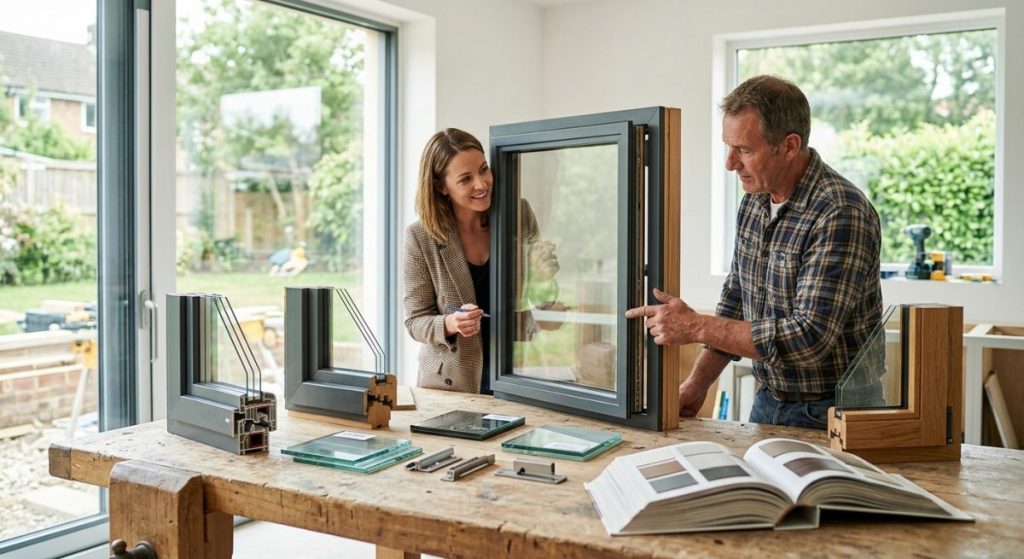
So, what’s the final word on getting great windows, doors, and more without overspending? It’s a combination of smart planning and diligent research. Don’t just buy the first thing you see. Understand what your home truly needs, set a budget that works for you, and then dive into the options. Comparing products, features, and especially installer quotes is absolutely crucial. And never skimp on installation; it’s an investment that guarantees performance and longevity.
Focus on windows with low U-factor and SHGC ratings, impact-resistant features, and ENERGY STAR certification to combat heat and potential storms.
Costs vary widely based on material, style, and features (like impact resistance). Expect a range, and always get multiple local quotes for accurate pricing.
Research federal, state, and local utility company incentives for energy-efficient upgrades. Specific programs change, so check with local providers and reputable installers.
Hurricane windows are designed to withstand high winds and impact from flying debris, offering superior protection during storms, unlike standard windows.
Get expert advice and competitive quotes for your windows, doors, and more. Contact us today to schedule your free consultation and start saving!
Based on this article, here are products that might help you:

Optimizes natural light and expand the view in living rooms, master bedrooms, and more. Comes…
View Product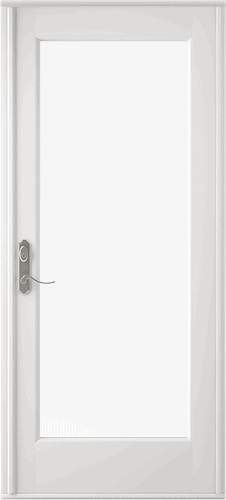
Top-to-bottom glass makes our ClassicVue Max exterior French door a beautiful addition to patios, master…
View Product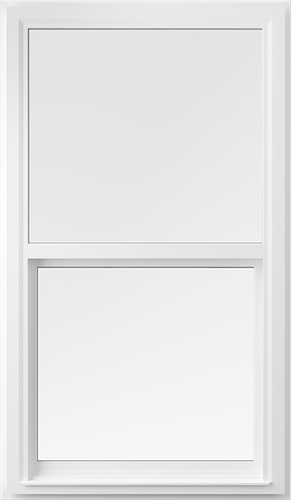
This EnergyVue vinyl single hung window features SecureConnect patented-technology integrated corner keys for added strength…
View Product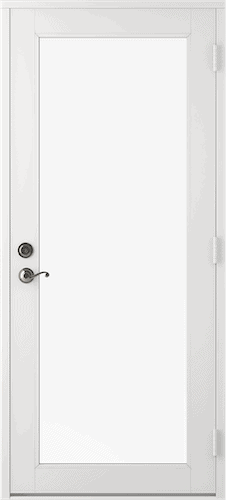
Available with optional matching sidelites, this sophisticated design offers natural light and a secure two-point…
View Product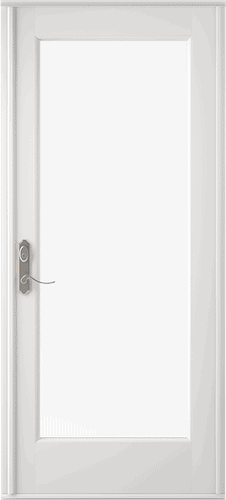
Prepped for European-style hardware and available with matching sidelites, this aluminum impact resistant WinGuard double…
View Product
Install it in high spaces and pair it with our Casement and fixed window for…
View ProductGet expert advice and competitive quotes for your windows, doors, and more. Contact us today to schedule your free consultation and start saving!