
8414 Sabal Industrial Blvd, Tampa, FL 33619
Hurricane Strong. STH Strong
Mon – Fri 8:00AM – 5:00OM / Sat-Sun – Closed
June 16, 2026 · Reading time: ~13 min
Alright, let’s boil this down. If you’re considering a bay or bow window project in 2026, keep these points front and center:
This is non-negotiable. Ensure your contractor has a solid plan for supporting the weight and outward pressure. Don’t let anyone tell you it’s “just a window.”
Think about how the window will look on your home and function within your room. Scale and location are crucial for both aesthetics and usability.
Tampa’s humidity and heat demand specific considerations for ventilation, insulation, and material durability. Choose wisely to combat moisture and high energy costs.
The skill of your installers is arguably more important than the window itself. Vet them thoroughly. A great installer makes all the difference.
Avoiding these mistakes won’t just save you money; it will ensure you get the beautiful, functional, and value-adding addition you envisioned. It’s about smart investment, not just a pretty feature.
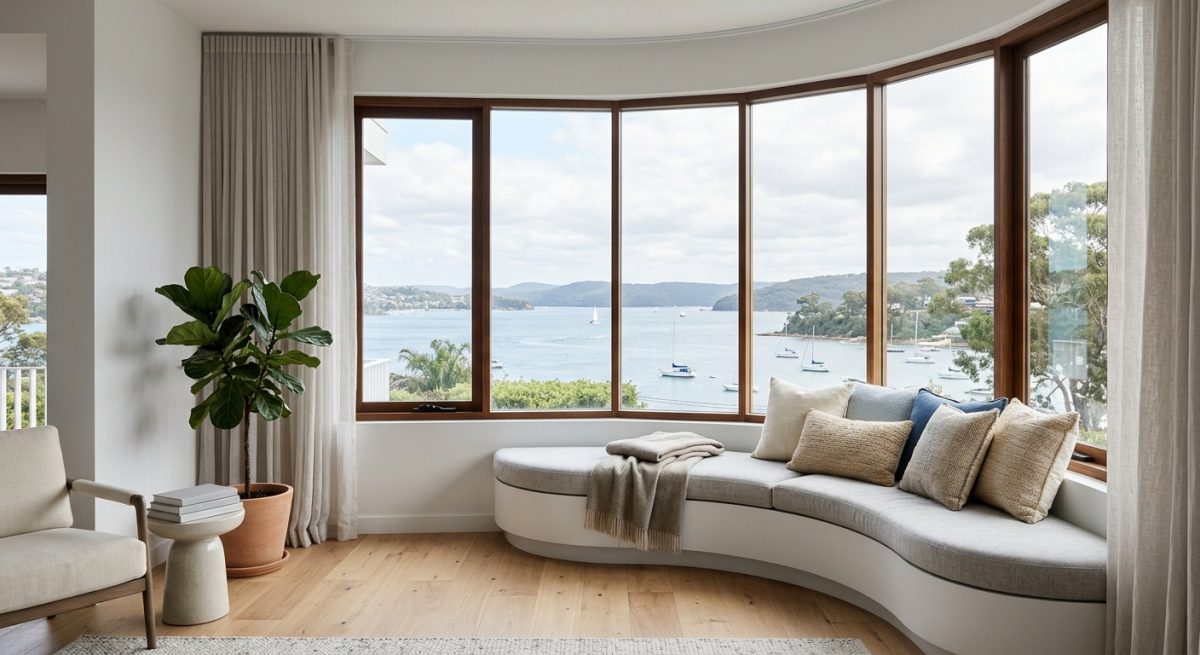
A well-designed bay and bow window can utterly transform a home. They promise more light, a wider view, and that touch of architectural flair many homeowners crave. It’s that romantic notion of a cozy reading nook or a sun-drenched perch. But here’s the rub: achieving that dream isn’t always straightforward. Really, you can easily fall into a few common traps that turn a beautiful addition into a costly headache.
The aspirational appeal of these window styles is undeniable. They add character, seemingly expand your living space, and bring the outside in. Yet, the reality can be quite different if the execution is sloppy. We’re talking about sagging structures, drafts that feel like a polar bear wandered in, and aesthetics that just don’t quite land. It’s a shame when something so potentially lovely ends up being a blight.
This guide is for Tampa homeowners dreaming of adding a bay or bow window, or those who already have one and are experiencing issues. Understanding the common pitfalls is absolutely non-negotiable. Why?
Because these aren’t minor cosmetic fixes; they can lead to significant structural damage and huge repair bills down the line. Especially here in Florida, with our humidity and hurricane seasons, getting it right the first time is paramount to protecting your investment.
This is the big one. Seriously, if you remember nothing else, remember this. A bay or bow window isn’t just a hole in your wall; it’s an extension, a protrusion that needs serious structural backing. I’ve seen too many jobs where installers skimped on the support, thinking it would be “fine.” It’s never fine.
These windows, especially bay windows with their angular projections, cantilever out from your home. They have to support the weight of the glass itself, plus any snow load (though less of an issue in Tampa, wind load is definitely a factor!), and the forces exerted by the surrounding wall structure. Neglecting proper joist support, header reinforcement, or adequate flashing means you’re asking for trouble. According to the National Association of Home Builders (NAHB), proper structural support for any window extension is crucial for long-term stability, a principle that applies heavily in 2026.
How do you know if the structure is weak? Look for tell-tale signs. Cracks in the drywall around the window frame, especially diagonal ones radiating from the corners, are a big red flag. If the floor beneath the window feels spongy or uneven, that’s another indicator. You might even notice the window frame itself looks slightly warped or that the sashes don’t operate smoothly anymore. These aren’t just minor annoyances; they’re symptoms of underlying structural compromise.
Here in Tampa, our high humidity and occasional torrential downpours can wreak havoc on a poorly constructed window addition. Water infiltration is a major concern. If the flashing isn’t perfect or the seals fail because the structure is shifting, water can seep into the wall cavity. This leads to rot, mold, and further weakening of the support structure. And let’s not forget the freeze-thaw cycles in some parts of Florida, though less severe than up north, can still stress compromised materials over time. It’s a recipe for disaster that can cost tens of thousands to fix.
Okay, so you’ve got the structural part sorted. Now, where does this beautiful new window go, and how big should it be? Get this wrong, and your stunning feature can feel awkward and out of place.
A massive bay window crammed into a tiny living room looks ridiculous. Conversely, a small, meek bow window on a large, stately home can get lost. The key is proportion. For smaller rooms, a more delicate bow window might be the ticket, offering a gentle curve and subtle expansion. In larger spaces, a more prominent bay window can serve as a focal point. Think about the scale of your existing architecture. Does it feel grand, modest, or somewhere in between? Your window choice should echo that.
Where you put the window matters for more than just aesthetics. Think about the natural light. Do you want morning sun in your breakfast nook or afternoon light in your study? Consider the view. Is there something picturesque outside that you want to frame, or an unsightly utility box you’d rather not see? Placement also impacts room flow. A poorly positioned window can obstruct walkways or make furniture arrangement a nightmare. In Tampa, maximizing that natural light is key to making homes feel bright and airy, and a well-placed window does wonders.
Honestly, for anything beyond a simple replacement, consulting with local professionals is a smart move. Architects and interior designers in Tampa understand the nuances of our local housing stock, from charming bungalows to modern waterfront properties.
They can help you navigate design choices, ensuring your new bay or bow window complements your home’s style and functions optimally. According to a 2025 survey by the American Institute of Architects (AIA), homes with thoughtfully integrated architectural features like well-placed windows see higher owner satisfaction and resale value.
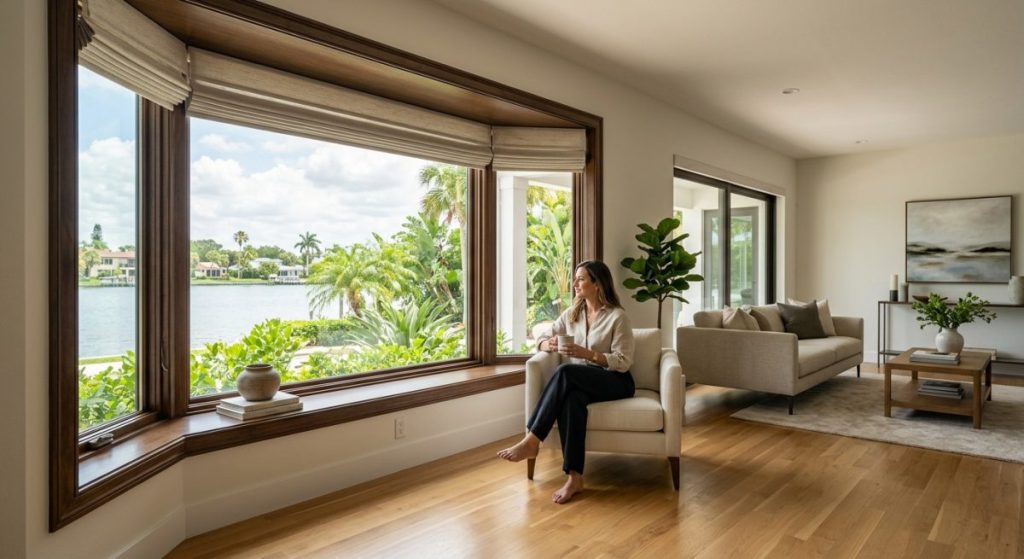
You want light and views, not a swamp or an icebox. This is where many homeowners, especially those focused purely on looks, drop the ball. And in Florida’s climate, it’s a huge miss.
Tampa’s humidity is no joke. Without proper ventilation, moisture from inside your home can condense on the cooler glass surfaces of your new windows, especially during cooler months or even just on humid nights. This condensation is a breeding ground for mold and mildew. A well-designed bay or bow window installation should incorporate some form of ventilation, whether through operable vents in the window unit itself or by ensuring adequate airflow in the room. This is critical for maintaining healthy indoor air quality.
Florida homeowners know that energy bills can climb fast, especially with our air conditioning running most of the year. Bay and bow windows, by their very nature, involve more seams and joints than a standard flat window. If these aren’t sealed meticulously and if the glass isn’t high-performance (think double or triple-paned with low-E coatings and argon gas fill), you’re essentially installing a thermal weak spot in your home. According to Energy Star, proper sealing and high-performance glazing can reduce heat transfer by up to 30%, making a significant difference in your cooling costs.
The frame material plays a big role, but so does the insulation around the window installation. Ensure your contractor uses appropriate insulating materials, like spray foam or rigid foam board, in the gaps between the window structure and your home’s framing. Cheap fiberglass batts might not cut it here. The goal is to create a thermal break, preventing heat from the outside from seeping in and, conversely, your cool conditioned air from escaping.
| Feature | Basic Window | Energy-Efficient Bay/Bow Window (2026 Standards) |
|---|---|---|
| Glass Type | Single-pane | Double or Triple-pane, Low-E coating, Argon gas fill |
| Frame Material | Basic Vinyl or Aluminum | Reinforced Vinyl, Fiberglass, or Composite |
| Sealing & Insulation | Minimal | Meticulous sealing, rigid foam insulation |
| Ventilation | Standard operation | Consideration for integrated vents or room airflow |
| Energy Star Rating | Low | High (look for U-factor < 0.30 and SHGC < 0.25 for hot climates) |
This is where aesthetics and practicality collide. Choosing materials and a style that don’t fit your home or our Florida environment can lead to premature wear and tear, or just look plain wrong.
What are you building this thing out of? Vinyl is popular because it’s affordable and low-maintenance, but cheaper vinyl can warp or become brittle over time, especially under intense sun. Wood offers a classic look but requires significant upkeep—painting, sealing—which can be a hassle in our humid climate where mold and rot are constant threats. Composite materials or fiberglass often strike a good balance, offering durability and resistance to the elements. For a coastal area like Tampa, resistance to salt spray and humidity is a big deal. I’d lean towards fiberglass or high-quality composite for longevity.
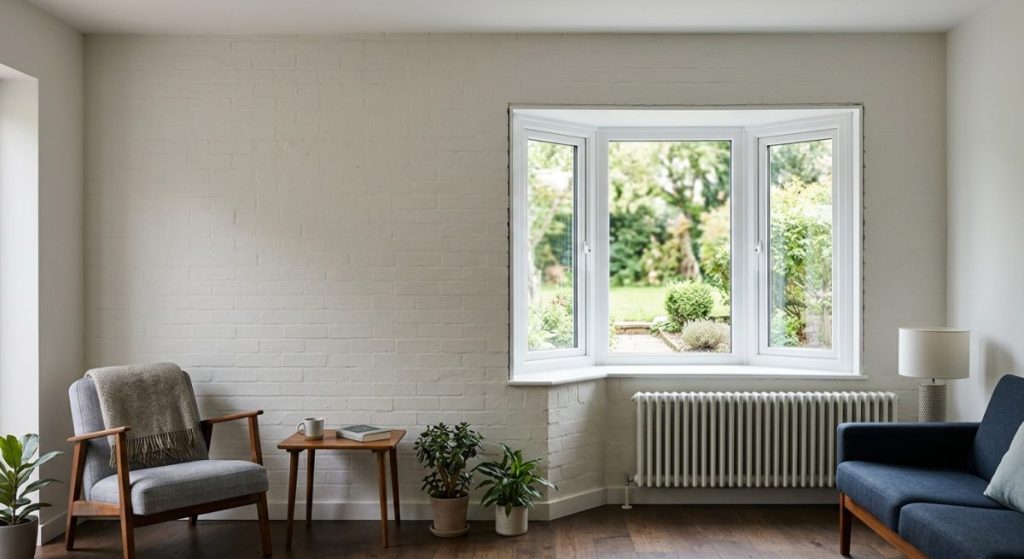
Does your home look like a Craftsman bungalow? A sleek modern structure? A Mediterranean villa? Your bay or bow window should reflect that. A fussy Victorian-style bay window just won’t fly on a minimalist ranch home. Bow windows, with their gentler curve, tend to be more versatile, but even they have a certain aesthetic. Think about the lines, the proportions, and the overall character of your house. The goal is integration, not imposition. The window should look like it *belongs* there.
Standard-sized windows are generally less expensive and quicker to get. But often, a custom-designed window will fit your space and style requirements much better. If you’re working with an unusual architectural style or have specific dimensions in mind, custom is often the way to go.
Yes, it costs more upfront, but the aesthetic payoff and perfect fit can be well worth it. For a significant architectural feature like a bay or bow window, I usually recommend leaning towards custom unless you find a standard option that’s a near-perfect match.
“The most beautiful architectural additions are those that look like they’ve always been there, even if they’re brand new.” – Anonymous Architect
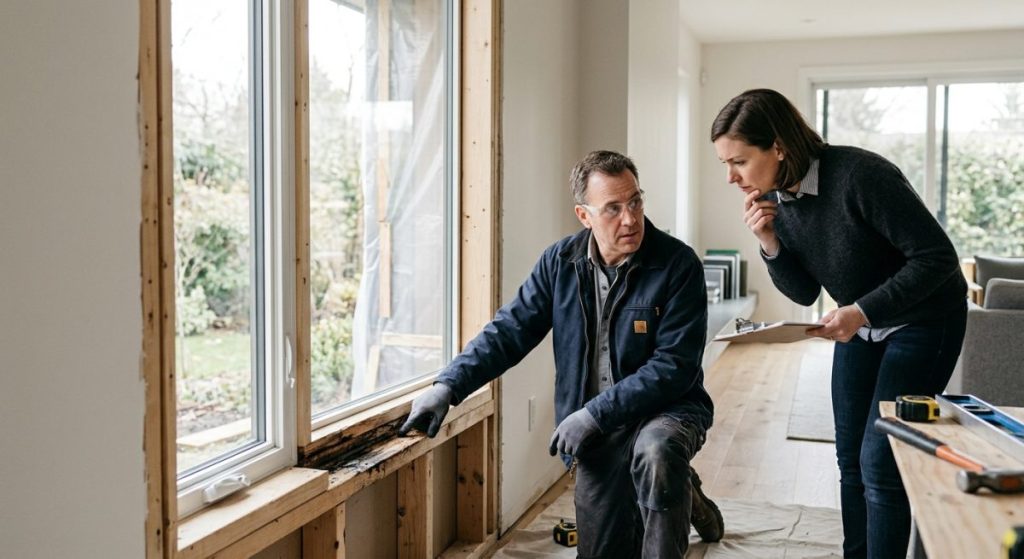
This might be the single most important mistake to avoid. You can buy the best windows, have the most brilliant design, but if the installation is shoddy, everything else falls apart. I can’t stress this enough.
Remember all those problems we talked about? Structural sagging? Water damage? Mold? Drafts? Energy inefficiency? Guess what often causes them? Bad installation. An installer who doesn’t understand structural framing, proper flashing techniques, or sealing methods is setting you up for failure. It’s not just about making the window fit; it’s about integrating it and securely into your home’s envelope. A botched installation can void manufacturer warranties, too.
Don’t just pick the cheapest quote. Do your homework. Check for proper licensing and insurance – this protects you. Look for companies with a solid track record specifically with bay and bow window installations. Online reviews are helpful, but also ask for references and actually call them. Ask to see examples of their work, ideally some bay or bow window projects. A reputable company won’t shy away from this. In Tampa, look for companies that understand local building codes and climate challenges.
Here’s a quick checklist of crucial questions:
Let’s paint a picture. Imagine two homes, side-by-side, here in the Tampa Bay area.
The homeowner on the left, let’s call him Bob, wanted a grand bay window for his living room. He went with the lowest bid. The installers rushed, barely reinforced the existing wall structure, and used standard vinyl windows. Within a year, Bob noticed cracks forming above the window. Then came the drafts, making his AC work overtime. This past hurricane season, a strong gust of wind caused a visible flex in the structure, and he found water damage creeping in from a poorly flashed joint. He’s now facing thousands in repairs, plus the cost of replacing the window with something properly supported.
His neighbor, Carol, also wanted a bay window. She did her homework. She hired a local, licensed contractor with excellent reviews who specialized in window additions. They reinforced the header, added proper joist support extending from the house structure, and installed a custom-made, energy-efficient bay window unit with triple-pane glass. They meticulously flashed and sealed everything. A year later, Carol’s window is a beautiful focal point, lets in tons of light, and her energy bills haven’t budged. Even during strong winds, it feels solid as a rock. She’s thrilled with the aesthetic and the peace of mind.
Bob learned the hard way that cheaping out on major home improvements, especially those involving structural changes, is a false economy. Carol proved that investing in quality materials, proper design, and expert installation pays dividends in comfort, efficiency, and long-term value. The difference in their experiences is stark, and it all comes down to avoiding those common mistakes we’ve discussed.
Alright, let’s boil this down. If you’re considering a bay or bow window project in 2026, keep these points front and center:
This is non-negotiable. Ensure your contractor has a solid plan for supporting the weight and outward pressure. Don’t let anyone tell you it’s “just a window.”
Think about how the window will look on your home and function within your room. Scale and location are crucial for both aesthetics and usability.
Tampa’s humidity and heat demand specific considerations for ventilation, insulation, and material durability. Choose wisely to combat moisture and high energy costs.
The skill of your installers is arguably more important than the window itself. Vet them thoroughly. A great installer makes all the difference.
Avoiding these mistakes won’t just save you money; it will ensure you get the beautiful, functional, and value-adding addition you envisioned. It’s about smart investment, not just a pretty feature.
Costs can range widely, from $3,000 to $10,000+, depending on size, materials (vinyl vs. Wood vs. Composite), features like grids or special glass, and installation complexity. Always get detailed, itemized quotes from local Tampa installers.
Yes, absolutely. That said, older homes often require more careful assessment of existing structural integrity and may need reinforcement or repairs before installation can proceed safely. This can add to the overall project cost.
The style itself (bay vs. Bow) has less impact than the quality of the window unit. High-performance glass, good seals, insulated frames, and expert installation are key to energy efficiency for both styles. Look for Energy Star certified products.
Generally, yes, if installed correctly and aesthetically pleasing. They add curb appeal and perceived living space.
But the return on investment depends heavily on the quality of the installation and how well the window integrates with the home’s overall style in the local market.
Avoid costly mistakes and ensure a stunning, functional addition to your home. Contact our expert team in Tampa for a personalized consultation and quote today!
Avoid costly mistakes and ensure a stunning, functional addition to your home. Contact our expert team in Tampa for a personalized consultation and quote today!