
8414 Sabal Industrial Blvd, Tampa, FL 33619
Hurricane Strong. STH Strong
Mon – Fri 8:00AM – 5:00OM / Sat-Sun – Closed
June 23, 2026 · Reading time: ~13 min
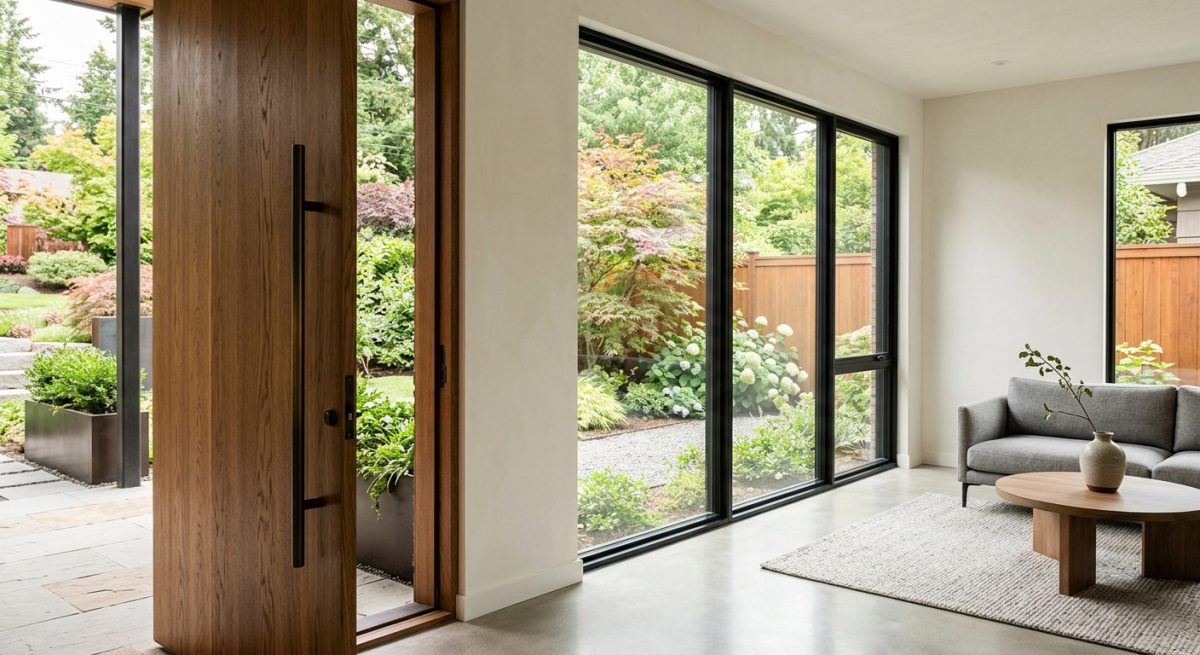
So, you’re thinking about upgrading your home in 2026, right? Maybe you’re looking for ways to make it more comfortable, boost its appeal, or simply stop throwing money out the window—literally. Well, let me tell you, focusing on a better door and window isn’t just a cosmetic fix; it’s one of the smartest financial moves you can make for your Tampa home. This guide is for homeowners like you who’re tired of high utility bills and want to invest wisely in their property’s future.
Those old, drafty doors and windows? They’re not just an eyesore. They’re silent money-drainers. Think about it: every time you crank up the AC or blast the heat, a significant chunk of that conditioned air is escaping through tiny gaps, cracks, and poorly insulated frames. And don’t even get me started on the constant upkeep—painting peeling wood, wrestling with sticky sashes, or dealing with condensation that leads to mold. It all adds up, costing you time, money, and peace of mind.
That’s where the concept of a better door and window comes in. It’s not just about something that looks pretty; it’s about something that *works*.
It’s about investing in components that actively contribute to your home’s comfort, security, and financial health. In 2026, with energy costs fluctuating and home values always a concern, choosing the right doors and windows is a non-negotiable step for any savvy homeowner.
This is the big one, folks. If there’s one immediate, tangible benefit you’ll see from upgrading to a better door and window, it’s the impact on your energy bills. I’ve seen it time and again: homeowners are shocked at how much their monthly costs drop after installing modern, energy-efficient units.
It boils down to a few key metrics. You’ll hear about U-factors (how well a window prevents heat from escaping) and Solar Heat Gain Coefficients (SHGC, how much solar radiation gets through). Lower U-factors and SHGCs are generally better, especially here in Tampa where keeping the heat *out* is crucial. Then there’s air leakage—how much air seeps in or out. Modern windows and doors are sealed tight, meaning your expensive conditioned air stays inside where it belongs.
Living in Tampa means battling intense heat and humidity for a good chunk of the year. Old windows and doors are like gaping holes for that tropical air to infiltrate. I’ve seen clients report anywhere from a 10% to a staggering 25% reduction in their cooling costs after making the switch. That’s not chump change, especially when you consider how long Tampa’s hot season lasts. Imagine cutting down your energy spend significantly, month after month. It really adds up.
“For homeowners in hot climates like Tampa, selecting windows with a low Solar Heat Gain Coefficient (SHGC) is critical for reducing cooling loads and saving on electricity bills.”
When you’re shopping, look for the ENERGY STAR label. It’s a government-backed certification that means the product meets strict energy efficiency guidelines set by the U.S. Environmental Protection Agency (EPA). For us here in Florida, choosing ENERGY STAR certified windows and doors is a no-brainer. It’s a quick way to identify products that are proven to save energy and money, without needing a degree in physics to understand the specs.
Okay, so we’ve covered saving money on bills. But what about the long game? Investing in a better door and window isn’t just an expense; it’s a genuine investment that pays dividends when it’s time to sell or just when you want to feel good about your home’s worth. It’s about adding tangible value to your property.
Let’s be honest, first impressions matter. A home with tired, faded doors and grimy, peeling window frames just doesn’t have that “wow” factor. Upgrading makes an immediate visual impact. A fresh, modern front door can transform your entryway, and sleek, clean windows make your whole house look sharper, both from the street and from the inside looking out. It’s like a facelift for your home, and it definitely makes it more appealing to potential buyers—or just makes you happier to pull into the driveway.
The numbers are pretty compelling. According to Remodeling Magazine’s 2023 Cost vs. Value Report—which is still a solid benchmark heading into 2026—mid-range window replacements consistently rank among the home improvements with the highest return on investment. While exact figures fluctuate, you can typically expect to recoup a significant percentage of your investment, often in the 70-80% range, through increased home value. That’s a solid return compared to many other renovation projects.
A study by the National Association of Realtors (NAR) has also indicated that buyers often prioritize energy efficiency and updated aesthetics when purchasing a home, directly linking window and door upgrades to buyer interest and willingness to pay more.
When you’re choosing a better door and window, think long-term. Materials like fiberglass and high-quality vinyl are incredibly durable and require minimal upkeep, which translates directly to value. They resist the elements, won’t rot or warp like old wood can, and maintain their appearance for years. Features like reinforced frames, multi-point locking systems on doors, and laminated glass for enhanced security also add a layer of perceived and actual value that buyers appreciate.
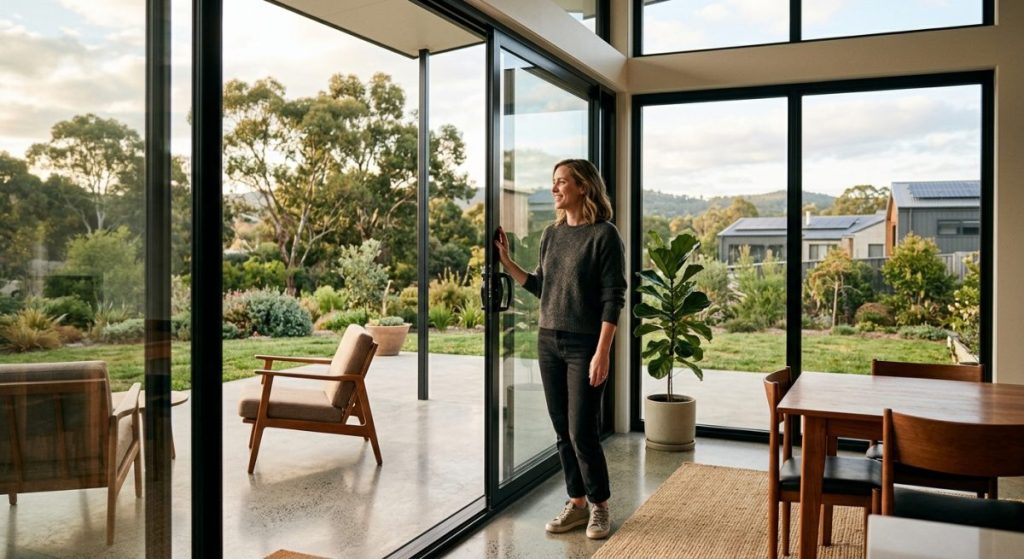
How much time and money have you spent wrestling with your old doors and windows? Painting, caulking, fixing sticky locks, replacing rotten sills? It’s a never-ending cycle. Opting for a better door and window means saying goodbye to a lot of that hassle—and the associated costs.
Old wooden windows are notorious for rotting, especially in humid climates like ours. Metal frames can rust and become difficult to operate. Vinyl and fiberglass, , are inherently resistant to these issues. They don’t absorb moisture, so rot is a non-issue. They don’t corrode, so rust is out. And they maintain their shape and function, meaning no more warping that makes doors hard to close or windows that refuse to budge.
For Tampa homeowners, material choice is crucial. I strongly recommend looking at high-quality vinyl or fiberglass windows. Vinyl is cost-effective and excellent at resisting our humidity and intense sun. Fiberglass is even stronger, more energy-efficient, and can be painted, offering more aesthetic flexibility. For doors, fiberglass is a fantastic choice for exterior doors; it mimics the look of wood but without the maintenance headaches. Steel doors are also very durable and secure, though they can be prone to denting.
A big part of reducing future costs is the warranty. Reputable manufacturers stand behind their products. You’ll typically find long warranties—often lifetime—on the frames and even the seals of good quality windows. Doors usually come with substantial warranties against manufacturing defects.
This isn’t just a piece of paper; it’s financial protection. If something goes wrong that’s covered, the manufacturer is on the hook, not you. That’s real savings down the line.
We’ve talked money, money, money. But let’s shift gears slightly. How does upgrading your doors and windows actually make your life *better*? It’s all about creating a more comfortable, peaceful sanctuary right here in Tampa.
Ever notice how much street noise seeps into your house? Cars honking, neighbors chatting, that darn lawnmower next door starting at 7 AM on a Saturday? Modern, well-sealed doors and windows—especially those with double or triple-pane glass and insulating gas fills—act as serious sound dampeners. You’d be amazed at the difference it makes. Suddenly, your home feels like the quiet escape it’s supposed to be. Less noise pollution means less stress, which is a saving in its own right, wouldn’t you agree?
This ties back to energy savings, but it’s also about pure comfort. No more chilly drafts in the winter or sticky, humid air leaking in during the summer. Properly installed, energy-efficient windows and doors maintain a stable indoor temperature. This means your HVAC system doesn’t have to work overtime constantly battling drafts and heat transfer. It runs more efficiently, lasts longer, and keeps you comfortable without those wild temperature swings from room to room.
Did you know that the sun’s UV rays can wreak havoc on your interior? Over time, they can fade your furniture, carpets, and artwork, forcing you to replace them sooner than you’d like. Many modern windows come with Low-E (low-emissivity) coatings.
These coatings reflect a significant portion of the sun’s heat and UV rays while still allowing visible light to pass through. It’s a subtle benefit, but it protects your belongings and saves you money on replacements down the road.
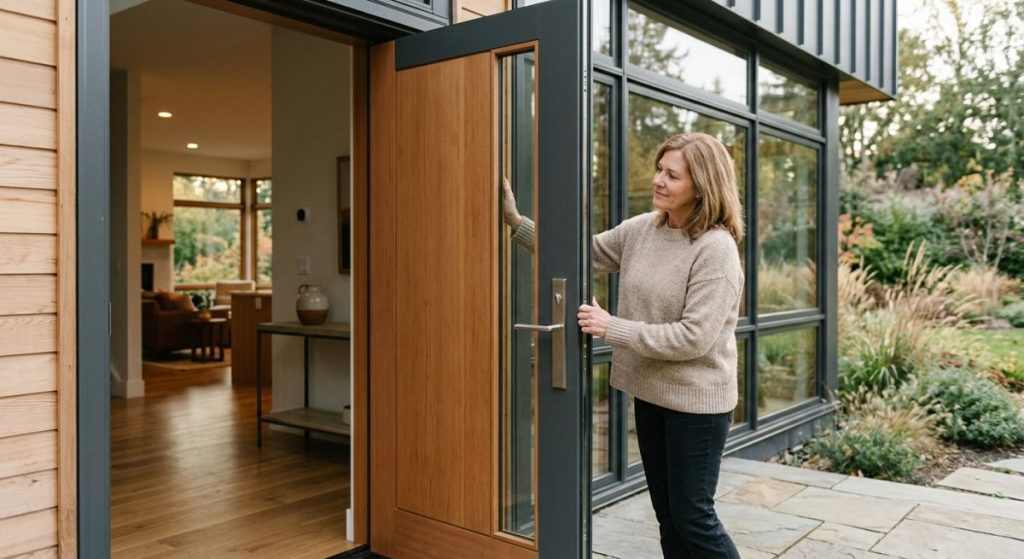
Now, this is where things get *really* interesting for your wallet. Beyond the direct savings, there are often financial incentives that can significantly knock down the upfront cost of installing a better door and window. It’s like getting a discount for doing something good for your home and the environment!
As of 2026, the federal government continues to offer tax credits for homeowners who make energy-efficient improvements. These credits, often part of broader energy legislation, can apply to the purchase of qualifying windows and doors that meet specific energy performance criteria (like meeting ENERGY STAR requirements for your climate zone). It’s usually a percentage of the cost, capped at a certain amount per year. Always check the latest IRS guidelines (Form 5695) or consult your tax professional for the most current details.
Florida Power & Light (FPL), the major utility provider for much of the Tampa Bay area, often has rebate programs or incentives for energy-efficient upgrades. While these can change year to year, it’s absolutely worth checking their website or giving them a call. Sometimes they partner with manufacturers or installers, or offer direct rebates for installing ENERGY STAR certified appliances or, yes, windows and doors. Local municipalities or state energy programs might also have initiatives, so a little digging can uncover more savings.
Generally, to qualify for these incentives, your new doors and windows must meet certain energy performance standards, often tied to ENERGY STAR certifications. Installation is usually part of the deal, meaning the *product* must be installed correctly to achieve its rated efficiency.
Look for products specifically certified for your region (Northern, Southern, etc.) and ensure your contractor understands the requirements for these programs. They can often guide you toward qualifying products.
So, you’re convinced! But now comes the big decision: what kind of doors and windows? There are tons of options, and it can feel overwhelming. Let’s break down some of the most common choices to help you find the perfect fit for your Tampa home.
Here’s a quick rundown:
| Material | Pros | Cons | Best For |
|---|---|---|---|
| Vinyl | Cost-effective, low maintenance, good insulation | Can warp in extreme heat (look for reinforced vinyl), limited color options | Budget-conscious homeowners, general replacements |
| Fiberglass | Extremely durable, strong, energy-efficient, can be painted, resists moisture | Higher cost than vinyl, fewer style options than wood | Homeowners seeking durability & energy efficiency in harsh climates |
| Wood | Aesthetic appeal, excellent insulator, can be stained/painted | High maintenance, prone to rot/warping in humidity, costly | Historic homes, homeowners prioritizing natural look & willing to maintain |
| Aluminum | Strong, durable, low maintenance | Poor insulator (can lead to condensation), prone to corrosion in coastal areas | Commercial applications, modern designs where insulation is less critical |
For front doors, you’ve got a few champions here in Florida. Fiberglass doors are incredibly popular because they can be manufactured to look like wood grain but are far more resistant to our weather. Steel doors are a strong, secure, and often more budget-friendly option, but they can dent and may require more upkeep in salty air. Wood doors are beautiful but, as mentioned, require significant maintenance in our climate. For sliding glass doors or French doors, look for vinyl or aluminum-clad options for durability and ease of operation.
Don’t overlook the glass itself! Double-pane (two layers of glass with a gap in between, often filled with inert gas like argon) is standard and a huge improvement over single-pane. Triple-pane offers even better insulation but comes at a higher cost and adds weight. The real hero for Tampa is the Low-E coating. It’s a microscopically thin, transparent layer applied to the glass that reflects heat. In the summer, it reflects the sun’s heat *out*, and in the winter, it reflects your home’s heat *in*. It’s a crucial component for energy efficiency here.
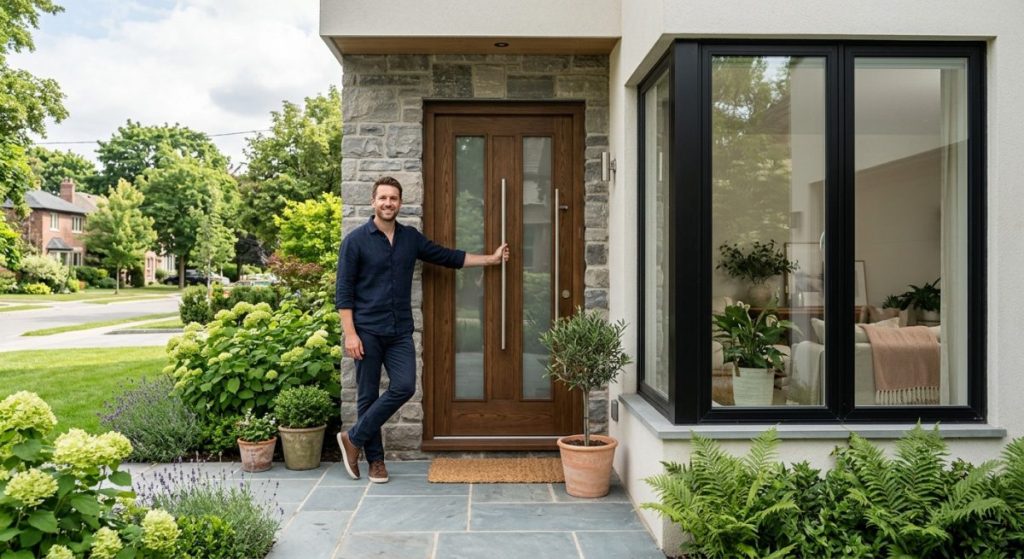
Let’s paint a picture with a hypothetical but very real scenario for a Tampa homeowner. Meet the Johnsons, who live in a lovely 1980s bungalow near South Tampa.
The Johnsons were tired of their sky-high electricity bills, especially during the summer months. Their original single-pane windows were drafty, the seals around the front door looked cracked, and the AC unit seemed to run constantly, yet certain rooms never felt truly cool. They also noticed the sun-faded look of their living room furniture, a the damaging UV rays streaming through their aging windows.
After consulting with a local window and door specialist, they decided to invest in a package that included:
They chose materials known for their durability and low maintenance, perfect for the Florida climate.
The results were dramatic. Within the first cooling season, the Johnsons saw their electricity bills drop by an average of 18%. Drafts disappeared, and their home maintained a consistent, comfortable temperature with the AC cycling much less frequently. They also noticed a significant reduction in the road noise from the busy street. Plus, their home’s exterior looked refreshed and modern, boosting its curb appeal. The investment in a better door and window had paid off handsomely in comfort and savings.
Savings vary based on home size, insulation, and existing window/door efficiency, but expect a noticeable reduction, potentially 10-25% on heating/cooling costs.
Yes, federal tax credits are often available for energy-efficient upgrades, and it’s worth checking with FPL and local programs for potential rebates.
Replacement windows and doors typically offer a strong ROI, often recouping a significant portion of their cost through increased home value and energy savings.
Vinyl and fiberglass are highly recommended for Florida due to their resistance to moisture, UV rays, and temperature fluctuations, offering excellent durability and low maintenance.
Upgrading your doors and windows is more than just a home improvement project; it’s a strategic investment in your comfort, your home’s value, and your long-term financial well-being. From slashing energy bills to boosting curb appeal and enjoying a quieter, more comfortable home, the benefits are undeniable. Don’t let outdated units continue to drain your budget and diminish your living space.
Discover the stunning savings and enhanced comfort a better door and window can bring to your Tampa home. Contact us today for a free consultation and quote!
Discover the stunning savings and enhanced comfort a better door and window can bring to your Tampa home. Contact us today for a free consultation and quote!