
8414 Sabal Industrial Blvd, Tampa, FL 33619
Hurricane Strong. STH Strong
Mon – Fri 8:00AM – 5:00OM / Sat-Sun – Closed
June 23, 2026 · Reading time: ~13 min
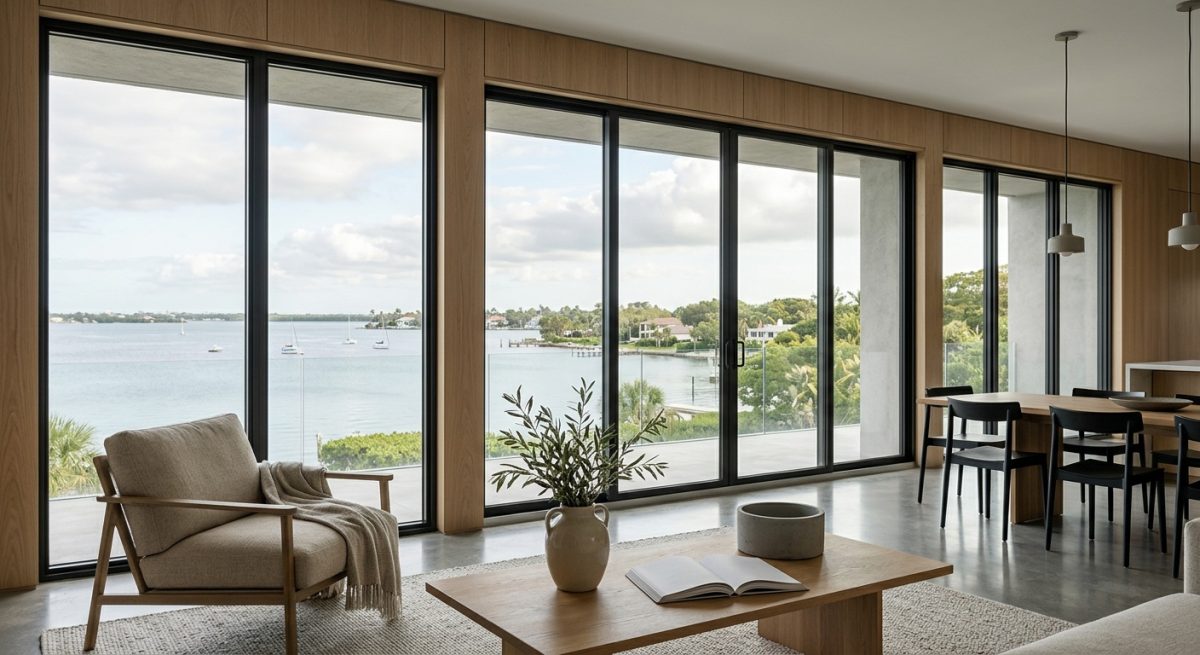
Alright, we’ve covered a lot of ground. Avoiding these mistakes is crucial for getting the most out of your investment in PGT hurricane windows and, more importantly, ensuring your home is truly protected.
Recap: The 7 Critical Mistakes to Avoid
Don’t underestimate impact ratings. Never attempt DIY installation. Always check local codes and HOA rules. Pay attention to frame materials and design. Compare PGT with other brands. Choose styles that fit your home and needs. And critically, don’t forget energy efficiency and long-term costs.
Your Action Plan for Choosing PGT Hurricane Windows
Why Partnering with Local Experts Matters
Navigating all this can feel overwhelming. That’s where local experts come in. They understand Tampa’s specific building codes, HOA quirks, and the precise hurricane threats we face. They can guide you to the right PGT hurricane windows—or other quality brands—that meet all requirements and fit your budget. Getting it right the first time is always the best strategy.
Absolutely. They significantly increase your home’s resilience against hurricanes, potentially lowering insurance premiums. They also boost property value and prevent costly storm damage, offering a strong return on investment over their lifespan.
With proper maintenance and professional installation, PGT hurricane windows can last 20-30 years or even longer. Quality materials and construction contribute to their impressive longevity in harsh conditions.
Costs vary widely based on size, style, and features. A rough estimate for PGT impact windows in Tampa might range from $600 to $1,200 per window, plus installation. Always get a detailed quote for your specific project.
Yes, especially those with higher STC (Sound Transmission Class) ratings. The laminated glass and seals used in impact windows are very effective at blocking out external noise, making your home more peaceful.
Generally, yes. Window replacement, especially for impact-resistant types, typically requires a permit to ensure compliance with building codes. Professional installers will handle the permitting process for you.
Alright, let’s cut to the chase. You’re thinking about PGT hurricane windows for your Tampa home, right? Good. But here’s the thing: not all hurricane windows are created equal, and frankly, making the wrong choice can be downright dangerous—and expensive. This guide is for Tampa homeowners who want to protect their property and peace of mind from Florida’s notorious storms, and it’s packed with the hard-won lessons I’ve picked up over the years.
The Stakes in Tampa: Protecting Your Home from Florida’s Fury
We live in a beautiful place, but let’s be real, the Tampa Bay area is no stranger to tropical storms and hurricanes. The wind speeds can climb fast, and the debris? It’s no joke. Your windows are often the most vulnerable part of your home when a big storm rolls in. Getting them right is a non-negotiable.
Beyond Aesthetics: The Functional Importance of Correct Window Choices
It’s easy to get caught up in how a window looks. Sure, you want your home to be stylish. But with hurricane windows, the primary job is protection. They’re engineered to withstand extreme forces. Choosing the wrong ones isn’t just a cosmetic miss; it’s a structural gamble. You’re betting with your home’s safety.
A Glimpse into the 7 Mistakes We’ll Unpack
So, what are the common pitfalls? We’re talking about overlooking crucial ratings, thinking DIY is a good idea (spoiler: it’s not), ignoring local rules, and even messing up the frame material. Stick around, because avoiding these seven critical mistakes when looking at PGT hurricane windows could save you a world of hurt.
This is where things get technical, but it’s absolutely crucial. Think of ratings as a window’s report card for surviving a hurricane. Just saying “hurricane rated” is like saying a car is “fast.” It doesn’t tell you *how* fast. For PGT hurricane windows, you need to dig into the specifics.
Decoding DP and STC Ratings for PGT Hurricane Windows
The two big ones you’ll see are Design Pressure (DP) and Sound Transmission Class (STC). DP measures how much wind pressure a window can handle before it bends or breaks. It’s measured in pounds per square foot (psf). The higher the DP rating, the more the window. STC, , is about sound. A higher STC means less noise gets through—helpful for busy streets or just enjoying some peace.
Why ‘Hurricane Rated’ Isn’t Always Enough
Tampa Bay experiences different levels of threat. A Category 1 hurricane is one thing; a Category 4 is another beast entirely. ‘Hurricane rated’ might just mean it meets a minimum standard, which could be insufficient for our area’s potential wind speeds and the sheer force of flying debris. You need a rating that specifically matches or exceeds the anticipated conditions. Say windows tested to the Miami-Dade standards are generally considered top-tier.
According to the Florida Building Code (2023 revision), all windows installed in coastal high-velocity hurricane zones (like much of Tampa Bay) must meet stringent impact resistance standards, typically requiring a DP rating of at least 50 psf.
Consequences of Choosing the Wrong Rating
Picking a window with a DP rating that’s too low is asking for trouble. During a storm, that window could fail, allowing wind and rain to enter your home, potentially causing catastrophic damage to your interior and even compromising your roof structure. It’s not just about a broken pane; it’s about the integrity of your entire house.
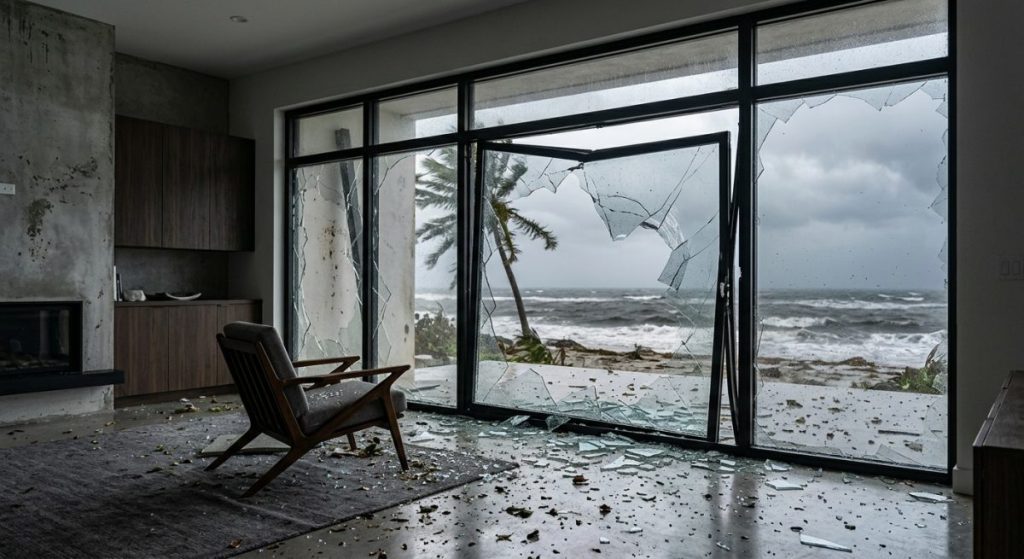
Now, I’m all for saving a buck, but this is one area where you absolutely don’t want to go the DIY route. Installing PGT hurricane windows—or any impact windows, really—is not like swapping out a faucet. It’s a highly specialized job.
The Complexities of Hurricane Window Installation
These windows need to be anchored to your home’s structure in a very specific way. It involves precise measurements, understanding structural loads, using the correct fasteners, and ensuring a perfect seal. One wrong move, one missed anchor point, and the entire system is compromised. Building codes for these installations are rigorous for a reason.
Why Professional Installation is Non-Negotiable
A certified installer knows exactly how to achieve the rated performance of the window. They’ve got the right tools, the training, and they understand the local building codes. Improper installation can negate all the benefits of a high-quality window, making it just as vulnerable as a cheap, standard one. Why spend good money on PGT hurricane windows only to have them fail because they weren’t put in correctly?
Warranty Woes: How DIY Can Nullify Your PGT Protection
Here’s a biggie: most manufacturers, including PGT, require professional installation by a certified partner to validate their warranty. If you install them yourself, or hire someone unqualified, and something goes wrong down the line—even years later—your warranty is likely void. That’s a massive financial risk.
This is a Tampa-specific headache that trips people up. You can’t just slap any old window on your house, especially not here. Your PGT hurricane windows need to play by the rules.
Navigating Tampa’s Building Regulations for Windows
Tampa, like most Florida cities, has strict building codes designed to withstand hurricane-force winds. These codes dictate the minimum impact resistance ratings, DP requirements, and installation methods for windows in coastal areas. Failing to comply means your installation might not be legal, and you could be forced to redo it.
HOA Approval: A Necessary Hurdle
If you live in a community with a Homeowners Association (HOA), you *absolutely* need their approval before replacing your windows. They often have specific rules about the style, color, and even the manufacturer of windows you can install. Sometimes they have approved lists. Getting the right PGT hurricane windows that also meet HOA aesthetic guidelines is key.
The Cost of Non-Compliance
Ignoring these rules can lead to hefty fines from your HOA or the city. Worse, you might be required to remove non-compliant windows and reinstall them correctly—at your own expense. That’s a costly mistake that could have been avoided with a simple phone call or a look at the rulebook.
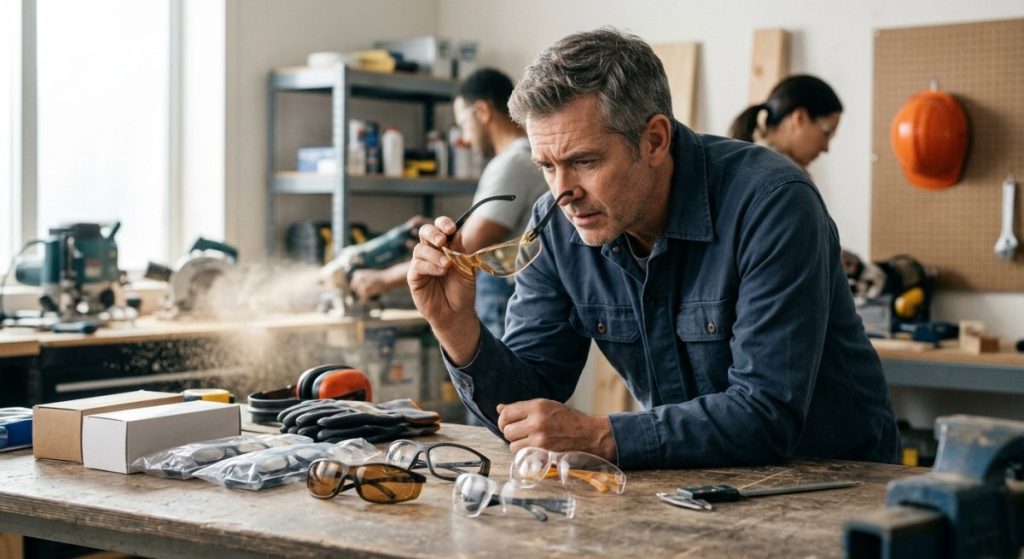
The glass is important, sure, but the frame? It’s the backbone. The material and design of the frame significantly impact how well your PGT hurricane windows perform under pressure.
Aluminum vs. Vinyl vs. Other Frame Options
For hurricane windows, aluminum is a popular choice because it’s strong and durable. It can handle high DP ratings. Vinyl is another option; it offers good insulation but needs to be reinforced for high-wind areas. Some higher-end PGT models might use composite materials. Each has its pros and cons regarding strength, cost, and energy efficiency. In hurricane-prone zones, strength is usually paramount.
The Role of Anchoring and Sealing
Even the strongest frame is useless if it’s not properly anchored to the wall structure. The fasteners and their placement are critical. Equally important is the sealing around the frame. A tiny gap can let in wind-driven rain, which can cause water damage, mold, and rot. Look for windows with sealing systems and a proven anchoring method.
Design Considerations for Maximum Protection
Think about the hardware, too. The locks and hinges need to be . Drainage is another design element. How does water escape from the frame? Good design incorporates features that manage water and wind effectively. For PGT hurricane windows, their engineering aims to address these points, but understanding them helps you appreciate the quality.
Here’s a quick rundown:
| Frame Material | Pros | Cons | Best For |
|---|---|---|---|
| Aluminum | Strong, durable, good for high DP ratings | Can be less energy-efficient than other options, can corrode in salt air (though coatings help) | High-wind coastal areas, maximum structural integrity |
| Vinyl | Good insulation, cost-effective, low maintenance | Can warp or become brittle in extreme heat/cold, may need reinforcement for high DP | Moderate climates, energy efficiency focus |
| Composite | Excellent strength and stability, good insulation, durable | Generally more expensive | Premium performance, longevity |
PGT is a big name, and for good reason. They make solid products. But assuming they’re the only game in town, or the best fit for *your* specific needs and budget, is a mistake many homeowners make. You need to shop around.
Key Features to Compare Across Brands
When you’re comparing, look beyond just the name. Focus on the impact resistance ratings (DP, STC), the type of impact-resistant glass used (mono- or laminated), frame materials and their construction, energy efficiency ratings (like U-factor and SHGC), and the warranty. These are the specs that truly matter for protection and long-term value.
Understanding Warranty Differences
Warranties can vary wildly. Some might cover parts and labor for a few years, while others offer longer coverage on glass and frames but less on hardware. Does the warranty cover accidental damage? What’s the process for making a claim? PGT’s warranty is generally quite good, but so are others. You need to compare apples to apples.
Value Beyond Price: What to Consider
The cheapest option is rarely the best, especially for something as critical as hurricane protection. But the most expensive isn’t automatically superior either. Look for the best balance of performance, durability, warranty, and aesthetics that fits your budget. Sometimes a slightly less premium brand might offer a comparable rating at a better price point, or a PGT window might offer features you can’t get elsewhere.
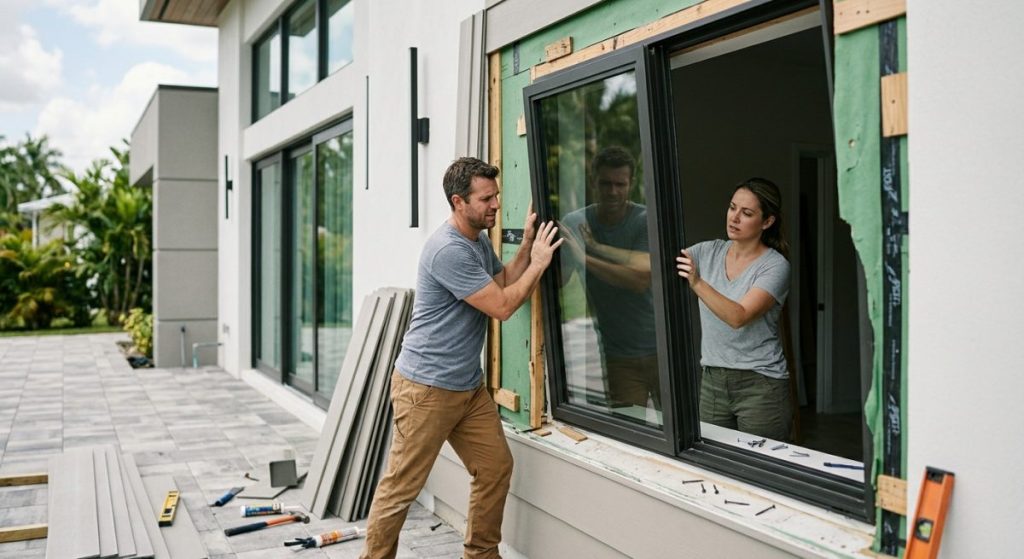
Okay, we’ve covered protection and performance. Now, let’s talk about how your PGT hurricane windows actually look and function in your home. Style matters, and the wrong choice can be a functional headache.
Common Window Styles and Their Suitability
Casement windows, for example, crank outwards and are generally considered very good for sealing tightly against wind and rain, often achieving high DP ratings. Double-hung windows slide up and down, and while common, their sealing can sometimes be less than a well-engineered casement. Picture windows offer great views but don’t open. Sliding windows are convenient but need strong tracks and seals. Consider how you’ll use the window—ventilation needs, ease of operation, and how it fits your home’s overall design.
Balancing Aesthetics and Protection
You don’t have to sacrifice beauty for safety. Many PGT hurricane window styles mimic traditional looks. The key is to find a style that complements your Tampa home’s architecture—be it Mediterranean, ranch, or modern—while still meeting the necessary impact and DP ratings. A well-chosen window enhances curb appeal and protects your home.
Impact of Window Size and Placement
Larger windows naturally experience more wind load than smaller ones. A massive picture window on a second-story wall facing the open water will need a significantly higher DP rating than a small bathroom window tucked away on the leeward side of the house. Placement and size directly influence the structural demands on the window and its frame. Always discuss these factors with your installer.
This is the one that bites homeowners a few months after installation. You bought hurricane protection, which is great. But if those windows are energy hogs, your utility bills will skyrocket, especially here in Florida’s heat.
Understanding ENERGY STAR Ratings for Hurricane Windows
Look for the ENERGY STAR label. This certification means the window meets strict energy efficiency guidelines set by the U.S. Environmental Protection Agency. For Florida, you’ll want windows with a low U-factor (meaning less heat transfer) and a low Solar Heat Gain Coefficient (SHGC), which measures how much heat from the sun enters your home.
The Impact on Your Tampa Utility Bills
Efficient windows mean less heat gain in the summer and less heat loss in the winter (though winter is less of a concern here). This translates directly to lower energy bills. For a Tampa home that runs its air conditioning almost year-round, efficient windows can make a substantial difference. It’s not just about comfort; it’s about tangible savings.
According to ENERGY STAR, replacing old windows with efficient new ones can reduce household energy bills by 5% to 15% annually.
Long-Term Value: Beyond the Initial Purchase Price
When you factor in energy savings, reduced wear and tear on your HVAC system, and the added protection against storms, the true value of high-quality, energy-efficient PGT hurricane windows becomes clear. It’s an investment that pays dividends over the life of the product, far beyond the initial installation cost.
Let me tell you about the Millers. They live in a nice bungalow over near South Tampa. When Hurricane Idalia was brewing back in 2023, they decided it was finally time to replace their old, drafty windows. They got a few quotes.
The Scenario: A Homeowner’s Dilemma
One contractor pushed PGT hurricane windows with top-tier impact ratings and an excellent warranty. Another offered “hurricane-rated” windows from a lesser-known brand, significantly cheaper, and they claimed DIY installation was fine. The Millers, swayed by the lower price and the promise of quick installation, went with the cheaper option, skipping the professional installation to save more cash. Big mistake.
The Consequences or Success
Idalia wasn’t the worst storm, but it brought strong winds and heavy rain. A few of the Millers’ “hurricane-rated” windows bowed inward, and one seal failed completely, letting water pour into their living room. The cheap fasteners also showed signs of rust. When they tried to claim damages, the manufacturer laughed them off – no certified installation, no warranty. They ended up paying thousands for repairs and a partial window replacement with *properly* installed, higher-rated windows.
Key Takeaways from the Experience
The Millers learned the hard way: cheaping out on hurricane windows and installation is a false economy. They should have focused on the DP ratings, insisted on professional installation, and checked the warranty terms thoroughly. Investing in quality PGT hurricane windows, installed by pros, would have saved them money and stress in the long run.
Alright, we’ve covered a lot of ground. Avoiding these mistakes is crucial for getting the most out of your investment in PGT hurricane windows and, more importantly, ensuring your home is truly protected.
Recap: The 7 Critical Mistakes to Avoid
Don’t underestimate impact ratings. Never attempt DIY installation. Always check local codes and HOA rules. Pay attention to frame materials and design. Compare PGT with other brands. Choose styles that fit your home and needs. And critically, don’t forget energy efficiency and long-term costs.
Your Action Plan for Choosing PGT Hurricane Windows
Why Partnering with Local Experts Matters
Navigating all this can feel overwhelming. That’s where local experts come in. They understand Tampa’s specific building codes, HOA quirks, and the precise hurricane threats we face. They can guide you to the right PGT hurricane windows—or other quality brands—that meet all requirements and fit your budget. Getting it right the first time is always the best strategy.
Absolutely. They significantly increase your home’s resilience against hurricanes, potentially lowering insurance premiums. They also boost property value and prevent costly storm damage, offering a strong return on investment over their lifespan.
With proper maintenance and professional installation, PGT hurricane windows can last 20-30 years or even longer. Quality materials and construction contribute to their impressive longevity in harsh conditions.
Costs vary widely based on size, style, and features. A rough estimate for PGT impact windows in Tampa might range from $600 to $1,200 per window, plus installation. Always get a detailed quote for your specific project.
Yes, especially those with higher STC (Sound Transmission Class) ratings. The laminated glass and seals used in impact windows are very effective at blocking out external noise, making your home more peaceful.
Generally, yes. Window replacement, especially for impact-resistant types, typically requires a permit to ensure compliance with building codes. Professional installers will handle the permitting process for you.
Don’t let the next storm catch you unprepared. Avoid costly mistakes and ensure your home’s safety by consulting with our local Tampa window experts today for a personalized assessment and quote.
Get a Free ConsultationDon't let the next storm catch you unprepared. Avoid costly mistakes and ensure your home's safety by consulting with our local Tampa window experts today for a personalized assessment and quote.