
8414 Sabal Industrial Blvd, Tampa, FL 33619
Hurricane Strong. STH Strong
Mon – Fri 8:00AM – 5:00OM / Sat-Sun – Closed
June 26, 2026 · Reading time: ~16 min
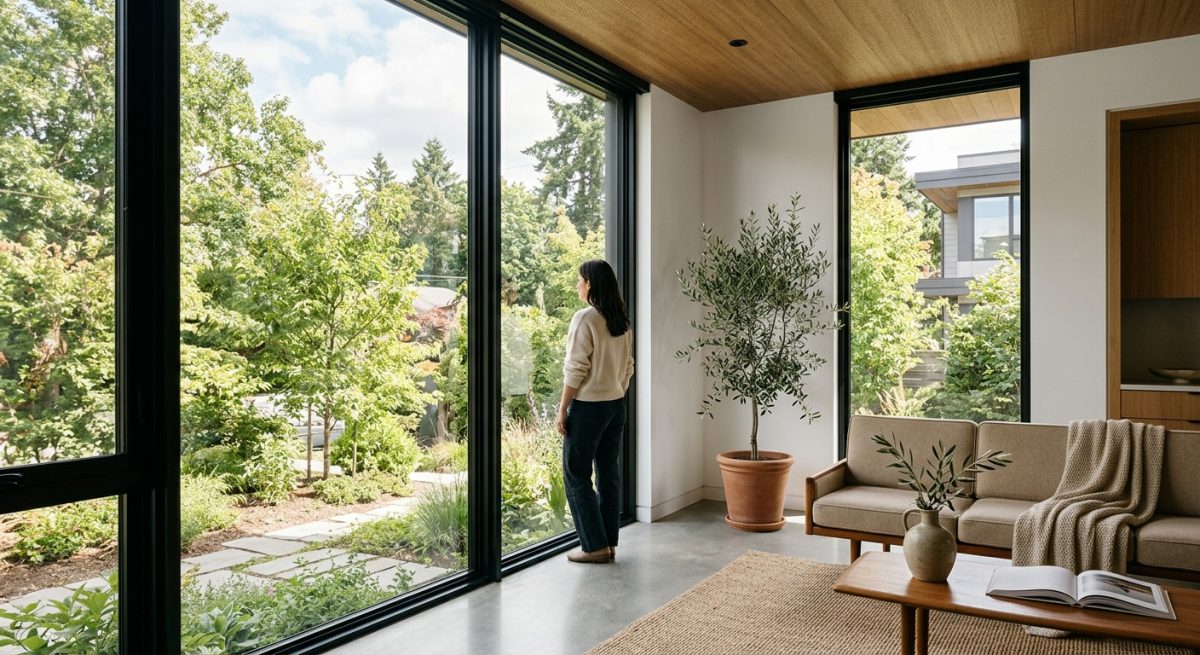
Let’s cut to the chase: those old, drafty windows in your Tampa home are costing you. Big time. We’re talking about more than just a little chill in the air. Inefficient windows are like a leaky faucet for your wallet, steadily draining money through higher energy bills, constant repair hassles, and a general decrease in your home’s comfort and appeal. This guide is for Tampa homeowners who’re tired of watching their hard-earned cash fly out the window (literally) and are ready to invest smartly. Understanding the true cost of neglect is the first step toward embracing truly value windows.
Your HVAC system is working overtime, and you’re still feeling drafts? Blame the windows. Older windows, especially those installed before, say, the early 2000s, often lack modern insulation and sealing technologies. This means heat escapes easily during our cooler months (yes, Tampa has them!) and, more critically, that expensive cool air escapes during the scorching summer heat. The U.S. Department of Energy estimates that heat loss through windows can account for 25% to 30% of a home’s heating and cooling energy use. That’s a massive chunk of your utility bill vanishing into thin air.
Beyond the energy drain, old windows demand attention. Rotting frames, sticky sashes, failing seals, and broken panes aren’t just eyesores; they’re expensive problems waiting to happen. Every year, you might find yourself patching, painting, or even replacing parts.
And let’s be honest, how often do those “fixes” really last? The cumulative cost of constant repairs and the eventual inevitable full replacement of severely degraded units far outweighs the initial investment in quality, durable window systems. It’s a slow bleed of cash that many homeowners don’t fully account for until it’s too late.
A home should be a sanctuary. When your windows make rooms too hot, too cold, or let in excessive street noise, that sanctuary feels compromised. This discomfort directly impacts your daily life. And when it comes time to sell, potential buyers notice. Drafty, inefficient, or unsightly windows are a major red flag, often leading to lower offers or deterring buyers altogether. Investing in good windows isn’t just about saving money; it’s about enhancing your living environment and protecting your property’s market value. It’s a big deal.
So, what do we mean by “value windows”? It’s not about finding the cheapest option on the shelf, nor is it about splurging on the absolute top-tier, gold-plated models. Value windows represent the sweet spot – they offer the best bang for your buck, delivering excellent performance, durability, and energy efficiency without breaking the bank. Think of it as smart investing for your home’s future.
The initial price tag can be deceiving. A cheap window might seem like a bargain, but if it fails within a few years or drastically increases your energy bills, it’s a false economy. True value comes from a combination of factors: how well the window performs its core functions (insulation, light, security), how long it’s expected to last with minimal fuss, and the overall cost of ownership over its lifespan. A well-made window, even at a slightly higher upfront cost, can easily pay for itself through energy savings and reduced maintenance over time.
Value windows are built with solid, reliable materials and incorporate modern energy-saving features. This means good U-factors and SHGC ratings (more on that soon), sturdy frame construction that won’t warp or crack, and reliable seals that keep the elements out. They often come with decent warranties, too, offering peace of mind. They aren’t necessarily packed with every single bell and whistle, but they excel at the essentials. They’re designed for long-term performance and cost-effectiveness.
:
| Category | Typical Price Range (per window, installed) | Key Characteristics | Best For |
|---|---|---|---|
| Budget Windows | $200 – $400 | Basic materials, minimal insulation, shorter lifespan, limited warranties. | Quick flips, rental properties where immediate ROI is paramount, extreme budget constraints. |
| Value Windows | $400 – $700 | Good energy efficiency (Energy Star certified), durable frames (vinyl, fiberglass), double-pane glass, decent warranties. | Most homeowners seeking a balance of cost, performance, and longevity. |
| Premium Windows | $700 – $1500+ | Highest energy efficiency, advanced materials (wood, high-end fiberglass), triple-pane glass, specialized coatings, extended warranties, custom aesthetics. | High-performance homes, custom builds, homeowners prioritizing maximum efficiency and luxury. |
This is where the real savings begin. Ignoring energy ratings is like buying a car without checking its MPG. You need to know how well these windows will keep your conditioned air inside and the harsh Florida weather outside. Look for labels that tell you the whole story.
The two most important labels to understand are the ENERGY STAR label and the National Fenestration Rating Council (NFRC) label. The ENERGY STAR label indicates that a product meets strict energy efficiency guidelines set by the U.S. Environmental Protection Agency. The NFRC label provides standardized ratings for key performance metrics, allowing for apples-to-apples comparisons between different window models. These labels are your cheat sheet to identifying genuinely efficient windows.
The U-factor measures how well a window prevents heat from escaping. It’s rated on a scale from 0.15 to 1.0. The lower the U-factor, the better the window insulates and the less heat escapes from your home. For Tampa, while heating isn’t the primary concern, a good U-factor still contributes to overall insulation, meaning your AC doesn’t have to fight as hard against heat radiating *in* from the outside.
This is crucial for Florida. Solar Heat Gain Coefficient (SHGC) measures how much heat from sunlight enters your home. It’s rated on a scale from 0 to 1.
A lower SHGC means less solar heat is entering your home, which directly translates to lower cooling costs. For Tampa’s sunny climate, you’ll want to prioritize windows with a low SHGC to keep that intense summer sun from overheating your house.
Given Tampa’s hot, humid summers and mild winters, focus on windows with a low U-factor (around 0.30 or lower) and a very low SHGC (0.25 or lower is ideal). ENERGY STAR certified windows in the “Northern Climate Zone” might actually be overkill and more expensive than necessary, while “Southern Zone” windows are often better suited. But for Tampa, we’re in a unique spot. Look for windows specifically recommended for hot climates, often featuring enhanced Low-E coatings designed to reflect solar heat. The Energy Information Administration (EIA) notes that air conditioning accounts for about 6% of total U.S. Utility bills, a figure that’s significantly higher in southern states like Florida. Getting this right matters.

The frame material plays a massive role in a window’s longevity, maintenance needs, and overall value. Different materials offer different trade-offs.
Vinyl windows are popular for a reason. They’re generally affordable, require very little maintenance (no painting needed!), and offer good energy efficiency, especially when well-constructed. Modern vinyl frames are much improved from older versions and can hold up well. They’re a cornerstone of many value window selections. Then again, extreme heat can cause some expansion, and lower-quality vinyl can become brittle over time or fade. But for most Tampa homes, quality vinyl is a solid, cost-effective choice.
Fiberglass frames are incredibly strong and stable. They expand and contract very little with temperature changes, meaning they maintain their seal better than vinyl. This makes them exceptionally durable and resistant to warping, cracking, and fading. They also offer excellent insulation properties. While typically more expensive than vinyl, fiberglass offers superior longevity and performance, making it a fantastic option for long-term value. It’s often considered a step up from vinyl in terms of durability.
Wood windows offer a classic, beautiful aesthetic but come with significant maintenance demands (regular painting/staining) and are susceptible to rot and insects, especially in humid climates like Tampa. Composite windows, made from a mix of wood fibers and plastics, aim to offer the look of wood with less maintenance, but quality can vary wildly.
For most value-focused homeowners in Florida, vinyl or fiberglass tend to offer a better balance of performance and upkeep.
Look for multi-chambered vinyl frames and reinforced corners for added strength. For fiberglass, ensure it’s a reputable manufacturer known for quality. Feel the frame – does it feel solid and substantial, or flimsy? A well-built frame is fundamental to a window’s long-term performance and is a key indicator of value.
The glass itself is a critical component. Modern advancements have turned simple panes into sophisticated energy-saving barriers.
Double-pane windows, with two panes of glass separated by a sealed space, are standard for energy efficiency. Triple-pane windows add a third pane and another insulating space. They offer superior insulation, reducing heat transfer even further. While triple-pane is the ultimate in insulation, it comes at a higher cost and adds significant weight. For most value-conscious homeowners in Tampa, high-quality double-pane windows with good coatings and gas fills offer an excellent balance. The Florida Solar Energy Center (FSEC) often recommends double-pane windows with spectrally selective coatings for the state’s climate.
Low-Emissivity (Low-E) coatings are microscopically thin, transparent layers applied to the glass surface. They’re a non-negotiable for energy efficiency. Different types of Low-E coatings are designed to reflect specific wavelengths of light. For Tampa, you want a Low-E coating that reflects solar heat (high solar reflectance) while still allowing visible light in. This dramatically reduces cooling loads. Some Low-E coatings also help block UV rays, protecting your furniture and flooring from fading.
The space between the glass panes can be filled with inert gases like Argon or Krypton. These gases are denser than air and are poorer conductors of heat, further enhancing the window’s insulating properties.
Argon is the most common and cost-effective choice for value windows. Krypton is even more efficient but also more expensive, typically found in premium windows.
Living in Tampa means hurricane season is a serious consideration. While standard value windows can be upgraded, consider windows with impact-resistant glass. This specialized glass has a strong interlayer (like PVB) that holds the glass together even if it cracks, preventing dangerous shattering. It often eliminates the need for storm shutters and provides excellent protection against high winds and debris. While impact-resistant glass adds cost, for Florida homeowners, it’s a critical investment in safety and property protection, often mandated in coastal areas.

You can buy the most energy-efficient, beautifully crafted windows in the world, but if they’re installed poorly, they’re essentially useless. Installation is *not* a DIY job for most people. It requires precision, specialized tools, and knowledge of building codes and best practices.
Improperly installed windows will have gaps and leaks. This means drafts, water intrusion, and condensation – exactly the problems you’re trying to solve. Air can bypass the window’s insulating properties, negating the benefits of expensive glass packages and frame materials. Poor installation can also void manufacturer warranties, leaving you high and dry if something goes wrong.
Look for local companies with a proven track record. Ask for references and check online reviews (Google, Yelp, Better Business Bureau). Ensure they’re licensed and insured.
A good installer will perform a thorough site assessment, take precise measurements, explain the process clearly, and offer a warranty on their workmanship. Don’t just go with the cheapest quote; quality installation is paramount to achieving the savings and performance you expect from your value windows.
A professional installation typically involves removing the old window, preparing the opening, fitting the new window securely, ensuring it’s level and plumb, sealing all gaps with appropriate materials (foam, caulk), and installing interior and exterior trim. The process can take anywhere from a few hours to a full day per window, depending on complexity. Expect some disruption, but a clean, efficient crew will minimize it.
A strong warranty is a clear sign of a manufacturer’s confidence in their product and a crucial part of the long-term value proposition. Don’t gloss over the fine print.
Warranties vary. You’ll see:
Pay close attention to what’s covered: the frame, the sash, the glass (including seal failure and breakage), hardware, and any coatings. The U.S. Consumer Product Safety Commission (CPSC) provides guidance on comparing product warranties.
For value windows, you should expect coverage for:
A full warranty provides peace of mind, ensuring that your investment is protected for years to come.
The manufacturer’s warranty covers defects in the window itself. The installer’s warranty covers the quality of the installation. Both are important. A faulty window installed perfectly is still a faulty window. A perfect window installed poorly will perform poorly and may fail prematurely. Always get both in writing.
“After about five years, I noticed condensation forming inside one of my new double-pane windows. I remembered the installer had mentioned a 20-year seal failure warranty. I contacted the company, they came out, confirmed the seal had failed, and replaced the entire insulated glass unit – free of charge. It was a smooth process and saved me hundreds of dollars.”
This scenario highlights why understanding and keeping your warranty documentation is essential. It’s your safety net.
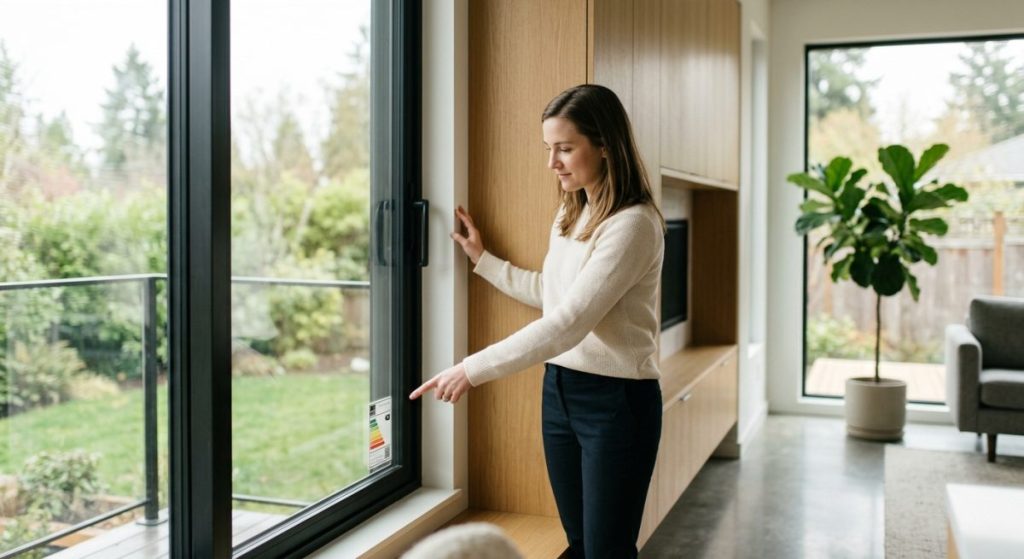
The government and utility companies want you to be energy efficient. That means there are often financial incentives available that can significantly reduce the net cost of upgrading your windows.
As of 2026, the ENERGY STAR program continues to offer tax credits for qualifying energy-efficient home improvements, including windows. Homeowners can typically claim a credit for a percentage of the cost of installing new, energy-efficient windows that meet specific performance criteria. The exact amount and requirements can change, so always check the latest IRS guidelines and ENERGY STAR recommendations before purchasing.
Florida often has various energy efficiency programs and rebates available through utility companies or state agencies. While these can fluctuate, it’s worth investigating what might be offered by your local power provider, such as Tampa Electric (TECO). Sometimes, specific upgrades or purchases from certified installers might qualify for additional discounts or credits. Websites like the Florida Department of Agriculture and Consumer Services or local utility company sites are good places to start your research.
Generally, to qualify for tax credits or rebates, your windows must meet specific ENERGY STAR requirements for your climate zone. You’ll also need proper documentation, including receipts showing the cost of the windows and installation, and often a manufacturer’s certification statement confirming the product meets the necessary standards. Keep meticulous records throughout the process.
The Inflation Reduction Act of 2022 extended and enhanced clean energy tax credits, including those for energy-efficient home improvements, making it a prime time for homeowners to upgrade.
Even with savings and incentives, a full window replacement is a significant investment. Fortunately, several financing options can make it more manageable.
If you own your home and have built up equity, a home equity loan or a Home Equity Line of Credit (HELOC) can be excellent options. These loans allow you to borrow against your home’s value, often with competitive interest rates. A home equity loan provides a lump sum, while a HELOC functions more like a credit card, allowing you to draw funds as needed. Both can be used for major home improvements like window replacement.
Beyond home equity products, you might consider other loans. Secured loans are backed by collateral (like your home or car), usually offering lower rates. Unsecured loans, like personal loans, don’t require collateral but typically have higher interest rates. For a project of this scale, exploring secured options is often more financially prudent.
Many window manufacturers and reputable local installation companies offer their own financing programs. These can sometimes include special introductory rates, deferred payments, or specific payment plans tailored to home improvement projects. It’s always worth asking your chosen contractor about any financing options they provide or recommend.
Upgrading to value windows isn’t just about aesthetics; it’s a strategic move to boost your home’s efficiency, comfort, and long-term value. By understanding energy ratings, material quality, installation importance, warranties, and available financial incentives, you can make an informed decision that pays dividends for years. Don’t let outdated, energy-leaking windows continue to drain your budget. Start exploring your options today and the savings potential your home has been waiting for.
Value windows can be suitable if they include impact-resistant glass and are professionally installed according to Florida Building Code standards. Standard value windows without impact ratings are generally not enough for hurricane zones.
With quality materials and proper installation, value windows can last anywhere from 15 to 30 years or even longer. Factors like maintenance, climate, and specific product quality play a role.
While technically possible, DIY installation is strongly discouraged. Improper installation can lead to energy loss, seal failure, and void manufacturer warranties, ultimately costing more in the long run.
In Tampa, expect to pay roughly $400 to $700 per window for professionally installed value windows. This range can vary based on size, style, and specific features like impact resistance.
Signs include noticeable drafts, condensation between panes, difficulty opening or closing, rotting frames, visible cracks or damage, and significantly higher energy bills that don’t improve with thermostat adjustments.
Contact us today for a free consultation and discover how value windows can transform your home’s comfort and energy efficiency. Let our Tampa experts guide you to the best savings.
Contact us today for a free consultation and discover how value windows can transform your home's comfort and energy efficiency. Let our Tampa experts guide you to the best savings.