8414 Sabal Industrial Blvd, Tampa, FL 33619

Hurricane Strong. STH Strong

Mon – Fri 8:00AM – 5:00OM / Sat-Sun – Closed

Window to Door Conversion: Cost, Permits, and Step-by-Step Process

July 9, 2026 · Reading time: ~9 min

Window to Door Conversion: Cost, Permits, and Step-by-Step Process - featured image
Window to Door Conversion: Cost, Permits, and Step-by-Step Process

Key Takeaways

Selecting the right door style and material is crucial for long-term satisfaction. Tampa’s intense heat, high humidity, and salty coastal air will quickly ruin cheap materials.

Sliding Glass Doors vs. French Doors

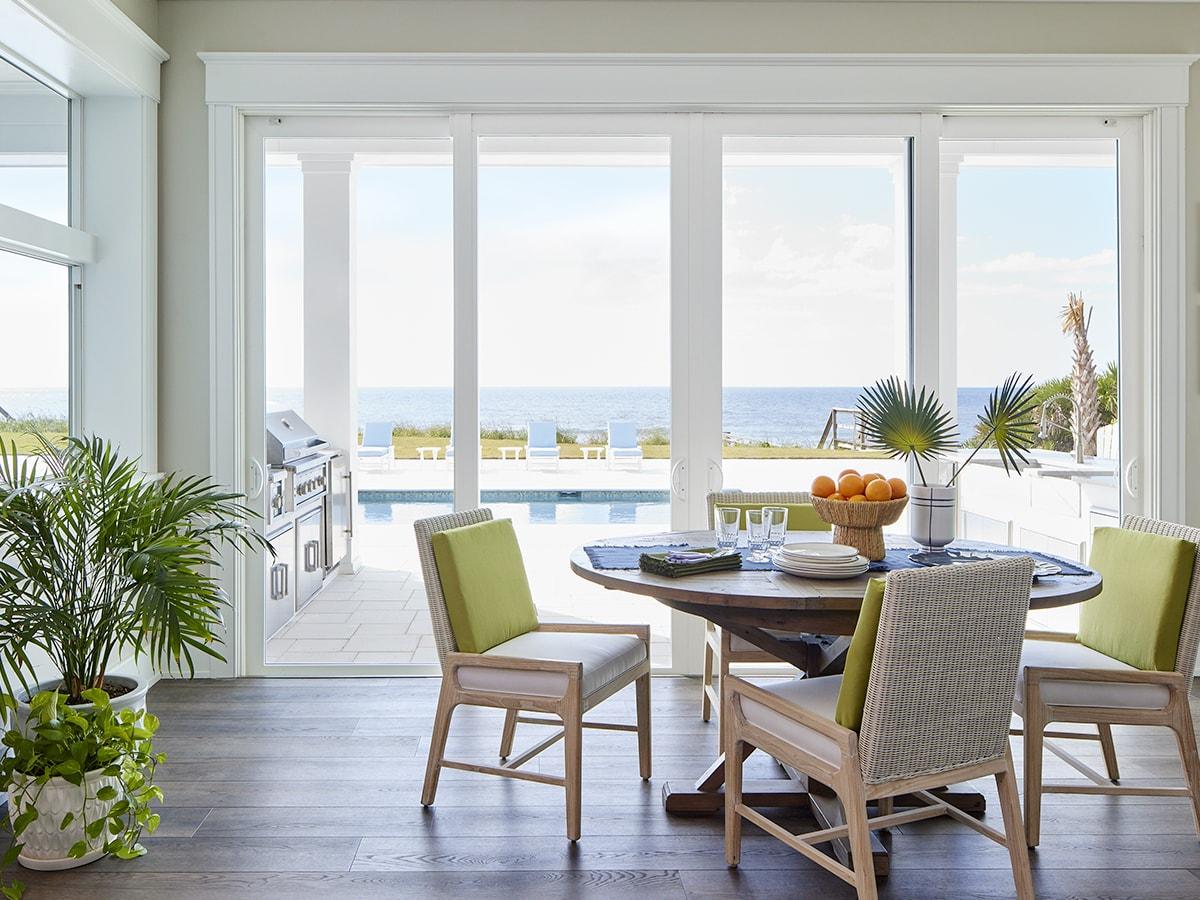
Sliding doors are ideal if you want to maximize your view and have limited floor space, as they glide horizontally along a track. The CWS® ICON Aluminum Sliding Door is a fantastic option here, offering incredibly strong, narrow frames that maximize your glass viewing area. French doors offer a classic look and allow you to open both doors wide for maximum airflow, but they require clear swing space inside or outside the room.

Material Considerations: Vinyl vs. Aluminum

Both materials perform exceptionally well in Florida, but they serve different needs:

  • Vinyl (e.g., CWS® WINDPACT): Excellent thermal performance. Vinyl does not conduct heat, keeping the blazing Florida sun from warming up your air-conditioned home. It will never rust, corrode, or need painting.
  • Aluminum (e.g., CWS® ICON): Incredibly strong and structurally rigid. Aluminum allows for larger door panels and thinner frames, making it the go-to choice for modern designs and massive openings. However, it conducts heat more than vinyl.

A Window to door conversion typically costs between $3,500 and $11,000 in the Tampa Bay area, with most homeowners spending around $6,500. This price includes structural engineering, stucco cutting, framing, installing a hurricane-impact door, and final interior drywall and exterior stucco repair. Because Florida building codes require strict wind-borne debris protection, you cannot simply swap these fixtures out without a permit and structural modifications.

This guide is for Tampa homeowners who want to turn an underutilized window into a beautiful, functional entryway to their patio, pool deck, or backyard. Below, we will break down the real-world costs, local permitting rules, and the step-by-step construction process we use everyday at STH Windows & Doors.

Why Convert a Window to a Door? for Window To Door Conversion

Window To Door Conversion - illustration
Window To Door Conversion

Most homes in older Tampa neighborhoods like Seminole Heights, South Tampa, or Carrollwood were built with traditional layouts that keep the backyard isolated. A single window in a dining room or master bedroom often looks out over a beautiful pool or patio, but offers no way to get there. Converting that window into a door completely changes how you live in your home.

Improving Indoor-Outdoor Flow

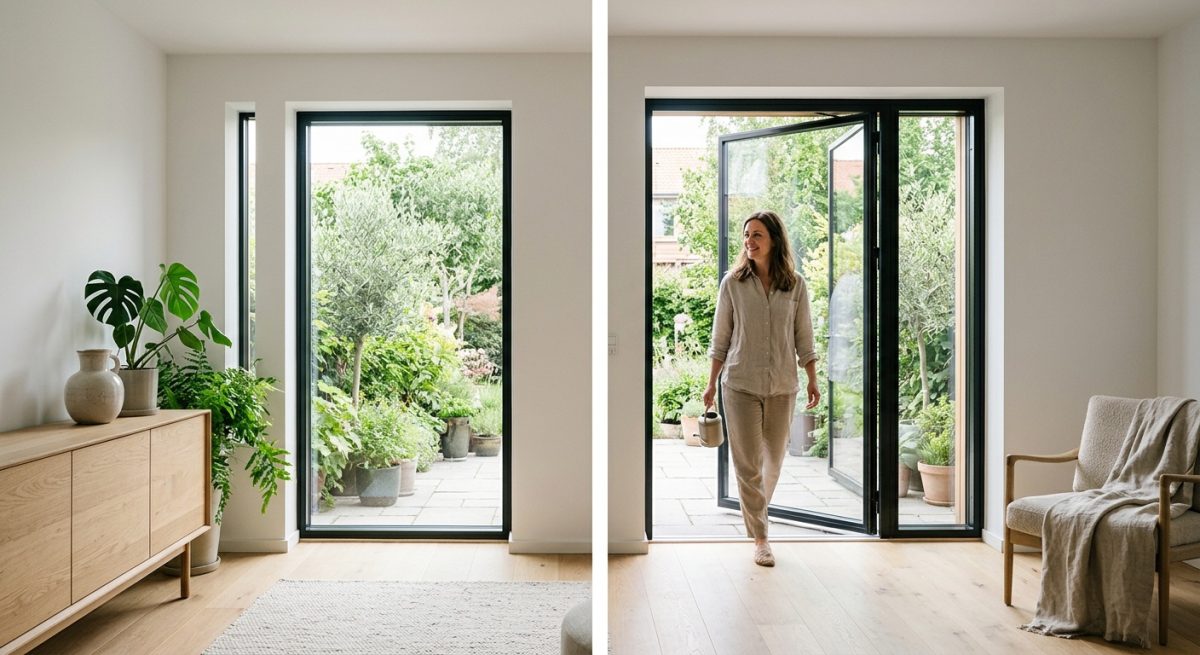
Tampa living is all about the outdoors, especially during our gorgeous fall and winter months. Replacing a standard double-hung window with a wide opening creates an immediate connection to your outdoor living space. It turns an isolated backyard patio into an extension of your kitchen or living room, which is perfect for hosting weekend barbecues or watching the kids swim.

Increasing Natural Light and Property Value

Glass doors let in significantly more sunlight than standard windows. By opening up a dark wall, you instantly make the interior room feel larger and more inviting. From a resale perspective, modern buyers in Florida heavily favor homes with open floor plans and direct backyard access. A seamless transition to a lanai is a major selling point that directly boosts your property value.
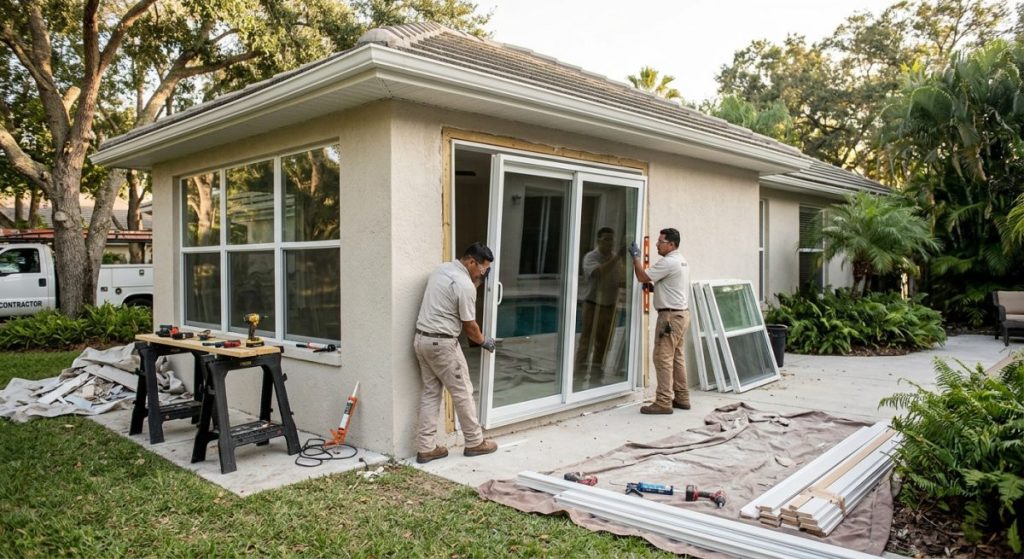
Average Cost of a Window to Door Conversion in Tampa

The total cost of your project depends heavily on the size of the opening, whether we have to cut horizontally into your wall, and the specific door you choose. Cutting a wall vertically (underneath an existing window) is relatively straightforward because the existing header above the window already supports the structural load. Cutting horizontally to make the opening wider requires a new, larger header, which increases labor and engineering costs.

Material Costs by Door Type

The door itself represents a major portion of your budget. In coastal Hillsborough County, you should install impact-rated doors to protect against hurricane-force winds and meet local building codes.

Door Type & Material Average Material Cost Range Best Suited For
CWS® WINDPACT Vinyl Sliding Patio Door $2,500 – $4,500 Excellent energy efficiency, low maintenance, and severe storm protection.
CWS® ICON Aluminum Sliding Door $3,200 – $5,500 Maximum structural strength, slim profiles, and modern aesthetics.
Euro-Wall’s Euro Pivot™ (Aluminum/Wood) $8,000 – $15,000+ Grand, high-end architectural entryways up to 14 feet tall.
Standard Impact French Doors (Fiberglass) $2,000 – $4,500 Traditional styling with excellent insulation and durability.

Structural and Labor Expenses

Labor in the Tampa Bay area typically ranges from $1,500 to $4,500 for a standard conversion. This includes hiring a structural engineer (usually $500 to $800 if modifying the header), pulling permits, cutting through exterior stucco and concrete block (masonry), framing the new opening, installing the door, and applying new exterior stucco and interior drywall finish.

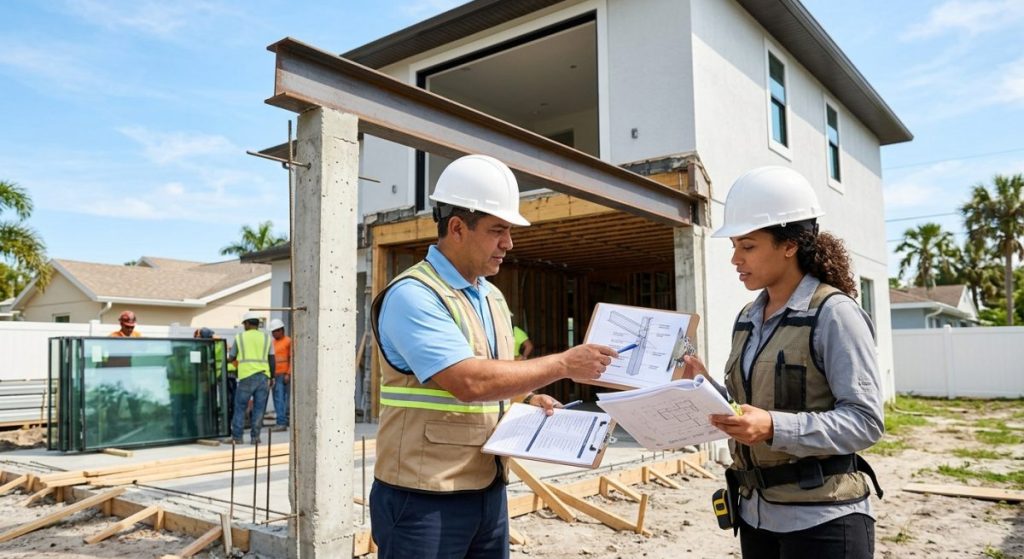
Why Convert a Window to a Door? illustration for window to door conversion
Why Convert a Window to a Door? - window to door conversion

Permits and Tampa Building Codes for Structural Changes

You cannot bypass the city or county on this project. Because a window to door conversion involves an exterior wall modification, you must obtain a building permit.

“In Florida, any project that alters the structural envelope of your home or changes the emergency exit (egress) paths requires a building permit. Failing to pull one can result in hefty fines, code enforcement stop-work orders, and major headaches when you try to sell your home.”

Do You Need a Permit for a Window to Door Conversion?

Yes. Whether you live within Tampa city limits or in unincorporated Hillsborough County, you need a permit. The permitting process ensures that the structural integrity of your home is maintained when the wall is cut, and that the new door meets local wind-load requirements.

Pro Tip: If your home is located in a historic district like Ybor City or Hyde Park, you will also need approval from the Barrio Latino Commission or the Architectural Review Commission (ARC) before any exterior work begins.

Florida Building Code and Impact Ratings

Tampa is located in a Wind-Borne Debris Region. Under the current Florida Building Code, any new or replacement glass door must either be impact-rated (often called hurricane glass) or be protected by approved hurricane shutters. At STH Windows & Doors, we highly recommend installing dedicated impact-rated doors like the CWS® WINDPACT Vinyl Sliding Patio Door. This eliminates the hassle of putting up heavy shutters when a storm enters the Gulf.

The Step-by-Step Window to Door Conversion Process

Converting a window into a door is a highly coordinated structural modification. Here is how our team executes the process from start to finish:

  1. Planning and Structural Assessment: We inspect the wall for load-bearing status, electrical outlets, light switches, and plumbing lines. If we are widening the opening, we calculate the load requirements for the new header.
  2. Demolition and Wall Cutting: After sealing off the interior room with plastic sheeting to control dust, we remove the old window. We then perform precise stucco cutting on the exterior and cut through the interior drywall and studs (or concrete block) down to the floor level.
  3. Framing and Header Installation: For wood-frame homes, we build out the new door frame and install a structural header if the opening was widened. For concrete block homes, we install pressure-treated wood bucks along the concrete opening to secure the new door frame.
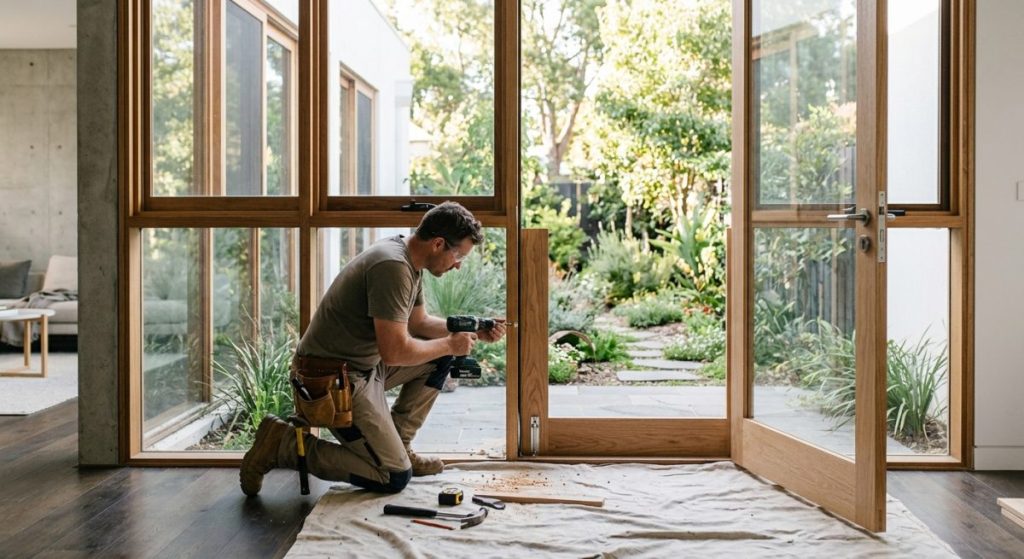
  4. Door Installation and Weatherproofing: We level, shim, and bolt the new door frame into place. Next, we apply heavy-duty flashing, industrial-grade sealants, and expanding foam to ensure a completely airtight and waterproof seal that can withstand Florida’s torrential summer rains.
  5. Finishing Touches: We patch the exterior stucco to match your home’s existing texture, repair the interior drywall, install interior trim, and paint the affected areas.
Key Takeaway: Water intrusion is the number one cause of post-installation damage in Florida. Ensuring your contractor uses proper sill flashing and high-performance exterior sealants is critical to protecting your home from wood rot and mold.
Average Cost of a Window to Door Conversion in Tampa illustration for window to door conversion
Average Cost of a Window to Door Conversion in Tampa - window to door conversion

Choosing the Right Door for Your Florida Home

Selecting the right door style and material is crucial for long-term satisfaction. Tampa’s intense heat, high humidity, and salty coastal air will quickly ruin cheap materials.

Sliding Glass Doors vs. French Doors

Sliding doors are ideal if you want to maximize your view and have limited floor space, as they glide horizontally along a track. The CWS® ICON Aluminum Sliding Door is a fantastic option here, offering incredibly strong, narrow frames that maximize your glass viewing area. French doors offer a classic look and allow you to open both doors wide for maximum airflow, but they require clear swing space inside or outside the room.

Material Considerations: Vinyl vs. Aluminum

Both materials perform exceptionally well in Florida, but they serve different needs:

  • Vinyl (e.g., CWS® WINDPACT): Excellent thermal performance. Vinyl does not conduct heat, keeping the blazing Florida sun from warming up your air-conditioned home. It will never rust, corrode, or need painting.
  • Aluminum (e.g., CWS® ICON): Incredibly strong and structurally rigid. Aluminum allows for larger door panels and thinner frames, making it the go-to choice for modern designs and massive openings. However, it conducts heat more than vinyl.

Case Study: South Tampa Patio Transformation

To see how this works in the real world, let’s look at a recent project we completed for a homeowner in South Tampa.

The Challenge: Dark Dining Room with No Backyard Access

The homeowner had a beautiful backyard pool deck, but the dining room at the back of the house only had a single, 36-inch wide double-hung window. The room felt dark, isolated, and the family had to walk all the way through the kitchen and laundry room just to access the pool area.

The Solution and Results

We obtained the necessary permits from the City of Tampa, engineered a new header, and cut the concrete block wall to accommodate a 72-inch wide opening. We installed a high-performance CWS® WINDPACT Vinyl Sliding Patio Door with impact-resistant glass. Within three days of construction, the dining room was flooded with natural light, and the family gained direct, beautiful access to their pool deck. The vinyl frame also helped keep their energy bills low despite the significantly larger glass area.

Permits and Tampa Building Codes for Structural Changes illustration for window to door conversion
Permits and Tampa Building Codes for Structural Changes - window to door conversion

Key Takeaways: Planning Your Conversion Successfully

If you are planning a window to door conversion, keep these three essential rules in mind:

  • Always pull a permit: Protect your home’s resale value and structural safety by ensuring the work is fully permitted and inspected.
  • Invest in impact glass: Skip the shutters and choose high-quality impact-rated doors like CWS® or Euro-Wall to keep your home safe during hurricane season.
  • Hire a specialist: Cutting into your home’s exterior envelope requires precise stucco work, structural framing, and waterproofing. It is not a project to trust to a general handyman or a DIY attempt.

Frequently Asked Questions

Can you convert a window to a door without a permit in Tampa?

No, you absolutely cannot bypass the local building department. Both the City of Tampa and Hillsborough County require an official building permit for this project because it alters an exterior, load-bearing wall. Doing this work without a permit can lead to costly code violations, heavy fines, and severe issues when selling your property.

How long does a window to door conversion take?

The physical construction and installation usually take 2 to 3 days. However, the entire process—including obtaining structural engineering plans, pulling county permits, and ordering custom impact doors—typically takes 4 to 8 weeks from start to finish. Our specialized team works efficiently to minimize any household disruption.

Does Florida law require impact-resistant glass for new doors?

Yes, Florida building codes require all new exterior glass doors in wind-borne debris regions to be impact-rated or protected by hurricane shutters. Installing impact-rated glass is the safest, most convenient, and aesthetically pleasing way to meet this strict regulatory requirement for local homes.

Can I DIY a window to door conversion?

We highly recommend against trying to do this yourself. Cutting concrete block or exterior stucco, installing structural headers, and ensuring a 100% waterproof seal against Florida’s heavy rains require specialized equipment and professional experience to prevent structural failure, leaks, or dangerous mold growth in your walls.

For a deeper look, see 5 Critical Window Door Price Mistakes to Avoid 2026.

Ready to Transform Your Tampa Home?

Don’t let a dark room block your access to paradise. Contact our licensed window and door specialists today for a free, no-obligation consultation on your window-to-door conversion.

Get Your Free Quote

Recommended Products

Based on this article, here are products that might help you:

CWS® WINDPACT Vinyl Sliding Patio Door product image

CWS® WINDPACT Vinyl Sliding Patio Door

Gliding horizontally along a track, CWS WindPact vinyl impact sliding patio doors protect homes from…

View Product
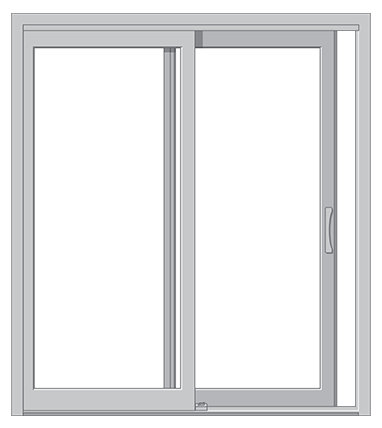
CWS® ICON Aluminum Sliding Door product image

CWS® ICON Aluminum Sliding Door

Feel safe and secure. CWS Icon aluminum impact sliding patio door feature aluminum panels and…

View Product
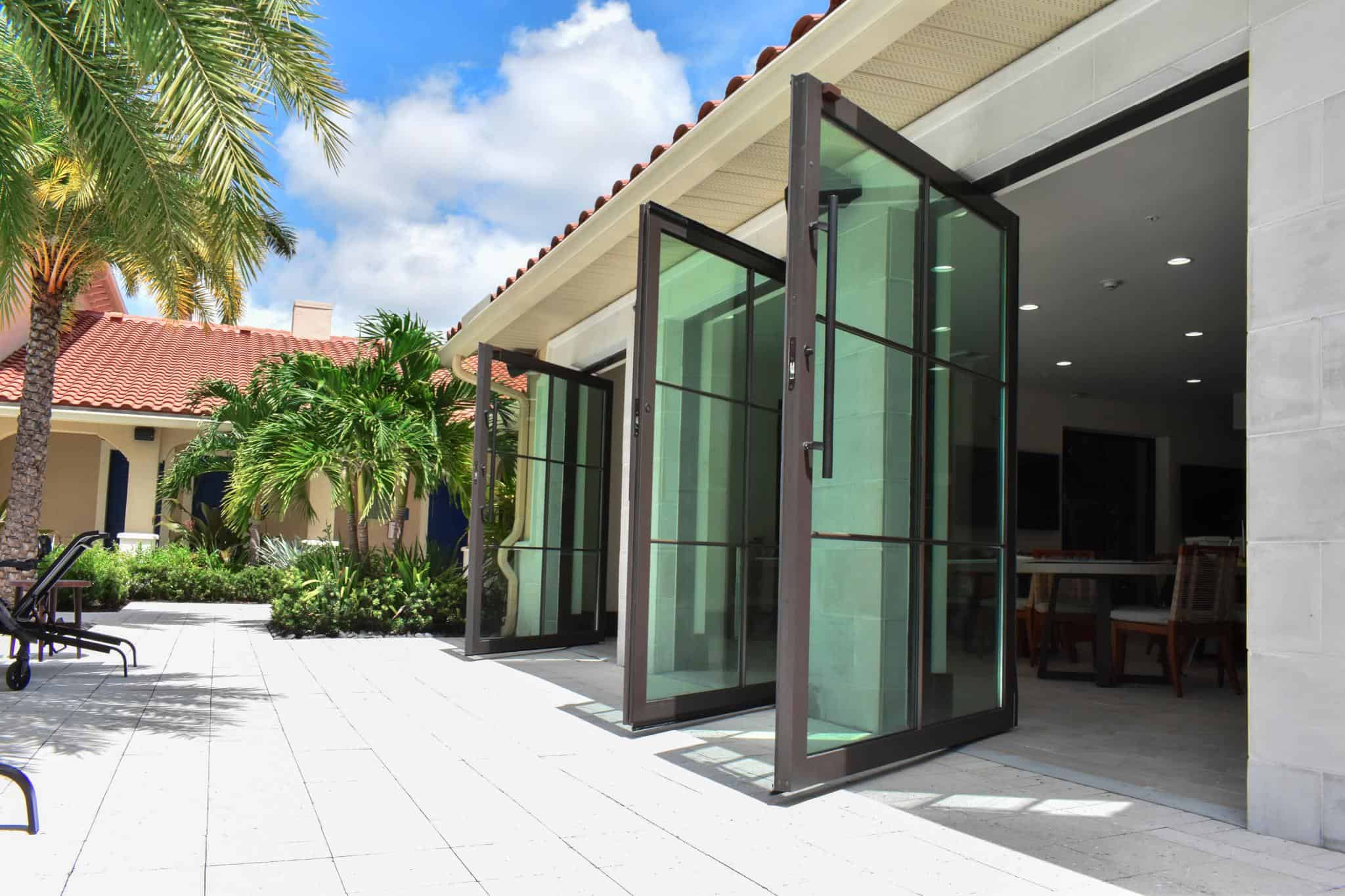
Euro-Wall's Euro Pivot product image

Euro-Wall's Euro Pivot

Euro-Wall's Euro Pivot™ door comes in aluminum or aluminum with wood clad. The Euro Pivot™…

View Product

Frequently Asked Questions

No. Because converting a window to a door involves altering an exterior, load-bearing wall and potentially changing the egress of the home, both the City of Tampa and Hillsborough County require a building permit.
The physical construction and installation usually take 1 to 3 days. However, the entire process—including architectural drafting, permitting, and custom door manufacturing—can take 4 to 8 weeks.
Yes. Under the Florida Building Code, replacement doors and window-to-door conversions in wind-borne debris regions (which includes the Tampa Bay area) must use impact-rated glass or have approved hurricane shutters.
While possible for highly experienced DIYers, it is strongly discouraged. Cutting into load-bearing walls, rerouting electrical lines, maintaining structural integrity, and ensuring waterproof sealing in Florida’s rainy climate are best left to licensed and insured contractors.
★  Free Consultation

Ready to Transform Your Tampa Home?

Don't let a dark room block your access to paradise. Contact our licensed window and door specialists today for a free, no-obligation consultation on your window-to-door conversion.

✔  No obligation✔  Free quote✔  Expert advice