8414 Sabal Industrial Blvd, Tampa, FL 33619

Hurricane Strong. STH Strong

Mon – Fri 8:00AM – 5:00OM / Sat-Sun – Closed

My Windows and Doors Do Not Lock: Troubleshooting Common Issues

July 12, 2026 · Reading time: ~9 min

My Windows and Doors Do Not Lock: Troubleshooting Common Issues - featured image
My Windows and Doors Do Not Lock: Troubleshooting Common Issues

Key Takeaways

Key Takeaway: Regular maintenance is the secret to avoiding lock failures. Clean your tracks twice a year, use dry lubricants instead of oil-based sprays, and never force a stubborn lock. If your frames are warped or rotting, upgrading to modern, hurricane-rated products is the only way to guarantee long-term security and energy efficiency in our coastal climate.

My Windows And Doors: The Security Risks of Malfunctioning Window and Door Locks

My Windows And Doors - illustration
My Windows And Doors

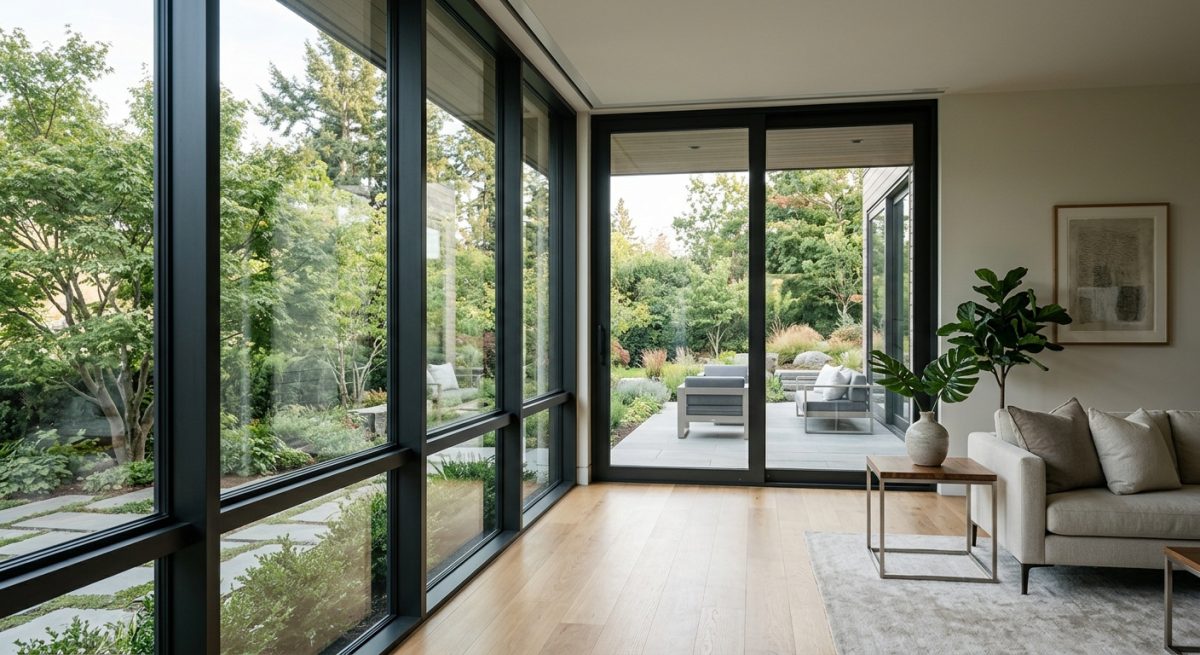
When my windows and doors do not lock, my home security is immediately compromised, leaving my family and belongings vulnerable. If you are struggling with a latch that won’t catch or a deadbolt that refuses to turn, the core issue is usually a mix of structural settling, hardware wear, or climate-induced warping. This guide is for Tampa homeowners who need to diagnose why their home entry points are failing to secure properly and want to know how to fix them before security is compromised.

A lock that almost works is functionally identical to no lock at all. Home security experts frequently point out that opportunistic intruders look for the path of least resistance, and a stubborn latch or misaligned deadbolt is often all the invitation they need to gain entry to your home.

Why Home Security Starts at the Entry Point

It is a simple reality: most residential break-ins are crimes of opportunity. Intruders do not want to smash heavy glass if they can avoid it; it is noisy, dangerous, and attracts immediate attention. Instead, they test the handles. If your sliding door won’t latch or a window lock is left disengaged because the sash is misaligned, you are essentially leaving the front gate wide open. Ensuring every single latch clicks home perfectly is your first and best line of defense.

The Impact of Tampa’s Climate on Lock Mechanisms

Living here in the Tampa Bay area means dealing with intense environmental factors that standard hardware simply was not designed to handle long-term. Our brutal summer heat, relentless humidity, and salty coastal air act as a triple threat to your home’s moving parts. Moisture causes wooden frames to swell, while salt air accelerates the oxidation of internal lock springs and latches. If you live near Bayshore Boulevard or out on the Gulf beaches, your hardware is working twice as hard to fight off corrosion compared to a home inland.
Why My Windows and Doors Won’t Lock: Common Culprits

Before you grab a hammer or call in a professional for Tampa replacement windows, you need to understand exactly what is causing the failure. In our years servicing homes across Hillsborough County, we have found that lock failures almost always boil down to three main culprits.

Symptom Primary Cause Most Common Material Affected
Latch hits above or below the strike plate Foundation settling or hinge sag Wood and heavy entry doors
Key lock turns but won’t engage Internal corrosion or debris buildup All metal hardware (especially near salt air)
Sash won’t push far enough to lock Frame warping or track obstruction Low-grade vinyl and wood windows

Foundation Settling and Frame Misalignment

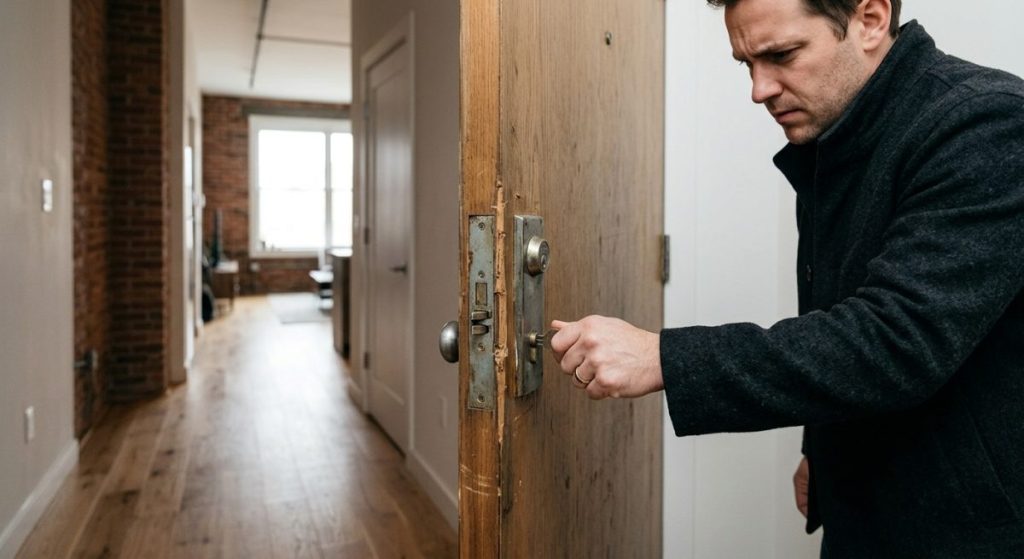
Florida’s sandy soil is notorious for shifting, especially during our heavy summer rainy seasons. As your foundation settles, your home’s rough openings can shift ever so slightly. A fraction of an inch of movement is more than enough to throw off door lock alignment. When the deadbolt no longer lines up perfectly with the hole in the strike plate, the lock will jam, leaving you unable to turn the key or thumbturn.

Hardware Corrosion and Debris Buildup

Salt air, windblown sand, and everyday household dust create a gritty paste inside your lock chambers and tracks. Over time, this buildup jams the tiny springs and pins inside your cylinders. On sliding patio doors, pet hair and dirt clog the bottom tracks, preventing the door from sliding completely into the pocket, which stops the lock hook from reaching the keeper.

Warping from Extreme Heat and Moisture

Cheap vinyl windows and older wood frames do not fare well under the Florida sun. Wood absorbs moisture and swells, while low-quality vinyl can warp and bow when exposed to direct, intense sunlight. Once a frame loses its square shape, the locking mechanisms will no longer line up, making it impossible to secure the window without forcing it.

My Windows And Doors: Step-by-Step Troubleshooting for Stubborn Window Locks

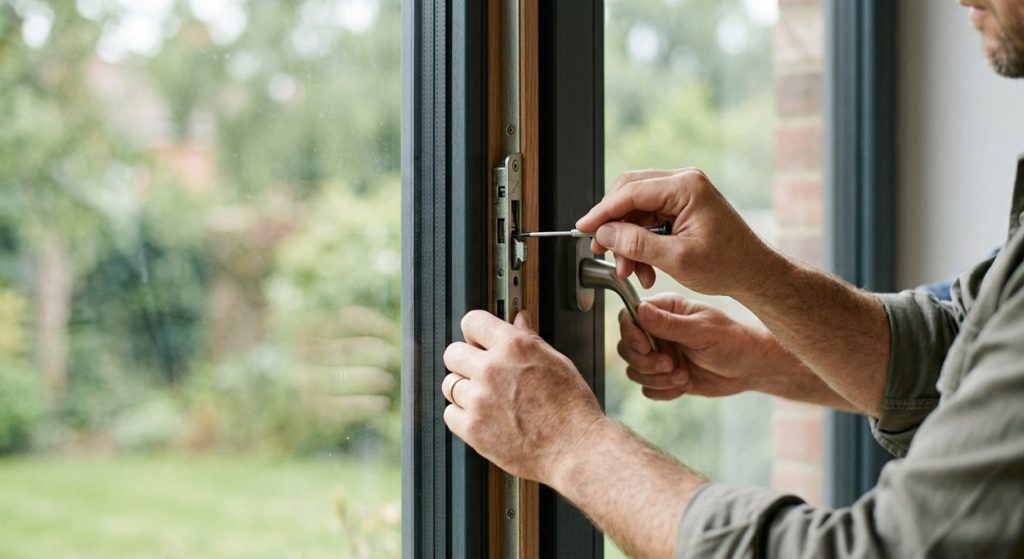
If you are dealing with a window lock that refuses to close, do not force the latch. You risk snapping the hardware entirely. Instead, follow this systematic window lock troubleshooting process to identify and fix the issue.

  1. Clean and Clear the Tracks: Open the window fully. Use a shop vac with a crevice tool to suck out all loose dirt, bugs, and debris from the bottom track. Wipe it down with a damp microfiber cloth and a mild soap solution.
  2. Inspect and Tighten Loose Hardware: Check the screws holding both the lock latch and the keeper (the piece the lock grabs onto). If these screws are loose, the hardware will wiggle and misalign. Tighten them with a hand screwdriver—avoid power drills, which can easily strip the threads in vinyl or wood.
  3. Lubricate the Locking Mechanism: Spray the moving parts of the lock with a dry lubricant. Work the latch back and forth several times to distribute the lubricant throughout the internal mechanism.
Pro Tip: Never use WD-40 on your window tracks or locks. WD-40 is a wet lubricant that acts like a magnet for dirt, dust, and pet hair. Within a few months, it will create a sticky grime that makes your lock issues significantly worse. Always use a dry silicone or Teflon-based spray.
The Security Risks of Malfunctioning Window and Door Locks illustration for my windows and doors
The Security Risks of Malfunctioning Window and Door Locks - my windows and doors

How to Fix Sliding and Entry Door Lock Failures

Doors require a bit more muscle and different tactics than windows, simply because they are heavier and used much more frequently.

Adjusting Sliding Glass Door Rollers and Latches

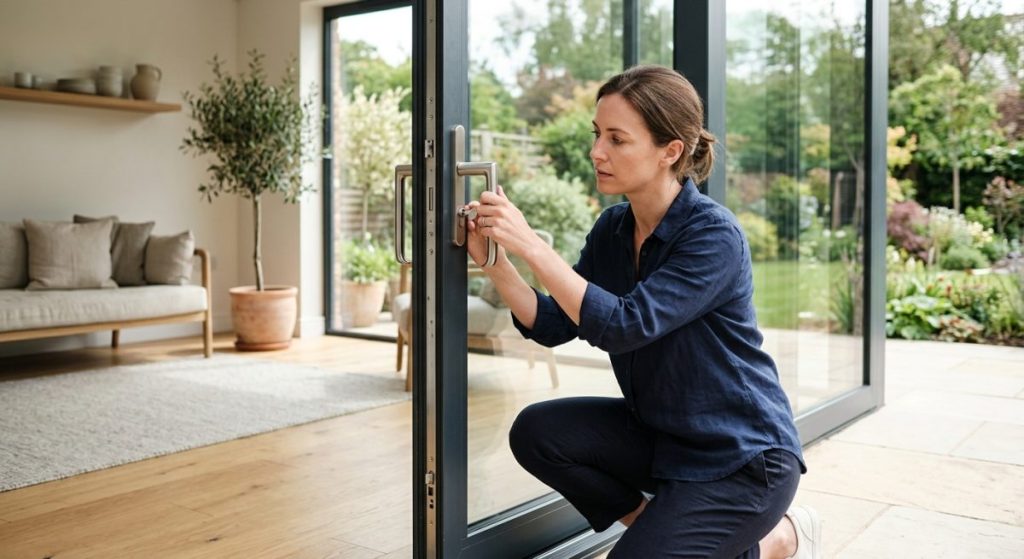
When a sliding door won’t latch, the culprit is almost always the rollers at the bottom of the door. Over time, these rollers wear down, causing the entire door to sag. Look for two small adjustment holes at the bottom edge of your sliding door frame. Insert a screwdriver to turn the adjustment screws. Turning them clockwise will raise the door, lifting the latch back into alignment with the keeper on the frame.

Fixing Sagging Hinges on Entry Doors

Heavy wood or fiberglass entry doors put incredible strain on their top hinges. If your door is dragging on the threshold or the deadbolt is hitting the strike plate, check the top hinge. Often, the screws have pulled loose from the wooden framing. Replace the standard short screws with heavy-duty 3-inch wood screws. This will pull the door jamb tight against the structural wall studs, lifting the entire door back into its proper position.

Realigning the Strike Plate

If your door closes but the deadbolt won’t throw, look closely at where the bolt hits the strike plate on the door frame. If it is only off by a millimeter or two, you do not need to move the whole plate. You can use a small metal file to widen the opening of the strike plate, allowing the bolt to slide in smoothly without rubbing.

DIY Repairs vs. Professional Replacement: Weighing Your Options

Sometimes a quick fix is all you need to get another few years out of your hardware. Other times, you are simply putting a band-aid on a structural failure that compromises your home’s safety.

When a Quick Fix is Enough

  • The lock works smoothly when the door or window is open, meaning it is just a simple alignment issue.
  • The hardware is dirty or dry but otherwise structurally sound.
  • A loose screw just needs to be tightened or replaced.

Signs You Need Professional Replacement

  • The vinyl frame is visibly bowed, cracked, or yellowed from sun damage.
  • Wood frames show signs of soft, crumbling wood rot.
  • Your double-pane glass is constantly foggy or filled with condensation, indicating a failed seal.
  • The door or window is drafty, letting in hot Tampa humidity and driving up your electric bills.
Advantages of Upgrading to Impact Products
  • Built-in heavy-duty multi-point locking systems that are nearly impossible to force open.
  • Reinforced aluminum or premium vinyl frames that will not warp in the Florida heat.
  • Superior wind and debris resistance during hurricane season.
  • Drastic reduction in monthly cooling costs and outside noise.
Drawbacks of Relying on DIY Patches
  • Temporary fixes do not address underlying structural rot or frame warping.
  • Old, single-pane glass remains vulnerable to both break-ins and storms.
  • Repeatedly adjusting sagging doors eventually strips out the framing entirely.
Why My Windows and Doors Won't Lock: Common Culprits illustration for my windows and doors
Why My Windows and Doors Won't Lock: Common Culprits - my windows and doors

Key Takeaways for Keeping Your Home Secure

Key Takeaway: Regular maintenance is the secret to avoiding lock failures. Clean your tracks twice a year, use dry lubricants instead of oil-based sprays, and never force a stubborn lock. If your frames are warped or rotting, upgrading to modern, hurricane-rated products is the only way to guarantee long-term security and energy efficiency in our coastal climate.

Frequently Asked Questions

Why is my window latch not reaching the keeper?

This is usually caused by dirt buildup in the tracks preventing the window from closing fully, or frame warping due to heat and house settling. Clean the tracks first, and check if the sash is sitting level. If the frame is permanently warped, the window may need to be replaced.

Can I use WD-40 to lubricate my window and door locks?

It is not recommended. WD-40 is a solvent that can attract dust, dirt, and sand—especially in Florida—which will eventually gum up the lock mechanism. Use a dry Teflon or silicone-based lubricant instead to keep the parts moving freely without attracting debris.

How do I know if my sliding glass door lock is broken or just misaligned?

If the lock latch moves freely when the door is open but won’t lock when closed, it is an alignment issue caused by worn rollers or a shifted frame. If the key or latch won’t turn at all when the door is open, the lock mechanism itself is likely broken and needs replacement.

Does Florida’s humidity affect how my doors lock?

Yes, high humidity causes wood doors to swell and can cause low-grade vinyl or metal frames to warp. This expansion prevents the door latch from aligning perfectly with the strike plate on the door frame, making it difficult or impossible to lock without force.

Step-by-Step Troubleshooting for Stubborn Window Locks illustration for my windows and doors
Step-by-Step Troubleshooting for Stubborn Window Locks - my windows and doors

Protect Your Tampa Home Today: Secure Your Windows and Doors

If you have cleaned the tracks, adjusted the rollers, tightened the hinges, and your entry points still refuse to lock properly, it is time to face the facts. Older, worn-out frames pose a genuine security risk to your home. Here at STH Windows & Doors, we specialize in installing high-performance, hurricane impact doors and premium Tampa replacement windows designed specifically to withstand the unique demands of our Florida climate.

For a deeper look, see Wincore Doors Review: Product Lines, Materials, and Performance.

Our professional services go far beyond simple visual upgrades. We conduct a comprehensive structural evaluation of your current openings, addressing hidden framing issues, rot, and settlement damage before installing your custom-fitted replacements. By utilizing heavy-duty multi-point lock systems, structural metal reinforcements, and impact-resistant glass, we ensure that your home remains completely sealed against both forced entry and severe tropical weather. Upgrading your home with these advanced systems eliminates the endless cycle of temporary repairs and gives you permanent peace of mind.

Don’t leave your home’s safety to chance with temporary fixes on failing hardware. Contact our local Tampa team today to schedule your free, no-pressure consultation, and let us help you find the perfect, secure, and energy-efficient solution for your home with premium Tampa replacement products. Our experienced specialists are ready to guide you through selecting the ideal materials, ensuring your home remains beautiful, insulated, and fully protected for years to come.

Frequently Asked Questions

This is usually caused by dirt buildup in the tracks preventing the window from closing fully, or frame warping due to heat and house settling. Clean the tracks first, and check if the sash is sitting level.
It is not recommended. WD-40 is a solvent that can attract dust, dirt, and sand—especially in Florida—which will eventually gum up the lock mechanism. Use a dry Teflon or silicone-based lubricant instead.
If the lock latch moves freely when the door is open but won’t lock when closed, it is a misalignment issue caused by worn rollers or a shifted frame. If the key or latch won’t turn at all when the door is open, the lock mechanism itself is likely broken.
Yes, high humidity causes wood doors to swell and can cause low-grade vinyl or metal frames to warp. This expansion prevents the door latch from aligning perfectly with the strike plate on the door frame.
★  Free Consultation

Secure Your Tampa Home with Flawless Windows and Doors

If troubleshooting hasn't solved your lock issues, warped frames or worn-out hardware may be putting your home security at risk. Contact our local Tampa experts today for a free consultation and upgrade to secure, energy-efficient windows and doors.

✔  No obligation✔  Free quote✔  Expert advice