8414 Sabal Industrial Blvd, Tampa, FL 33619

Hurricane Strong. STH Strong

Mon – Fri 8:00AM – 5:00OM / Sat-Sun – Closed

Sliding Glass Doors in Tampa, FL: Building Code Rules

July 29, 2026 · Reading time: ~11 min

Sliding Glass Doors in Tampa, FL: Building Code Rules - featured image
Sliding Glass Doors in Tampa, FL: Building Code Rules

Key Takeaways

  • Sliding Glass Doors Tampa Fl: Why Tampa Building Codes Dictate Your Sliding Door Choices
  • Sliding Glass Doors Tampa Fl: Wind-Borne Debris Regions and Design Pressure (DP) Ratings
  • Sliding Glass Doors Tampa Fl: Choosing Impact-Resistant Sliding Glass Doors in Tampa, FL
  • Energy Efficiency and Florida Energy Code Compliance
  • Frame Materials: Balancing Code Strength with Florida’s Climate

In Tampa, installing or replacing a sliding glass door is not just a matter of picking a frame style and enjoying your backyard view. Under the current Florida Building Code, any new Sliding glass doors tampa fl homeowners install must meet strict wind-load, impact-resistance, and energy-efficiency standards. Because our coastal region is highly susceptible to tropical storms and hurricanes, you must install either hurricane-rated impact glass doors or standard doors protected by approved shutters, and the project requires a municipal permit. This guide is for Tampa homeowners who need to replace an old patio door but want to avoid costly code violations, failed inspections, and safety hazards during hurricane season. At STH Windows & Doors, we handle these local regulations daily, ensuring your home stays safe, legal, and structurally sound.

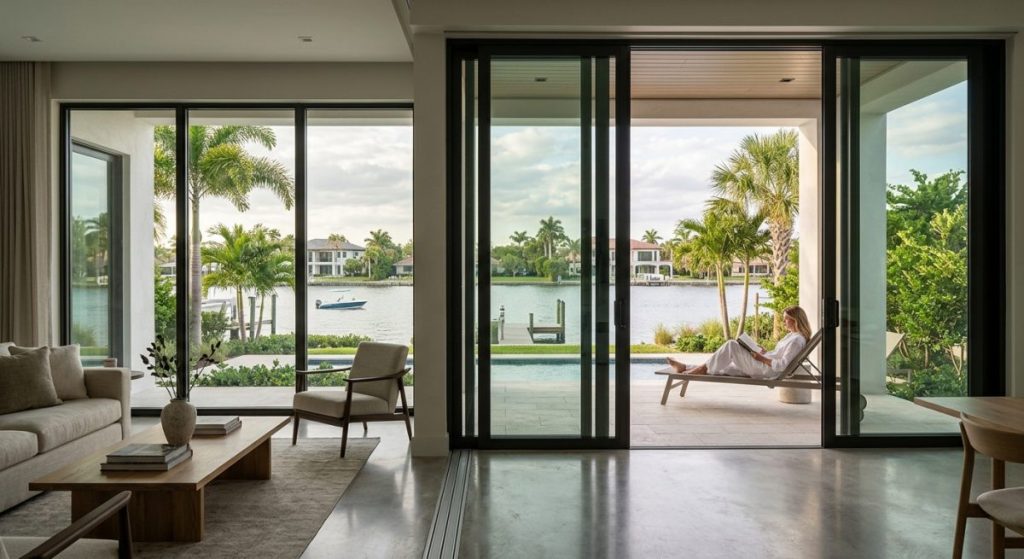
Sliding Glass Doors Tampa Fl: Why Tampa Building Codes Dictate Your Sliding Door Choices

Sliding Glass Doors Tampa Fl - illustration
Sliding Glass Doors Tampa Fl

Tampa’s geographical positioning makes it a prime target for extreme weather. Because of this, the state of Florida has established some of the toughest building codes in the nation. When you replace an exterior door, you are not just updating your home’s aesthetics—you are altering its structural envelope. If a sliding door fails during a storm, the sudden change in internal pressure can literally blow the roof off your house. That is why local building departments enforce strict compliance for every single installation.

The Evolution of the Florida Building Code (FBC)

The modern Florida Building Code (FBC) was born out of the devastation of Hurricane Andrew in 1992. Before then, codes were fragmented and inconsistent. Today, the code is updated every three years to incorporate the latest engineering research. Here in 2026, we operate under the strict guidelines of the 8th Edition (2023) FBC, with local amendments specific to Hillsborough County. These updates have continuously raised the bar for structural wind loads and energy efficiency, meaning a sliding door that met code fifteen years ago is nowhere near compliant today.

Why Compliance Matters: Safety, Legality, and Home Value

Cutting corners on your installation is a massive financial and safety risk. First, ignoring Hillsborough county door replacement codes means you will not secure a building permit. When you eventually try to sell your home, unpermitted work will stall the transaction, and home inspectors will flag the non-compliant glass immediately.

Second, your homeowners insurance provider can—and likely will—deny any claims for storm damage if they discover your sliding doors were installed without permits or did not meet local wind-load requirements. Most importantly, code-compliant doors keep your family safe. They are engineered to stay locked in their tracks, resist water intrusion during torrential downpours, and withstand flying debris.
Sliding Glass Doors Tampa Fl: Wind-Borne Debris Regions and Design Pressure (DP) Ratings

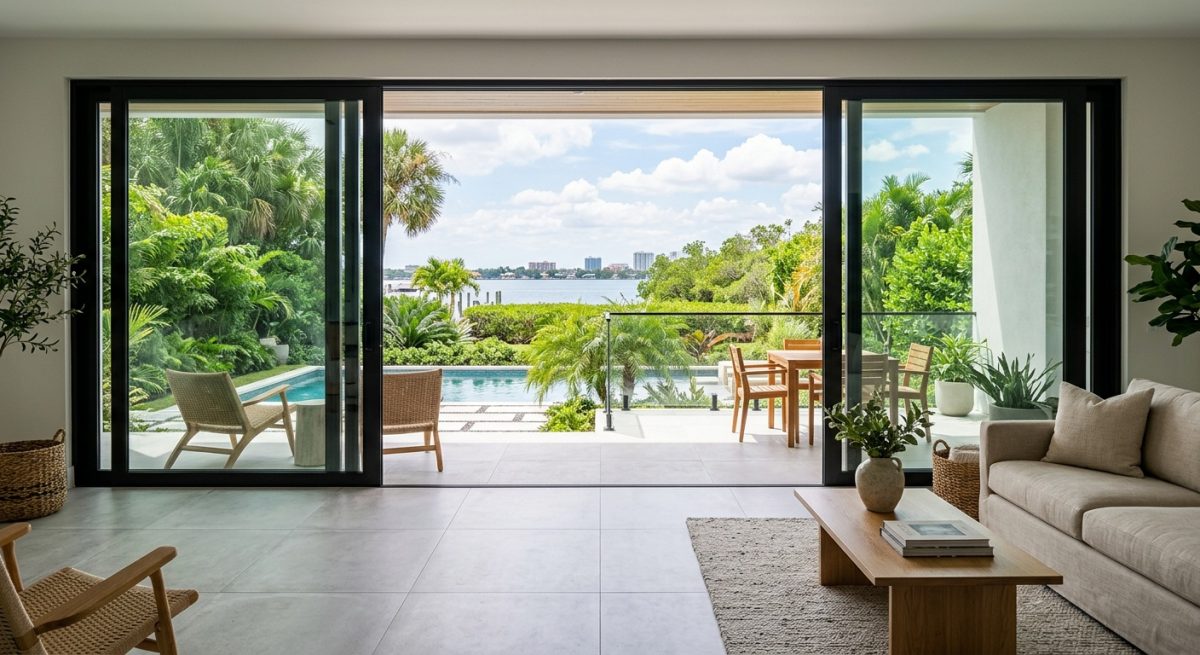
To choose the right door, you have to understand how building officials view your home’s location. The FBC classifies areas based on their historical wind speeds and proximity to the coast.

Is Tampa in a Wind-Borne Debris Region?

Yes, Tampa is located within a Wind-Borne Debris Region (WBDR). In Hillsborough County, the designated wind speed zone ranges from 140 to 150 mph. Because of this classification, the FBC mandates that all glazed openings—including windows and sliding glass doors—must have impact protection. This means you must either install certified Impact glass doors tampa residents trust to withstand flying debris, or you must install standard glass paired with code-approved hurricane shutters.

Understanding Design Pressure (DP) and Performance Grade (PG)

Design Pressure (DP) is a numerical rating that represents a door’s ability to withstand wind and water forces. It measures three things: positive wind pressure (wind pushing against the glass), negative wind pressure (wind pulling the door outward), and water resistance.

In the Tampa Bay area, a sliding door typically requires a minimum DP rating of +30/-30, but this number can jump significantly. If your home is right on the water in South Tampa, or if you live in a high-rise condominium, your required DP rating will be much higher—often +50/-50 or more. This is because wind speeds increase at higher elevations and across open bodies of water.

Why Tampa Building Codes Dictate Your Sliding Door Choices illustration for sliding glass doors tampa fl
Why Tampa Building Codes Dictate Your Sliding Door Choices - sliding glass doors tampa fl

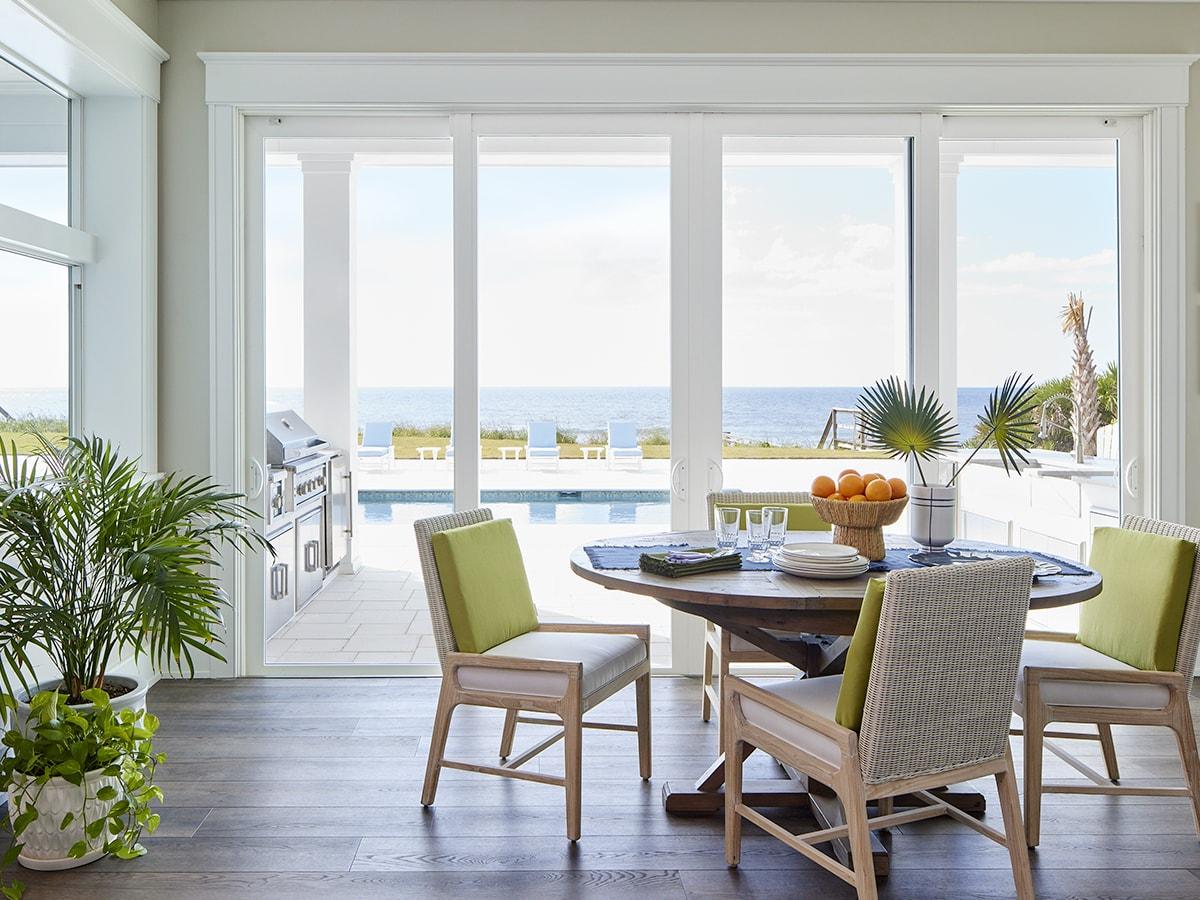
Sliding Glass Doors Tampa Fl: Choosing Impact-Resistant Sliding Glass Doors in Tampa, FL

When upgrading your patio doors, you have two primary pathways to meet the wind-borne debris requirements of the Florida Building Code. You can go with laminated impact glass, or you can use standard glass paired with an approved shutter system.

Laminated Impact Glass vs. Standard Glass with Shutters

Standard glass with shutters is often cheaper upfront, but it requires physical effort. When a storm approaches, you have to manually close heavy metal panels or pull down accordion shutters. If you are out of town when a storm hits, your home is left vulnerable.

Laminated impact glass, on the other hand, provides continuous, passive protection. It consists of two panes of glass bonded together by a strong plastic interlayer (usually polyvinyl butyral, or PVB). Even if the outer glass shatters from a flying tree branch, the interlayer remains intact, keeping the wind and rain outside.

For homeowners looking for top-tier protection, we highly recommend the CWS® WINDPACT Vinyl Sliding Patio Door. Part of the WindPact line from CWS Windows & Doors, these impact-resistant sliding glass doors glide horizontally along a high-performance track. They are specifically engineered to protect Florida homes from strong hurricanes, intruders, and outside noise, making them an ideal, code-compliant choice for Tampa residences.

Feature Laminated Impact Glass Doors Standard Glass + Hurricane Shutters
Storm Readiness Passive (always ready, zero effort) Active (requires manual setup before storm)
Aesthetics Clean, unobstructed views Bulky shutter housings visible on exterior
Intruder Protection Excellent (glass resists forced entry) Only when shutters are closed
Noise Reduction High (laminated interlayer dampens sound) Standard
UV Protection Blocks up to 99% of fading UV rays Minimal (unless shutters are closed)

How Impact Glass Prevents Envelope Breach

Why are building officials so obsessed with keeping your glass intact? It comes down to physics. When a category 3 or 4 hurricane blows out a standard sliding door, a massive volume of high-velocity air rushes into the home. This air has nowhere to go, creating intense internal pressure. At the same time, the wind rushing over your roof creates a vacuum effect, pulling the roof upward. The combination of upward suction and internal pressurization is what causes roofs to lift off their support structures, leading to total home destruction.

“Keeping the envelope of your home sealed during a major windstorm is the single most important factor in preventing catastrophic structural failure.”

Energy Efficiency and Florida Energy Code Compliance

While hurricane protection is critical, your new sliding doors must also comply with the energy conservation requirements of the Florida Building Code. Tampa is located in Climate Zone 2, which means our codes are heavily focused on keeping solar heat out of air-conditioned spaces.

Solar Heat Gain Coefficient (SHGC) Limits in Zone 2

The Solar Heat Gain Coefficient (SHGC) measures how much solar radiation passes through a window or door. The scale runs from 0 to 1, and the lower the number, the less solar heat the glass transmits. Under the Florida Energy Code, new sliding glass doors installed in Tampa must have an SHGC of 0.25 or lower. To achieve this, manufacturers use specialized Low-E (low-emissivity) coatings that reflect infrared heat while letting visible light shine through.

U-Factor Requirements for Thermal Insulation

The U-factor measures how well a door prevents heat from transferring through it. While SHGC deals with direct sunlight, the U-factor deals with the ambient outdoor heat creeping into your cool home. In Tampa, sliding glass doors must meet a maximum U-factor limit (typically 0.40 or lower). Choosing a door with a multi-chambered frame and argon gas fills between the glass panes is the best way to hit these numbers and keep your electric bills manageable during our brutal summers.

Wind-Borne Debris Regions and Design Pressure (DP) Ratings illustration for sliding glass doors tampa fl
Wind-Borne Debris Regions and Design Pressure (DP) Ratings - sliding glass doors tampa fl

Frame Materials: Balancing Code Strength with Florida’s Climate

The frame material you choose impacts both the structural rating of the door and how well it holds up against Tampa’s humid, salty air.

Heavy-Duty Aluminum Frames

Aluminum is incredibly strong, which makes it popular for massive, multi-panel sliding configurations. It easily meets high DP ratings. However, aluminum is highly conductive, meaning it transfers heat quickly from the outside to the inside. If you choose aluminum, you must ensure it has a thermal break to meet local energy codes.

Vinyl Frames for Superior Thermal Performance

Modern vinyl frames, like those used in the CWS® WINDPACT Vinyl Sliding Patio Door, have revolutionized the industry. These frames are constructed with heavy-duty, multi-chambered profiles reinforced with steel or aluminum inserts. This design allows them to easily meet the strict structural wind-load codes of Hillsborough County while offering superior thermal insulation compared to standard aluminum.

Weighing Your Frame Options: Vinyl vs. Aluminum

  • Vinyl Pros: Outstanding thermal insulation (lower energy bills), impervious to salt air corrosion, virtually maintenance-free, and does not require painting.
  • Vinyl Cons: Profiles are slightly thicker than aluminum, which some homeowners find less minimalist.
  • Aluminum Pros: Slimmer frame profiles allow for maximum glass area; highly rigid, making it ideal for massive 4- or 5-panel pocketing doors.
  • Aluminum Cons: Prone to pitting and corrosion near salt water if not regularly cleaned; requires thermal breaks to match vinyl’s energy efficiency.

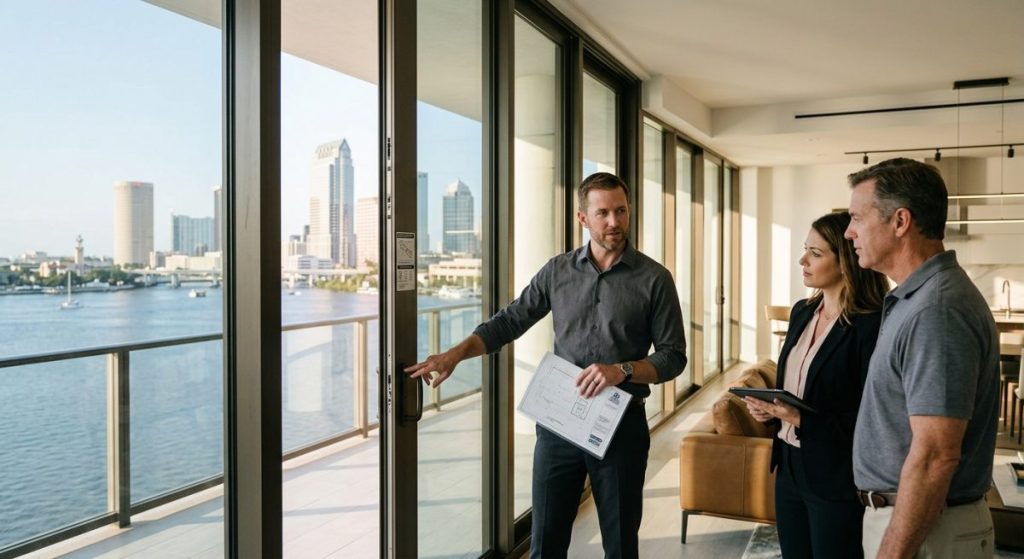
The Tampa Permitting and Inspection Process

You cannot legally install a sliding glass door in Tampa without a permit. Whether you live within the city limits or in unincorporated Hillsborough County, the permitting process is designed to verify that the door you buy is engineered for your specific wind zone.

Why DIY Installation and Unlicensed Contractors Are Risky

Some homeowners attempt to install sliding doors themselves or hire unlicensed handymen to save money. This is a massive mistake. A Sliding door permit tampa application requires detailed engineering paperwork, and the installation must be inspected by a county official. If you bypass this, you face code enforcement fines, and you will likely have to pay a licensed contractor to rip out the door and reinstall it correctly to pass inspection later.

Understanding Florida Product Approval Numbers

When applying for a permit, you must submit the Florida Product Approval number (FL#) for the exact door model you plan to install. This number proves the door has been independently tested and approved for use in high-wind zones. The state maintains a database where these approvals are logged, detailing the maximum allowable dimensions, installation anchoring methods, and DP ratings for each product.

Pro Tip: Always ask your installer for the FL Product Approval sheet before purchasing. If they cannot provide the FL# for your exact door size and configuration, that door cannot legally be installed in Tampa.

To ensure a smooth project, here is the typical permitting and installation checklist we follow at STH Windows & Doors:

  1. Site Assessment: Measure the opening and determine the required DP rating based on wind zone and building height.
  2. Product Selection: Select a code-compliant door, such as the CWS® WINDPACT Vinyl Sliding Patio Door, ensuring it has a valid FL# for your specific opening size.
  3. Permit Submission: Submit the permit application to the City of Tampa or Hillsborough County, including the FL# paperwork, site plan, and anchoring details.
  4. Professional Installation: Install the door strictly adhering to the manufacturer’s approved anchoring schedule (screw spacing, shim placement, and sealant application).
  5. Final Inspection: Schedule the municipal inspector to visit the home, verify the FL# label on the door, and inspect the anchoring pattern before closing out the permit.
Choosing Impact-Resistant Sliding Glass Doors in Tampa, FL illustration for sliding glass doors tampa fl
Choosing Impact-Resistant Sliding Glass Doors in Tampa, FL - sliding glass doors tampa fl

Case Study: Retrofitting a South Tampa Home for Code Compliance

To see how these codes play out in the real world, look at a project we recently completed for a homeowner in South Tampa, just off Westshore Boulevard. The home, built in 1984, still had its original single-pane aluminum sliding doors. The glass was drafty, the tracks were worn down, and the doors offered zero protection against hurricanes.

Because of the home’s proximity to the bay, the required wind load was determined to be 145 mph, requiring a DP rating of +35/-40. The homeowner wanted to eliminate the need for ugly, heavy hurricane shutters, so they opted for Hurricane rated sliding doors tampa families rely on for passive protection.

We recommended and installed a three-panel CWS® WINDPACT Vinyl Sliding Patio Door. Because this door features heavy-duty vinyl frames and laminated impact glass, it easily met both the wind-load requirements and the strict 0.25 SHGC energy code limit.

After we secured the permit and completed the installation, the county inspector signed off on the project without a single issue. The immediate results? The homeowner’s monthly electric bills dropped by roughly 20% due to the improved thermal barrier, outside traffic noise from Westshore Boulevard was cut in half, and they secured a wind mitigation certificate that lowered their annual homeowners insurance premium by over $600.

Frequently Asked Questions

Do I need a building permit to replace a sliding glass door in Tampa?

Yes, you absolutely do. Both the City of Tampa and Hillsborough County require a building permit for all exterior door replacements to verify that the new system complies with local wind-load and energy-efficiency codes.

What design pressure (DP) rating is required for sliding doors in Tampa?

Generally, sliding doors in the Tampa area must have a DP rating ranging from +30/-30 to +50/-50. The exact rating depends on your home’s proximity to open water, the building’s height, and local wind speed zones.

Can I install non-impact sliding doors if I have hurricane shutters?

Yes, you can legally install non-impact doors if you have code-approved shutters. However, the door itself must still meet the required design pressure (DP) ratings for wind resistance, and you must deploy those shutters during every storm warning.

Will installing code-compliant impact sliding doors lower my insurance premiums?

Yes, it will. Installing impact-rated doors on all openings allows your home to pass a certified wind mitigation inspection, which qualifies you for substantial discounts on your Florida homeowners insurance policy.

Related reading: Sliding Glass Door Prices: Vinyl, Aluminum, and Wood Costs.

Upgrade to Code-Compliant Sliding Doors Today

Navigating the Florida Building Code can feel overwhelming, but you do not have to do it alone. At STH Windows & Doors, our team of local specialists knows Tampa’s permitting and wind-load requirements inside and out. We will help you select the perfect, code-compliant system—like the high-performance CWS® WINDPACT Vinyl Sliding Patio Door—and handle the entire permitting and installation process from start to finish. Protect your home, lower your energy bills, and secure peace of mind before the next storm season hits.

Schedule Your Free Consultation

Recommended Products

Based on this article, here are products that might help you:

CWS® WINDPACT Vinyl Sliding Patio Door product image

CWS® WINDPACT Vinyl Sliding Patio Door

Gliding horizontally along a track, CWS WindPact vinyl impact sliding patio doors protect homes from…

View Product

Frequently Asked Questions

Yes. The City of Tampa and Hillsborough County require a building permit for all exterior door replacements to ensure wind-load and energy code compliance.
Typically, doors in the Tampa area must have a DP rating of +30/-30 to +50/-50 or higher, depending on the home’s proximity to the coast, building height, and specific wind zone.
Yes, under Florida building codes, you can install non-impact doors if you have code-approved hurricane shutters installed over them. However, they must still meet the required design pressure ratings.
Yes. Installing impact-rated sliding doors on all openings allows you to pass a wind mitigation inspection, which qualifies you for significant discounts on your Florida homeowners insurance.
★  Free Consultation

Upgrade to Code-Compliant Sliding Doors Today

Don't leave your home vulnerable to Florida storms or code violations. Contact our local Tampa window and door specialists today for a free, no-obligation consultation on impact-rated sliding glass doors.

✔  No obligation✔  Free quote✔  Expert advice