
8414 Sabal Industrial Blvd, Tampa, FL 33619
Hurricane Strong. STH Strong
Mon – Fri 8:00AM – 5:00OM / Sat-Sun – Closed
August 11, 2026 · Reading time: ~9 min
While interior moisture is usually a lifestyle or ventilation issue, exterior fog and between-the-pane condensation require a different approach. Let’s look at how to handle these exterior and structural glass challenges.
Since exterior condensation is a natural physical reaction and actually proves your windows are insulating well, you don’t technically need to “fix” it. It will burn off naturally as the sun warms the outdoor air. However, if it blocks your morning view, you can apply a water-repellent coating (similar to what you use on a car windshield) to the exterior glass. This helps the water bead up and run off quickly, leaving your view clear.
Once a double-pane seal fails, there is no magic spray or DIY wipe that can fix it. The desiccant material inside the spacer bar becomes saturated, and the glass will remain permanently foggy and dirty. You have two choices: replace just the glass unit (IGU) or replace the entire window or door system.
For sliding glass doors that suffer from chronic fogging and hard-to-slide tracks, upgrading to a modern, high-performance system like the CWS® WINDPACT Vinyl Sliding Patio Door or the non-impact CWS® COMFORT SHIELD Vinyl Sliding Patio Door is often the smartest long-term move. These systems utilize advanced vinyl frames that don’t conduct heat, virtually eliminating the thermal bridging that causes impact glass condensation in the first place.
If you are waking up to foggy windows or water pooling at the base of your Glass and door systems, you aren’t alone. Condensation is simply the result of warm, humid air meeting a cold glass surface—reaching its “dew point” and turning from vapor into liquid. This guide is for Tampa homeowners who want to stop dealing with soggy frames, ruined drywall, and foggy views. Depending on which side of the glass the moisture is on, the fix could be as simple as changing your thermostat settings, or it might mean it’s time to replace a failed window seal.
Condensation is pure physics. Air holds water vapor, and warm air holds significantly more water than cold air. When that warm, moisture-laden air comes into contact with a cold surface—like a glass pane chilled by your indoor air conditioning—the air immediately cools down. Because cold air can’t hold as much moisture, it drops the excess water right onto the glass. It is the exact same process that makes a cold can of soda “sweat” on a hot July afternoon in Florida.
Living in Tampa, we deal with some of the highest relative humidity levels in the country. According to historical weather data, our local relative humidity regularly averages above 75% year-round, frequently climbing to 90% or higher in the muggy morning hours. Because our outdoor air is already saturated with water, any slight drop in temperature—whether from a cool evening or your indoor AC—instantly triggers condensation on your glass and door surfaces.
In the middle of a scorching Florida summer, most of us run our air conditioning non-stop, keeping our homes at a comfortable 72°F to 75°F. Meanwhile, the outdoor temperature is hovering near 90°F with oppressive humidity. This creates a massive temperature differential across your window panes. The glass becomes incredibly cold to the touch from the inside, turning your windows and sliding glass doors into prime real estate for outdoor humidity to condense on the exterior surface.
To solve the problem, you first have to know where the moisture is hiding. Condensation behaves differently depending on whether it is on the inside of your home, the outside, or trapped right in the middle of a double-pane glass unit.
| Location of Moisture | Primary Cause | What It Means for Your Home | The Fix |
|---|---|---|---|
| Interior Glass | High indoor humidity & poor ventilation | Risk of mold, wood rot, and drywall damage | Lower indoor humidity, improve air circulation |
| Exterior Glass | High outdoor humidity meeting cold AC-chilled glass | Your windows are actually working efficiently | None needed (or adjust AC/apply water repellent) |
| Between the Panes | Broken perimeter seal (seal failure) | Lost insulating value and permanent fogging | Glass unit or full window/door replacement |
When moisture pools on the inside of your glass and door systems, your home is telling you that your indoor humidity is too high. Everyday activities like cooking, taking hot showers, and even breathing release gallons of water vapor into the air. If your home lacks proper ventilation, that moisture has nowhere to go, so it clings to the coldest surfaces it can find—usually your window glass and metal door frames.
Waking up to find the outside of your windows covered in fog can be annoying, but it is actually a sign of high-performance glass. When you have modern, energy-efficient double-pane windows, they do an incredible job of keeping your indoor AC cold from escaping. Because the outer pane stays cold and doesn’t get warmed by your indoor air, the humid morning air hits it and condenses. This is very common in Tampa during the spring and fall when nights are cooler but mornings are highly humid.
If you have double-pane windows and notice a hazy, dirty fog trapped *between* the two pieces of glass, you are dealing with double pane window seal failure. Double-pane units are sealed at the factory with an insulating gas (usually argon) trapped inside. Over time, constant exposure to Florida’s intense sun and heat causes the glass and frames to expand and contract. This process, called thermal pumping, eventually breaks the seal, letting moist air seep into the gap where it condenses permanently.
If you have high humidity glass fogging on the inside of your home, you need to take action before that standing water starts rotting your wooden sills or breeding mold. Fortunately, there are several straightforward, low-cost ways to manage indoor moisture.
Stagnant air allows moisture to settle. By keeping the air moving, you prevent it from resting against cold glass long enough to condense. Run your ceiling fans clockwise at a low speed to gently push air down and across your windows. Always use your bathroom exhaust fans during and for 20 minutes after a shower, and keep your kitchen range hood running while cooking.
According to guidelines from the U.S. Environmental Protection Agency (EPA), you should aim to keep your indoor relative humidity between 30% and 50%. If you’re consistently seeing interior condensation, your home is likely well above that threshold. Consider running a portable dehumidifier in moisture-prone rooms. Also, make sure your clothes dryer vents entirely outside your home, and try to move large houseplants away from your windows, as they release moisture into the air through transpiration.
Many homeowners leave their HVAC fan set to “On” rather than “Auto.” This is a major mistake in humid climates like Tampa. When the fan runs constantly, it blows air over the wet evaporator coils inside your AC unit right after a cooling cycle, pushing all that extracted moisture straight back into your living space. Always set your thermostat fan to “Auto” so the moisture has time to drain out of your system properly.
While interior moisture is usually a lifestyle or ventilation issue, exterior fog and between-the-pane condensation require a different approach. Let’s look at how to handle these exterior and structural glass challenges.
Since exterior condensation is a natural physical reaction and actually proves your windows are insulating well, you don’t technically need to “fix” it. It will burn off naturally as the sun warms the outdoor air. However, if it blocks your morning view, you can apply a water-repellent coating (similar to what you use on a car windshield) to the exterior glass. This helps the water bead up and run off quickly, leaving your view clear.
Once a double-pane seal fails, there is no magic spray or DIY wipe that can fix it. The desiccant material inside the spacer bar becomes saturated, and the glass will remain permanently foggy and dirty. You have two choices: replace just the glass unit (IGU) or replace the entire window or door system.
For sliding glass doors that suffer from chronic fogging and hard-to-slide tracks, upgrading to a modern, high-performance system like the CWS® WINDPACT Vinyl Sliding Patio Door or the non-impact CWS® COMFORT SHIELD Vinyl Sliding Patio Door is often the smartest long-term move. These systems utilize advanced vinyl frames that don’t conduct heat, virtually eliminating the thermal bridging that causes impact glass condensation in the first place.
To see how these principles work in the real world, let’s look at a project we recently completed for a homeowner in the historic Hyde Park neighborhood of South Tampa.
The home featured beautiful, but severely deteriorated, original single-pane wood French doors leading out to a backyard pool area. Because South Tampa sits right on the bay, the outdoor humidity is incredibly intense. Every single morning, the interior side of the glass was dripping with water. The constant moisture had caused the wooden frames to rot, and black mold was beginning to spread along the bottom drywall. The homeowner was constantly wiping down the glass and feared for their family’s health.
We removed the rotting wooden doors and installed the CWS® WINDPACT Vinyl French Patio Door. This heavy-duty vinyl system features double-paned, argon-filled impact glass with a high-performance Low-E coating. Because vinyl is an excellent insulator, it doesn’t transfer the outdoor heat or indoor cold, keeping the interior glass surface warm enough to prevent condensation from forming.
The transformation was immediate. The homeowner reported that the morning condensation vanished completely. Furthermore, because the new doors sealed so tightly against the humid Florida air, their indoor relative humidity dropped by nearly 15%, making the entire back of the house feel significantly cooler and more comfortable. As an added bonus, their monthly electric bills dropped, and they gained peace of mind knowing their home was now protected against major hurricanes.
“I used to spend every morning wiping puddles off my floor. After STH Windows & Doors installed our new CWS WindPact French doors, the glass stays crystal clear, and our living room doesn’t feel like a sauna anymore.”
— Sarah M., South Tampa Resident
Keeping your home dry, comfortable, and mold-free requires a mix of daily habits and proper home maintenance. Here are the most important steps to remember:
Don’t guess at your indoor air quality. Buy a cheap digital hygrometer (you can find them online or at local Tampa hardware stores for under $15) and place it in your living room. If you see the reading climb above 55%, turn on your AC, run a dehumidifier, or check to see if you have any plumbing leaks or open windows letting the humid Florida air inside.
Related reading: Glass and Door Safety: Tempered vs. Laminated Options.
Even the best windows and doors will struggle if humid outdoor air is constantly leaking in around the edges. Inspect your weatherstripping annually. If it looks flattened, cracked, or is peeling away, replace it. Make sure the exterior caulking around your window and door frames is intact to prevent moisture from bypassing your seals entirely.
If you’ve tried managing your indoor humidity and are still dealing with foggy, drafty, or failed double-pane glass, it is time to bring in the pros. Upgrading to modern, high-efficiency vinyl or fiberglass doors—like the 8′ Half Lite 1 Panel Top and Bottom door from the Therma-Tru® Fiber-Classic Oak Collection—can completely eliminate thermal bridging, protect your home from storms, and keep your views clear year-round.
Based on this article, here are products that might help you:
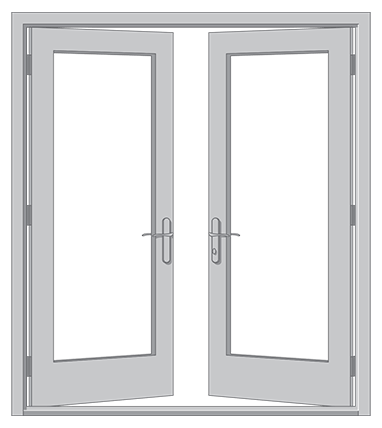
Get protection from hurricanes, intruders and high energy bills with a CWS vinyl impact French…
View Product
Gliding horizontally along a track, CWS WindPact vinyl impact sliding patio doors protect homes from…
View Product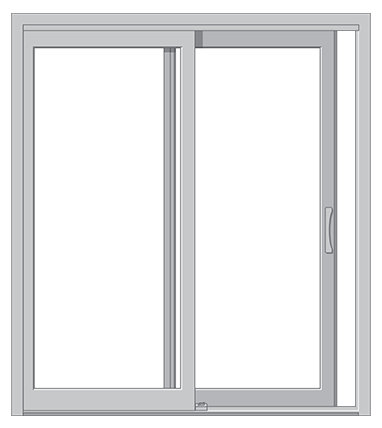
Gain peace of mind with a CWS sliding patio door. This strong and durable sliding…
View Product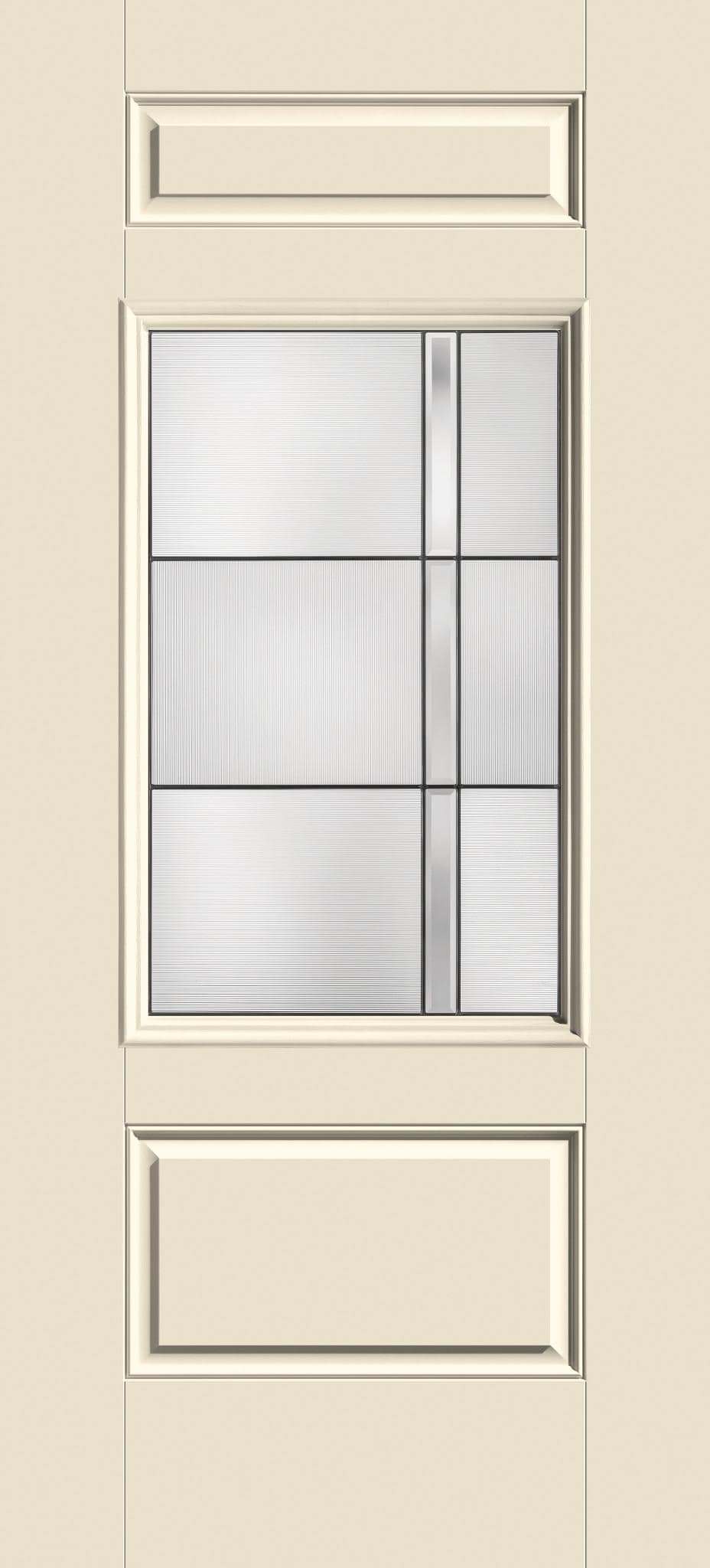
Looking to add a splash of color to your entryway? The Half Lite 1 Panel…
View Product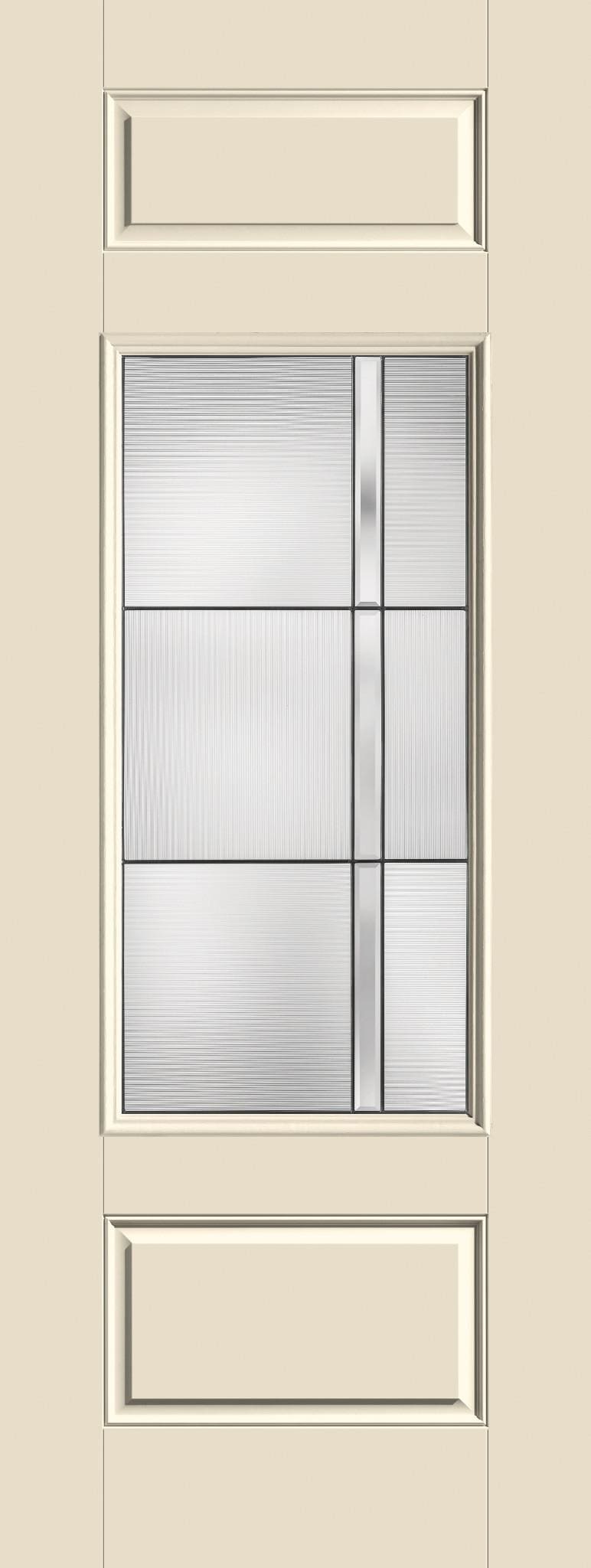
Looking to add a splash of color to your entryway? The 8' Half Lite 1…
View Product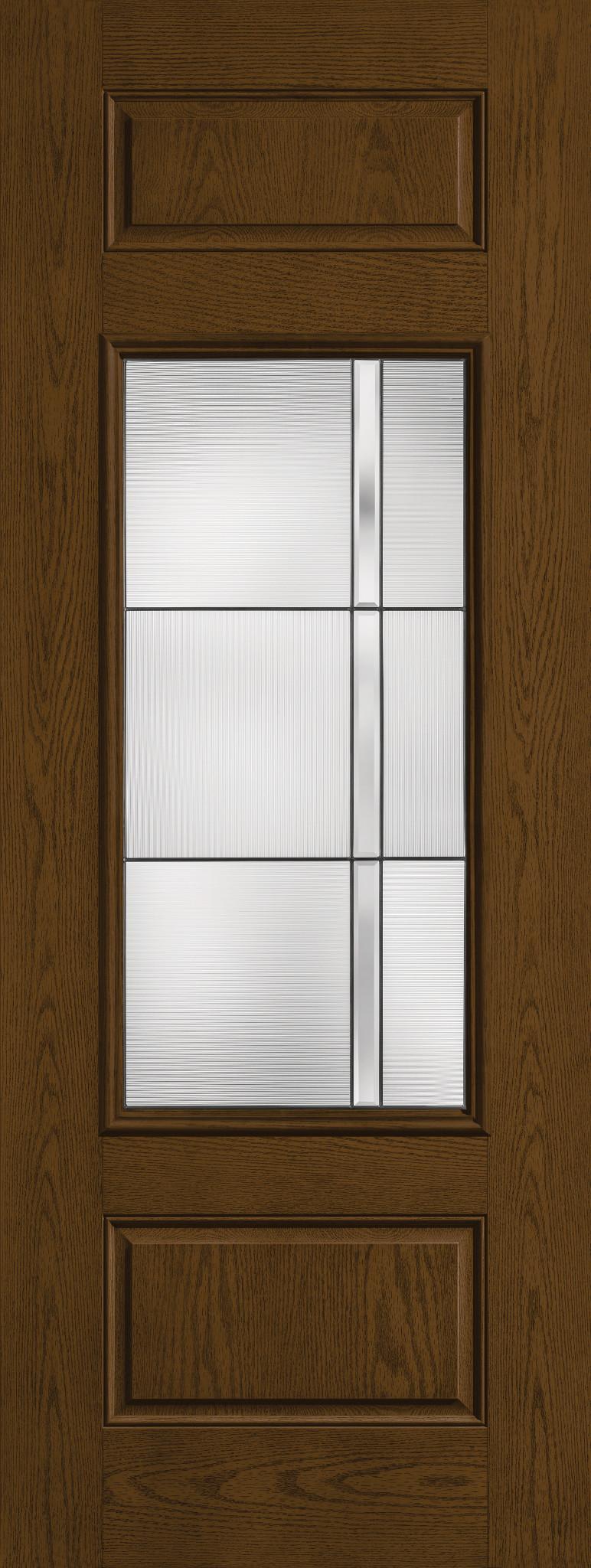
The 8' Half Lite 1 Panel Top and Bottom is the door that started the…
View ProductDon't let failed window seals and Florida's heavy humidity ruin your home's comfort and view. Contact our expert Tampa window and door team today for a free home evaluation and upgrade to high-efficiency, moisture-resistant glass.