
8414 Sabal Industrial Blvd, Tampa, FL 33619
Hurricane Strong. STH Strong
Mon – Fri 8:00AM – 5:00OM / Sat-Sun – Closed
August 11, 2026 · Reading time: ~10 min
Ready to upgrade? Use this step-by-step checklist to ensure you get the perfect glass and door systems for your home:
If you are planning to upgrade your home, understanding how different glass and door glazing options perform is the single best way to save money and protect your property. In our hot, humid Florida climate, the short answer is simple: Double-pane glass with a high-performance Low-E coating and laminated impact resistance is the absolute sweet spot for Tampa homeowners. Single-pane glass is obsolete and dangerous in a storm, while triple-pane glass is an expensive option designed primarily for freezing northern winters rather than southern heat.
This guide is for Tampa Bay homeowners who want to slash their monthly cooling bills, block out street noise, and choose the most durable glass and door setups for their specific budget. Let’s look at how these glazing options actually work under real-world conditions.
Single-pane glass consists of a single sheet of glass held within a frame. If your Tampa home was built before the 1990s and has never been remodeled, you likely have these. They offer virtually zero insulation. Heat from the Florida sun radiates directly through the glass, forcing your air conditioner to run constantly. From a security standpoint, a single pane offers no resistance to forced entry or flying tree limbs during a tropical storm.
Double-pane units—often called insulated glass units (IGUs)—feature two sheets of glass separated by a sealed spacer. The gap between the panes is filled with an insulating gas, typically Argon, which conducts less heat than air. This creates a highly effective thermal barrier. When you upgrade to double-pane windows Florida homes instantly feel more comfortable because the interior glass pane stays much closer to your indoor room temperature.
Triple-pane glazing adds a third layer of glass and a second gas-filled chamber. While this provides the ultimate level of insulation against extreme sub-zero temperatures, it is rarely practical for our local climate. Triple-pane windows are heavy, require much thicker frame profiles, and carry a premium price tag. The marginal energy savings they offer over high-quality double-pane glass in a hot climate like ours rarely justifies the extra upfront cost.
Double-Pane Glass
Triple-Pane Glass
Living in the Tampa Bay area means dealing with intense ultraviolet (UV) radiation, high humidity, and the constant threat of Atlantic hurricane seasons. Your choice of glass and door materials directly dictates how well your home handles these elements.
In a cooling-dominated climate like ours, the most critical metric to look for is the Solar Heat Gain Coefficient (SHGC). This rating measures how much solar radiation passes through your glass. Standard single-pane glass lets nearly all solar heat enter your home. By contrast, modern double-pane insulated glass units with advanced coatings block the vast majority of this radiant heat, keeping your living spaces cool without overworking your HVAC system.
A low-E coating (low-emissivity) is a microscopically thin, transparent layer of metallic oxide applied directly to the glass surface. It acts like a mirror for infrared heat. In the summer, it reflects outdoor heat away from your home. In the winter, it helps keep your indoor heat inside. Furthermore, low-E glass filters out destructive UV rays, protecting your hardwood floors, carpets, and expensive furniture from fading under the harsh Florida sun.
If you live near Tampa International Airport, along the busy I-275 corridor, or close to Gandy Boulevard, outside noise is a major quality-of-life factor. Multi-pane glass inherently dampens sound waves much better than single-pane glass. When you combine double-pane construction with a laminated impact interlayer, the sound-dampening effect is dramatic. It can cut perceived outdoor noise roughly in half, turning a noisy neighborhood into a quiet sanctuary.
To make an informed decision, you need to understand the technical metrics listed on the National Fenestration Rating Council (NFRC) labels. Let’s break down what these numbers mean for your wallet and your home’s comfort.
The two primary metrics you will see are U-Factor and SHGC. U-Factor measures how well a window prevents heat from escaping. While critical in northern states, it is secondary to SHGC in Florida. SHGC measures how much solar heat enters. For maximum comfort in Tampa, you want a low SHGC. Another metric, Visible Transmittance (VT), measures how much natural light comes through. The goal is to find a glass package that keeps SHGC low while keeping VT high enough to enjoy bright, natural light.
While single-pane windows are the cheapest upfront, they cost you money every single month in energy leaks. Double-pane impact-resistant glass requires a higher initial investment, but it drastically lowers your monthly electric bills. Because triple-pane glass is so heavy and expensive to manufacture, the energy savings it provides over double-pane in Florida’s climate are negligible, making double-pane the clear winner for return on investment.
| Glazing Type | Relative Upfront Cost | Tampa Energy Efficiency | Noise Reduction | Storm Protection Capability |
|---|---|---|---|---|
| Single-Pane | Low | Poor | Minimal | None (Shatters easily) |
| Double-Pane (Standard) | Moderate | Excellent (with Low-E) | Moderate | Low (Unless laminated) |
| Double-Pane (Laminated Impact) | High | Excellent (with Low-E) | Outstanding | Maximum (Hurricane rated) |
| Triple-Pane (Standard) | Very High | Marginal increase over Double | Outstanding | Varies (Rarely impact-rated) |
In Florida, your windows and doors cannot just be energy efficient—they must also serve as your home’s primary shield against extreme weather and intruders.
It is a common misconception that standard double-pane glass provides storm protection. It does not. If a flying branch hits standard double-pane glass, both panes will shatter. For true storm safety, you need impact-resistant glass. This consists of two sheets of glass bonded together with a tough, clear polymer interlayer (usually polyvinyl butyral, or PVB). If the glass is struck by debris, the outer layers may crack, but the interlayer holds the fragments firmly in place, keeping the wind, rain, and intruders out of your home.
At STH Windows & Doors, we highly recommend products like the CWS® WINDPACT Vinyl Sliding Patio Door and the CWS® WINDPACT Vinyl French Patio Door. These systems combine double-pane energy efficiency with heavy-duty laminated impact glass, protecting your home from category 5 hurricanes without the need for unsightly storm shutters. If you are looking for non-impact options for areas that are already protected by certified shutters, the durable CWS® COMFORT SHIELD Vinyl Sliding Patio Door offers excellent thermal performance and smooth operation at a lower price point.
According to the Florida Building Code, much of the Tampa Bay region falls within the Wind-Borne Debris Region. This means any new or replacement glass and door installations must either be impact-rated or protected by approved hurricane shutters. Installing certified hurricane rated doors and windows ensures your home complies with local building codes, passes inspections, and qualifies you for substantial discounts on your homeowner’s insurance premiums.
“In Florida, a building’s envelope must remain sealed during a major storm. If a window or door blows open, the resulting internal pressurization can literally lift the roof off the structure. Impact-rated glass is not just about preventing water damage; it is about saving your home’s structural integrity.”
To see how these choices play out in the real world, let’s look at a recent project our team completed for a homeowner in South Tampa, located just blocks from Hillsborough Bay.
The home was built in 1984 and still featured its original single-pane, bronze-aluminum windows and sliding glass doors. The homeowner was facing monthly electric bills averaging over $380 during the peak summer months. To make matters worse, the intense afternoon sun shining through the old glass had severely faded their hardwood floors and living room furniture. The home also felt drafty and shook slightly when heavy trucks drove past.
Our team replaced the old, leaky fixtures with high-performance double-pane, impact-resistant vinyl systems. For the main patio entryway, we installed the CWS® WINDPACT Vinyl Sliding Patio Door with a high-performance Low-E coating. For the front entry, we replaced their weathered wood door with a beautiful, durable Half Lite 1 Panel Top and Bottom Therma-Tru Smooth-Star fiberglass door, which provides a smooth, paintable surface that stands up to coastal humidity without warping or rotting. For homeowners wanting a classic wood look, we often install the 8′ Half Lite 1 Panel Top and Bottom from the Therma-Tru Fiber-Classic Oak Collection, which offers the natural look of oak graining with the durability of fiberglass.
The transformation was immediate. The very first month after the installation, the homeowner’s electric bill dropped by roughly 32%. The air conditioner stopped cycling constantly, and the living room stayed at a consistent, comfortable temperature even during the hottest part of the afternoon. Additionally, the street noise from nearby traffic was reduced to a faint whisper, and the homeowner gained peace of mind knowing their home was fully protected against hurricanes without having to hang heavy metal shutters.
Ready to upgrade? Use this step-by-step checklist to ensure you get the perfect glass and door systems for your home:
Upgrading your home’s glass and doors is a major investment, but it pays immediate dividends in comfort, security, and energy savings. In Tampa’s unique climate, double-pane glass equipped with a high-quality Low-E coating is the undisputed standard. Adding a laminated impact interlayer provides the ultimate level of hurricane protection and noise reduction, making it the smartest choice for coastal Florida homeowners.
Avoid the high costs and heavy weight of triple-pane glass, steer clear of outdated single-pane options, and focus on high-quality, certified impact products that will protect your home and family for decades to come.
No, triple-pane glass is generally not worth the extra cost in our warm climate. While it offers superior insulation against freezing northern temperatures, high-quality double-pane glass with a low-E coating provides all the solar heat resistance Tampa homes need at a much more reasonable price point.
Double-pane glass refers to two panes of glass separated by an insulating gas space for thermal efficiency. Impact-resistant glass features a tough, clear polymer interlayer laminated between glass sheets to prevent shattering during storms, and it is often built into a double-pane unit for maximum safety and insulation.
For a deeper look, see Glass and Door Security Film: Does It Prevent Break-Ins?.
Signs you need replacement include high energy bills, drafts, and difficulty opening or locking your frames. If you see condensation or fogging between your double-pane glass, it means the seal has failed, and the insulating gas has escaped, requiring a replacement unit.
If your existing frames are in structurally sound condition, you can sometimes replace just the glass unit. However, to meet modern hurricane building codes and achieve maximum energy efficiency, a full-frame replacement with high-performance vinyl or impact-rated frames is highly recommended.
Based on this article, here are products that might help you:
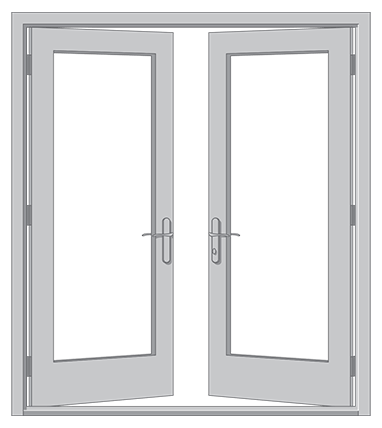
Get protection from hurricanes, intruders and high energy bills with a CWS vinyl impact French…
View Product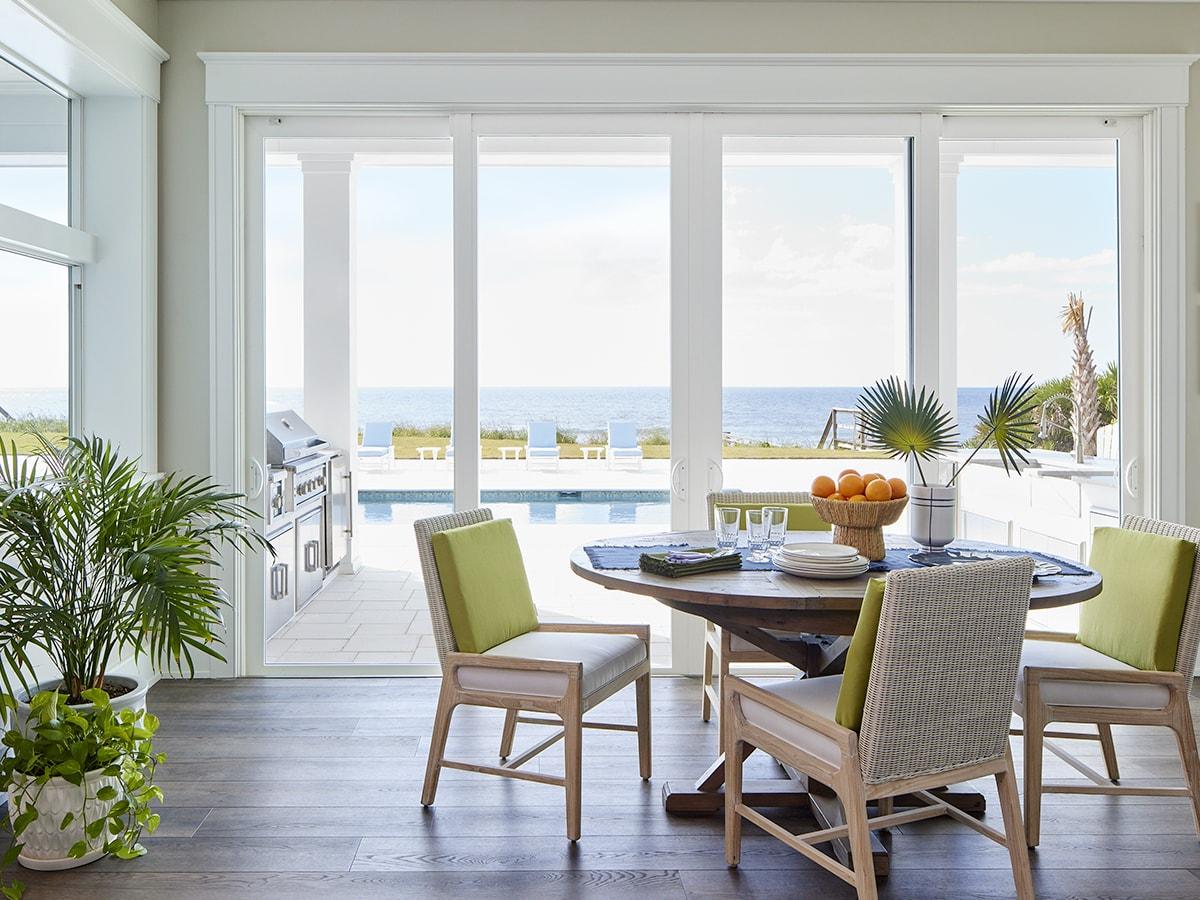
Gliding horizontally along a track, CWS WindPact vinyl impact sliding patio doors protect homes from…
View Product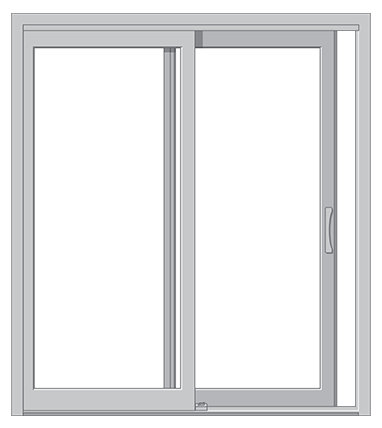
Gain peace of mind with a CWS sliding patio door. This strong and durable sliding…
View Product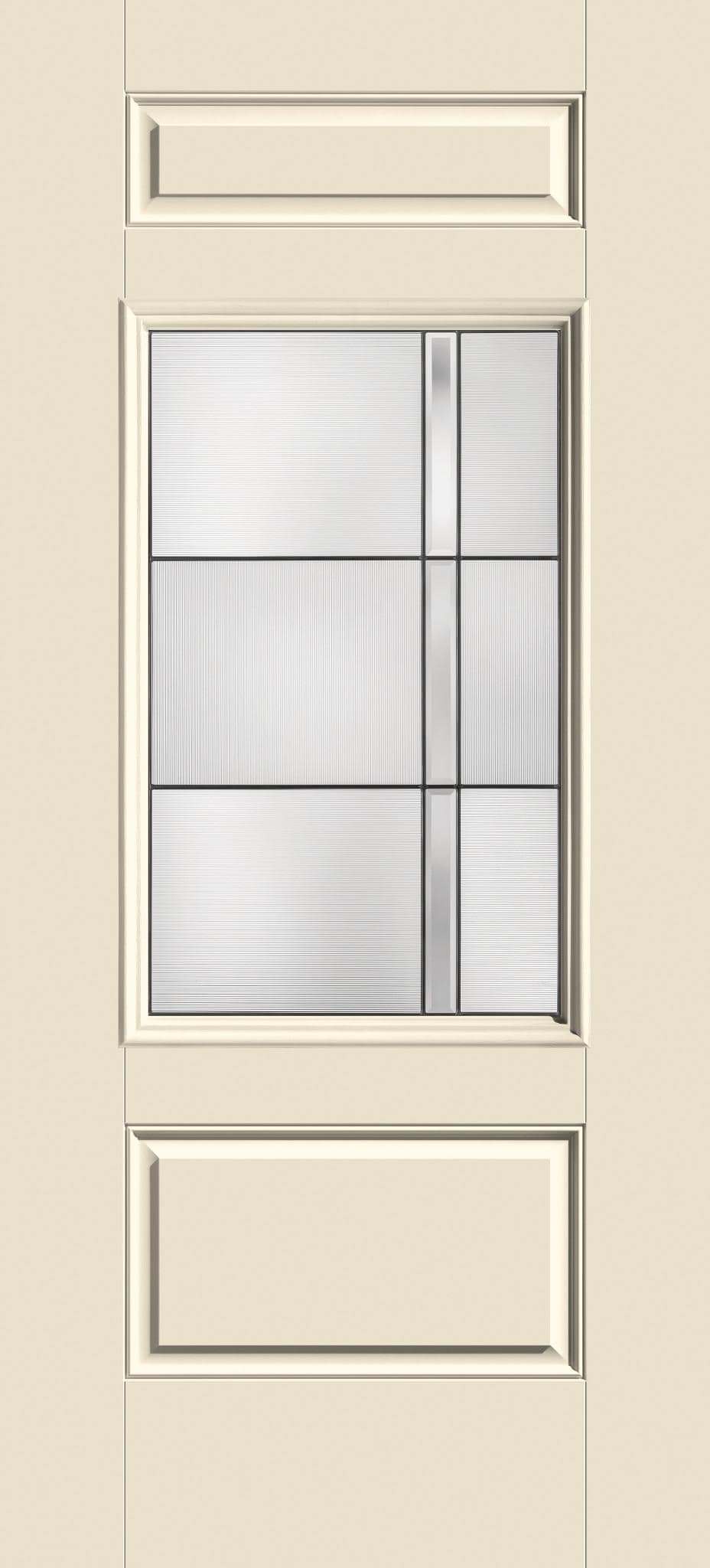
Looking to add a splash of color to your entryway? The Half Lite 1 Panel…
View Product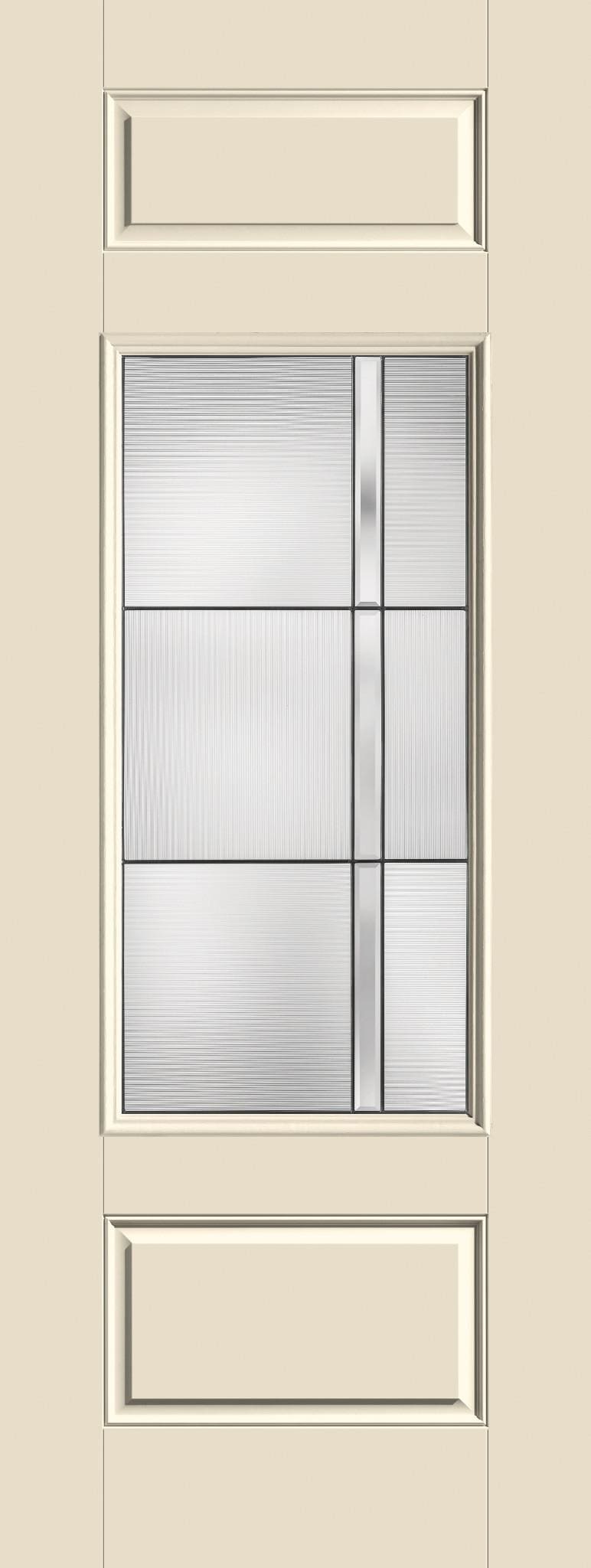
Looking to add a splash of color to your entryway? The 8' Half Lite 1…
View Product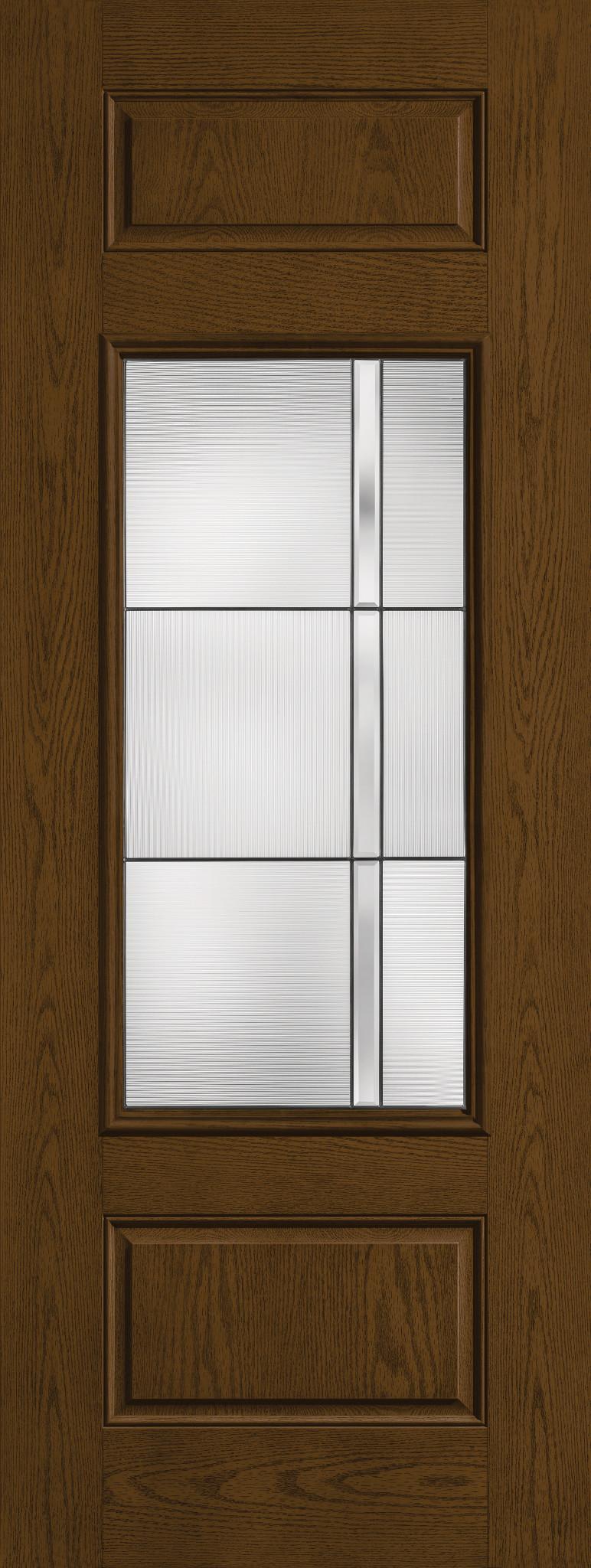
The 8' Half Lite 1 Panel Top and Bottom is the door that started the…
View ProductReady to lower your energy bills and protect your home from Florida's unpredictable weather? Contact our local Tampa experts today for a free, no-obligation consultation on high-performance glazing options.