
8414 Sabal Industrial Blvd, Tampa, FL 33619
Hurricane Strong. STH Strong
Mon – Fri 8:00AM – 5:00OM / Sat-Sun – Closed
August 20, 2026 · Reading time: ~9 min
If you have commercial spaces or modern residential designs requiring large, flush-glazed glass, you might also consider versatile non-impact solutions like the SMI-245 Series Non-Impact Storefront or the SMI-45 Series Non-Impact Flush Glazed Storefront for interior partitions or protected exterior areas where impact glass isn’t legally required. However, for the exterior envelope of your Tampa home, certified impact-resistant systems are always the smartest, safest bet.
To survive a major hurricane in Florida, your home needs more than just a strong roof. It needs an Advanced window and door system engineered to handle extreme atmospheric pressure changes and high-velocity flying debris. This guide is for Tampa Bay homeowners who want to protect their properties from devastating storms while upgrading their home’s style and energy efficiency.
Investing in an advanced window and door setup isn’t just about meeting the bare minimum of the local building code; it’s about keeping your family safe and your structural envelope intact when a Category 4 storm rolls up the Gulf. At STH Windows & Doors, we install these high-performance systems every day across Tampa, and we know exactly what works when the wind starts howling.
Living in Tampa means accepting that beautiful waterfront views come with a serious seasonal risk. The geography of Tampa Bay makes it incredibly vulnerable to storm surge and high-wind events. When a hurricane or severe tropical storm hits, your home’s exterior envelope is the only thing standing between safety and total destruction.
Years ago, preparing for a storm meant a mad dash to the local hardware store for heavy sheets of plywood, followed by hours of sweating on a ladder to screw them over your windows. Then came heavy, metal accordion shutters that rusted in our salty coastal air and ruined your home’s curb appeal year-round. Today, the industry has shifted completely toward permanent, engineered structural solutions. Modern impact-resistant systems offer continuous, passive protection. You don’t have to lift a finger when a storm warning is issued.
Standard double-pane windows are not designed to handle the physical forces of a major storm. When a piece of flying debris—like a tree branch or a neighbor’s loose patio tile—strikes standard glass, it shatters instantly. Once the window is breached, wind rushes inside the home. This sudden internal pressurization, combined with the low pressure passing over the roof, creates a lifting force that can literally push the roof off the walls, leading to catastrophic structural collapse.
To choose the right products for your home, you have to understand the science behind how windows are tested and rated. It goes far beyond simply being “shatterproof.”
Design Pressure (DP) is a numerical rating that represents a window’s ability to withstand wind and water pressure. It’s measured in pounds per square foot (psf). A higher DP rating means the window can handle greater pressure forces. When winds blow against a building, they create positive pressure (pushing against the glass) and negative pressure (pulling outward as the wind wraps around the structure). Your windows must be rated to handle both forces without bowing, leaking, or popping out of their frames.
To earn an impact rating, windows undergo rigorous testing defined by the American Society for Testing and Materials (ASTM). The most common standard for residential homes in wind-borne debris regions is Missile Level D testing. This test involves firing a nine-pound 2×4 wooden stud from a air cannon at 50 feet per second (about 34 miles per hour) directly at the glass. To pass, the glass can crack, but the inner plastic interlayer must remain completely intact, preventing the missile from penetrating the envelope.
According to the Florida Building Code, Tampa is located in a Wind-Borne Debris Region. This means new construction and window replacements must meet strict wind-load requirements, typically needing to withstand wind speeds ranging from 140 to 150 mph depending on your exact location and proximity to the water. In coastal areas like South Tampa, Davis Islands, and Clearwater, the requirements are even more stringent.
What makes an advanced window and door system so tough? It comes down to three core engineering components: the glass, the frame, and the locking hardware.
Impact-resistant glass is essentially a sandwich. It consists of two panes of glass bonded together by a tough, clear interlayer made of Polyvinyl Butyral (PVB) or SentryGlas Plus (SGP). If the outer glass breaks, the shards adhere to the inner plastic membrane, maintaining the barrier. This technology is highly effective at stopping intruders, blocking outside noise, and filtering out 99% of damaging UV rays that fade your furniture.
The strongest glass in the world is useless if the frame twists or pulls away from the wall under pressure. High-wind windows feature extra-thick frame walls, internal chambers, and heavy-duty steel or aluminum reinforcements. For example, the WINGUARD VINYL – Single Hung Window uses a highly reinforced vinyl frame designed specifically to handle extreme pressure while remaining incredibly easy to operate daily.
Standard windows and doors usually lock at a single point in the center. Under hurricane-force winds, this single latch can fail, allowing the frame to flex and let water pour inside. Advanced systems utilize multi-point locking mechanisms that secure the sash or door panel at multiple points along the frame. This tight seal prevents wind-driven water from bypassing the weatherstripping.
“A window system is only as strong as its weakest link. If you have impact-rated glass but cheap, single-point locks, the wind will eventually find a way in.”
Choosing the right frame material is a balance of structural strength, maintenance requirements, and thermal efficiency. Here is how the three main materials compare:
| Material | Structural Strength | Thermal Efficiency | Corrosion Resistance | Best For |
|---|---|---|---|---|
| Heavy-Gauge Aluminum | Excellent | Moderate | High (with marine finish) | Large, expansive glass walls |
| Vinyl | Very Good | Excellent | Excellent | Residential homes wanting energy savings |
| Fiberglass | Excellent | Excellent | Excellent | Waterfront homes with extreme sun exposure |
Aluminum is incredibly strong, which allows manufacturers to build frames with narrower profiles and larger expanses of glass. If you want massive sliding glass doors facing the bay, aluminum is often the best choice. The CWS® ICON Aluminum Sliding Door is a prime example, featuring robust aluminum panels, heavy-duty frames, and multi-point mortise locks designed to deliver top-tier structural security.
Vinyl has come a long way. Modern, high-quality vinyl frames feature multi-chambered profiles that trap air, providing outstanding thermal insulation. They don’t rust, corrode, or require painting, making them perfect for our humid, salty air. The CWS® WINDPACT Vinyl Sliding Patio Door combines this incredible thermal performance with heavy-duty impact engineering, giving you the best of both worlds: lower energy bills and absolute peace of mind during storm season.
Fiberglass is virtually indestructible. It doesn’t warp, rot, or corrode, and it expands and contracts at the exact same rate as the glass it holds. This means the seals remain tight and leak-free for decades, even under the brutal Florida sun.
To see how these advanced systems perform under pressure, let’s look at a real project we completed on a waterfront home in Davis Islands.
The property was a beautiful two-story home sitting directly on the open bay, completely exposed to high winds and salt spray. The original windows were standard single-pane aluminum frames from the 1990s. The homeowner wanted to eliminate the hassle of putting up heavy storm shutters every year while modernizing the home’s look.
We retrofitted the entire home using a combination of WINGUARD VINYL – Single Hung Windows for the bedrooms and a massive, multi-panel CWS® ICON Aluminum Sliding Door for the main living area facing the water. For the front entryway, we integrated a modern, commercial-grade architectural look using the FS-300 Maximum View Impact Storefront System, which allowed for massive, uninterrupted views of the bay without sacrificing safety.
A year after installation, a major tropical storm swept through the bay, bringing sustained winds of over 70 mph and heavy, driving rain. While several neighboring homes suffered broken windows, torn shutters, and water intrusion, this Davis Islands home experienced zero water leaks, zero frame movement, and absolutely no damage. The homeowner remarked that they couldn’t even hear the wind howling inside the house during the peak of the storm.
Upgrading your home is a major investment. Follow these steps to ensure you get the right products and a flawless installation.
If you have commercial spaces or modern residential designs requiring large, flush-glazed glass, you might also consider versatile non-impact solutions like the SMI-245 Series Non-Impact Storefront or the SMI-45 Series Non-Impact Flush Glazed Storefront for interior partitions or protected exterior areas where impact glass isn’t legally required. However, for the exterior envelope of your Tampa home, certified impact-resistant systems are always the smartest, safest bet.
Most high-quality impact windows are certified to withstand winds ranging from 140 to over 180 mph. This capacity depends directly on the product’s specific Design Pressure (DP) rating and the quality of the structural installation.
No, certified impact-resistant windows and doors completely eliminate the need for storm shutters. They provide continuous, 24/7 passive protection against storms and intruders without altering your home’s appearance.
You can find this unique identifier on the temporary manufacturer’s label applied to the glass. You can also search the official Florida Building Code online database using the manufacturer’s name.
Yes, because they use thick laminated glass, multiple panes, and high-performance spacers, they block a massive amount of solar heat gain. This helps keep your home cooler and lowers your monthly AC bills.
Related reading: Marvin Multi-Slide Door Sill Types and Performance.
Don’t wait for the next storm season to secure your home’s weakest points. Contact our Tampa-based team at STH Windows & Doors today for a professional consultation and a custom quote on certified, high-wind resistant windows and doors.
Based on this article, here are products that might help you:
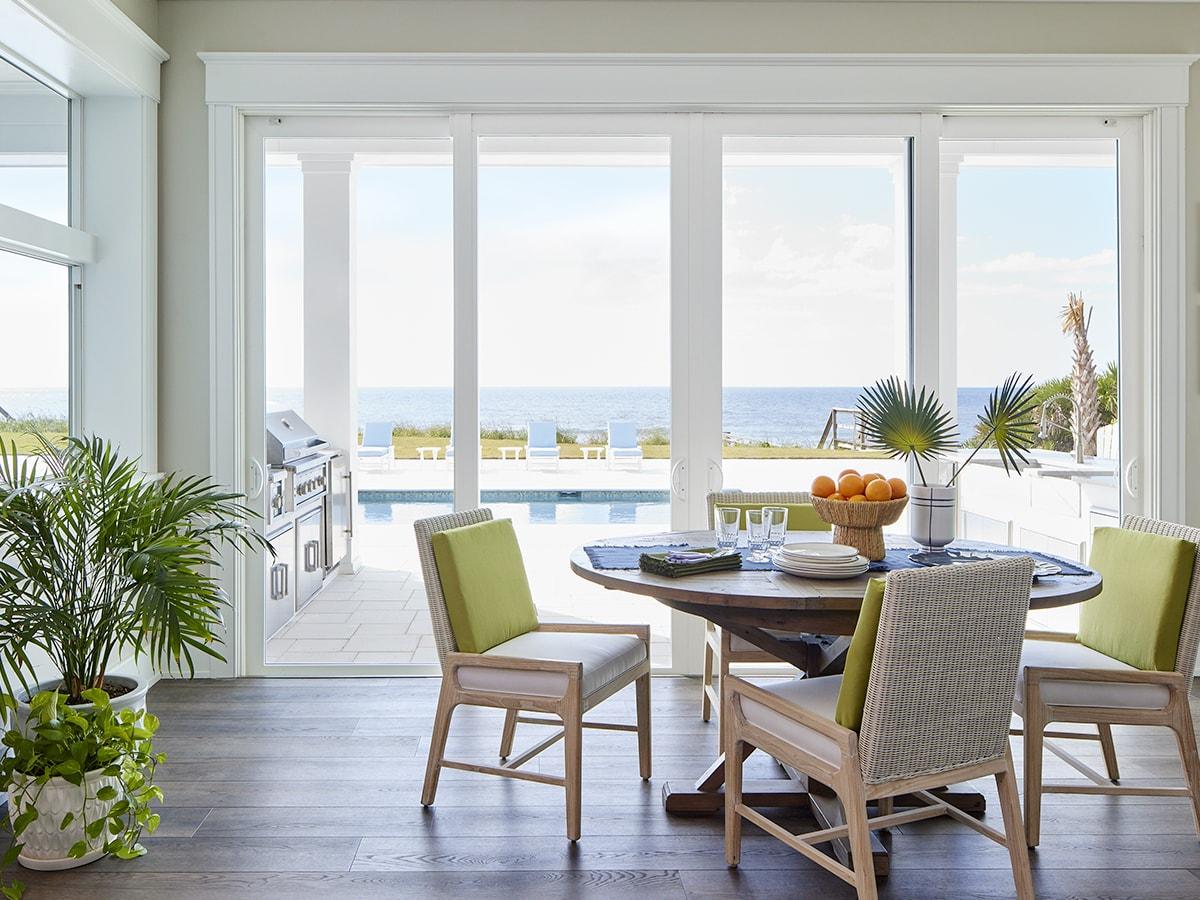
Gliding horizontally along a track, CWS WindPact vinyl impact sliding patio doors protect homes from…
View Product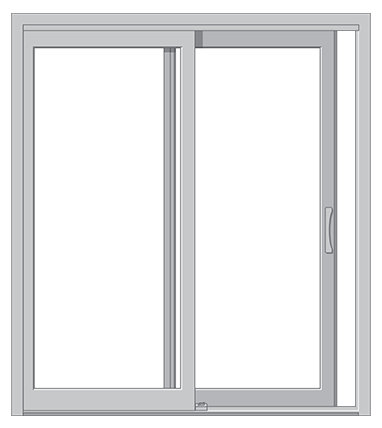
Feel safe and secure. CWS Icon aluminum impact sliding patio door feature aluminum panels and…
View Product
Customizable to fit your lifestyle, this easily operated hurricane window enhances security while providing exceptional…
View Product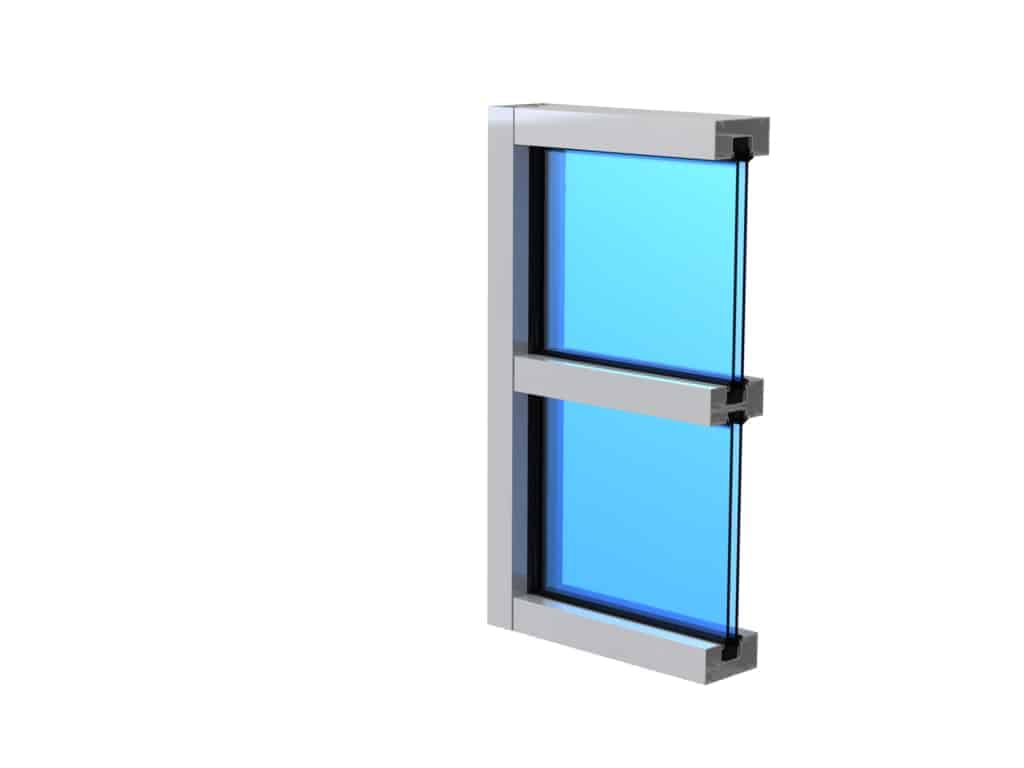
Versatility & Performance The SMI-245 Series is a flexible, non-impact aluminum framing system designed to…
View Product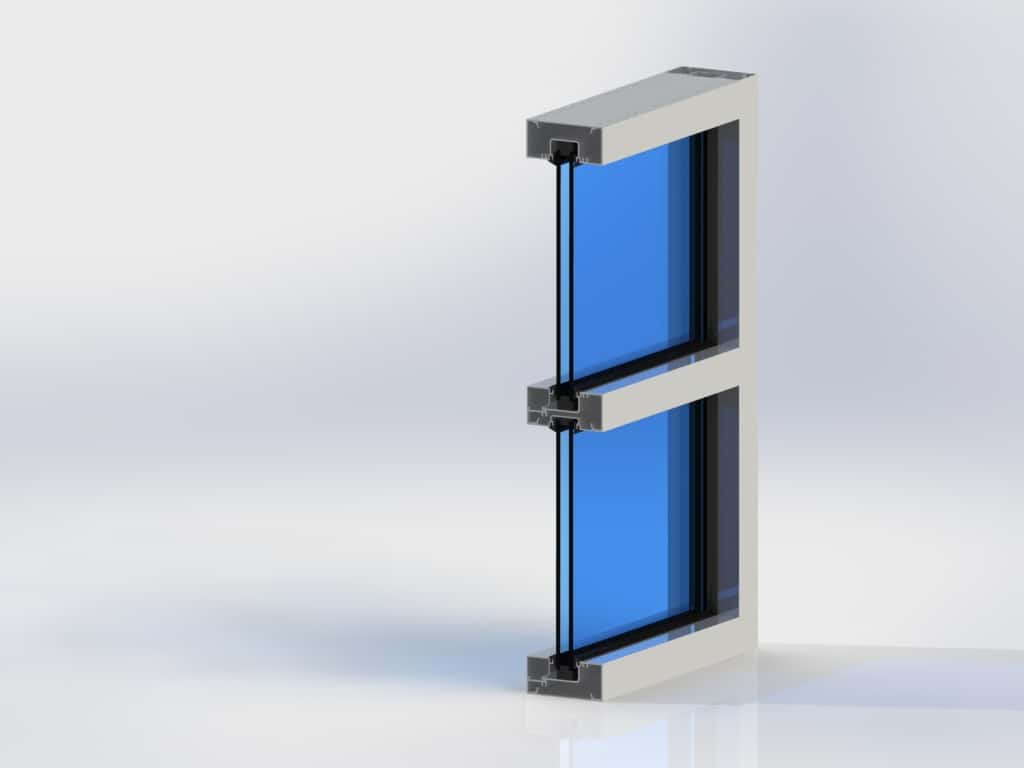
Versatile Application The SMI-45 Series is a highly adaptable flush-glazed storefront system designed to perform…
View ProductThe FS-300 Maximum View is an advanced architectural solution designed to overcome the limitations of…
View ProductDon't wait for the next storm season to secure your home's weakest points. Contact our Tampa-based team today for a professional consultation and custom quote on certified, high-wind resistant windows and doors.