
8414 Sabal Industrial Blvd, Tampa, FL 33619
Hurricane Strong. STH Strong
Mon – Fri 8:00AM – 5:00OM / Sat-Sun – Closed
September 6, 2026 · Reading time: ~9 min
Theoretical engineering is great, but how do these systems actually perform when a real storm hits our coast?
Consider a waterfront home located on Davis Islands in South Tampa. During a recent severe weather event, the property was subjected to sustained Category 3 wind speeds and significant flying debris, including loose roof tiles from neighboring older homes and broken tree branches.
Because the home was outfitted with a monumental glazing system—similar to the FrontSet Plus: High-Performance Monumental Window Wall and the FS-300 Maximum View Impact Storefront System—the building envelope remained completely sealed.
While the outer sacrificial layer of glass cracked upon impact from a flying roof tile, the heavy-duty interlayer held the system together. No wind or water entered the home, preventing internal pressurization and successfully saving the roof from lifting off. The homeowners returned to a dry, safe house that required only minor glass replacement rather than a total structural rebuild.
If you are shopping for hurricane protection in Florida, navigating the terminology can feel like deciphering a foreign language. When researching premium options like Wrights impact window and door systems, the bottom line is simple: these products must meet strict Florida Building Code standards, typically requiring a Design Pressure (DP) rating of DP 50 or higher and certified large-missile impact resistance to withstand wind speeds of 140 to 160+ mph.
This guide is for Tampa homeowners who want to protect their properties from devastating coastal storms by understanding how impact-resistant glazing actually works. As local window specialists serving the Tampa Bay area, we see firsthand how the right glass package prevents catastrophic home failures during severe weather.
Living on the Gulf Coast means accepting a beautiful but occasionally volatile environment. We don’t write about storm prep to scare you—we write about it because a house is usually a person’s largest financial asset. Protecting it requires more than just plywood and luck.
Tampa Bay is no longer the “lucky” region that major storms miraculously bypass. With Gulf waters warming earlier each year, late-season storms can rapidly intensify into major hurricanes before making landfall. Preparing your home isn’t a seasonal chore you tackle in June; it’s a permanent structural requirement. When a storm enters the Gulf, the window of time to secure your home shrinks to hours. Passive protection—meaning windows that are always ready without you lifting a finger—is the gold standard for modern coastal living.
Standard glass is fragile, but the real danger isn’t just the flying debris breaking a pane. The catastrophic failure happens because of a physics phenomenon called internal pressurization. When a standard window shatters, high-velocity wind rushes inside your home. This sudden influx of air has nowhere to go, creating a massive upward force against your roof. At the same exact time, the storm’s wind rushing *over* your roof creates a vacuum effect, pulling it upward.
These dual forces—pushing from the inside, pulling from the outside—are what blow roofs completely off houses. If you are installing windows on a protected commercial interior, a non-impact option like the SMI-45 Series Non-Impact Flush Glazed Storefront or the SMI-245 Series Non-Impact Storefront (Insulated Glass) works beautifully. But for your home’s exterior envelope facing the Gulf, you absolutely need certified impact glass.
When evaluating high-performance products like those in the Wrights impact window and door category, you need to look past the marketing brochures and focus on the certified engineering data. Two main metrics dictate how a window will perform when a storm hits: Design Pressure and Missile Impact ratings.
A Design Pressure (DP) rating measures a window’s structural strength, water resistance, and air infiltration resistance. It is expressed as a number—like DP 50 or DP 70—which represents the pounds per square foot (psf) of pressure the window can withstand.
To achieve a DP 50 rating, a window must pass laboratory testing at 75 psf (which is 1.5 times the design pressure to ensure a safety margin). This means the window can easily handle the positive pressure of wind blowing directly against it, as well as the negative pressure pulling outward as the storm passes over. For most residential areas in Tampa, a DP 50 rating is the baseline standard, but high-exposure coastal properties often require DP 65 or higher.
Wind pressure is only half the battle; the other half is flying debris. To receive an impact certification in Florida, windows must undergo the “large missile test.” Laboratory technicians fire a 9-pound, 8-foot-long 2×4 wooden stud out of an air cannon at 50 feet per second (roughly 34 mph) directly at the glass.
“The glass will crack during an impact test, and that is by design. The inner polyvinyl butyral (PVB) or ionoplast interlayer holds the shards together, keeping the wind-driven rain and destructive air pressure outside.”
The Florida Building Code is widely recognized as the strictest building code in the United States. However, the requirements aren’t uniform across the entire state. They vary based on your specific location and proximity to the coast.
Technically, no. The High-Velocity Hurricane Zone (HVHZ) designation is legally reserved for Miami-Dade and Broward counties. However, Tampa lies within the Wind-Borne Debris Region (WBDR). Under local building codes, if you live in an area where the basic wind speed is 140 mph or greater, any new window installation must feature impact-resistant glass or approved hurricane shutters.
Because we experience similar coastal risks, many Tampa homeowners opt to install HVHZ-rated products anyway. Installing a robust system like the SMI-175 Impact Window Wall System ensures your home meets or exceeds local codes, offering maximum structural peace of mind.
Even outside of South Florida, a Miami-Dade Notice of Acceptance (NOA) is considered the gold standard of product testing. If a window has an active NOA, it has passed the most brutal structural tests on the planet. When you choose a certified product like the CWS® ICON Aluminum Picture Window, you are buying a system designed to survive the absolute worst-case coastal scenarios.
| Requirement / Feature | Tampa Bay Area (WBDR) | Miami-Dade / Broward (HVHZ) |
|---|---|---|
| Wind Speed Design Basis | 140 – 150 mph | 170 – 180+ mph |
| Impact Glass Required? | Yes (or approved shutters) | Yes (stricter cyclic pressure tests) |
| Miami-Dade NOA Required? | Recommended, not mandatory | Mandatory |
| Typical DP Rating Needed | DP 50 to DP 60 | DP 70+ |
When upgrading your home’s storm protection, the classic debate is always impact-resistant glass versus traditional storm shutters. While both can meet building codes, they offer vastly different daily experiences.
Shutters are almost always cheaper upfront. However, they require physical labor to deploy. If a storm is heading toward Tampa while you are out of town, your shutters won’t do you any good sitting in the garage. Impact windows, on the other hand, require zero setup. They are always active, protecting your home whether you are sleeping upstairs or vacationing across the country.
Let’s be honest: metal tracks and accordion shutter boxes don’t do any favors for your home’s curb appeal. Impact windows look exactly like standard high-end windows, preserving your home’s architectural lines.
Furthermore, Florida insurance companies are legally mandated to offer premium discounts to homeowners who protect all exterior openings with wind-mitigation features. Because impact windows are passive and foolproof, they make qualifying for these discounts incredibly straightforward.
Don’t just take a contractor’s word that a window is “hurricane-proof.” You need to verify the certifications yourself to ensure your investment actually protects your home and qualifies you for insurance discounts.
Every certified impact window will have a permanent, transparent acid-etched logo in one of the corners of the glass. This etch is your proof of certification. It will list the manufacturer’s name, the safety glazing standards it meets (such as ANSI Z97.1), and sometimes the Miami-Dade NOA number. If there is no permanent etch, it is not certified impact glass.
When your windows are delivered, they should still have their temporary paper labels attached. These labels display ratings from the National Fenestration Rating Council (NFRC) and the American Architectural Manufacturers Association (AAMA). You can easily cross-reference these numbers on the official organization websites to verify the product’s wind, water, and energy performance.
Theoretical engineering is great, but how do these systems actually perform when a real storm hits our coast?
Consider a waterfront home located on Davis Islands in South Tampa. During a recent severe weather event, the property was subjected to sustained Category 3 wind speeds and significant flying debris, including loose roof tiles from neighboring older homes and broken tree branches.
Because the home was outfitted with a monumental glazing system—similar to the FrontSet Plus: High-Performance Monumental Window Wall and the FS-300 Maximum View Impact Storefront System—the building envelope remained completely sealed.
While the outer sacrificial layer of glass cracked upon impact from a flying roof tile, the heavy-duty interlayer held the system together. No wind or water entered the home, preventing internal pressurization and successfully saving the roof from lifting off. The homeowners returned to a dry, safe house that required only minor glass replacement rather than a total structural rebuild.
What wind speed can Wrights impact windows withstand?
Wrights impact windows are engineered to withstand wind speeds ranging from 140 mph to over 170 mph, depending on their specific Design Pressure (DP) rating. This level of performance ensures full compliance with the most stringent Florida Building Code requirements for wind-borne debris regions.
Do impact windows reduce homeowner’s insurance in Tampa?
Yes, Florida law requires insurance companies to offer premium discounts to homeowners who secure all exterior openings with wind-mitigation features. Installing certified impact windows is one of the most reliable ways to qualify for these substantial annual savings on your home insurance policy.
What is the difference between DP 50 and DP 70 ratings?
A DP 50 window is tested to withstand a structural pressure of 75 pounds per square foot, roughly equivalent to 140 mph winds. A DP 70 window handles up to 105 pounds per square foot, or roughly 200 mph winds, providing superior protection for high-exposure coastal areas.
Related reading: Wrights Impact Window & Door: Product Lines and Warranty Details.
Don’t wait for hurricane season to compromise your family’s safety. Upgrading to code-certified impact windows is an investment in your home’s structural integrity, your family’s safety, and your peace of mind. At STH Windows & Doors, we help Tampa homeowners navigate local building codes to find the perfect balance of aesthetics and storm protection.
Contact our Tampa team today to schedule your free, no-obligation consultation and get a customized quote for your home.
Based on this article, here are products that might help you:
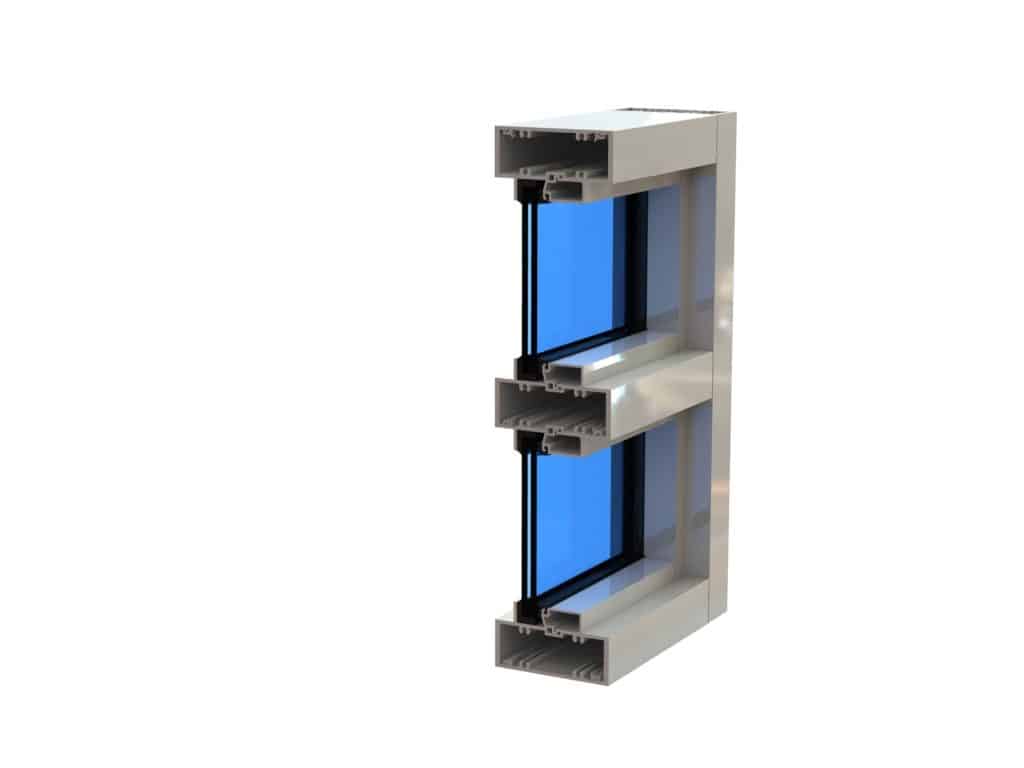
The SMI-175 Series is a robust, hurricane-resistant window wall solution designed for high-performance coastal applications….
View Product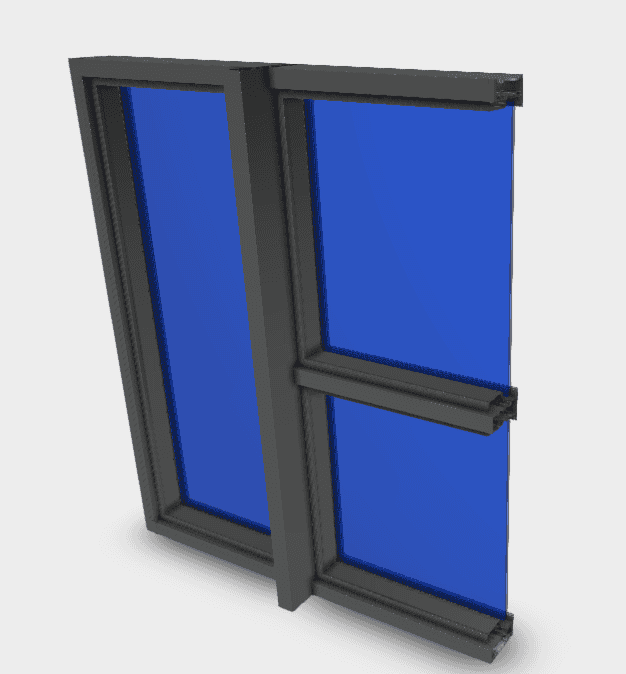
Overview The FrontSet Plus (FS-300 Series) represents the next evolution in architectural glazing solutions. Engineered…
View Product
CWS Icon picture windows fill a home with natural light and help protect what matters….
View Product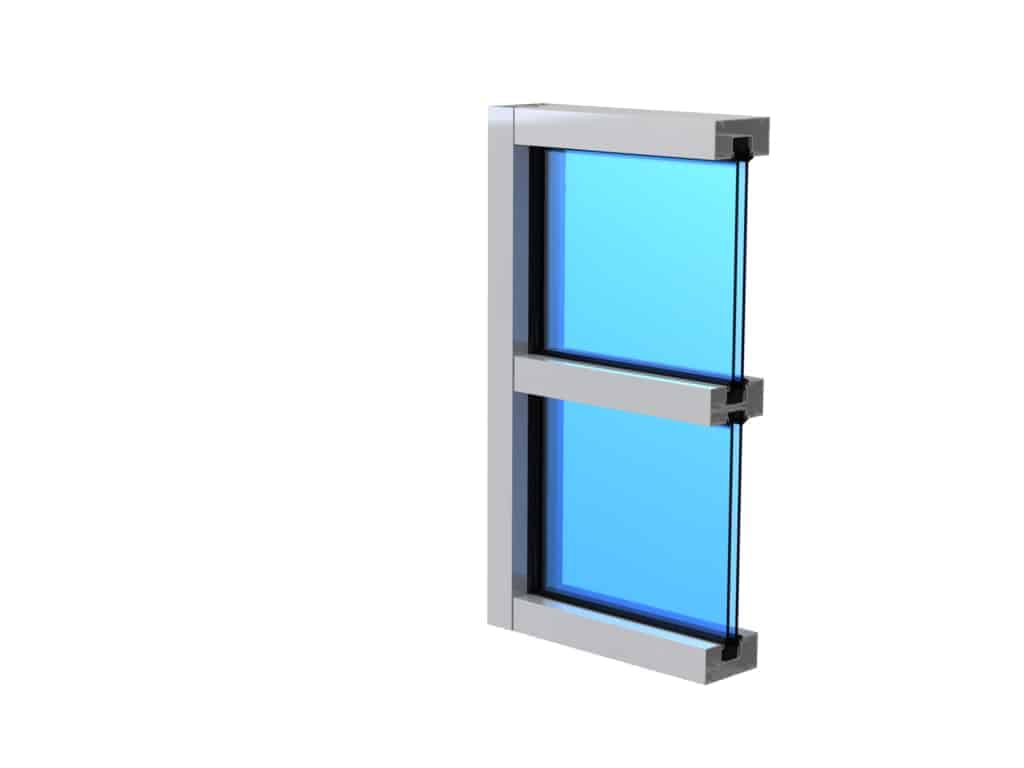
Versatility & Performance The SMI-245 Series is a flexible, non-impact aluminum framing system designed to…
View Product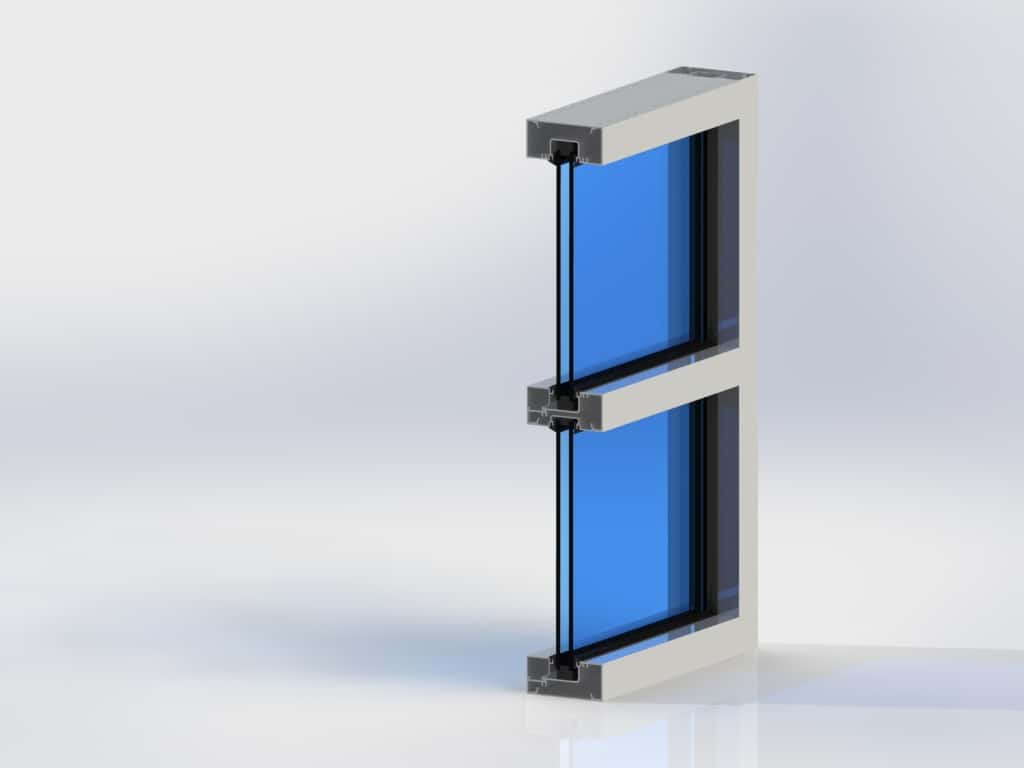
Versatile Application The SMI-45 Series is a highly adaptable flush-glazed storefront system designed to perform…
View ProductThe FS-300 Maximum View is an advanced architectural solution designed to overcome the limitations of…
View ProductDon't wait for hurricane season to compromise your family's safety. Contact our Tampa team today for a free, no-obligation consultation on upgrading to code-certified impact windows.