
8414 Sabal Industrial Blvd, Tampa, FL 33619
Hurricane Strong. STH Strong
Mon – Fri 8:00AM – 5:00OM / Sat-Sun – Closed
September 9, 2026 · Reading time: ~10 min
Upgrading your windows and doors is a major investment, but it’s one of the most impactful decisions you can make for your home’s longevity and safety.
A common mistake is upgrading your windows but leaving an old sliding glass door or entry door unprotected. Remember, a hurricane will find the weakest point in your home’s envelope. If your front door blows open, it doesn’t matter how strong your bedroom windows are. You must protect every single opening equally to keep your home pressurized and safe.
When you are ready to invest in your home’s safety, don’t hire a generic handyman. Window installation in Florida is highly regulated. At STH Windows & Doors, we know the local permitting processes in Tampa, Lakeland, and across Polk County inside and out. We ensure your installation meets every detail of the Florida Building Code, ensuring your family stays safe when it matters most.
Don’t wait for the next storm season to secure your home. Contact our expert team today for a free, professional consultation on wind-rated windows and doors tailored to your local building codes.
Get a Free Quote today!
If you live in Central Florida, you already know that our weather doesn’t play nice. When a major storm rolls through the Tampa Bay area, your home’s exterior faces a violent, sustained assault from high winds and flying debris. To protect your property, you need windows and doors rated to withstand these extreme conditions. Specifically, homes in Polk County and the surrounding areas require openings rated for wind speeds of at least 130 to 140 mph—which translates to a minimum Design Pressure (DP) rating of 35 to 50. This guide is for homeowners in the Tampa Bay and Polk County areas who want to make informed, stress-free decisions about upgrading their home’s storm protection. If you’re researching Lakeland Windows And Doors, here’s what you need to know.
When you are researching Lakeland windows and doors, you aren’t just looking for something that looks pretty from the curb. You are looking for a shield. As specialists at STH Windows & Doors, we have spent years helping local families secure their homes. Let’s look at what actually happens when the wind starts howling, and why standard glass simply won’t cut it.
It’s simple physics. When a hurricane-force wind hurls a piece of debris—like a stray roof tile, a tree branch, or a neighbor’s patio chair—at a standard double-pane window, the glass shatters instantly. But the broken glass isn’t even the worst part. Once a window blows out, wind rushes inside your home. This sudden influx of air causes a rapid rise in internal pressure. Combined with the massive upward lift already acting on your roof, this internal pressurization can literally blow your roof right off the walls, leading to catastrophic structural failure.
I’ve seen it happen too many times. Homeowners try to save a few bucks by putting off window upgrades, relying instead on old plywood or flimsy, outdated shutters. When a storm hits, they end up paying tens of thousands of dollars in structural repairs, not to mention dealing with mold, ruined furniture, and displaced families. Upgrading to certified Hurricane rated windows florida residents can rely on isn’t just an aesthetic choice; it’s structural insurance for your entire home.
Local building codes aren’t just bureaucratic red tape—they are lifesaving standards designed to keep your home intact when extreme weather strikes.
The Florida Building Code (FBC) regulations are some of the strictest in the world, and for good reason. Under these rules, much of the Tampa Bay area, including coastal zones and parts of Polk County, falls into what is called a Wind-Borne Debris Region (WBDR). If you are replacing more than 25% of your home’s windows in these zones, the law requires you to install impact-resistant glazing or use approved opening protections like certified hurricane shutters.
While coastal Tampa has higher wind speed requirements, Polk county wind load requirements are still incredibly demanding. Depending on your exact coordinates in Lakeland, your windows must be engineered to withstand design wind speeds of 130 to 140 mph. This means every frame, pane, and fastener must be certified to hold fast under extreme positive and negative pressures without failing.
You might hear people talk about “Miami-Dade standards” or High Velocity Hurricane Zones (HVHZ). These are the absolute strictest codes in the state, covering Miami-Dade and Broward counties. While Lakeland doesn’t legally require HVHZ-certified products, many of our clients at STH Windows & Doors choose them anyway. Why? Because if a window can survive a Category 5 storm in Miami, it will easily handle whatever Lakeland throws at it. It’s the ultimate peace of mind.
To the untrained eye, an impact window looks just like a standard double-pane window. But underneath the surface, they are entirely different beasts.
Impact-rated windows don’t just use thicker glass. They feature a specialized sandwich construction. Two layers of tempered or annealed glass are bonded to a tough, transparent interlayer—usually made of polyvinyl butyral (PVB) or ethylene-vinyl acetate (EVA). If a flying brick hits the window, the outer glass may crack, but the interlayer keeps the window sealed and intact, preventing wind and water from breaching your home.
We highly recommend heavy-duty vinyl systems for our local climate. For example, the CWS® WINDPACT Vinyl Casement Window is an exceptional choice. It’s hinged at the side, opens with a simple crank, and features CWS’ highest-rated vinyl impact technology. If you prefer a top-hinged option for ventilation even during a light rain, the CWS® WINDPACT Vinyl Awning Window offers the same WindPact hurricane protection with effortless everyday performance.
Frame material matters just as much as the glass. Aluminum is strong but can corrode over time in our salty, humid Florida air. Wood looks classic but requires constant maintenance to prevent rot. Vinyl—especially the multi-chambered vinyl used in the CWS WindPact series—offers the perfect balance. It doesn’t rot, rust, or corrode, and it provides incredible structural rigidity under high wind loads.
While you buy impact windows for storm protection, you’ll appreciate them every single day for their energy efficiency. The same laminated glass that stops a 2×4 flying at 50 feet per second also blocks roughly 99% of harmful UV rays. This keeps your carpets and furniture from fading and drastically reduces solar heat gain, keeping your AC from working overtime in the brutal July heat.
| Feature | Standard Double-Pane Windows | CWS® WINDPACT Impact Windows |
|---|---|---|
| Debris Protection | None (Shatters easily) | High (Glass cracks but stays intact) |
| Frame Material | Standard Aluminum or Wood | Heavy-Duty Multi-Chambered Vinyl |
| UV Protection | Low (Approx. 40-50% blockage) | Excellent (Approx. 99% blockage) |
| Noise Reduction | Moderate | High (Cuts outside noise by roughly half) |
When you are comparing different windows, you will see a lot of technical specs. The most important one to understand is the Design Pressure (DP) rating.
Design Pressure, or DP, is a numerical rating assigned to a window after rigorous laboratory testing. It measures three things: structural load, water resistance, and air infiltration. A DP rating tells you exactly how much wind force a window can handle before it bends, leaks, or breaks. The higher the number, the stronger the window.
Homeowners often ask me how DP ratings map to actual wind speeds. While it’s not a direct 1-to-1 conversion because of variables like building height and wind gusts, a general rule of thumb is that a DP 35 window is rated for roughly 115-120 mph wind loads, while a Design pressure rating windows of DP 50 is tested to withstand structural pressures equivalent to winds up to 170 mph. For most homes in Lakeland, a DP 50 rating provides an outstanding safety margin.
During testing, windows are subjected to simulated driving rain and rapid pressure cycles. To earn its rating, a window must resist water penetration at a pressure equal to 15% of its design pressure. This is crucial because, in a Florida hurricane, water damage from driving rain often causes more financial loss than the wind itself.
“A window’s DP rating is the most honest metric of its strength. It doesn’t care about marketing speak; it tells you exactly how much pressure that frame and glass can take before failing.” — STH Windows & Doors Installation Team
Let’s look at a real-world example of how these ratings translate to actual protection.
We worked with a family in Lakeland who owned a beautiful 1990s ranch-style home. The house still had its original, single-pane wood windows. With the storm season approaching, the owners were terrified of what a major storm would do to their property and their peace of mind. They wanted a solution that offered top-tier protection without requiring them to climb ladders to hang heavy shutters.
We replaced all their old openings. For the bedrooms and living areas, we installed CWS® WINDPACT Vinyl Casement Windows to maximize ventilation and views. For the bathrooms and kitchen, we opted for CWS® WINDPACT Vinyl Awning Windows. We also upgraded their front and rear entryways with certified Impact doors tampa homeowners trust to keep out wind and water. All installed products carried a minimum rating of DP 50.
Later that year, a severe storm system brought sustained winds of over 80 mph and intense gusts through their neighborhood. While several neighbors suffered broken windows and water damage, this home remained completely secure, quiet, and dry. Even better, because we provided them with a certified wind mitigation form, their homeowners insurance premium dropped by nearly 35% annually, helping the upgrade pay for itself over time.
Upgrading your windows and doors is a major investment, but it’s one of the most impactful decisions you can make for your home’s longevity and safety.
A common mistake is upgrading your windows but leaving an old sliding glass door or entry door unprotected. Remember, a hurricane will find the weakest point in your home’s envelope. If your front door blows open, it doesn’t matter how strong your bedroom windows are. You must protect every single opening equally to keep your home pressurized and safe.
When you are ready to invest in your home’s safety, don’t hire a generic handyman. Window installation in Florida is highly regulated. At STH Windows & Doors, we know the local permitting processes in Tampa, Lakeland, and across Polk County inside and out. We ensure your installation meets every detail of the Florida Building Code, ensuring your family stays safe when it matters most.
Don’t wait for the next storm season to secure your home. Contact our expert team today for a free, professional consultation on wind-rated windows and doors tailored to your local building codes.
Get a Free Quote today!
Under the Florida Building Code, if you are replacing more than 25% of your windows in a wind-borne debris region (where wind speeds reach 130+ mph), you must install impact-rated windows or use approved opening protections like hurricane shutters.
In Polk County, including Lakeland, windows must generally be rated to withstand wind speeds between 130 and 140 mph, which typically translates to a minimum Design Pressure (DP) rating of 35 to 50 depending on the height and exposure of your home.
For a deeper look, see Advanced Window and Door Designs for High-Wind Zones.
You can check for a permanent etching in the corner of the glass indicating compliance with testing standards like ASTM E1886/E1996 or Miami-Dade County product approval numbers, or look for a temporary specification label on the inside frame.
Yes, Florida law requires insurance companies to offer premium discounts (wind mitigation credits) to homeowners who secure all exterior openings with certified wind- and impact-resistant products.
Based on this article, here are products that might help you:

Enjoy exceptional hurricane protection, effortless everyday performance and added ventilation with CWS WindPact impact awning…
View Product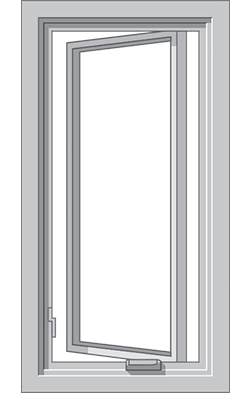
Protect a home with WindPact casement windows from CWS’ highest rated vinyl impact product line….
View ProductDon't wait for the next storm season to secure your home. Contact our expert team today for a free, professional consultation on wind-rated windows and doors tailored to your local building codes.