
8414 Sabal Industrial Blvd, Tampa, FL 33619
Hurricane Strong. STH Strong
Mon – Fri 8:00AM – 5:00OM / Sat-Sun – Closed
September 10, 2026 · Reading time: ~11 min
Yes, select impact-resistant product lines are fully certified to meet the strict Florida Building Code standards, including the rigorous HVHZ requirements for coastal counties. These systems undergo extensive missile-impact and cyclic pressure testing to ensure they can withstand the strongest storms.
Most Tampa homeowners see a 15% to 30% reduction in their monthly cooling costs when upgrading from old single-pane glass to high-performance Low-E double-pane options. The exact savings depend on your home’s orientation, insulation, and the efficiency of your HVAC system.
Impact glass features a tough plastic interlayer bonded between two panes of glass, keeping the window sealed even if shattered by debris. Tempered glass is designed to break into small, harmless pieces to prevent injury, but it will not prevent wind and water from entering your home during a storm.
Related reading: South Windows: How to Manage Summer Solar Heat Gain.
If you want to flood your home with Florida’s natural light without turning your living room into a sauna or leaving yourself vulnerable to the next major storm, you need a smart strategy. Installing high-performance Sunlight windows and doors is the single most effective way to balance beautiful, sunlit interiors with structural safety and low utility bills. This guide is for Tampa homeowners who want to upgrade their drafty, outdated windows to modern, storm-ready systems that slash cooling costs and withstand hurricane-force winds. At STH Windows & Doors, we install these systems daily across the Tampa Bay area, and we know exactly what works—and what fails—under the Gulf Coast sun.
Living in Tampa means dealing with intense solar radiation and high humidity for most of the year. Standard glass simply cannot handle this environment. When you choose replacement windows, you are not just buying glass and frames; you are investing in an engineered barrier designed to protect your home’s interior, lower your energy consumption, and keep your family safe.
Tampa summers are brutal on your HVAC system. Standard clear glass allows solar infrared radiation to pass directly into your home, heating up your floors, walls, and furniture. This process—known as solar heat gain—forces your air conditioner to run constantly to maintain a comfortable temperature.
According to the U.S. Department of Energy, heat gain and heat loss through windows are responsible for roughly 25% to 30% of residential heating and cooling energy use. In Tampa, where cooling is a year-round necessity, choosing windows with a low Solar Heat Gain Coefficient (SHGC) is critical to keeping your power bills manageable.
We do not just battle the heat in Florida; we also face severe tropical weather. During a hurricane, the real danger to your home is not just the wind itself, but the flying debris carried by that wind. If a rogue tree branch or roof tile shatters a standard window, wind rushes into your home, causing a rapid increase in internal pressure. This sudden pressurization is often what blows roofs off and collapses structural walls.
In Hillsborough County, building codes require windows and doors to withstand specific wind loads and impact forces. Investing in high-quality Florida Building Code approved impact glass means you do not have to spend hours putting up heavy plywood or metal shutters every time a storm enters the Gulf.
Achieving the perfect balance between letting natural light in and keeping heat and storms out requires advanced materials and precise engineering. High-performance window systems rely on a combination of specialized glass coatings and structurally reinforced frames to deliver long-term durability in coastal environments.
Low-Emissivity (Low-E) coatings are microscopically thin, transparent layers of metal oxide applied directly to the glass surface. These coatings act like a two-way mirror for thermal energy. They reflect harmful ultraviolet (UV) rays and infrared heat away from your home while allowing visible light to pass through. This means you get bright, naturally lit rooms without the associated heat, and your carpets, artwork, and furniture are protected from UV-induced fading.
The frame of a window is just as important as the glass. Cheap, hollow frames warp over time under the intense Florida sun, leading to air leaks and structural failure. High-performance vinyl and aluminum frames utilize multi-chambered designs. These internal chambers trap air to create a highly effective thermal barrier, preventing heat from transferring from the hot exterior frame to the cool interior of your home. Additionally, these chambers house heavy-duty steel or aluminum reinforcements to provide the structural rigidity needed to pass strict impact testing.
“A window shouldn’t just be a piece of glass in a wall; it is a dynamic barrier that manages energy, light, and impact. If your windows are more than fifteen years old, they are actively costing you money every single day.”
When planning your project for Tampa replacement windows, you must choose the right frame material and glass configuration for your home’s architectural style and your budget. Here is how the core options stack up.
Vinyl is the undisputed king of energy efficiency. Because vinyl is a natural insulator, it does not conduct heat. When combined with multi-chambered frame construction and double-pane argon gas-filled glass, vinyl windows deliver outstanding thermal performance. They are virtually maintenance-free, meaning they will not rust, corrode, or require painting—even if you live right on the water in South Tampa or Apollo Beach.
For modern architectural designs, aluminum is often the preferred choice. Aluminum frames are incredibly strong, allowing manufacturers to build windows with much narrower profiles and larger glass areas. This gives you clean, minimalist sightlines and maximizes your views. However, because aluminum conducts heat easily, it is vital to choose thermally broken aluminum frames, which feature a non-conductive barrier inside the frame to stop heat transfer.
If storm safety is your primary concern, Hurricane windows tampa are non-negotiable. These windows feature laminated glass, which consists of two panes of glass bonded to a tough, resilient plastic interlayer (usually polyvinyl butyral or PVB). If an object strikes the window, the outer glass may crack, but the interlayer holds the shards firmly in place, keeping the weather seal intact and preventing wind and rain from entering your home.
Tampa living is all about the indoor-outdoor lifestyle. Whether you are hosting a backyard barbecue in Carrollwood or enjoying a quiet evening on your patio in Westchase, your doors should make transitioning to your outdoor spaces effortless while keeping your home secure.
Large sliding glass doors can be a major source of heat gain if they are not built to high energy standards. Fortunately, modern engineering allows for massive glass doors that protect your home just as well as a solid wall.
For standard residential upgrades where storm protection and energy efficiency are equally critical, we highly recommend the CWS® WINDPACT Vinyl Sliding Patio Door. Gliding horizontally along a heavy-duty track, these vinyl impact sliding patio doors protect homes from strong hurricanes, intruders, and outside noise. The vinyl construction provides excellent thermal insulation, keeping your AC cooling costs down during our humid summers.
If you have a luxury home with a massive opening and want the absolute best in modern design, the Euro Vista Slide Thermally Broken door system is the premier choice. Manufactured by Euro-Wall, these sliding glass doors feature a thermally broken lift-and-slide mechanism designed for large openings. They provide incredible structural strength alongside superior energy efficiency, and their flush sill design creates a perfectly flat transition between your indoor living space and your outdoor pool deck.
Your front door is the focal point of your home’s curb appeal, but it also needs to stand up to forced entry and severe weather. Modern Impact resistant doors florida are typically constructed from heavy-duty fiberglass or steel. Fiberglass is particularly well-suited for Tampa because it does not warp, rot, or rust, and it can be finished to look exactly like real wood without any of the high-maintenance drawbacks.
Choosing the right product line depends heavily on your specific goals, your home’s location, and your budget. The table below outlines the key differences between the primary configurations we install.
| Product Line | Frame Material | Energy Efficiency | Storm Protection Rating | Best Suited For |
|---|---|---|---|---|
| Standard Vinyl Series | Multi-Chambered Vinyl | Excellent (Low U-factor) | Standard Wind Loads | Suburban inland homes looking for maximum energy savings. |
| Thermally Broken Aluminum | Extruded Aluminum | Good (With Thermal Break) | High Structural Rating | Modern custom homes with large architectural openings. |
| Hurricane Impact Series | Reinforced Vinyl or Aluminum | Excellent to Good | High-Velocity Hurricane Zone (HVHZ) | Coastal homes, high-wind areas, and security-conscious owners. |
To see how these high-performance systems perform in the real world, let us look at a recent installation we completed for a homeowner in South Tampa, near Bayshore Boulevard.
The client owned a beautiful two-story home built in the mid-1990s. The original wood-framed, single-pane windows were rotting from years of exposure to humidity and rain. During the summer, the west-facing rooms became incredibly hot, forcing the homeowner to close the blinds and sit in the dark to keep the house cool. Furthermore, their electric bills during July and August routinely topped $450 per month, and the family felt highly anxious every hurricane season because they had to manually hang heavy, dangerous metal shutters.
We designed a comprehensive replacement plan to address their energy, aesthetic, and safety concerns. We replaced all the old wood windows with premium, energy-efficient vinyl impact windows featuring double-pane laminated glass and a Low-E coating.
For the back of the house opening to the pool deck, we removed an old, drafty French door and installed a CWS® WINDPACT Vinyl Sliding Patio Door. This drastically opened up their view of the pool while providing certified hurricane protection without the need for ugly shutter tracks.
The results were immediate and measurable. In the first full summer following the installation, the homeowner’s average monthly electric bill dropped by 24%, saving them over $100 per month. Street noise from nearby traffic was cut in half, creating a much quieter, more peaceful indoor environment.
Best of all, after submitting the wind mitigation certificate provided by our installation team, the homeowner’s insurance company reduced their annual windstorm premium by 18%. When storm season arrives, they no longer have to worry about rushing home to install shutters; they simply lock their doors and windows and know they are fully protected.
If you are planning to upgrade your home’s windows and doors, use this step-by-step checklist to ensure you get the right products for your specific needs:
Yes, select impact-resistant product lines are fully certified to meet the strict Florida Building Code standards, including the rigorous HVHZ requirements for coastal counties. These systems undergo extensive missile-impact and cyclic pressure testing to ensure they can withstand the strongest storms.
Most Tampa homeowners see a 15% to 30% reduction in their monthly cooling costs when upgrading from old single-pane glass to high-performance Low-E double-pane options. The exact savings depend on your home’s orientation, insulation, and the efficiency of your HVAC system.
Impact glass features a tough plastic interlayer bonded between two panes of glass, keeping the window sealed even if shattered by debris. Tempered glass is designed to break into small, harmless pieces to prevent injury, but it will not prevent wind and water from entering your home during a storm.
Related reading: South Windows: How to Manage Summer Solar Heat Gain.
Do not wait for the next major storm or another expensive summer electric bill to upgrade your home. Contact our local Tampa window and door specialists at STH Windows & Doors today for a free, no-obligation consultation and custom quote tailored to your home’s unique needs.
Based on this article, here are products that might help you:
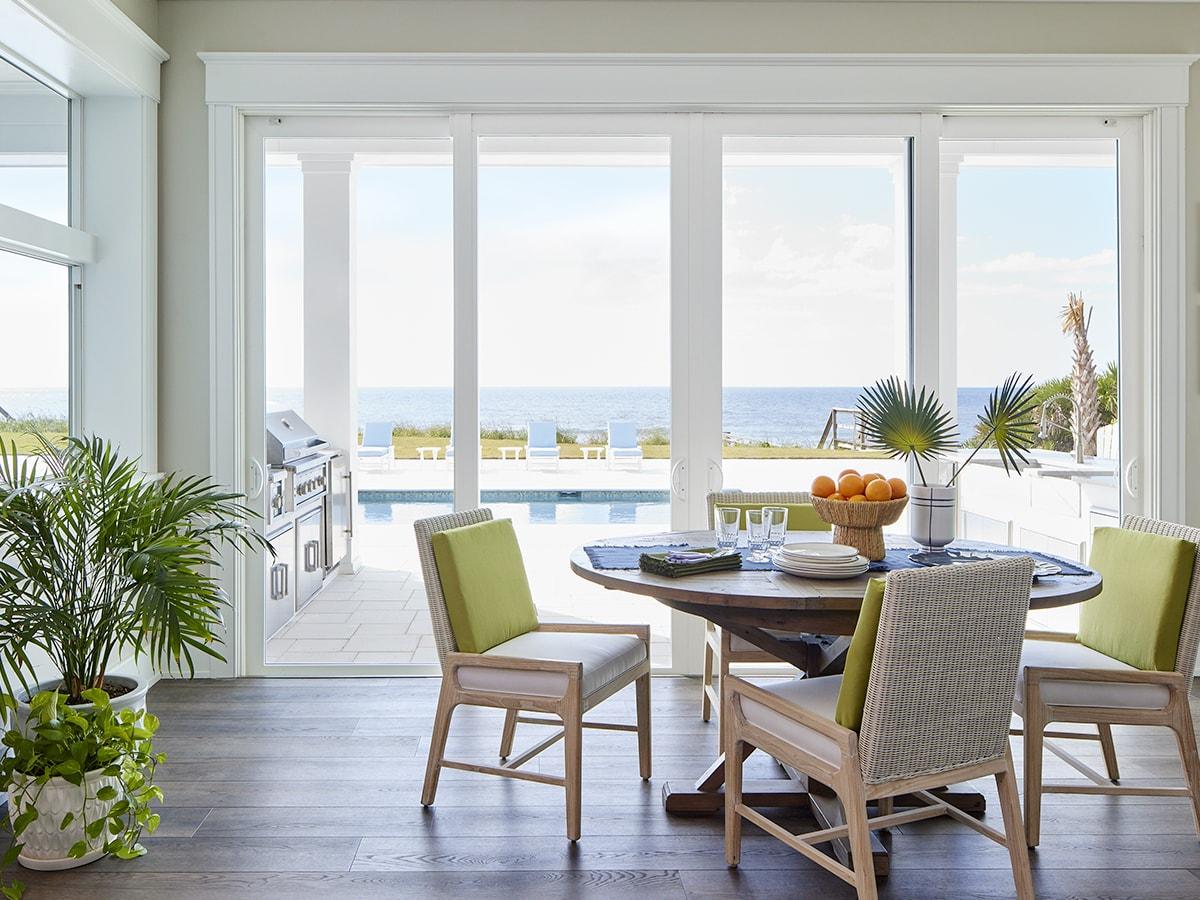
Gliding horizontally along a track, CWS WindPact vinyl impact sliding patio doors protect homes from…
View Product
Euro Vista Slide™ thermally broken lift and slide doors for large openings provides both strength…
View ProductContact our local Tampa window and door specialists today for a free, no-obligation consultation and custom quote tailored to your home's unique needs.