
8414 Sabal Industrial Blvd, Tampa, FL 33619
Hurricane Strong. STH Strong
Mon – Fri 8:00AM – 5:00 PM / Sat-Sun – Closed
September 14, 2026 · Reading time: ~10 min
Upgrading to signature impact windows is a significant financial investment, but it is one of the few home improvements that pays you back in multiple ways. First, you will see an immediate drop in your monthly cooling bills—often between 15% and 30% depending on the age and condition of your old windows.
Second, you will qualify for substantial discounts on your homeowner’s insurance premiums. In Florida, insurance companies are legally required to offer premium reductions for homes with fully protected openings. Finally, impact windows add permanent equity to your home, making it highly attractive to future buyers who value safety and low utility costs.
Under the federal Energy Efficient Home Improvement Credit (Section 25C), homeowners can claim a tax credit of up to 30% of the cost of eligible energy-efficient improvements, with a maximum credit of $600 per year for windows. To qualify, the windows must meet the Energy Star most efficient criteria for your climate zone.
Additionally, programs like the My Safe Florida Home initiative periodically offer matching grants of up to $10,000 for wind mitigation upgrades, including impact windows, for qualifying Florida homeowners. Combining these tax incentives, insurance savings, and lower utility bills makes upgrading to high-performance impact glass an incredibly smart financial move.
When you upgrade to Signature impact windows in Tampa, you are looking for two things: absolute protection from Category 5 hurricanes and immediate relief from brutal summer utility bills. To get both, your windows must meet strict energy specifications: a Solar Heat Gain Coefficient (SHGC) of 0.25 or lower and a U-factor of 0.40 or lower. While the physical impact-resistant glass keeps windborne debris out of your living room, the low-emissivity (Low-E) coatings and thermal frame engineering keep the Florida heat from overloading your air conditioner.
This guide is for Tampa homeowners who want to navigate the technical jargon of energy ratings to choose the right impact-resistant windows for their budget and safety needs. At STH Windows & Doors, we install these systems every day, and we know exactly which specifications deliver the best return on investment in our local climate.
Living in Tampa means dealing with a climate of extremes. During the summer, temperatures consistently hover in the 90s with humidity levels that make the air feel like a warm blanket. This intense heat is interrupted only by afternoon thunderstorms or, worse, the threat of major tropical systems rolling in from the Gulf of Mexico.
Your windows are the most vulnerable part of your home’s envelope. They have to stand up to 140+ mph winds while simultaneously reflecting relentless solar radiation. Standard windows allow radiant heat to pass directly into your home, forcing your HVAC system to run constantly. When a storm hits, those same standard windows can easily shatter from flying debris, instantly pressurizing your home and risking roof failure.
Hillsborough County lies within a designated wind-borne debris region. Under the Florida Building Code, any new or replacement windows installed in this zone must either be impact-rated or protected by approved hurricane shutters.
Standard double-pane glass simply cannot handle the impact of a flying 2×4 timber during a hurricane. Once the glass breaks, the structural integrity of your home is compromised. Non-impact options, like our CWS® ARIA Vinyl Single-Hung Window, are excellent, cost-effective solutions for inland applications or homes that already have certified hurricane shutters. However, if you want continuous, passive storm protection without the hassle of putting up heavy shutters every time a storm enters the Gulf, premium impact glass is the only logical choice.
A signature-grade impact window is defined by its heavy-duty construction and architectural-grade materials. Unlike standard residential windows, these systems feature reinforced frames made of thick vinyl or heavy-gauge aluminum, heavy-duty hardware, and a specialized multi-layer glass package.
The engineering behind these windows focuses on structural integrity. The frames are designed with internal chambers that add strength and trap air, acting as natural insulators. When we install these systems in Tampa homes, we look for structural ratings (DP ratings) of DP50 or higher, meaning the window can withstand 50 pounds of pressure per square foot—the equivalent of winds exceeding 140 mph.
Many homeowners confuse tempered glass with laminated glass. Tempered glass is heat-treated to be stronger than standard glass, and when it breaks, it crumbles into small, relatively harmless pebbles. This is the safety glass you find in bathroom showers and side car windows.
Laminated glass, which is the core technology of signature impact windows, takes safety a step further. It consists of two sheets of glass bonded together by a tough, clear plastic interlayer—usually polyvinyl butyral (PVB) or SentryGlas Plus (SGP).
“When an object strikes laminated glass, the outer glass layer may crack, but the plastic interlayer holds the fragments firmly in place. This prevents the envelope of your home from breaching, keeping wind, rain, and debris outside where they belong.”
The U.S. Environmental Protection Agency (EPA) divides the country into distinct climate zones for its Energy Star program. Florida, apart from the northern panhandle, sits entirely within the Southern Zone. This zone is characterized by hot, humid summers and very mild winters, meaning your windows need to focus almost entirely on keeping heat out, rather than keeping heat in.
To earn an Energy Star certification in the Southern Zone, a window must meet strict performance metrics. Specifically, it must have a Solar Heat Gain Coefficient (SHGC) of 0.23 or lower and a U-factor of 0.40 or lower. Meeting these standards ensures that your windows are actively lowering your cooling costs during our long summer months.
While both ratings are important, they measure completely different types of heat transfer:
| Specification Metric | Energy Star Southern Zone Target | What It Means for Your Tampa Home |
|---|---|---|
| Solar Heat Gain Coefficient (SHGC) | ≤ 0.23 | Blocks over 77% of direct solar heat from entering your home. |
| U-Factor | ≤ 0.40 | Prevents ambient outdoor heat from conducting through the frame and glass. |
| Visible Light Transmittance (VT) | Higher is better (typically > 0.40) | Allows natural daylight in while blocking the heat and UV rays. |
Low-emissivity (Low-E) coatings are microscopically thin, transparent layers of metal oxide applied to the glass surfaces. These coatings are designed to reflect infrared light (heat) and ultraviolet (UV) light while allowing visible light to pass through.
Without Low-E coatings, an impact window is just a heavy piece of glass that will turn your home into a greenhouse. By reflecting UV rays, Low-E glass also protects your interior furnishings, hardwood floors, and artwork from fading under the intense Florida sun.
Think of the U-factor as the window equivalent of an R-value (which is used to measure wall insulation). The key difference is that while a higher R-value is better, a lower U-factor is better.
U-factor measures the entire window assembly—the glass, the frame, the spacers, and the sealant. If you buy a window with highly efficient glass but a cheap, uninsulated frame, your overall U-factor will suffer because heat will easily conduct through the frame material.
For signature impact windows in Central Florida, look for a U-factor between 0.28 and 0.40. Anything in this range will perform exceptionally well.
While northern climates chase U-factors as low as 0.20 to keep furnace heat inside, paying a massive premium for an ultra-low U-factor in Tampa yields diminishing returns. Your primary focus should always be keeping the SHGC low, with the U-factor serving as a supporting metric to keep ambient humidity and conductive heat at bay.
The material of your window frame plays a massive role in its thermal performance. Aluminum is incredibly strong and lightweight, making it a favorite for modern architectural designs with large spans of glass. However, aluminum is a natural conductor of heat.
Vinyl, on the other hand, is a natural insulator. Multi-chambered vinyl frames trap air and drastically reduce heat conduction, resulting in much better U-factors.
If your priority is energy efficiency and lowering your monthly AC bill, a vinyl impact product like the CWS® WINDPACT Vinyl Awning Window or the CWS® WINDPACT Vinyl Casement Window is your best bet. If you want maximum structural strength for a home right on the water, aluminum remains a highly durable choice.
Do not just take a salesperson’s word for it when they claim a window is “highly efficient.” Always ask to see the National Fenestration Rating Council (NFRC) label. The NFRC is an independent, non-profit organization that tests and certifies the energy performance of windows, doors, and skylights.
The NFRC label is typically applied directly to the glass of a new window. It clearly displays the U-factor, Solar Heat Gain Coefficient, Visible Transmittance, and sometimes Air Leakage ratings. If a window does not have an NFRC label, it is not certified, and you should not buy it.
Every window installed in Tampa must have an active Florida Product Approval number (FL#). This number proves that the window has been tested by an independent laboratory and approved by the state to withstand specific wind loads and impact forces.
Upgrading to signature impact windows is a significant financial investment, but it is one of the few home improvements that pays you back in multiple ways. First, you will see an immediate drop in your monthly cooling bills—often between 15% and 30% depending on the age and condition of your old windows.
Second, you will qualify for substantial discounts on your homeowner’s insurance premiums. In Florida, insurance companies are legally required to offer premium reductions for homes with fully protected openings. Finally, impact windows add permanent equity to your home, making it highly attractive to future buyers who value safety and low utility costs.
Under the federal Energy Efficient Home Improvement Credit (Section 25C), homeowners can claim a tax credit of up to 30% of the cost of eligible energy-efficient improvements, with a maximum credit of $600 per year for windows. To qualify, the windows must meet the Energy Star most efficient criteria for your climate zone.
Additionally, programs like the My Safe Florida Home initiative periodically offer matching grants of up to $10,000 for wind mitigation upgrades, including impact windows, for qualifying Florida homeowners. Combining these tax incentives, insurance savings, and lower utility bills makes upgrading to high-performance impact glass an incredibly smart financial move.
Yes, many premium impact windows meet the Southern Zone Energy Star criteria. To qualify, they must be configured with a high-performance Low-E glass package and argon gas fills to achieve an SHGC of 0.23 or lower and a U-factor of 0.40 or lower.
A U-factor of 0.40 or lower is considered highly efficient for the Tampa climate. While lower ratings are great, the Solar Heat Gain Coefficient (SHGC) is actually the more critical metric for blocking the intense Florida solar heat.
Absolutely. By blocking up to 77% of solar heat gain, high-performance impact windows significantly reduce the thermal load on your home. This allows your air conditioner to run less frequently, often cutting cooling costs by 15% to 30%.
While shutters provide physical protection, they do not offer the 24/7 security, noise reduction, UV protection, or thermal efficiency of impact windows. Impact windows protect your home constantly without requiring any physical setup before a storm.
For a deeper look, see Marvin Tilt and Turn Windows: How the Dual Action Works.
Don’t wait for the next storm season or high energy bill to upgrade your home. Contact our Tampa window specialists today for a free, personalized consultation on Energy Star-rated impact windows.
Based on this article, here are products that might help you:
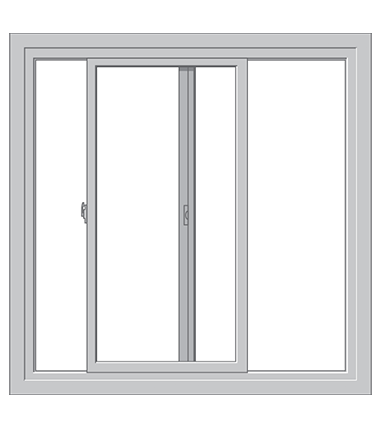
Made of strong aluminum, CWS Clear Advantage sliding windows are maintenance free. These non-impact windows…
View Product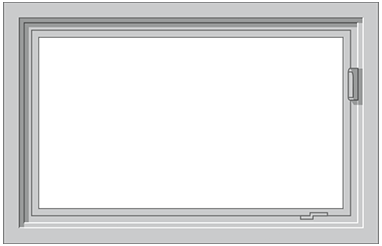
Enjoy exceptional hurricane protection, effortless everyday performance and added ventilation with CWS WindPact impact awning…
View Product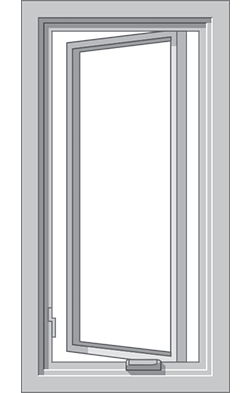
Protect a home with WindPact casement windows from CWS’ highest rated vinyl impact product line….
View Product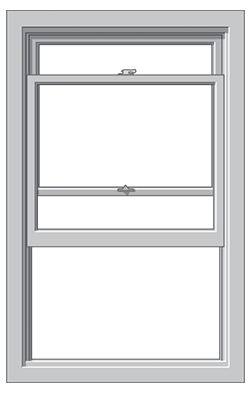
Our non-impact, Aria single-hung tilt-in window offers a solution for inland applications, while providing beauty…
View ProductDon't wait for the next storm season or high energy bill to upgrade your home. Contact our Tampa window specialists today for a free, personalized consultation on Energy Star-rated impact windows.