8414 Sabal Industrial Blvd, Tampa, FL 33619
Hurricane Strong. STH Strong
Mon – Fri 8:00AM – 5:00OM / Sat-Sun – Closed
July 20, 2026 · Reading time: ~10 min
In Tampa, your home’s exterior openings are the only barrier standing between your living room and a Category 4 hurricane or a 98-degree July afternoon. To survive here, you need high-quality All weather windows and doors that deliver both structural impact resistance and elite thermal insulation. This guide is for Tampa homeowners who want to protect their properties from devastating storms while permanently lowering their monthly cooling costs.
We do not sugarcoat things at STH Windows & Doors. The truth is that cheap, builder-grade windows are a financial liability in Florida. If you want to keep your AC bill manageable and avoid boarding up your house every time a tropical system forms in the Gulf, you need to understand how materials, glass coatings, and engineering ratings actually work in our coastal climate. Let’s look at what actually works, what doesn’t, and how to make the right investment for your home in 2026.

Tampa’s weather is notoriously tough on buildings. We get hit with a brutal combination of intense UV radiation, high humidity, salt-heavy air, and sudden, violent afternoon thunderstorms. During the summer, your air conditioner works overtime to battle the heat radiating through your glass. If your windows are outdated, you are essentially throwing money out the window every single month.
But thermal performance is only half the battle. We also live with the constant threat of tropical storms and hurricanes. A single breach in your home’s envelope during a storm can lead to catastrophic structural failure. When high winds enter a home through a broken window or door, they create internal pressure that can literally lift the roof off the structure. That is why high-performance, impact-resistant openings are not a luxury in Florida—they are an absolute necessity.
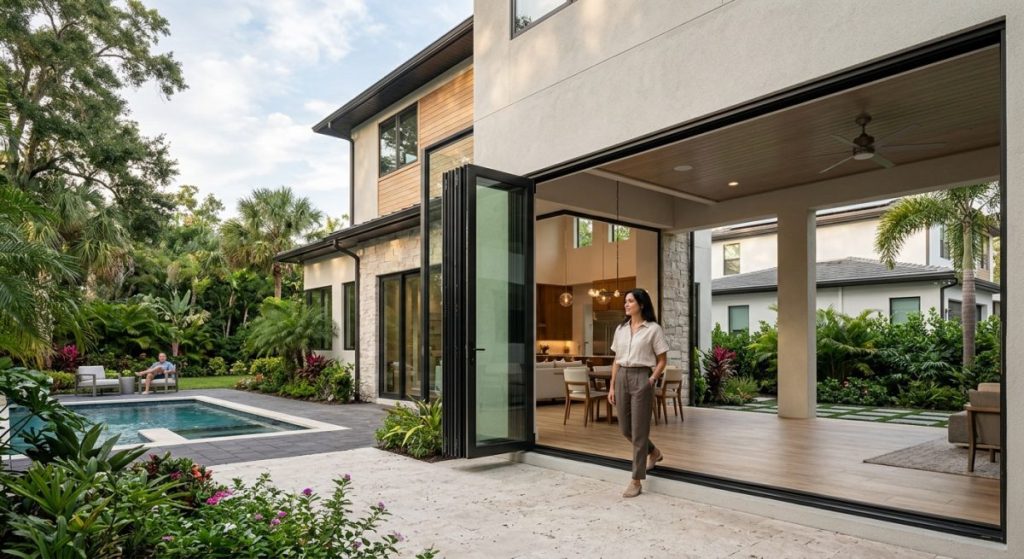
Many older homes in South Tampa and the surrounding suburbs still have original, single-pane aluminum windows. These units fail on multiple fronts when subjected to Florida’s climate. They offer almost zero insulation, meaning they act like radiators, transferring the sun’s heat directly into your home.
When solar heat pours through inefficient glass, your HVAC system has to run constantly to maintain a comfortable indoor temperature. This continuous cycling does more than just drive up your TECO energy bills; it shortens the lifespan of your expensive air conditioning equipment. If your AC is constantly fighting thermal transfer from poor windows, you will find yourself replacing your compressor years ahead of schedule.
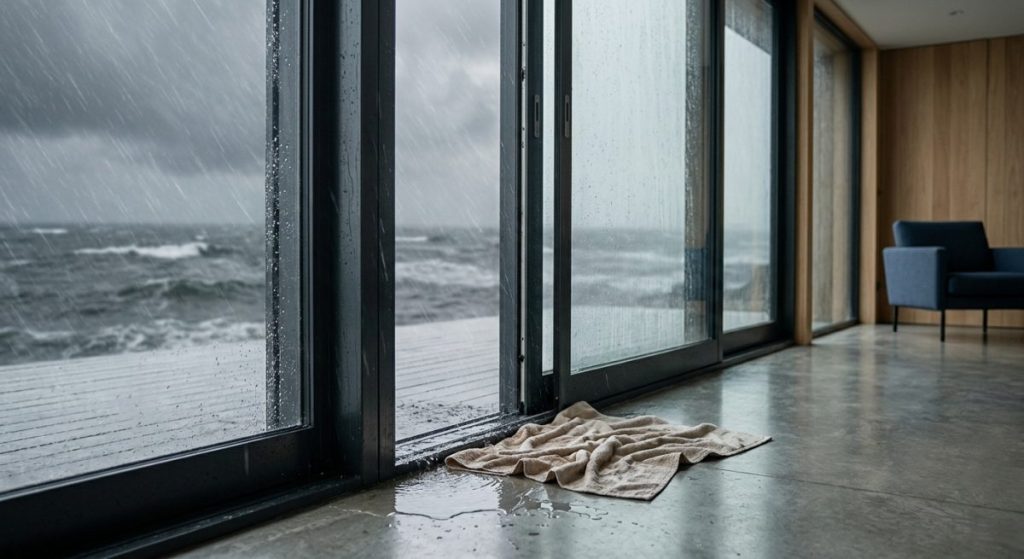
Coastal moisture and salt air are incredibly destructive. Standard wood windows rot quickly when exposed to our high humidity and frequent rains. Cheap, non-anodized aluminum frames pit, corrode, and bubble, which eventually ruins the tracks and prevents the windows from opening or closing properly. Once a frame’s structural integrity is compromised, water leaks in during heavy downpours, leading to hidden mold growth behind your drywall.
“A window that leaks air also leaks water. In Florida’s high-pressure storm conditions, water intrusion is often what causes the most expensive, long-term damage to a home’s interior.”
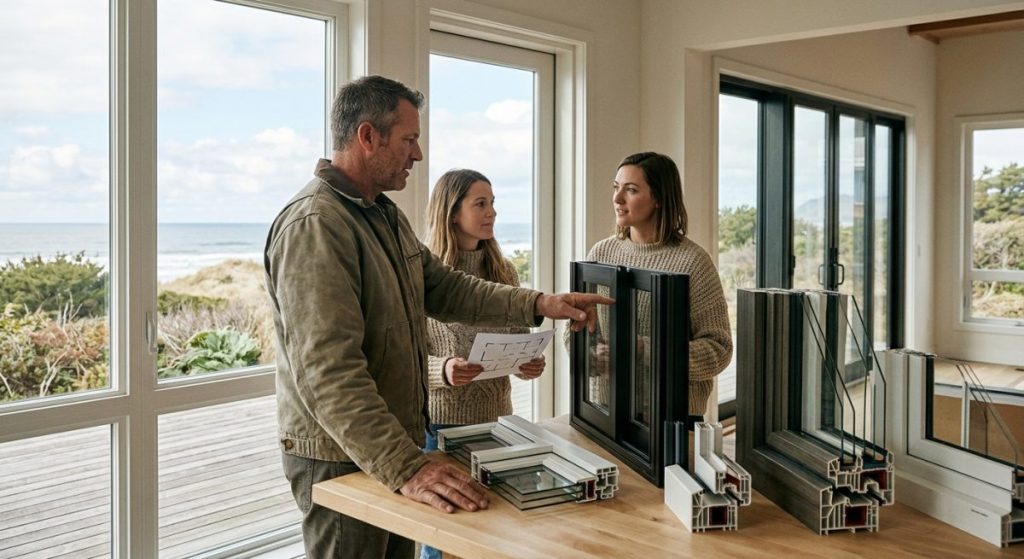
When choosing All weather windows and doors, the frame material you select dictates how long the unit will last, how much maintenance it will require, and how well it will insulate your home. You cannot just look at the glass; the frame has to do the heavy lifting structurally and thermally.
| Material | Storm Resistance | Thermal Efficiency | Maintenance Required | Best Suited For |
|---|---|---|---|---|
| Vinyl | Excellent (with internal steel reinforcement) | Outstanding (non-conductive) | Extremely Low | Tampa residential homes seeking maximum energy savings |
| Aluminum | Outstanding (maximum structural strength) | Moderate (requires thermal breaks) | Low (requires marine-grade finish) | Large spans, commercial properties, modern designs |
| Fiberglass | Excellent | Outstanding | Low | High-end custom residential projects |
For the vast majority of Tampa homeowners, high-quality vinyl is the smartest choice. Vinyl windows Florida homeowners install—like the CWS® WINDPACT Vinyl Casement Window—are made from heavy-duty, multi-chambered PVC that does not conduct heat. This material is impervious to rot, salt air, and insect damage. It never needs to be painted or sealed.
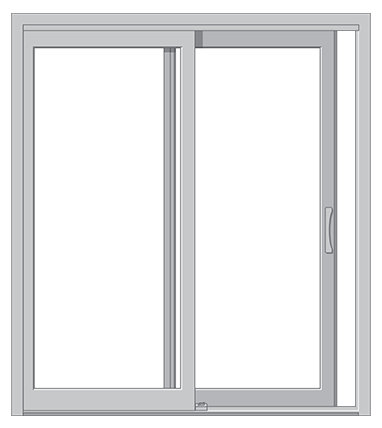
Aluminum remains popular for modern architectural styles and massive openings because of its inherent strength. If you choose aluminum, you must ensure it features a thermal break—a non-conductive barrier inside the frame that stops heat from transferring from the outside to the inside. For example, the CWS® ICON Aluminum Sliding Door uses robust aluminum panels designed to handle extreme wind loads while maintaining structural integrity over decades of use.
The frame material only matters if the window seals tightly. High-performance windows utilize multi-point locking systems that pull the sash tight against the frame when closed. This compresses heavy-duty, marine-grade weatherstripping to create an airtight and watertight seal. This prevents water from being forced through the tracks during a severe afternoon thunderstorm or a tropical storm.
If you want to install truly Energy efficient windows tampa homes require, you have to know how to read the National Fenestration Rating Council (NFRC) label. Many homeowners make the mistake of looking at ratings designed for northern climates, which will lead to buying the wrong product for Florida.
In the North, buyers look for a low U-factor, which measures how well a window keeps heat inside. In Tampa, we care almost exclusively about the Solar Heat Gain Coefficient (SHGC). SHGC measures the fraction of solar radiation admitted through a window. It is expressed as a number between 0 and 1. The lower the number, the less solar heat the window transmits. For our climate, you should look for an SHGC of 0.25 or lower to keep your home cool and your power bills manageable.
Low-E (low-emissivity) coatings are microscopically thin, transparent layers of metal oxide applied directly to the glass. These coatings reflect infrared heat (the heat you feel from the sun) away from your home while allowing visible light to pass through. This keeps your home bright without turning it into a greenhouse.
Living on the Gulf Coast means you cannot ignore storm safety. Standard windows require you to put up heavy plywood or metal shutters every time a storm threatens. Installing permanent Florida building code windows with impact glass eliminates this hassle entirely.
Laminated impact glass is constructed by bonding two layers of glass around a tough, flexible plastic interlayer (usually polyvinyl butyral or SentryGlas). If an object—like a flying tree branch or roof tile—strikes the window, the outer glass may shatter, but the interlayer holds the fragments together. The window remains intact, keeping wind, rain, and debris out of your home. This same technology makes Hurricane impact doors highly effective at deterring burglars, as they cannot easily break through the laminated barrier.
Design Pressure (DP) ratings indicate a window’s ability to withstand structural wind loads. A DP rating of 50 means the window has been tested to withstand 75 pounds per square foot of pressure (which includes a 1.5x safety factor). In coastal Tampa, depending on your proximity to the water, building codes typically require windows with a DP rating of 50 or higher. Always check the product’s Florida Product Approval number to ensure it meets the structural demands of your specific zone.
Here are the trade-offs to consider when choosing between vinyl and aluminum for impact protection:
Vinyl Impact WindowsTo see how these materials perform in the real world, let us look at a retrofit project we completed for a homeowner in South Tampa, located just blocks from Hillsborough Bay.
The home was built in 1994 and still had its original, single-pane aluminum windows. During the summer, the homeowner’s monthly electric bills routinely exceeded $450. Additionally, the homeowner experienced severe anxiety during hurricane season, dreading the physical strain of dragging heavy metal storm shutters out of the garage and mounting them to the second story of the house.
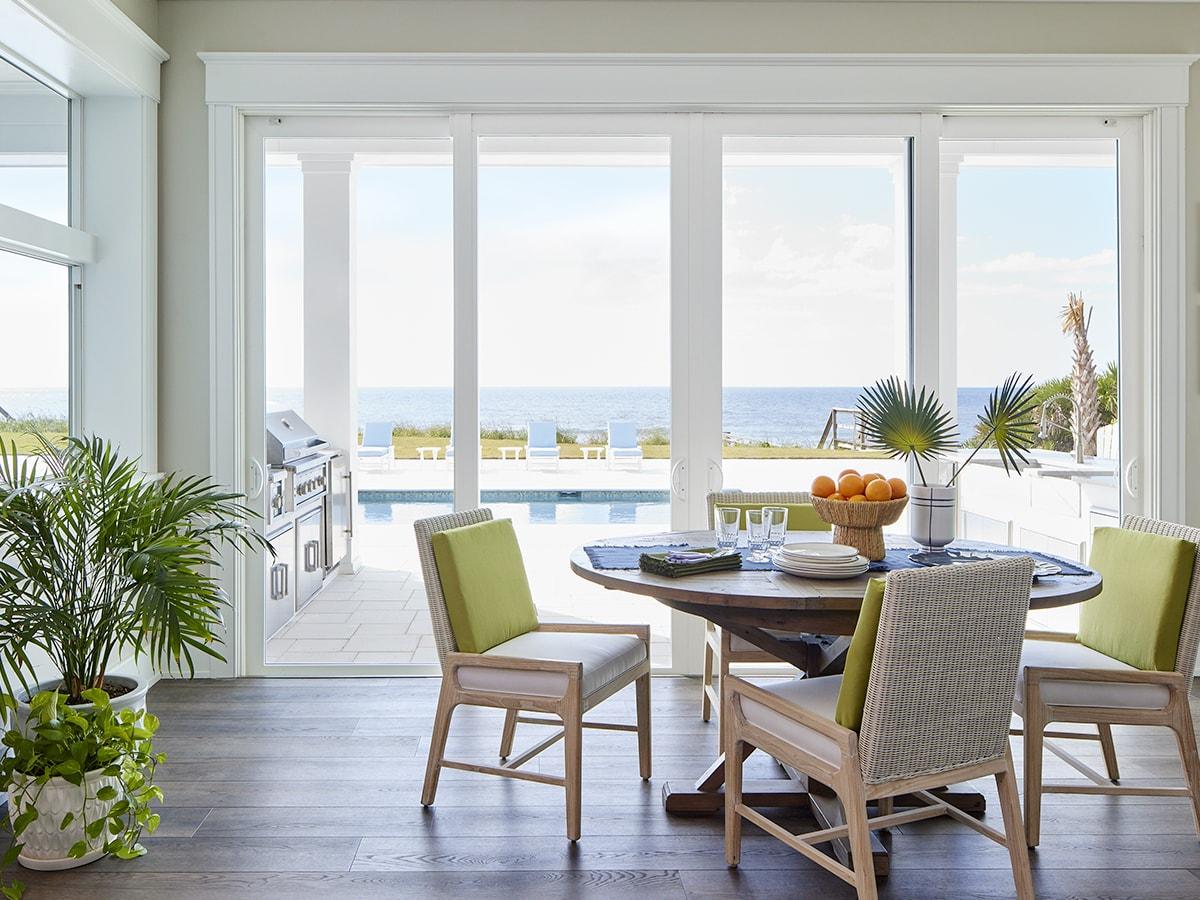
We replaced all 18 of the home’s original windows with CWS® WINDPACT Vinyl Casement Windows. For the back patio, we removed a leaking, hard-to-slide door and installed a CWS® WINDPACT Vinyl Sliding Patio Door. Both products featured laminated impact glass, argon gas fills between the panes, and a high-performance Low-E coating designed specifically for the hot Florida sun.
The impact was immediate. The homeowner’s average summer electric bill dropped by 22%, saving them over $100 a month during the hottest parts of the year. Because their entire home was now protected by impact-rated openings, they qualified for a substantial discount on their wind mitigation insurance premiums. As an added bonus, the heavy laminated glass cut down on street noise so effectively that they could no longer hear the morning traffic on the nearby main road.
If you are planning to upgrade your home’s exterior openings, use this step-by-step checklist to ensure you get the best performance, safety, and return on your investment:
Vinyl and fiberglass are the best frame materials for Tampa’s climate. They offer superior thermal insulation, won’t warp or rot in our extreme humidity, and completely resist corrosion from salt air. This makes them highly durable and virtually maintenance-free compared to traditional wood or standard aluminum.
Yes, certified impact windows provide exceptional protection during major storms. They are engineered to withstand flying debris and extreme wind pressures without breaching. However, the exact level of safety depends on the window’s Design Pressure (DP) rating, which must match your local building code requirements.
By upgrading from old single-pane windows to ENERGY STAR certified impact windows, Tampa homeowners typically save between 12% and 15% on their monthly cooling costs. Over a year, this translates to hundreds of dollars saved while reducing wear on your air conditioning system.
Absolutely. High-quality impact doors are built with insulated polyurethane foam cores and heavy-duty weatherstripping. This combination blocks both physical intruders and extreme storm winds, while preventing Florida’s intense outdoor heat from transferring directly into your air-conditioned home.
For a deeper look, see Kolbe Windows and Doors: Product Series and Material Options.
Don’t wait for the next storm season or another high energy bill to make your home secure. Contact our local Tampa team today for a free, no-obligation consultation on the best weather-resistant windows and doors for your property.
Based on this article, here are products that might help you:
Gliding horizontally along a track, CWS WindPact vinyl impact sliding patio doors protect homes from…
View ProductFeel safe and secure. CWS Icon aluminum impact sliding patio door feature aluminum panels and…
View ProductEnjoy exceptional hurricane protection, effortless everyday performance and added ventilation with CWS WindPact impact awning…

View ProductProtect a home with WindPact casement windows from CWS’ highest rated vinyl impact product line….

View ProductSystem Overview The SMI-090 Non-Impact Series redefines efficiency for aluminum storefront systems. Unlike standard options,…
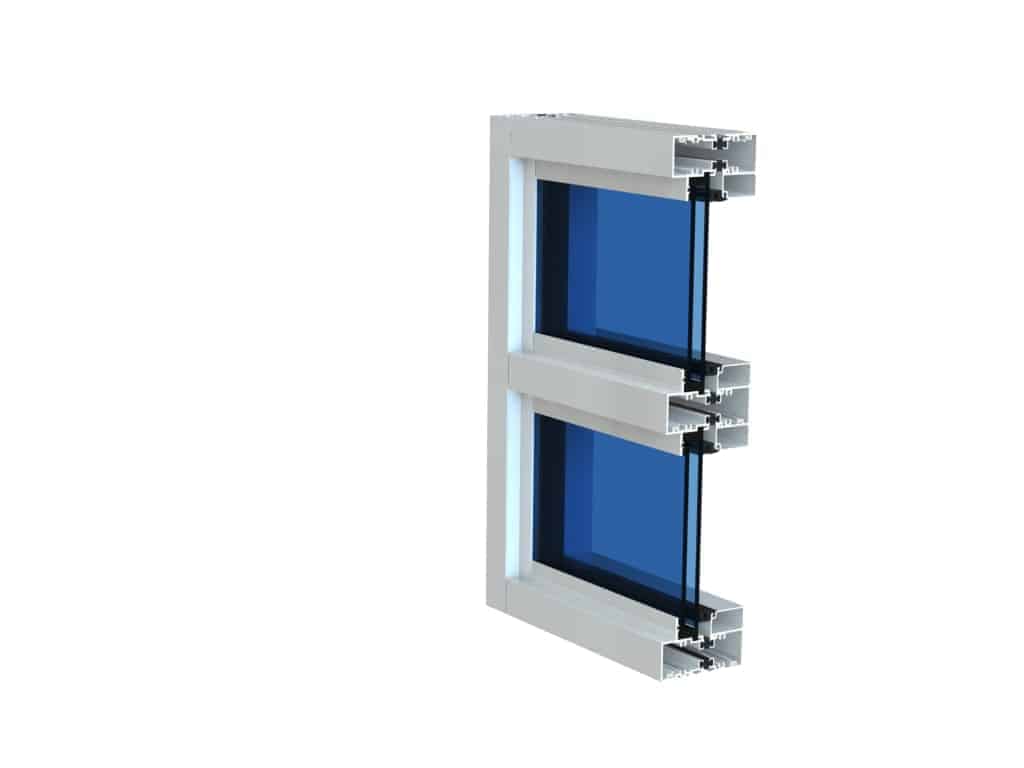
View ProductVersatility & Performance The SMI-245 Series is a flexible, non-impact aluminum framing system designed to…
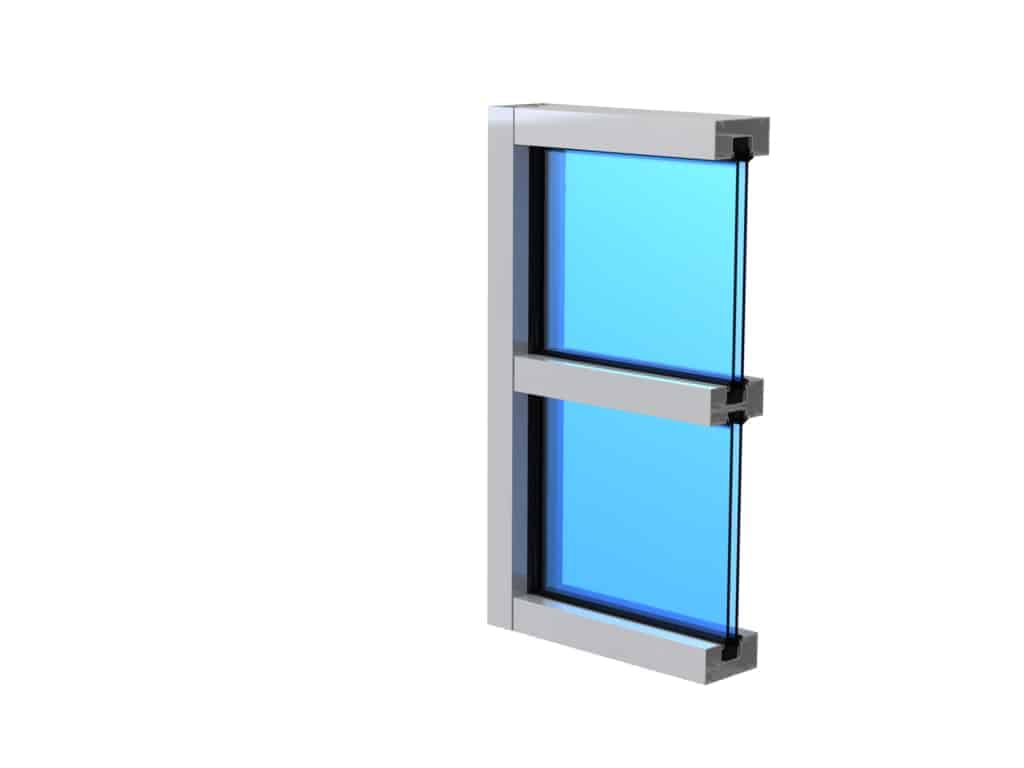
View ProductDon't wait for the next storm season or high energy bill. Contact our local Tampa team today for a free, no-obligation consultation on the best weather-resistant windows and doors for your property.