
8414 Sabal Industrial Blvd, Tampa, FL 33619
Hurricane Strong. STH Strong
Mon – Fri 8:00AM – 5:00OM / Sat-Sun – Closed
April 16, 2026 · Reading time: ~13 min
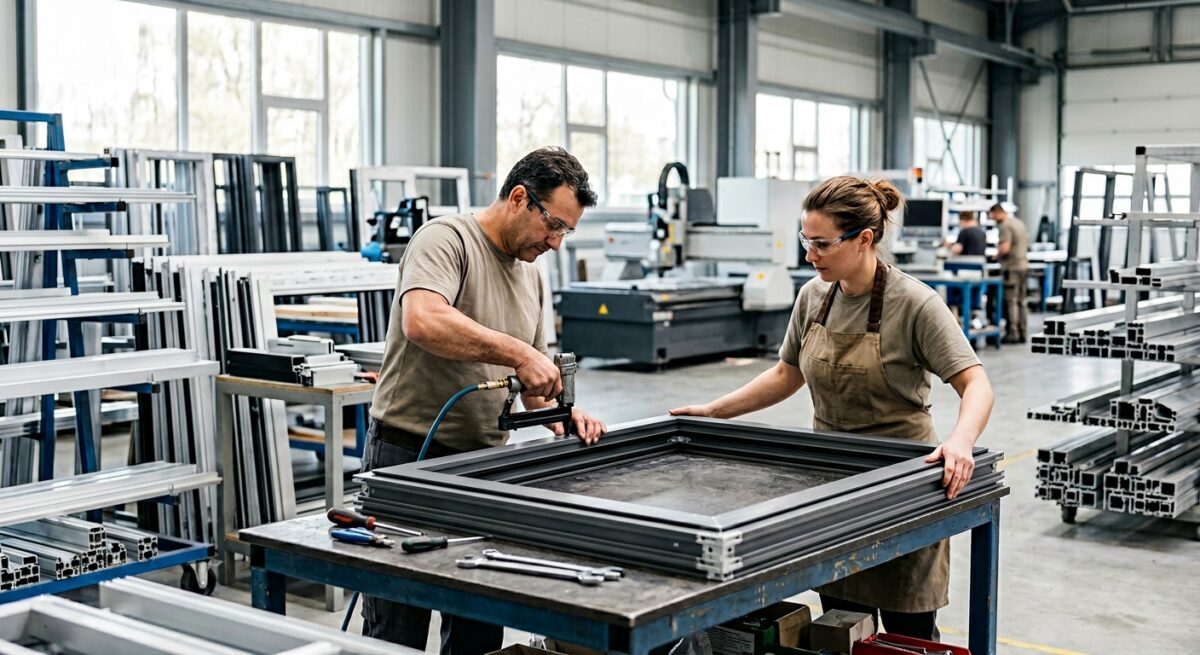
Here’s the hard truth: even the most beautifully crafted, high-spec window from the best aluminium windows manufacturers in the world will perform terribly if installed poorly. Seriously. A bad install can lead to leaks, drafts, operational problems, and even void your warranty. The manufacturer’s role here’s often about guidance and certification.
Many top manufacturers have programs to certify installers. These guys have been trained on the specific products, understand the correct flashing techniques, sealing methods, and how to properly integrate the window into your home’s structure. While a good general contractor might do a fine job, a manufacturer-certified installer brings a level of specialized knowledge that’s hard to beat. It’s usually a safer bet, especially for complex installations.
What goes wrong? Windows installed out of plumb or level. Inadequate flashing around the opening, leading to water intrusion behind the wall. Improper use of fasteners, over-tightening or under-tightening.
Sealant applied incorrectly or not at all. Failing to remove old caulk or debris. These aren’t rocket science, but they require attention to detail and proper technique. A sloppy install guarantees future headaches.
Ask the aluminium windows manufacturers you’re considering for recommendations. Check online reviews (Google, Yelp, Houzz) religiously, but look for patterns of positive feedback on professionalism, cleanliness, and communication. Get multiple quotes, and don’t just go with the cheapest. Ask for references and actually call them. Look for installers who’re licensed and insured – that’s a basic requirement.
So, you’re thinking about new windows for your place in Tampa. Smart move. But before you pull the trigger, there are some things you absolutely need to know about aluminium windows manufacturers. We’re not talking about dark conspiracies here. It’s more about the nitty-gritty details that most people gloss over. And trust me, these details can make or break your investment.
Look, these “secrets” aren’t exactly industry conspiracies. They’re more like the crucial differentiators that separate a shoddy window from one that’ll stand the test of time. When you’re dropping a chunk of change on new windows, you want to know you’re getting something that’s built right, performs well, and won’t start to corrode after a few Florida storms. This guide is for Tampa homeowners who want to cut through the marketing fluff and understand what truly matters when choosing aluminium windows.
And speaking of Tampa, here’s a thought: have you considered local aluminium windows manufacturers? While national brands have their place, there’s a real benefit to working with companies that understand our specific climate. They get the salt air, the humidity, the intense sun. A local outfit often provides more personalized service, quicker turnaround for issues, and windows built with Florida conditions in mind. It’s not always the cheapest route, but for peace of mind? It’s often worth it.
Anyone can slap some aluminium together and call it a window. But the *quality* of that aluminium? That’s where the real magic — or misery — happens. Especially here in the Tampa Bay area, where salt spray and relentless humidity are basically part of the . You can’t just look at a shiny frame and assume it’s good.
Most window frames use alloys from the 6000 series. The most common for windows is 6063. It’s decent, offering a good balance of strength and corrosion resistance. But some manufacturers might cut corners and use lower-grade alloys, or even improperly processed 6063. Then there’s 6061, which is a bit stronger but sometimes less malleable for complex shapes. The key is ensuring it’s a reputable alloy, properly extruded, and free from internal defects. Ask your aluminium windows manufacturers directly about the alloy they use. Don’t be shy.
And the aluminium itself is only half the story. How it’s treated is crucial. Powder coating is standard, but the *quality* of that coating varies wildly. A cheap powder coat will chip and fade. Anodizing offers better durability and corrosion resistance, which is a big plus near the coast. A high-quality finish, applied correctly, acts like a shield. It’s what keeps the window looking good and performing well for years, resisting chalking and fading under our intense Florida sun.
They probably won’t volunteer that their aluminium supplier is the cheapest they could find, or that their extrusion process is a bit faster, sacrificing some structural integrity. They might not mention that their coating supplier isn’t certified to the highest standards.
It’s on you to ask about certifications, material testing reports, and the specific alloy and finishing processes. This isn’t about mistrust; it’s about due diligence.
You might think manufacturing aluminium windows is pretty straightforward: extrude the profiles, cut them, assemble. But the devil, as they say, is in the details. The precision, the technology, the little things done right — these make a massive difference in how your windows perform, especially keeping that Tampa heat and humidity out.
When profiles are cut, they need to be dead-on accurate. Tiny misalignments in cuts, or poorly drilled holes for hardware, can compromise the entire window’s structural integrity.
This affects everything from how well it seals against the elements to how smoothly the sashes operate. It’s not just about making it fit; it’s about making it fit *perfectly* and maintaining its strength.
This is HUGE for Florida. A thermal break is essentially an insulating material inserted between the interior and exterior aluminum frame pieces. Without it, heat (or cold, though less of an issue here) transfers directly through the metal, making your windows an easy pathway for energy loss. High-performance aluminium windows *must* have a thermal break. It’s non-negotiable for keeping your AC from working overtime. According to the U.S. Department of Energy, improved window insulation can reduce household energy bills by up to 15% annually. Imagine what that means in Tampa’s sweltering summers!
What happens on the factory floor after the cutting and assembly? That’s where good manufacturers shine. You should expect rigorous checks. Are the seals properly applied? Is the hardware functioning smoothly? Are the frames dimensionally accurate? Are there any cosmetic defects? A solid QC process catches problems *before* the windows leave the factory. This is why looking at reviews and asking about their QC procedures is so important when vetting aluminium windows manufacturers.
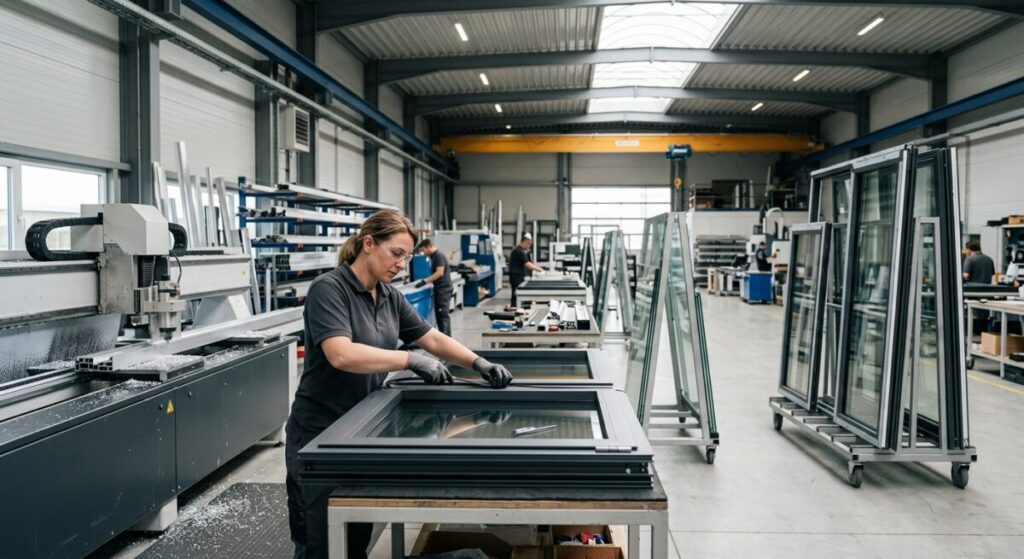
This is where things get interesting. How much control do you want, and how much are you willing to pay for it? Aluminium windows manufacturers offer a spectrum, from off-the-shelf sizes to fully bespoke designs.
Standard sizes are often cheaper and quicker to get. They’re designed to fit common rough openings. The upside? Cost savings and faster delivery. The downside? They might not fit your existing openings perfectly, leading to more complex installation, potential gaps, or just a less aesthetically pleasing look. If your house isn’t brand new or built to very specific, modern dimensions, standard might be a headache.
Custom windows are where you get exactly what you want. Unique shapes? Oversized panes? Specific grille patterns? You name it. Aluminium is incredibly versatile, allowing for complex designs. This is fantastic for unique architectural styles or when you need to replace a non-standard existing window. It means a perfect fit and a look that’s truly yours.
It’s not just about the extra material. Customization involves more engineering, specialized tooling, potentially longer production runs, and more rigorous quality control for unique pieces. Complex shapes require more precise cutting and assembly.
That’s why custom windows can easily cost 20-50% more than standard sizes. You’re paying for the flexibility, the precision, and the tailored fit. Some aluminium windows manufacturers are better equipped for complex custom work than others.
| Feature | Standard Windows | Custom Windows |
|---|---|---|
| Cost | Lower | Higher |
| Lead Time | Shorter | Longer |
| Fit | May require shimming/adjustment | Precise fit |
| Design Flexibility | Limited | High |
| Best For | New construction, standard openings | Renovations, unique designs, exact replacements |
This is critical for Tampa. You’re paying for air conditioning practically year-round. Your windows are a major player in how much energy you burn. Those stickers with U-factor and SHGC? They’re not just jargon; they’re your roadmap to saving money.
U-Factor measures how well a window prevents heat from escaping. Lower is better. For Tampa, you want a U-factor of 0.30 or lower. Solar Heat Gain Coefficient (SHGC) measures how much solar radiation is admitted as heat. Lower is better here too, especially to keep out that brutal summer sun. Aim for an SHGC of 0.25 or less. Visible Transmittance (VT) is about how much light comes through. Higher VT means more natural light. There’s a balance to strike here, but don’t sacrifice too much SHGC for light.
Most decent aluminium windows today will come with double-pane (or double-glazed) glass. This means two panes of glass separated by a gap, often filled with an inert gas like argon. This gap is the insulator. Triple-pane offers even better insulation but adds significant weight and cost. For Tampa’s climate, high-quality double-pane with the right coatings (like Low-E) and a good U-factor/SHGC rating is usually enough and more cost-effective. Triple-pane might be overkill unless you’re in a hyper-insulated, passive house scenario.
According to ENERGY STAR, selecting windows with a low U-factor and SHGC appropriate for your climate zone (Florida is Zone 2 or 3) can reduce energy bills significantly.
This is a bit of a moving target, but always worth checking. Florida Power & Light (FPL), Tampa Electric, and other local utilities sometimes offer rebates for installing energy-efficient windows. There might also be state or federal tax credits available. These can shave hundreds, even thousands, off the total cost. Check the websites for FPL and the Florida Department of Environmental Protection for current programs. It’s money left on the table if you don’t look!
A warranty is your manufacturer’s promise that their product will perform. But not all warranties are created equal. You need to know what you’re actually covered for, and for how long.
Good aluminium windows manufacturers will offer separate warranties. You’ll see one for the frame (against defects, corrosion), one for the insulated glass unit (against seal failure, fogging), and sometimes one for the finish. The duration is key. Lifetime warranties sound great, but read the fine print. What does “lifetime” mean? The lifetime of the original owner? The product? And crucially, does it cover labor if something goes wrong? A great frame warranty is useless if you have to pay a fortune to have it fixed.
This is where many homeowners shoot themselves in the foot. Improper cleaning (using harsh chemicals), physical damage (think lawnmowers or stray baseballs), modifications not approved by the manufacturer, or installation by unqualified personnel can all void your warranty. It’s essential to follow the manufacturer’s care instructions and, critically, ensure installation is done correctly. Most manufacturers will void the warranty if installation isn’t done by a certified professional.
Even if the manufacturer has a stellar warranty, dealing with them directly from afar can be a pain. This is where a reputable local installer in Tampa adds immense value. They often provide their *own* warranty on the installation work itself.
This means if the window fails due to an installation error, your local guy is on the hook to fix it. It’s a double layer of protection that’s incredibly reassuring.
Here’s the hard truth: even the most beautifully crafted, high-spec window from the best aluminium windows manufacturers in the world will perform terribly if installed poorly. Seriously. A bad install can lead to leaks, drafts, operational problems, and even void your warranty. The manufacturer’s role here’s often about guidance and certification.
Many top manufacturers have programs to certify installers. These guys have been trained on the specific products, understand the correct flashing techniques, sealing methods, and how to properly integrate the window into your home’s structure. While a good general contractor might do a fine job, a manufacturer-certified installer brings a level of specialized knowledge that’s hard to beat. It’s usually a safer bet, especially for complex installations.
What goes wrong? Windows installed out of plumb or level. Inadequate flashing around the opening, leading to water intrusion behind the wall. Improper use of fasteners, over-tightening or under-tightening.
Sealant applied incorrectly or not at all. Failing to remove old caulk or debris. These aren’t rocket science, but they require attention to detail and proper technique. A sloppy install guarantees future headaches.
Ask the aluminium windows manufacturers you’re considering for recommendations. Check online reviews (Google, Yelp, Houzz) religiously, but look for patterns of positive feedback on professionalism, cleanliness, and communication. Get multiple quotes, and don’t just go with the cheapest. Ask for references and actually call them. Look for installers who’re licensed and insured – that’s a basic requirement.

The price tag on the window itself is just the beginning. Smart homeowners look at the total picture, including potential hidden costs and, more importantly, the long-term return on investment.
Installation is almost always a separate, significant cost. Then there are hardware options – special locks, upgraded handles, decorative grilles. Sometimes, removal of old windows and disposal isn’t included. If you need to modify the rough opening to fit a different size window, that’s extra labor and materials. Always get a detailed quote that breaks down every single component. Don’t assume anything is included.
The good news? Aluminium windows are relatively low maintenance. Unlike wood, they don’t need painting or sealing. Regular cleaning with mild soap and water is usually enough. You’ll want to keep the tracks clean so they slide smoothly and check seals periodically. Near the coast, a more frequent rinse might be needed to wash away salt residue. It’s minimal effort for a lot of durability.
Think beyond the initial outlay. High-quality, energy-efficient aluminium windows from reputable aluminium windows manufacturers can significantly lower your energy bills.
They increase your home’s comfort, reduce outside noise, and boost curb appeal, which adds value when you decide to sell. According to the 2025 Remodeling Impact Report by the National Association of REALTORS®, new window replacement offers a strong return on investment, often recouping a significant portion of the cost upon resale.
Let’s paint a picture. Meet the Millers, who live in a lovely older home near Bayshore Boulevard. Their original single-pane windows were letting in all sorts of misery.
Their home was always either too hot or too cold, despite the AC running constantly. Street noise was a constant buzz, and they’d noticed a few drafts creeping in, especially during those rare chilly Tampa mornings. The window frames were starting to show signs of corrosion from the salty air, and condensation was a frequent issue, leading to mildew concerns.
After much research, they decided against the cheapest option. They found a local Tampa-based aluminium windows manufacturer known for using high-grade 6063-T5 alloy, powder coating certified to AAMA 2605 standards, and incorporating effective thermal breaks. They opted for double-pane, Low-E coated glass with a U-factor of 0.28 and an SHGC of 0.22. They also hired a manufacturer-certified installation team.
The transformation was night and day. Their home’s internal temperature stabilized dramatically. Their FPL bills dropped by an average of 18% in the first year, a tangible saving that quickly offset some of the upgrade cost.
The street noise vanished. Plus, the sleek new windows gave their home a modern facelift, significantly boosting its curb appeal. It wasn’t just a renovation; it was a quality-of-life improvement.
The Millers’ experience highlights how investing in quality aluminium windows and professional installation pays dividends in comfort, energy savings, and home value.
Yes, when properly manufactured with good coatings and energy-efficient glass, aluminium is durable and resistant to humidity and salt air, common in Tampa. Look for corrosion-resistant alloys and high-quality finishes.
Costs vary widely based on size, style, features (like thermal breaks), and manufacturer, but expect a range from $400 to $900 per window, excluding installation. Custom sizes and high-performance features increase this price.
Research their material quality, manufacturing processes, energy efficiency ratings, warranty, customer reviews, and reputation, especially for local Tampa options. Ask specific questions about alloys and finishes.
Some manufacturers have preferred installer networks or offer installation services, while others focus solely on supplying the product. Always clarify this and ask about certified installer programs.
Don’t let the ‘secrets’ hold you back. Understanding the nuances of aluminium windows manufacturers is key to making a smart investment. Contact our experts today for a free consultation and discover the perfect aluminium windows for your Tampa residence. We’ll help you navigate the options and ensure you get lasting value and comfort.
Get a Free Quote
Don't let the 'secrets' hold you back. Contact our experts today for a free consultation and discover the perfect aluminium windows for your Tampa residence.