
8414 Sabal Industrial Blvd, Tampa, FL 33619
Hurricane Strong. STH Strong
Mon – Fri 8:00AM – 5:00OM / Sat-Sun – Closed
August 27, 2026 · Reading time: ~9 min
Aluminum and high-performance vinyl are generally the best choices for Florida’s coast. They offer superior resistance to salt-air corrosion, high humidity, and intense UV exposure, while easily supporting the heavy laminated glass required for impact resistance during major storms.
Raw steel will rust quickly in our humid, salty air. However, modern architectural steel windows that undergo hot-dip galvanization and receive multi-coat powder finishes are highly corrosion-resistant, though they still require periodic freshwater rinsing to prevent salt buildup.
Yes, wood is an exceptional natural insulator that blocks heat transfer. When paired with modern double-pane glass and low-E coatings, wood windows are incredibly energy efficient, helping keep your cooling costs down during hot Florida summers.
Related reading: Architectural Windows and Doors: Key Materials and Design Options.
Absolutely. High-quality architectural windows made of aluminum, vinyl, and heavy-duty wood can be engineered and certified as impact-resistant. They undergo rigorous testing to meet the stringent design pressure ratings required by the Florida Building Code.
If you are building or renovating a home in Tampa in 2026, choosing the right material for your custom architectural windows comes down to balancing three factors: structural strength, maintenance tolerance, and budget. Aluminum is the undisputed workhorse for modern, storm-prone coastal homes, offering slim profiles and exceptional impact resistance. Wood offers unmatched historic authenticity and natural insulation but demands constant upkeep in our humid climate. Steel represents the pinnacle of luxury minimalism with ultra-thin profiles, but it requires a premium budget and meticulous rust prevention.
This guide is for Tampa homeowners and custom builders who want to elevate their home’s design with striking Architectural windows while surviving Florida’s harsh coastal elements. At STH Windows & Doors, we help clients navigate these material choices every day, ensuring their homes look spectacular while meeting strict structural requirements.
Architectural windows are not just functional openings; they are primary design elements that define a building’s character. Modern architectural trends favor massive expanses of glass, clean lines, and minimal framing to maximize natural light and establish a fluid connection with the outdoors. Whether it is a soaring double-height living room overlooking Hillsborough Bay or a minimalist facade in Beach Park, the geometry and material of your window frames dictate the entire aesthetic of your home. They frame your views, control interior light quality, and serve as a structural statement.
In the Tampa Bay area, we do not have the luxury of choosing building materials based solely on looks. Our local climate is incredibly punishing. Intense ultraviolet (UV) radiation bakes finishes, high relative humidity fuels rot and mold, and salt-laden air from the Gulf of Mexico corrodes metal components.
More importantly, we must design for hurricane season. Any window installed in our region must comply with the rigid Florida Building Code, which dictates wind-borne debris protection and strict design pressure (DP) ratings. Your choice of frame material directly impacts how well your windows withstand these forces over decades of exposure.
“In coastal Florida, a window frame is more than a design choice—it is a structural shield. The material you select determines whether your home remains secure during a major storm event.”
Aluminum has long been the darling of contemporary architects, and for good reason. It is incredibly strong relative to its weight, allowing manufacturers to build massive, soaring window configurations with remarkably thin frames. This structural integrity is vital when you want to maximize your glass area without compromising the safety of your home.
For non-impact applications where you want to maximize light in a protected area, the CLASSICVUE MAX ALUMINUM – Fixed Lite Architectural Window is an exceptional choice. It allows you to choose from a unique selection of geometric shapes and pair them with casement or awning windows to boost your home’s aesthetic appeal. When full hurricane protection is required, the WINGUARD ALUMINUM – Architectural Window provides the same design flexibility and dramatic shapes but includes heavy-duty, laminated impact glass engineered to withstand flying debris without the need for shutters.
Historically, the main drawback of aluminum was its thermal conductivity; it easily transferred heat from the blistering Florida sun directly into your air-conditioned home. However, modern engineering has solved this. High-performance aluminum windows now feature advanced thermal breaks—insulating barriers placed inside the frame that block heat transfer. This technology keeps your home cool, reduces the load on your HVAC system, and helps lower your monthly energy bills even during the peak of July.
When it comes to housing heavy, double-paned Impact resistant windows, aluminum is tough to beat. The material does not warp, twist, or shrink when exposed to extreme pressure. This dimensional stability ensures that the seals around the laminated glass remain intact during the intense pressure cycles of a hurricane. It is why aluminum remains the go-to material for high-exposure waterfront properties across Tampa Bay.
There is an organic warmth and character to wood that synthetic or metal materials simply cannot replicate. Wood windows have been the standard of luxury for centuries, making them the premier choice for traditional, craftsman, colonial, and transitional architectural designs.
Wood is a natural insulator. It contains millions of microscopic air pockets that block the transmission of heat and cold, making it exceptionally energy efficient. Beyond performance, wood offers unparalleled customization. It can be carved, stained, or painted to match any interior millwork or exterior historical detail. The depth of profile and shadow lines on a premium wood window create a sense of craftsmanship and luxury that elevates the entire property value.
The elephant in the room for wood windows in Florida is maintenance. Raw wood and high humidity are natural enemies. Without proper care, wood frames can swell, warp, peel, and eventually rot under the assault of our seasonal rains and intense UV rays.
To use wood successfully in Tampa, you must invest in premium, factory-treated wood species or opt for aluminum-clad wood windows. Clad windows feature a warm, natural wood frame on the interior and a durable, low-maintenance aluminum shield on the exterior to protect the wood from the elements. This gives you the best of both worlds: historic beauty inside and rugged coastal protection outside.
For high-end custom builds where budget is secondary to design impact, steel frame windows are the ultimate statement. Steel has a historic pedigree dating back to the turn of the 20th century, yet it fits perfectly into the ultra-minimalist, industrial, and modern farmhouse designs of 2026.
Steel is roughly three times stronger than aluminum. This immense structural capacity means steel frames can be incredibly narrow—often less than half the width of an aluminum frame—while supporting massive, heavy glass panes. The result is an almost invisible frame that offers completely unobstructed views and a striking, sophisticated aesthetic. No other material can achieve the same delicate, pencil-thin sightlines.
The primary challenge with steel in a coastal environment like Tampa is rust. Salt air accelerates oxidation, which can quickly ruin a luxury window investment if the material is not properly treated.
If you choose steel, you must ensure the manufacturer utilizes advanced corrosion-protection techniques. This is what you should look for:
To help you weigh the trade-offs between these three premium materials, we have summarized their key performance indicators below:
| Feature | Aluminum Windows | Wood Windows | Steel Windows |
|---|---|---|---|
| Aesthetic Style | Modern, Contemporary, Minimalist | Traditional, Historic, Transitional | Ultra-Luxury, Minimalist, Industrial |
| Frame Profile Width | Thin (Sleek) | Thick (Substantial) | Ultra-Thin (Minimalist) |
| Maintenance Required | Low (Occasional washing) | High (Repainting/Staining required) | Moderate to High (Salt washdown) |
| Thermal Insulation | Good (With thermal breaks) | Excellent (Natural insulator) | Fair to Good (Requires thermal breaks) | Moderate to High | High | Very High (Premium luxury) |
How do these materials perform in real Tampa neighborhoods? Let us look at two common local scenarios where material selection is critical.
On Davis Islands, homes are highly exposed to open water, intense winds, and strict High Velocity Hurricane Zone (HVHZ) building codes. For a modern, multi-story home in this area, aluminum is almost always the premier choice.
By utilizing the WINGUARD ALUMINUM – Architectural Window, builders can design massive, custom-shaped glass walls that flood the home with natural light while easily achieving the high design pressure ratings required by local building inspectors. These windows withstand wind-driven rain and flying debris, providing peace of mind without requiring ugly storm shutters.
In historic districts like Hyde Park or Seminole Heights, the design priorities shift. Local historic preservation guidelines often mandate that replacement windows match the original architecture of the home. Here, vinyl or sleek aluminum can sometimes be rejected by local boards if they do not match the historic profiles.
In these cases, wood or high-quality clad-wood windows are essential to preserve the neighborhood’s architectural integrity. However, for homeowners who want the look of historic wood but prefer the low-maintenance benefits of modern materials, we often recommend energy-efficient alternatives like the ENERGYVUE VINYL – Architectural Window AR5420 or the ENERGYVUE VINYL – Casement Architectural Picture Window. These vinyl options provide beautiful traditional profiles and incredible energy efficiency without the rot and painting headaches of real wood.
Aluminum and high-performance vinyl are generally the best choices for Florida’s coast. They offer superior resistance to salt-air corrosion, high humidity, and intense UV exposure, while easily supporting the heavy laminated glass required for impact resistance during major storms.
Raw steel will rust quickly in our humid, salty air. However, modern architectural steel windows that undergo hot-dip galvanization and receive multi-coat powder finishes are highly corrosion-resistant, though they still require periodic freshwater rinsing to prevent salt buildup.
Yes, wood is an exceptional natural insulator that blocks heat transfer. When paired with modern double-pane glass and low-E coatings, wood windows are incredibly energy efficient, helping keep your cooling costs down during hot Florida summers.
Related reading: Architectural Windows and Doors: Key Materials and Design Options.
Absolutely. High-quality architectural windows made of aluminum, vinyl, and heavy-duty wood can be engineered and certified as impact-resistant. They undergo rigorous testing to meet the stringent design pressure ratings required by the Florida Building Code.
Whether you are designing a modern waterfront masterpiece on Davis Islands or restoring a historic gem in Hyde Park, our local experts are here to help you select, design, and install the perfect architectural windows for your project. We understand the unique balance of coastal performance and architectural beauty. Contact STH Windows & Doors today to schedule your personalized design consultation and see our premium product lines in person.
Based on this article, here are products that might help you:

Made to boost your home's aesthetic appeal. Choose from a unique selection of shapes and…
View Product
This architectural window comes in a wide selection of unique shapes and styles that increase…
View Product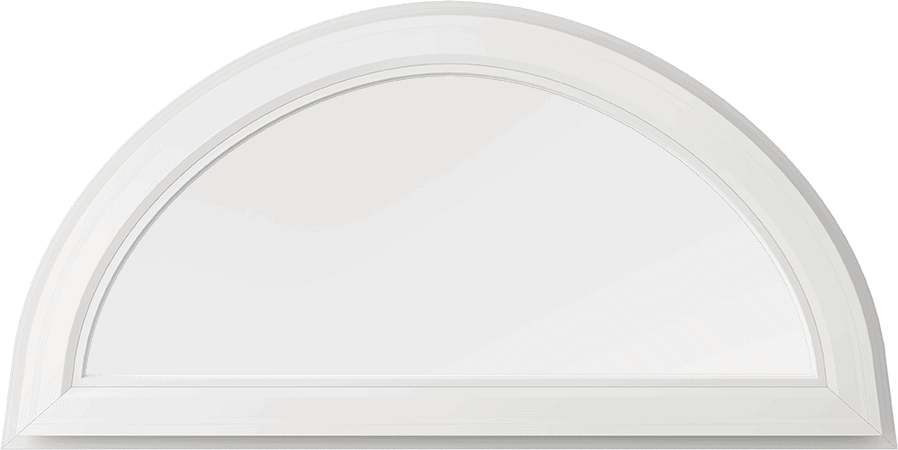
This window is available in a wide range of architectural window shapes that are perfect…
View Product
Casement Architectural Picture windows maximize light and are ideal in any room where you want…
View Product
Designed to boost curb appeal and maximize natural light. Choose from a range of styles…
View Product
Optimizes natural light throughout your home. Complete the look with a Casement or Awning window….
View ProductWhether you are designing a modern waterfront masterpiece on Davis Islands or restoring a historic gem in Hyde Park, our local experts are here to help you select, design, and install the perfect architectural windows for your project. Contact us today to schedule your personalized design consultation.