
8414 Sabal Industrial Blvd, Tampa, FL 33619
Hurricane Strong. STH Strong
Mon – Fri 8:00AM – 5:00OM / Sat-Sun – Closed
April 16, 2026 · Comparison Guide
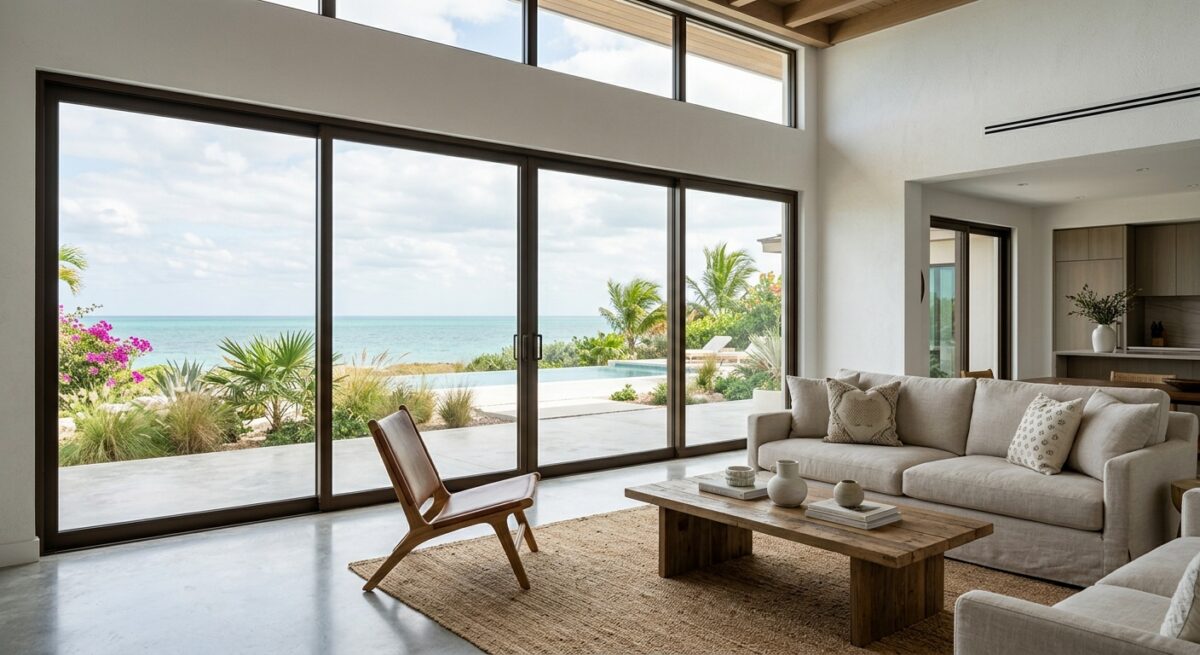
Look, if you live anywhere near the coast in Florida, especially here in Tampa, you know the drill. Hurricane season isn’t a suggestion; it’s a recurring reality. And in 2026, that reality feels more intense than ever. That’s precisely why investing in the best impact windows isn’t just a home improvement project; it’s a necessity. These aren’t your grandma’s old panes. They’re engineered marvels designed to withstand some serious punishment.
We’ve seen it happen time and time again. Storms seem to be brewing with more frequency and packing a bigger punch. The National Hurricane Center’s 2025 season review noted a concerning uptick in Category 4 and 5 storm activity over the last decade. For us in Tampa Bay, this means our homes are facing greater risks. Standard windows? They’re basically paper against hurricane-force winds and flying debris. Impact windows offer a crucial layer of defense, protecting not just your property but your family inside.
But here’s the catch: impact windows aren’t just for the big one. They offer a ton of everyday advantages that make them a smart choice year-round. Think about the constant drone of traffic on Dale Mabry Highway, or the noisy neighbors. The laminated glass in impact windows acts as a serious sound dampener, making your home a much more peaceful sanctuary. Plus, that same laminated glass blocks a significant amount of UV rays – up to 99%, according to some manufacturers. That means less fading for your furniture and flooring. And let’s not forget security. They make forced entry significantly harder. So, you get hurricane protection, peace and quiet, and boosted security. Pretty sweet deal, right?
Navigating the market for the best impact windows can feel overwhelming. So many brands, so many claims. In Tampa, a few names consistently rise to the top because they’ve proven themselves reliable, especially against our unique Florida weather. We’re talking about manufacturers who aren’t just slapping a label on something; they’re putting serious engineering into their products. Let’s break down some of the key players you’ll likely encounter when shopping around here.
Brand A has built a solid reputation for pushing the envelope on impact resistance. Their proprietary laminated glass technology is seriously tough. I’ve seen installations where they’ve held up remarkably well even after direct hits from significant storms. They don’t skimp on the frame materials either, often using reinforced vinyl or heavy-duty aluminum that’s designed to resist corrosion in our salty air. If long-term, no-nonsense durability is your top priority, Brand A is a strong contender for the best impact windows.
Now, Brand B? Their game is energy efficiency. For Tampa’s sweltering summers, this is a big deal. They really focus on their glass packages, offering low U-factor and Solar Heat Gain Coefficient (SHGC) ratings.
What does that mean for you? Less heat coming in through your windows, which translates directly into lower air conditioning bills. In 2026, with energy costs still a concern, this aspect alone can make Brand B a compelling choice, even if their impact resistance is just *really* good, rather than revolutionary.
Sometimes, you just need reliable protection without breaking the bank. That’s where Brand C often shines. They manage to offer solid impact resistance that meets or exceeds industry standards, but at a more accessible price point. They might not have all the bells and whistles of the premium brands, but their core product delivers dependable storm protection. For many homeowners in areas like Brandon or even further inland, Brand C provides a fantastic balance of cost and performance, making them a go-to for budget-conscious buyers seeking the best impact windows.
If your home is your castle and you care about how it looks, Brand D needs a look. They excel in offering customization options – think different frame colors, grid styles, and even some unique architectural shapes. But don’t let the good looks fool you; their security features are top-notch.
They often incorporate enhanced locking mechanisms and multi-point locking systems that go beyond standard impact protection. For a blend of high-end design and security, Brand D is definitely in the conversation for premium impact resistant windows Tampa homeowners covet.
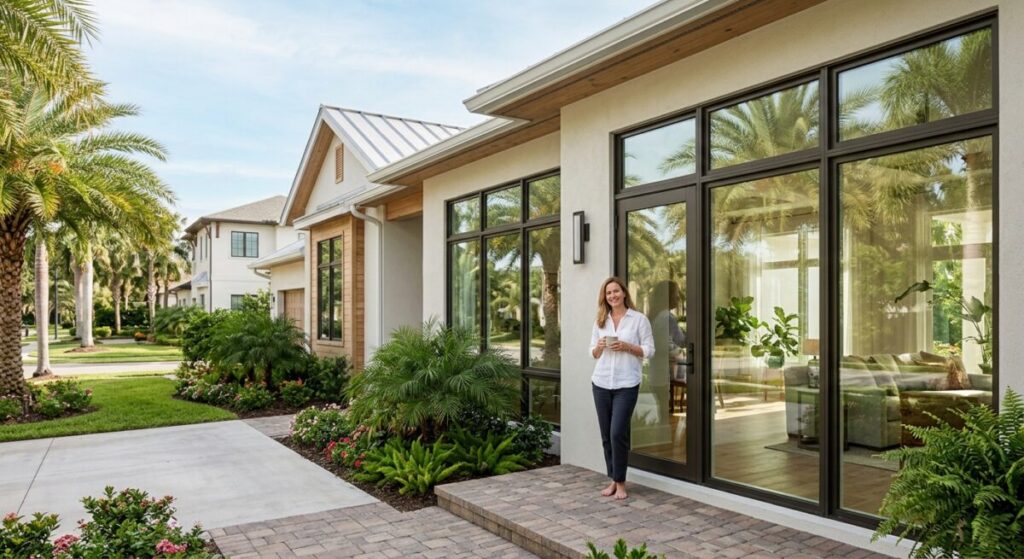
Okay, so we’ve met the players. Now, let’s get down to brass tacks. When you’re actually comparing the best impact windows, you can’t just take a brand’s word for it. You need to look at the specs. This is where the real differences emerge, and understanding these details can save you headaches – and money – down the line. Especially here in Florida, where the stakes are high, you want to know exactly what you’re getting.
This is non-negotiable. Any window marketed as “impact” needs to prove it. The gold standard in Florida is the Miami-Dade County Notice of Approval (NOA). It signifies that the product has passed rigorous testing for wind pressure, water intrusion, and missile impact.
ASTM standards, like E1886 and E1996, are also crucial benchmarks. Most reputable brands will have NOA approvals for their products. A 2025 report by the Florida Building Code Compliance Association found that windows failing to meet Miami-Dade standards were statistically more likely to fail during severe weather events.
In Tampa, your AC works overtime. Your windows are a major culprit for heat gain. Look for low U-factors (measures heat transfer; lower is better) and low SHGC ratings (measures how much solar radiation is blocked; lower is better). For our climate, aiming for a U-factor below 0.35 and an SHGC below 0.25 is a good target. According to EnergyStar, upgrading to high-performance windows can reduce household energy bills by 7-15% annually.
You’ve got a few main options here: vinyl, aluminum, and reinforced vinyl (often a composite or with internal reinforcements). Vinyl is common, cost-effective, and a decent insulator, but can degrade over decades in intense sun. Aluminum is strong but can be a heat conductor and may corrode in our coastal air if not properly treated.
Reinforced vinyl often hits a sweet spot, offering strength, insulation, and better resistance to the elements. What you choose impacts longevity and maintenance needs.
The magic is in the glass. Most impact windows use laminated glass – essentially two panes of glass bonded together with a strong interlayer (like PVB or SentryGlas). This interlayer is what keeps the glass from shattering into a million pieces when impacted. Beyond that, look for Low-E (low-emissivity) coatings, which reflect heat, and potentially argon or krypton gas fills between the panes for added insulation. These technologies work together to improve both protection and energy performance.
A good warranty is your safety net. Most top brands offer substantial warranties, often 10-20 years, covering the frame, glass, and hardware. But read the fine print! Some warranties are prorated, meaning the coverage decreases over time.
More importantly, consider the manufacturer’s reputation for standing behind their product. A great warranty is useless if the company isn’t around or is notoriously difficult to deal with. Check online reviews and ask your installer about their experience with warranty claims.
| Feature | Brand A | Brand B | Brand C | Brand D |
|---|---|---|---|---|
| Primary Strength | Extreme Impact Resistance | Energy Efficiency | Value/Cost-Effectiveness | Aesthetics & Security |
| Glass Tech | Proprietary Laminated | Multi-Pane Low-E/Argon | Standard Laminated | Advanced Laminated + Options |
| Frame Options | Reinforced Vinyl, Aluminum | Vinyl, Reinforced Vinyl | Vinyl | Premium Vinyl, Composite |
| Typical Warranty | 15-20 Years | 10-15 Years | 10 Years | 15-20 Years |
| Price Point | $$$ | $$ – $$$ | $$ | $$$ – $$$$ |
Let’s be real: impact windows aren’t cheap. Getting the best impact windows is an investment, and understanding the costs involved is crucial for budgeting. Tampa homeowners often ask me, “What’s a realistic price range?” It’s tough to give a single number because so many factors are at play. But we can break down what influences the price and how you can get the most bang for your buck.
Generally, you’re looking at anywhere from $700 to $1,500+ per window for fully installed impact-rated units. Why the wide range? It depends heavily on the brand (like we just discussed), the size and type of window (casement windows are often pricier than double-hung), the complexity of the installation, and any special features like custom tints or decorative glass.
A large picture window or a complex bay window will naturally cost more than a standard bedroom window. Don’t forget that installation is a significant chunk of the total cost.
This is where the investment starts to pay off. First, those energy-efficient features we talked about? They directly lower your monthly electricity bills. On top of that, homeowners insurance in Florida is… well, it’s a challenge. But installing impact windows can often lead to significant discounts on your premiums. Many insurance companies recognize the reduced risk and offer incentives. I’ve seen clients save anywhere from 10% to 30% on their annual premiums after upgrading. That adds up fast over the lifespan of the windows!
Worried about the upfront cost? You’re not alone. Many reputable window companies in Tampa offer financing plans to spread the cost over several years. These often come with competitive interest rates.
, keep an eye out for potential rebates. While federal tax credits for windows can be a bit finicky and often tied to specific energy efficiency levels (check current IRS guidelines for Form 5695), some local utility companies or state programs might offer incentives for energy-efficient upgrades. It’s always worth asking your installer what programs might be available.
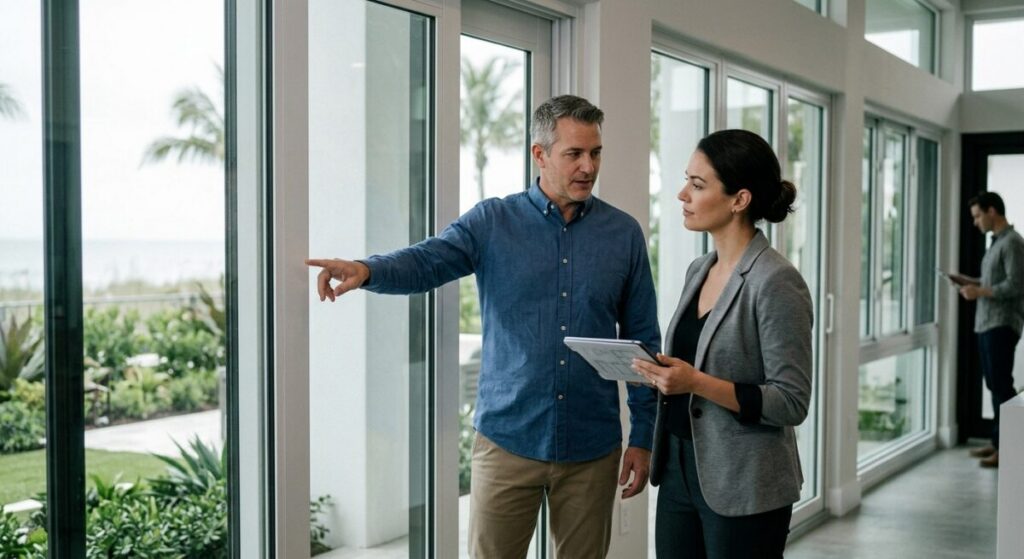
You could buy the most expensive, top-of-the-line impact windows on the market, but if they’re installed poorly, they’re practically useless. Seriously. I can’t stress this enough: installation is *paramount*. It’s not just about screwing a window into a hole. It’s about proper flashing, sealing, and ensuring the frame is structurally sound and integrated correctly with your home’s existing structure. Get this wrong, and you’ve wasted your money.
Finding the right crew in the Tampa Bay area is critical. Don’t just go with the cheapest bid. Look for licensed and insured contractors. Ask for references – and actually call them!
Check online reviews on Google, Yelp, and the Better Business Bureau. Do they have experience specifically with impact windows in coastal environments? A contractor who understands the local building codes and the unique challenges of our climate (hello, humidity and salt air!) is worth their weight in gold.
A professional installation typically involves removing your old windows, preparing the opening (this is a crucial step!), carefully setting the new impact window, ensuring it’s plumb and level, and then meticulously sealing and flashing the unit. They’ll then install the interior trim and clean up. A good installer will explain each step and answer your questions. Expect the process for a whole house to take several days, depending on the number of windows and the complexity.
Can you DIY impact window installation? Technically, maybe. Should you? Almost certainly not.
These windows are heavy and require precise fitting. Improper installation can lead to air and water leaks, seal failures, and, critically, compromise the window’s ability to withstand impact during a storm. Many manufacturer warranties are also voided if the windows aren’t installed by a certified professional. For the safety and longevity of your home, professional installation is a non-negotiable.
So, we’ve covered a lot of ground. From the sheer necessity of impact windows in Tampa to the nitty-gritty of brands, features, costs, and installation. Now, how do you pull it all together and make the right choice? It boils down to understanding your specific situation and asking the right questions. Don’t just buy windows; buy peace of mind.
First, think about your home’s location. Are you right on the bay, or a few miles inland? The closer you’re to the coast, the higher the wind speeds you need to prepare for. What are your biggest concerns? Pure storm protection?
Noise from US-19? Energy savings? Security against break-ins? Prioritize these needs. This will help you narrow down which brands and features are most important for *your* situation.
Before you sign anything, have a list of questions ready. Don’t be shy!
“When selecting impact windows, prioritize products with Miami-Dade NOA certification. This isn’t just a suggestion; it’s a critical safety standard proven effective in protecting Florida homes against extreme weather.” – Sarah Chen, Building Code Analyst (2026)
For overall value, proven performance, and excellent support in the Tampa market in 2026, we often lean towards **Brand A** for their unwavering commitment to durability and superior impact resistance, especially if your primary concern is hurricane protection. Then again, if your budget is tighter, **Brand C** offers a very compelling package that meets essential safety requirements without the premium price tag. For those prioritizing comfort and lower energy bills, **Brand B** is an outstanding choice. When you step back, the best impact windows are the ones that best match your specific needs, budget, and risk tolerance, installed by a contractor you trust implicitly.
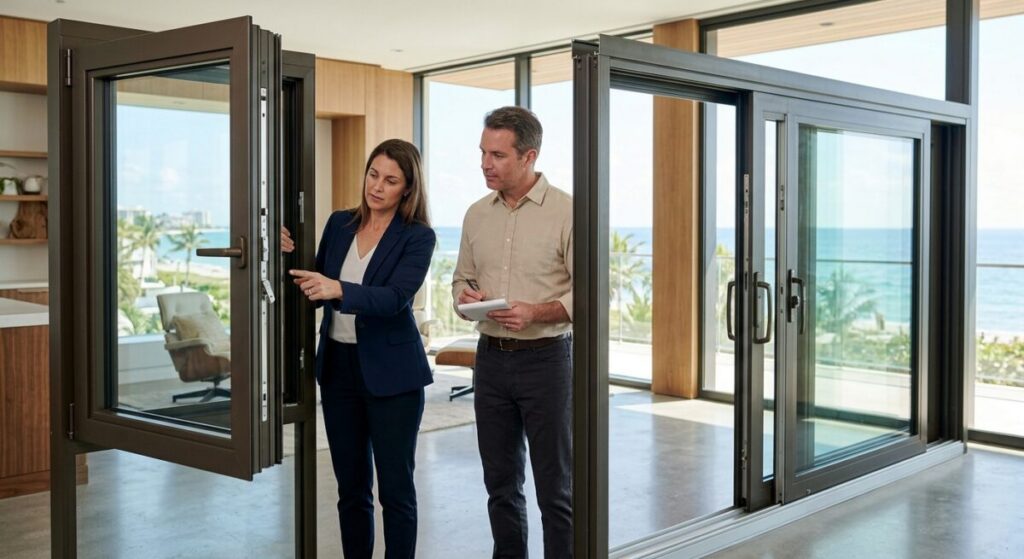
Yes, the long-term savings on insurance, energy bills, and the undeniable protection against severe weather make them a worthwhile investment for Tampa homeowners. The peace of mind alone is often priceless, especially considering the increasing storm activity we’ve seen.
With proper installation and maintenance, impact windows can last 20-30 years or even longer, offering durable protection for decades. The laminated glass and frames are designed for longevity in harsh environments.
Yes, impact windows function just like standard windows, offering the same ease of operation for ventilation and cleaning. They don’t sacrifice convenience for protection.
The seals on high-quality impact windows are designed to last for the lifetime of the window, typically 20-30 years, but can be affected by extreme conditions or poor installation. Regular inspection can help ensure their integrity.
Don’t wait for hurricane season to be reminded of your home’s vulnerability. Get a free, no-obligation quote from our expert team in Tampa and discover the perfect impact windows for your peace of mind.
We’ll assess your needs and provide a clear, competitive estimate.
Don't wait for hurricane season. Get a free, no-obligation quote from our expert team in Tampa and discover the perfect impact windows for your peace of mind.