
8414 Sabal Industrial Blvd, Tampa, FL 33619
Hurricane Strong. STH Strong
Mon – Fri 8:00AM – 5:00OM / Sat-Sun – Closed
August 16, 2026 · Reading time: ~10 min
Investing in new sliding doors or windows is a significant decision. To ensure you get a system that protects your home and lasts for decades, keep these final points in mind.
Don’t just take a salesperson’s word for it. Ask to see the product’s Florida Product Approval number. This certification proves the door has been independently tested to withstand the wind loads and impact standards required for your specific zone in Tampa. If a door isn’t certified, don’t put it in your home.
You can buy the most expensive, high-tech sliding door on the market, but if it is installed poorly, it will fail. If the frame is even slightly out of level, square, or plumb, the heavy panels will unevenly wear down the rollers, the locks won’t align, and water will find its way inside. Professional installation ensures the perimeter is properly flashed, sealed, and anchored to your home’s structural framing.
A Complete sliding doors and windows system is an engineered assembly of structural frames, heavy-duty tracks, high-performance glass, precision rollers, and multi-point locks working in unison. If one part fails, the entire system’s security, energy efficiency, and storm resistance collapse. This guide is for Tampa homeowners who want to understand how these high-performance systems protect their properties from intense coastal weather while keeping energy bills down.
In Florida, a sliding door is not just an entryway—it is a critical shield against tropical storms and intense heat. Understanding the individual components of your sliding systems helps you make an informed investment rather than relying on guesswork when upgrading your home.
To understand how a high-performance sliding system works, you have to look past the glass. A complete system relies on a structural network where every component has a specific job. Here is how the main assemblies break down.
The frame is the structural perimeter of your sliding system. It consists of the head (the top horizontal member), the jambs (the vertical side members), and the sill (the bottom horizontal member containing the track). The track is where the magic happens. In coastal Florida, the sill must feature deep drainage channels, often called weep holes, to direct heavy rainwater away from your home’s interior. A poorly designed track will trap water, eventually leading to interior wood rot and drywall damage.
The glass package determines how much heat enters your home and how well the system resists impacts. Standard single-pane glass does not cut it anymore. High-performance systems use double-pane or triple-pane insulated glass units (IGUs) filled with argon gas. This gas acts as an invisible thermal barrier. Additionally, microscopic layers of Low-E (low-emissivity) coatings reflect infrared and ultraviolet light, keeping your home cool without blocking natural light. For storm protection, the glass is laminated—meaning a tough polymer interlayer is sandwiched between two sheets of glass, keeping the pane intact even if it is struck by flying debris.
The sash is the frame that holds the glass panel. In large sliding doors, these panels are heavy—often weighing over 200 pounds. To prevent these large panels from warping or sagging over time, manufacturers insert internal steel or aluminum reinforcements inside the vinyl or aluminum profiles. This structural reinforcement ensures the panels remain perfectly rigid, allowing them to glide smoothly along the track for decades without binding.
Living in the Tampa Bay area means dealing with unique environmental stressors. From South Tampa to Apollo Beach, our homes face a combination of extreme wind, high humidity, salt air, and relentless sun. Standard off-the-shelf doors from big-box retailers simply will not survive these conditions.
While Tampa is not technically in the strictest HVHZ zone like Miami-Dade, local building codes still require high Design Pressure (DP) ratings. DP ratings measure a window or door’s ability to withstand wind and water pressure. When a major storm hits, windward pressure pushes against the glass, while leeward pressure tries to pull it out of the wall. Florida Building Code standards dictate that your sliding systems must withstand these forces without structural failure. Installing Impact rated sliding doors ensures your home remains sealed, preventing the catastrophic internal pressurization that can blow roofs off during a hurricane.
If you live near the bay, salt air is your sliding door’s worst enemy. Salt accelerates the corrosion of metal parts, particularly the rollers and locks. Standard steel rollers will rust and seize within a few years, turning your sliding door into a heavy wall. High-performance systems use marine-grade stainless steel or heavy-duty nylon rollers and corrosion-resistant tracks to keep the panels moving effortlessly despite the salty breeze.
Tampa averages over 240 sunny days a year. Without Energy efficient windows florida homeowners face astronomical cooling bills. The Solar Heat Gain Coefficient (SHGC) measures how much solar radiation passes through a window. In our climate, you want a low SHGC—ideally under 0.25. Advanced thermal breaks in aluminum frames and multi-chambered vinyl profiles prevent the outdoor heat from conducting through the frame into your air-conditioned living room.
“In Florida, a sliding door is essentially a glass wall. If that wall lacks a thermal break and low-E glazing, your air conditioner will constantly fight a losing battle against the afternoon sun.”
The overall performance of your sliding door is only as good as its moving parts. When shopping for a new system, pay close attention to the hardware specifications. This is where cheap doors fail first.
The ease of operating a sliding door depends entirely on the Sliding door rollers. High-performance doors use tandem rollers—two rollers paired together in a single housing—to distribute the panel’s weight evenly. Stainless steel rollers offer the ultimate durability for heavy impact glass, while precision-engineered nylon rollers provide whisper-quiet operation.
Sliding doors are historically a primary target for intruders because simple latch locks are easy to jimmy open. Modern complete systems solve this with multi-point mortise locks. These systems lock the door at multiple points along the jamb with heavy-duty hooks that latch securely into the frame. This makes it virtually impossible to lift the door out of its track from the outside.
When a tropical downpour hits Tampa, wind-driven rain can find its way through the smallest gaps. High-performance sliding doors feature interlocking stiles—where the vertical edges of the panels meet and lock together when closed. Combined with dense, multi-row weatherstripping, these interlocking joints create a tight seal that blocks both water and hot air drafts.
Choosing the right frame material is a balance of budget, aesthetic preference, and maintenance willingness. Here is how the three primary materials stack up for Tampa homes.
Vinyl is an excellent thermal insulator because it does not conduct heat. Modern vinyl frames, like those on the CWS® WINDPACT Vinyl Sliding Patio Door, feature multi-chambered profiles that trap air to provide superior insulation. Vinyl does not rust, rot, or require painting, making it incredibly low-maintenance for busy homeowners. It is an ideal choice for maximizing energy efficiency on a budget.
For large, expansive openings where you want to maximize your view of the backyard or pool, aluminum is the king. Its structural strength allows for incredibly slim frames that can support massive panes of glass. Systems like the CWS® ICON Aluminum Sliding Door utilize heavy-duty aluminum panels and multi-point locks to deliver maximum security and durability. While aluminum conducts heat more than vinyl, modern designs incorporate thermal breaks to isolate the interior frame from exterior temperatures.
Clad-wood offers the best of both worlds for high-end homes: the warmth and beauty of a real wood interior with the durability of an aluminum-clad exterior. The exterior metal cladding protects the wood from Florida’s moisture and termites, while the interior wood provides a classic, luxury aesthetic. However, this is the most expensive option and still requires occasional interior maintenance.
| Material | Thermal Efficiency | Structural Strength | Maintenance Required | Relative Cost |
|---|---|---|---|---|
| Vinyl (e.g., CWS WindPact) | Excellent | Moderate to High | Very Low | Budget-Friendly |
| Aluminum (e.g., CWS Icon) | Moderate (with thermal break) | Extremely High | Low | Moderate to High |
| Clad-Wood | Good | High | Moderate (interior) | Premium |
To see how these components work in the real world, let’s look at a project we recently completed for a homeowner in South Tampa, near Bayshore Boulevard.
The homeowner had a 15-year-old builder-grade aluminum sliding door leading out to their pool deck. The rollers had corroded from the humid, salty air, making the door incredibly heavy and difficult to slide. During summer afternoon storms, water would pool in the track and seep onto their hardwood floors. Additionally, their west-facing living room became unbearably hot by 3:00 PM every afternoon, forcing their AC unit to run constantly.
We recommended replacing the old unit with a CWS® WINDPACT Vinyl Sliding Patio Door. This vinyl impact sliding door features a multi-chambered frame that stops thermal transfer, preventing the hot afternoon sun from heating up the living room. Because it is an impact-rated system, it features laminated glass designed to withstand windborne debris without requiring ugly hurricane shutters. We opted for heavy-duty tandem stainless steel rollers to ensure effortless operation for years to come.
The difference was immediate. The homeowner could now open the massive sliding door with a single finger. During the first major storm after installation, the deep-sloped sill and heavy-duty weatherstripping kept the interior perfectly dry. As an added bonus, the laminated glass cut down outside traffic noise by roughly half, and their monthly electric bill dropped by nearly 15% due to the reduced load on their air conditioning system.
Investing in new sliding doors or windows is a significant decision. To ensure you get a system that protects your home and lasts for decades, keep these final points in mind.
Don’t just take a salesperson’s word for it. Ask to see the product’s Florida Product Approval number. This certification proves the door has been independently tested to withstand the wind loads and impact standards required for your specific zone in Tampa. If a door isn’t certified, don’t put it in your home.
You can buy the most expensive, high-tech sliding door on the market, but if it is installed poorly, it will fail. If the frame is even slightly out of level, square, or plumb, the heavy panels will unevenly wear down the rollers, the locks won’t align, and water will find its way inside. Professional installation ensures the perimeter is properly flashed, sealed, and anchored to your home’s structural framing.
A complete sliding door system includes the perimeter frame, weather-stripped interlocking sashes, high-performance insulated glass, tandem rollers, tracks, and a multi-point locking mechanism. All of these individual parts are engineered to work together to provide structural strength, weatherproofing, and security.
Yes, most homes in the Tampa Bay area require impact-rated glass or hurricane shutters to comply with Florida Building Codes. Impact-rated doors protect your home from windborne debris during hurricanes, eliminating the need to put up heavy plywood or shutters before a storm.
High-quality stainless steel rollers can easily last 10 to 15 years with basic maintenance. However, if you live close to the coast and fail to clean the tracks regularly, salt air and dirt can wear out the bearings in under 5 years.
Standard doors use cheap single-pane glass, basic latch locks, and plastic rollers that wear out quickly. High-performance systems feature laminated insulated glass, multi-chambered frames with thermal breaks, heavy-duty tandem rollers, and multi-point locks designed to withstand extreme weather and intruders.
Related reading: Cheap Sliding Glass Doors: Best Retailers for Budget Options.
Get in touch with our local experts at STH Windows & Doors today for a free, no-obligation consultation on high-performance, impact-rated sliding systems tailored for Florida weather.
Based on this article, here are products that might help you:
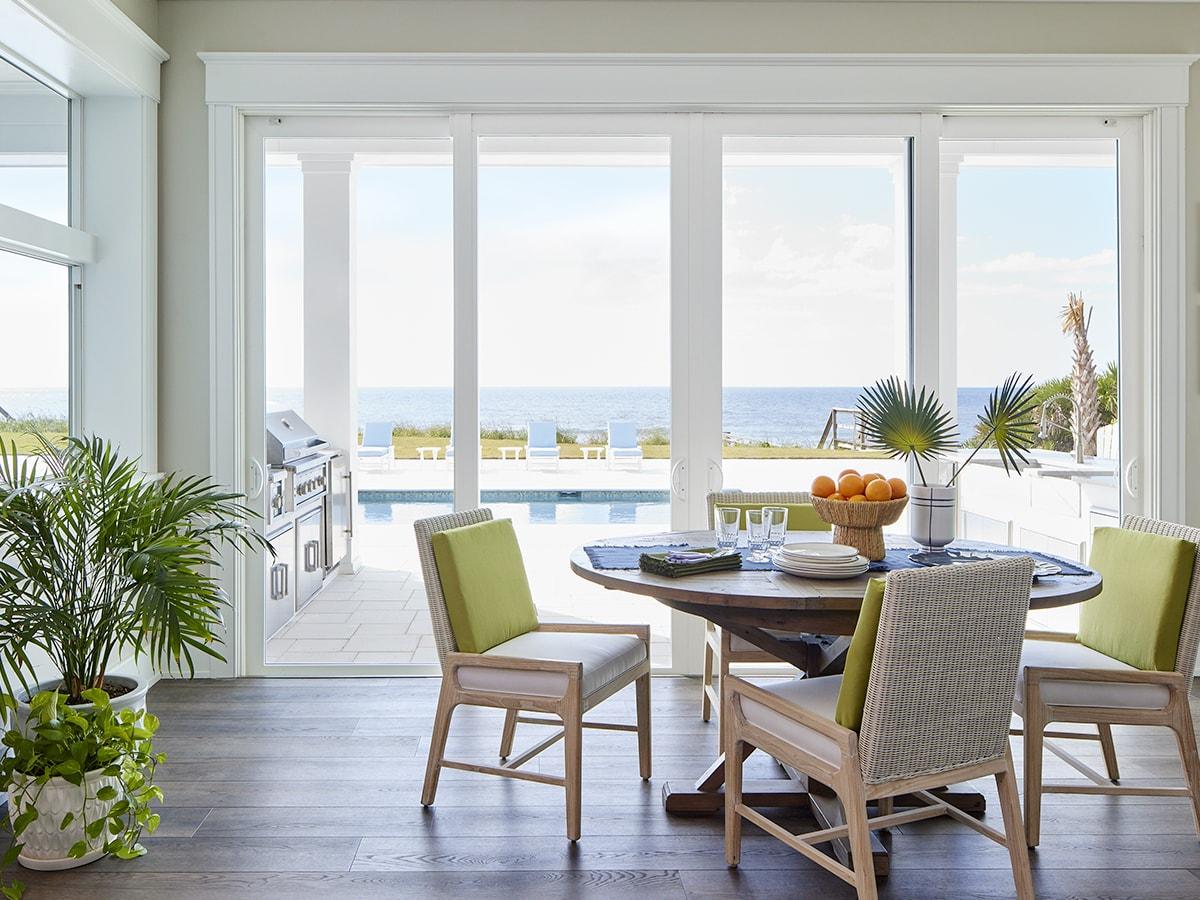
Gliding horizontally along a track, CWS WindPact vinyl impact sliding patio doors protect homes from…
View Product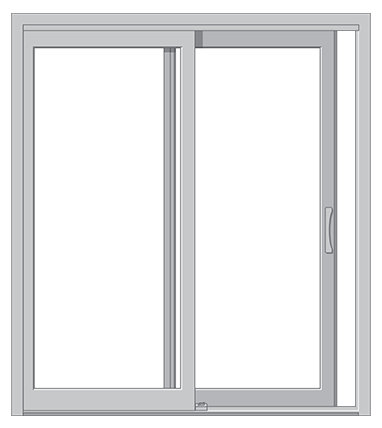
Feel safe and secure. CWS Icon aluminum impact sliding patio door feature aluminum panels and…
View ProductGet in touch with our local experts today for a free, no-obligation consultation on high-performance, impact-rated sliding systems tailored for Florida weather.