
8414 Sabal Industrial Blvd, Tampa, FL 33619
Hurricane Strong. STH Strong
Mon – Fri 8:00AM – 5:00OM / Sat-Sun – Closed
June 1, 2026 · Reading time: ~13 min
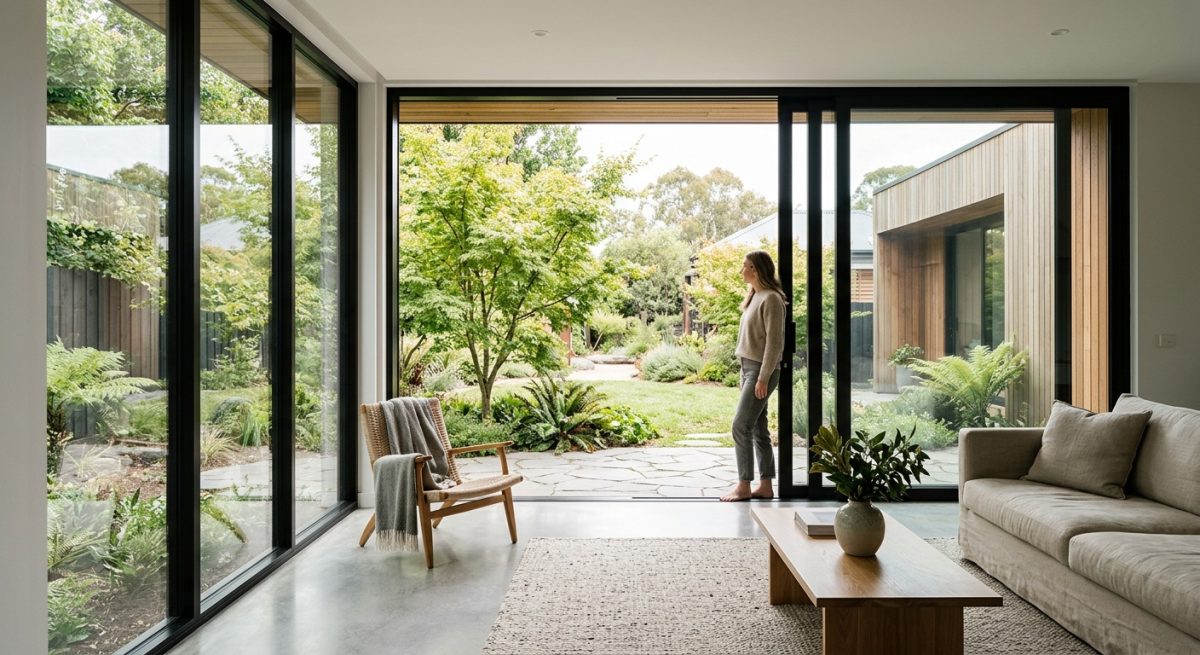
The cost varies widely, but expect to pay anywhere from $500 to $1,500+ per window, and $1,000 to $4,000+ for doors, including professional installation. Factors like size, material (vinyl vs. Fiberglass vs. Wood), features (double/triple pane, Low-E coatings), and impact resistance significantly influence the price.
On average, homeowners can see annual energy savings ranging from 10% to 25% on their heating and cooling bills. This can translate to hundreds of dollars saved each year, depending on your climate, the efficiency of your old windows, and your home’s size. ENERGY STAR estimates can range from $125-$575 annually.
Absolutely. Given Tampa’s hot climate, the savings on cooling costs alone make them a worthwhile investment.
Add in increased comfort, protection from UV damage, enhanced home value, and potential insurance discounts for impact-resistant options, and it’s a decision that pays off significantly over the lifespan of the product.
Quality energy-efficient windows and doors, especially those made from materials like fiberglass or high-quality vinyl, typically have a lifespan of 20 to 30 years or even longer. Proper maintenance and professional installation contribute greatly to their longevity.
Double-pane windows have two panes of glass with a space (often filled with gas) between them for insulation. Triple-pane windows add a third pane and another gas-filled space, providing even better insulation and sound dampening. While more expensive, triple-pane can offer superior energy savings, especially in very extreme climates, though double-pane with good Low-E coatings is usually enough for Tampa.
Let’s cut to the chase. If your energy bills are making you sweat more than the Tampa heat, your windows and doors are probably a big part of the problem. It’s 2026, and the cost of keeping our homes comfortable is only going up. This guide is for homeowners in Tampa and across Florida who’re looking for practical, effective ways to slash those utility costs and boost their home’s comfort. We’re talking about real savings, not just marginal improvements.
You might not think about them much, but those old, drafty windows and doors are essentially holes in your home’s insulation. They let the cool, conditioned air you paid good money for escape during the sweltering Tampa summers, and they allow the precious warmth to seep out on those rare chilly nights. This constant battle against the elements forces your HVAC system to work overtime, driving up your electricity bills significantly. In a place like Tampa Bay, where the sun beats down relentlessly for most of the year, this energy leakage is a major financial drain.
It’s not just about saving a few bucks anymore, though that’s a big part of it. In 2026, being mindful of energy consumption is crucial for environmental reasons, too. Plus, let’s be honest, energy prices aren’t exactly going down.
Investing in energy-efficient windows and doors isn’t just a home improvement; it’s a smart financial decision that pays dividends year after year. It’s about creating a home that’s comfortable, quiet, and kind to your wallet and the planet.
“Air leakage through windows and doors can account for up to 30% of a home’s energy loss.” – U.S. Department of Energy (data from 2025 report)
So, what exactly makes a window or door “energy efficient”? It’s not magic; it’s science and smart design. When you’re looking at new units, you’ll see a bunch of jargon and ratings. Understanding these will help you pick the right products to actually save money.
At their core, energy-efficient windows and doors are designed to minimize heat transfer. This means keeping the heat out in the summer and in during the winter. Key features include:
These numbers tell the story of how well a window performs. Don’t get bogged down, but know the basics:
Look for the ENERGY STAR label. It’s a government-backed certification that means a product meets strict energy efficiency guidelines set by the U.S. Environmental Protection Agency (EPA). Products with this label are independently certified to save energy, which translates directly into lower utility bills. It’s a reliable way to know you’re getting quality performance without having to decipher all the technical specs yourself.
| Rating | What it Measures | What to Look For (Tampa Climate) | Why it Matters |
|---|---|---|---|
| U-Factor | Heat Loss | Lower is Better (e.g., 0.30 or less) | Keeps conditioned air inside, reducing HVAC load. |
| SHGC | Solar Heat Gain | Lower is Better (e.g., 0.25 or less) | Blocks excessive sun heat, reducing cooling costs. |
| AL | Air Leakage | Lower is Better (e.g., 0.3 cfm/ft² or less) | Prevents drafts and energy loss through tiny gaps. |
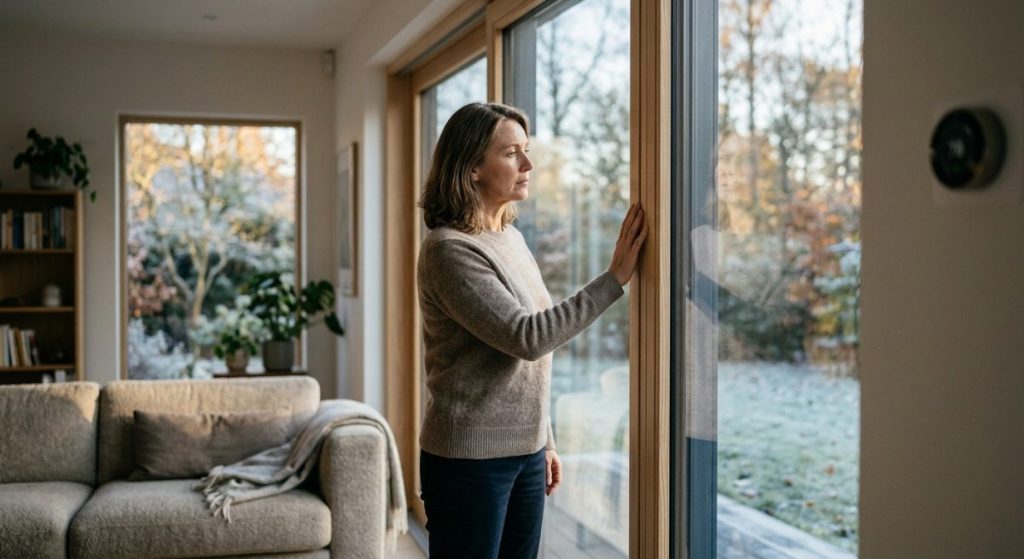
Investing in good energy efficient windows and doors isn’t just about aesthetics; it’s about tangible financial benefits. Here’s how they put money back in your pocket:
This is the big one, right? By minimizing heat transfer, these windows and doors keep your home’s temperature more stable. In Tampa, this means your AC doesn’t have to fight so hard to keep the inside cool when it’s 95°F outside. According to the ENERGY STAR program, homeowners can save an average of 15% on their utility bills annually by upgrading to certified windows and doors. That’s a chunk of change back every single month. For a typical Florida home, this could mean savings of $200-$500 per year or even more.
Beyond the bill savings, there’s the comfort factor. You know those spots near your old windows where you always feel a draft, or where the wall feels ice cold in winter and searing hot in summer? Energy-efficient units eliminate that. They create a more consistent temperature throughout your home, meaning fewer hot or cold spots and a generally more pleasant living environment. No more shivering next to the living room window in December!
Those Low-E coatings we talked about? They don’t just block heat; they also block a significant amount of the sun’s harmful ultraviolet (UV) rays. This is a major benefit here in sunny Florida.
UV rays are the primary cause of fading for your furniture, carpets, artwork, and flooring. By filtering out these damaging rays, energy-efficient windows help preserve the color and integrity of your home’s interior, saving you money on replacements and keeping your decor looking fresh.
Let’s face it, curb appeal matters. New, stylish windows and doors can dramatically improve the look of your home. But it’s more than just looks. Energy-efficient upgrades are a significant selling point for potential buyers. According to Remodeling Magazine’s 2023 Cost vs. Value report, window replacement projects often recoup a substantial portion of their cost upon resale, sometimes upwards of 70-80% depending on the market. It’s an investment that makes your home more attractive and valuable.
Tampa’s climate presents unique challenges and opportunities when selecting your new windows and doors. Getting it right means maximizing those savings and comfort benefits.
Here in Tampa, our biggest energy battle is against the heat. That means prioritizing a low SHGC is non-negotiable. You want to block as much solar heat as possible from entering your home. While a super-low U-factor is always good, for our climate, SHGC often takes center stage for cooling cost reduction. We also get some cooler nights, so a decent U-factor (like 0.30 or below) is still a crucial consideration to prevent heat from escaping when temperatures drop.
Each frame material has its pros and cons, especially in our humid environment:
Living in Florida means dealing with hurricane season. For peace of mind and crucial protection, impact-resistant windows and doors are a seriously smart investment. These units are built with laminated glass and stronger frames designed to withstand high winds and flying debris. Beyond hurricane protection, they also offer enhanced security and can even help reduce noise pollution from traffic. Many insurance companies offer discounts for homes with impact-resistant windows, further sweetening the deal. The Florida Building Code mandates specific impact resistance standards for coastal areas.
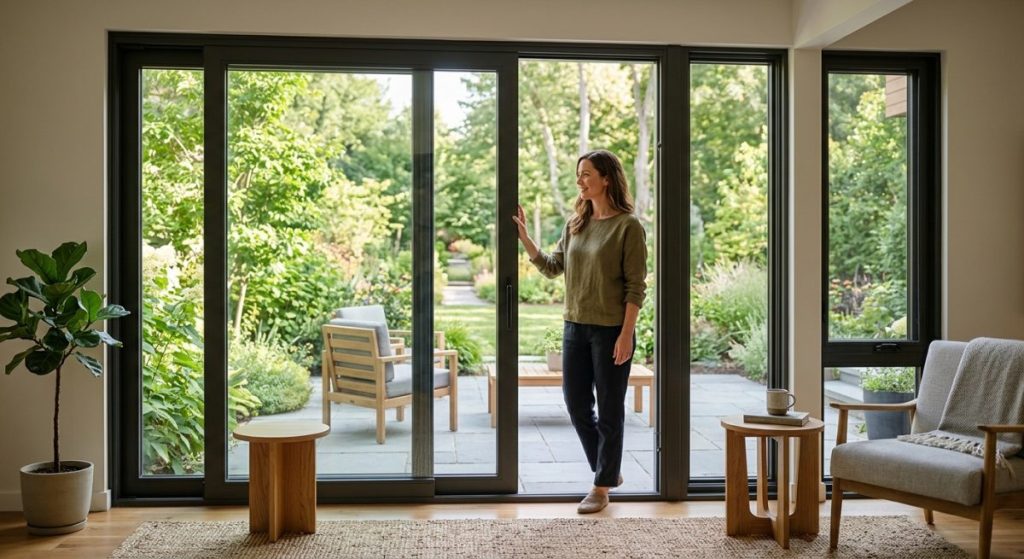
You can buy the most expensive, top-of-the-line energy-efficient windows and doors, but if they’re installed poorly, you’ve basically wasted your money. Proper installation is absolutely critical for them to perform as advertised. Don’t skimp here.
Look, I’ve seen homeowners try to DIY window replacements. It rarely ends well. Windows and doors need to be perfectly plumb, level, and square. More importantly, the seals and flashing need to be done correctly to prevent water intrusion and air leaks. A botched installation can lead to drafts, moisture problems, and even structural damage down the line. For something as crucial as energy efficiency and home protection, I strongly recommend professional installation. It’s worth the peace of mind.
Finding the right crew in the Tampa Bay area is key. Don’t just go with the first name you find. Ask for:
A professional installation typically involves:
Let’s paint a picture. Meet the Garcias, a family in South Tampa with a 15-year-old house that was starting to feel the heat – literally and figuratively.
The Garcias were battling high electricity bills, especially during the summer months. Their old single-pane windows were drafty, the sun baked their living room in the afternoon, and they could feel air escaping around their front door. Their HVAC system ran almost constantly, and they dreaded opening their utility bill each month.
They decided to invest in new, ENERGY STAR certified, impact-resistant windows and a new insulated front door with a low U-factor and low SHGC. They chose fiberglass frames for durability and low maintenance in the Florida humidity. The difference was noticeable almost immediately. The house felt more solid, drafts disappeared, and the afternoon sun was no longer an unbearable heat source.
Within the first year, the Garcias saw a remarkable reduction in their cooling costs. Their HVAC system ran about 20% less often. This translated to an estimated annual savings of over $400 on their electricity bills. Plus, they qualified for a federal tax credit, knocking a good chunk off the initial investment. The comfort improvement was invaluable, making their home a true sanctuary even on the hottest Tampa days. According to ENERGY STAR, homes with upgraded windows can see annual savings of $125 to $575 depending on climate and home size.
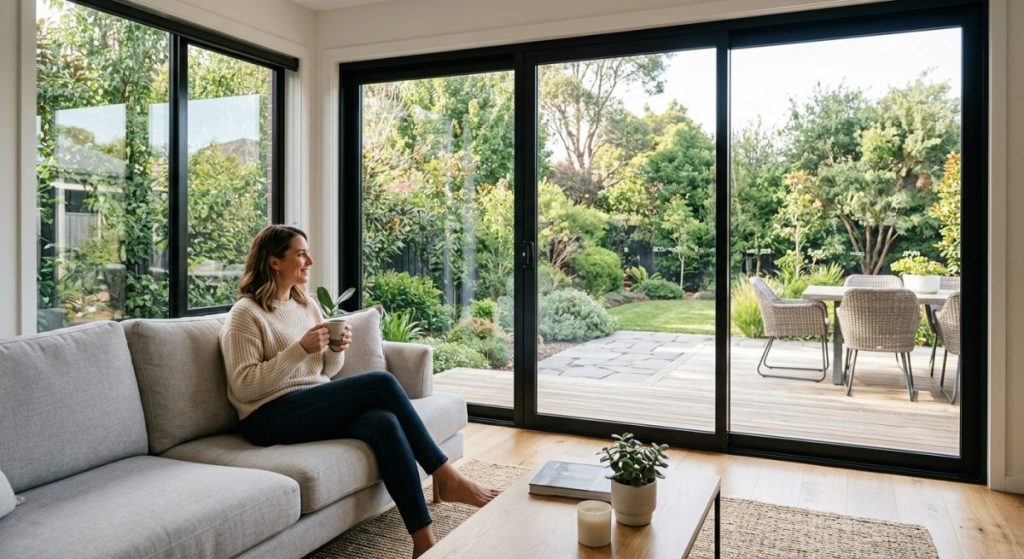
The cost of new windows and doors can seem steep, but there are ways to offset that investment. Taking advantage of rebates and tax credits can significantly lower your out-of-pocket expense.
The U.S. Government offers incentives for energy-efficient home improvements. As of 2026, homeowners can often claim a tax credit for purchasing and installing qualifying energy-efficient windows and doors. The Nonbusiness Energy Property Tax Credit allows for a credit of 30% of certain qualified expenses, up to a maximum of $1,200 annually. It’s crucial to check the specific requirements on the IRS website (IRS Form 5695) as these programs can change.
Your local utility provider might offer additional incentives. Tampa Electric Company (TECO), for instance, often has programs and rebates for energy-efficient upgrades. These can include rebates for new, high-efficiency HVAC systems or specific energy-saving appliances. While direct rebates for windows and doors from utilities are less common than federal credits, it’s always worth checking their websites or contacting them directly. Say some programs might offer incentives tied to overall energy reduction goals.
Generally, the process involves:
Upgrading your home with energy efficient windows and doors is more than just a home improvement; it’s a strategic investment. It tackles immediate comfort issues, provides long-term financial savings, enhances your home’s value, and contributes to a more sustainable future. In a place like Tampa, where climate control is a year-round necessity, the benefits are amplified. Don’t let another sweltering summer or a drafty winter drain your wallet and comfort. Make the smart choice for your home and your finances.
The cost varies widely, but expect to pay anywhere from $500 to $1,500+ per window, and $1,000 to $4,000+ for doors, including professional installation. Factors like size, material (vinyl vs. Fiberglass vs. Wood), features (double/triple pane, Low-E coatings), and impact resistance significantly influence the price.
On average, homeowners can see annual energy savings ranging from 10% to 25% on their heating and cooling bills. This can translate to hundreds of dollars saved each year, depending on your climate, the efficiency of your old windows, and your home’s size. ENERGY STAR estimates can range from $125-$575 annually.
Absolutely. Given Tampa’s hot climate, the savings on cooling costs alone make them a worthwhile investment.
Add in increased comfort, protection from UV damage, enhanced home value, and potential insurance discounts for impact-resistant options, and it’s a decision that pays off significantly over the lifespan of the product.
Quality energy-efficient windows and doors, especially those made from materials like fiberglass or high-quality vinyl, typically have a lifespan of 20 to 30 years or even longer. Proper maintenance and professional installation contribute greatly to their longevity.
Double-pane windows have two panes of glass with a space (often filled with gas) between them for insulation. Triple-pane windows add a third pane and another gas-filled space, providing even better insulation and sound dampening. While more expensive, triple-pane can offer superior energy savings, especially in very extreme climates, though double-pane with good Low-E coatings is usually enough for Tampa.
Contact our expert team today for a free, no-obligation consultation and quote on upgrading your home with the best energy efficient windows and doors in Tampa.
Get a Free QuoteBased on this article, here are products that might help you:
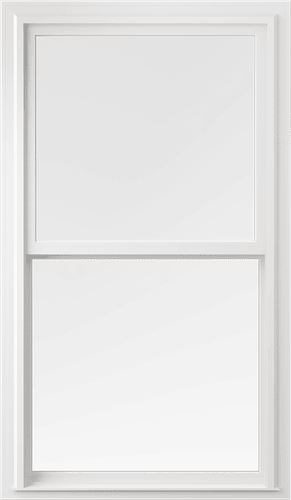
Designed with removable sashes for efficient ventilation, our EnergyVue double-hung window offers a new level…
View Product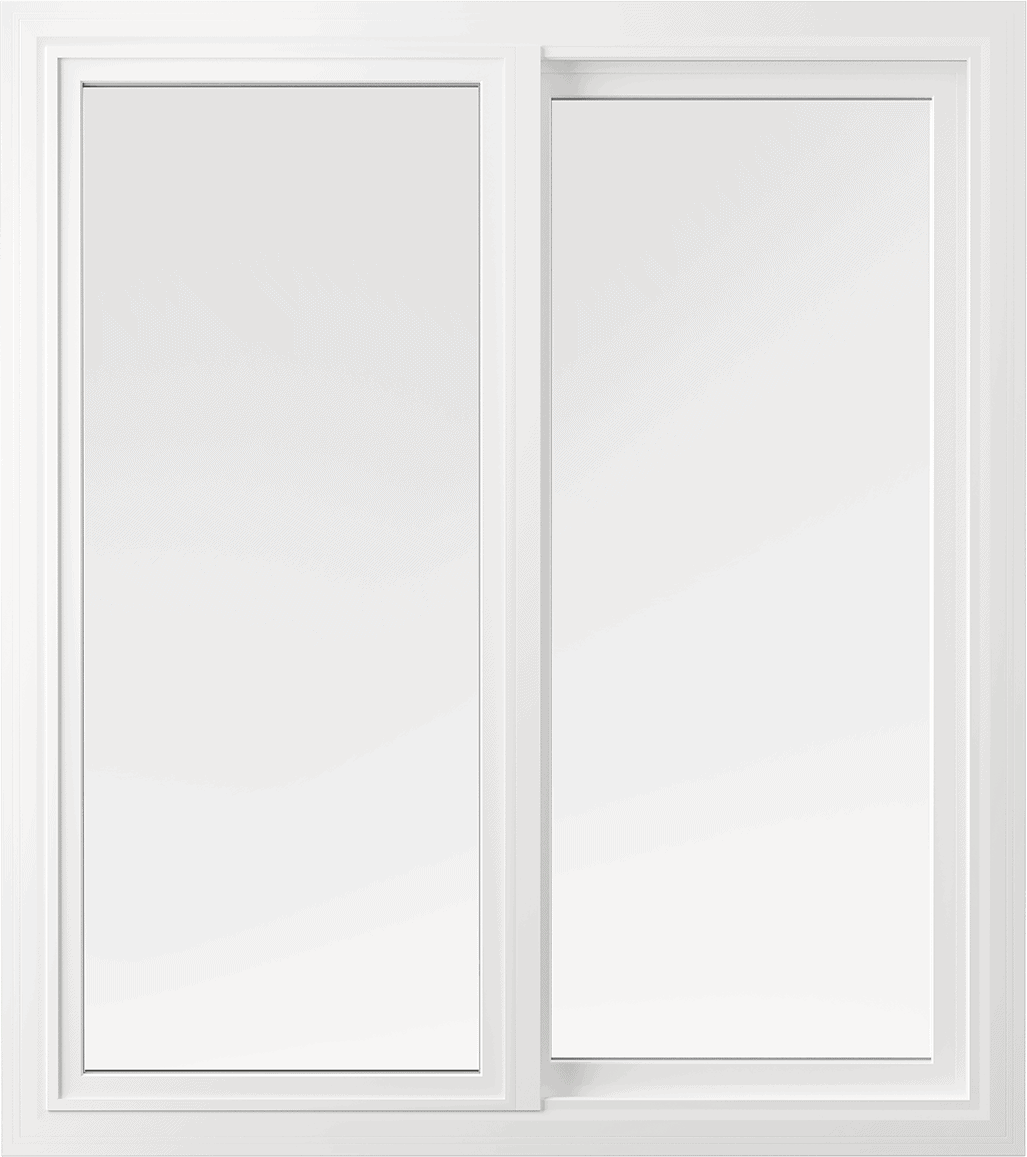
Easy operation and durable construction makes this energy-efficient window a great option for bathrooms and…
View Product
A beautiful way to transform living rooms, master bedrooms, and more. Providing abundant natural light,…
View Product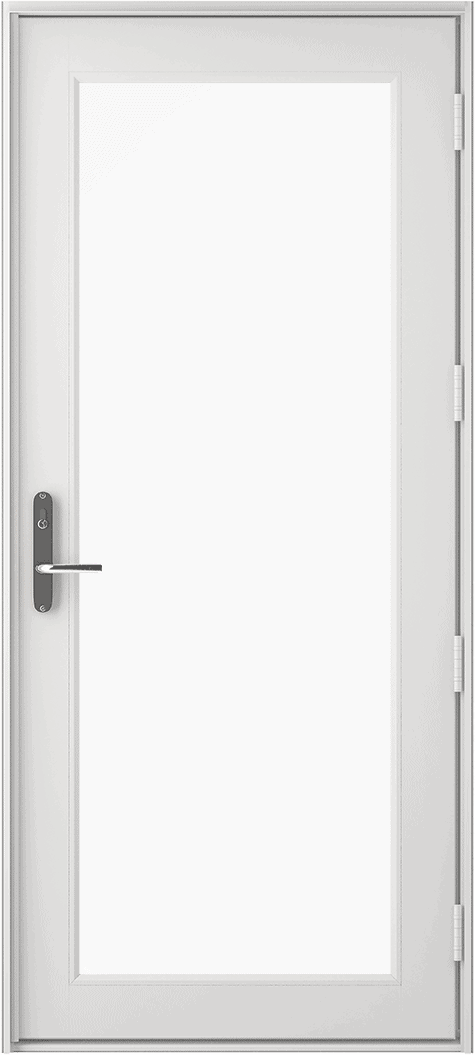
Energy-efficient and durable designed to resist corrosion, especially in coastal areas. Upgrade your view with…
View ProductContact our expert team today for a free, no-obligation consultation and quote on upgrading your home with the best energy efficient windows and doors in Tampa.