
8414 Sabal Industrial Blvd, Tampa, FL 33619
Hurricane Strong. STH Strong
Mon – Fri 8:00AM – 5:00OM / Sat-Sun – Closed
May 29, 2026 · Reading time: ~12 min
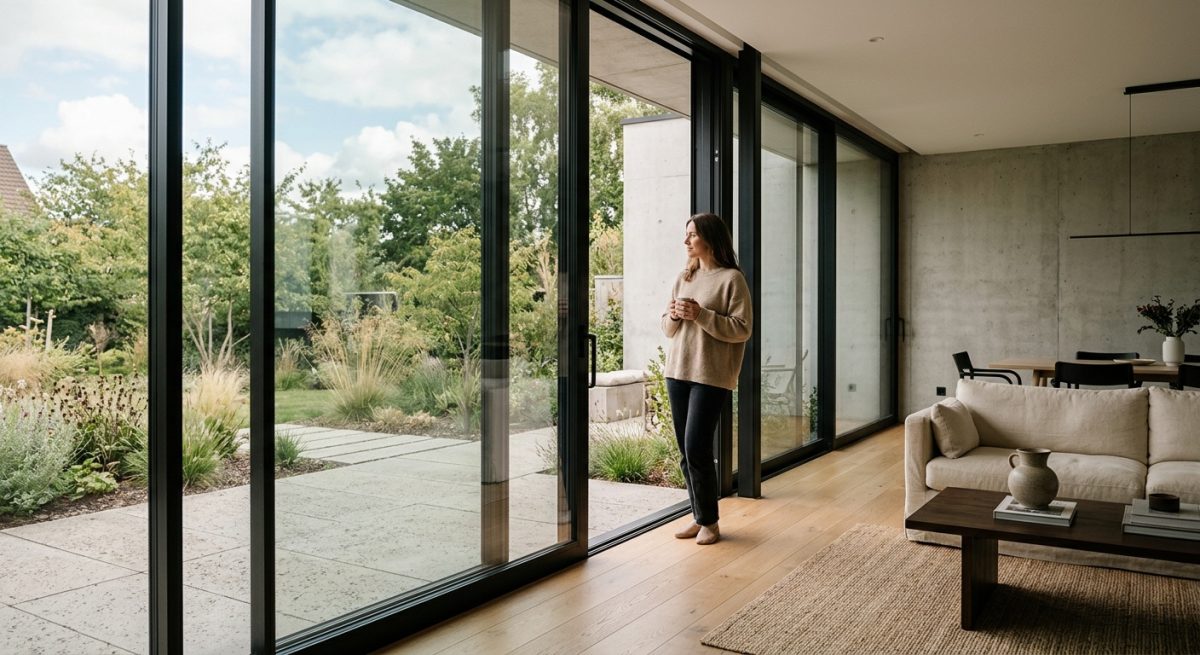
Let’s boil this all down. Avoiding these common mistakes is your path to a more comfortable and energy-efficient home. It’s not rocket science, but it does require attention to detail.
This is the bedrock. Even the best products will fail if not installed by experts. Always vet your installers carefully. It’s a crucial step for any significant home improvement project involving energy windows doors and more.
Focus on low U-factor and low SHGC. Look for Low-E coatings, double or triple-pane glass with gas fills, and durable frame materials like vinyl or fiberglass. Ensure your products are ENERGY STAR® certified for the Southern region.
You’re probably looking at your energy bills, especially here in Tampa, and wondering where all that money goes. A huge chunk of it often leaks right out of your home through inefficient windows and doors. It’s not just about comfort; it’s about your wallet. Ignoring the condition and quality of your energy windows doors and more is a mistake many homeowners make, and it costs them dearly, year after year. This guide is for Tampa homeowners who want to slash their utility bills and boost their home’s comfort, especially during our famously hot summers and mild, yet still energy-demanding, winters.
Tampa’s climate is… something else. We’ve got those sweltering, humid summers where the AC runs non-stop, and then the occasional cool snaps in winter that still require some heating. This constant push and pull between keeping cool and staying warm means our homes are always working overtime to maintain a comfortable temperature. Without the right energy windows doors and more, that work translates directly into higher energy consumption and, frankly, discomfort.
Think of your windows and doors as the skin of your house. If that skin is old, cracked, or poorly fitted, it’s going to let the outside in and the inside out. We’re talking about significant energy loss, leading to bills that are higher than they need to be. Plus, all that strain on your HVAC system means more wear and tear. It’s a costly oversight, plain and simple. And that brings us to the real question: what are the biggest blunders people make?
Here’s the blunt truth: you can buy the most expensive, windows and doors on the market, but if they’re installed poorly, they’re practically useless. I’ve seen it too many times.
People spend a fortune on fancy new units, only to have them installed by a crew that’s more interested in getting to the next job than doing it right. This isn’t a DIY situation for most folks, and frankly, it’s not where you want to cut corners.
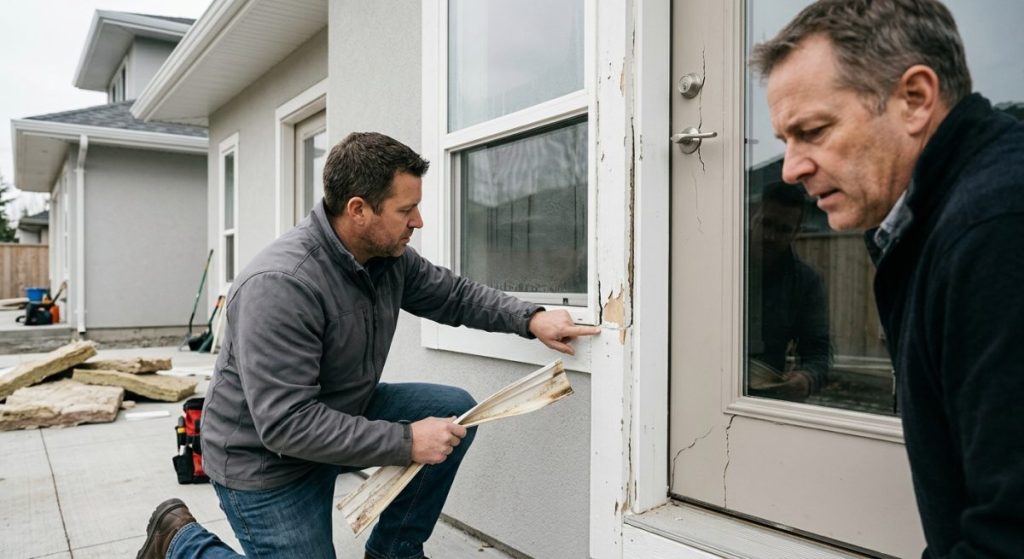
When windows and doors aren’t installed correctly, you end up with gaps. Air leaks. And when air leaks, conditioned air escapes, and unconditioned air infiltrates. It’s a constant battle for your HVAC system. Improper sealing around the frames, misaligned sashes, or even just poorly caulked edges – these all create pathways for energy loss. It’s like buying a top-of-the-line refrigerator and leaving the door ajar.
Even the best energy-efficient products, like those with multiple panes and special coatings, rely on a perfect seal. A tiny gap, barely visible, can negate all those fancy features. The frame needs to be perfectly plumb and level, and the seal around it must be airtight.
That’s how you achieve the advertised U-factor and SHGC ratings. Without expert installation, those numbers are just theoretical.
So, how do you find someone who *will* do it right here in Tampa? Look for established companies with solid local reputations. Check their reviews on Google and other platforms. Ask about certifications – things like the InstallationMasters® certification show they’ve had specific training. Don’t be afraid to ask for references, and make sure they offer a warranty on their workmanship. A good installer is a partner in your home’s energy efficiency journey.
The stuff your windows and doors are made of makes a massive difference in how well they perform, especially in a climate like ours. It’s not just about looks; it’s about insulation, durability, and how much maintenance they’ll need.
Picking the wrong material can mean you’re stuck with poor energy performance for years, or worse, dealing with premature wear and tear.
These two metrics are crucial. U-factor measures how well a window or door prevents heat from escaping. A lower U-factor means better insulation. For Tampa, you want a low U-factor. SHGC, or Solar Heat Gain Coefficient, measures how much heat from sunlight gets through. In our sunny climate, you want a low SHGC to keep the heat out. According to ENERGY STAR®, selecting products with low U-factor and SHGC ratings is key for hot climates.
Let’s break down the common materials:
For Tampa, vinyl and fiberglass usually hit the sweet spot for energy efficiency and durability without requiring constant upkeep. Wood can work if you’re diligent with maintenance, but it’s a lot of work.
Don’t forget the frame! The frame can account for a significant portion of a window’s or door’s total surface area. If the frame material itself is a poor insulator (like plain aluminum), it can dramatically reduce the overall energy performance, even with great glass. That’s why thermal breaks in aluminum frames or the inherent insulating properties of vinyl, wood, and fiberglass are so important.
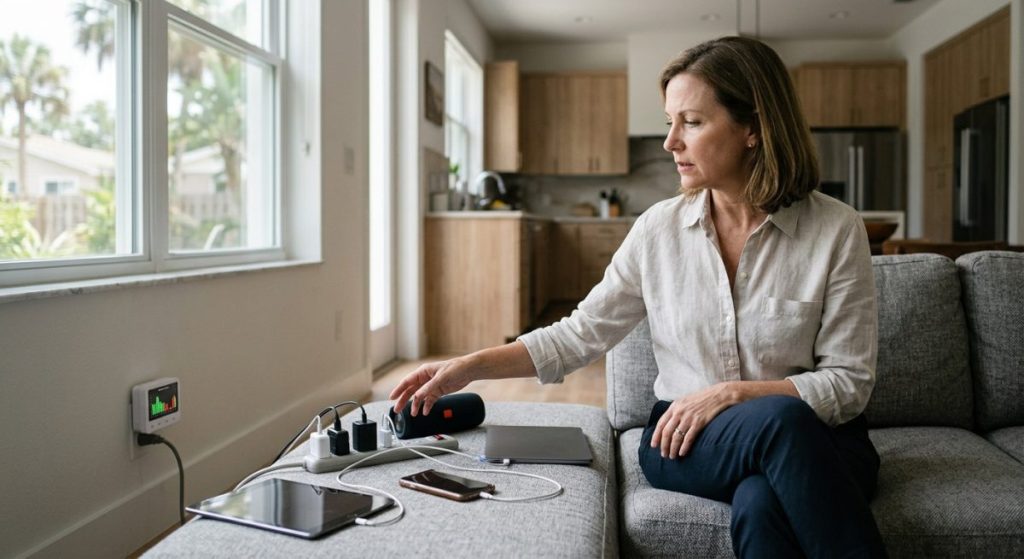
The glass itself is where a lot of the magic happens (or doesn’t happen) with energy efficiency. It’s not just a single sheet of glass anymore. Modern windows are sophisticated systems. If you’re just looking at the frame and ignoring the glass package, you’re missing a huge piece of the puzzle for effective energy windows doors and more.
Most new, energy-efficient windows come with at least double-pane glass. This means two panes of glass separated by a spacer and usually filled with an inert gas. This gap creates a much better insulating barrier than a single pane. Triple-pane windows have three panes and two such gaps, offering even greater insulation. While triple-pane offers superior performance, the added cost and weight might not always be necessary for every application in Tampa, but it’s definitely worth considering for critical areas.
Low-E (low-emissivity) coatings are microscopic, metallic layers applied to the glass surface. These coatings are incredible. They reflect infrared light, which is essentially heat. In the summer, they reflect the sun’s heat away from your home, keeping it cooler. In the winter, they reflect your home’s heat back inside, reducing heating costs. For Tampa’s intense sun, Low-E coatings are a non-negotiable feature. They do this without significantly darkening the glass or reducing visible light transmission.
“Low-E coatings help you save energy by reducing the need for heating and cooling.”— ENERGY STAR Program, 2026
Between the panes of glass in double- and triple-pane windows, manufacturers often fill the space with inert gases like argon or krypton. These gases are denser than air and are poor conductors of heat. This means they help slow down heat transfer, further boosting the window’s insulating capabilities. It’s a simple addition that provides a noticeable improvement in thermal performance.
This is where you can literally get paid to make smart choices. Choosing ENERGY STAR® certified products is a no-brainer, and then there are the rebates. Seriously, why wouldn’t you try to get some money back? Failing to look into these opportunities is like leaving cash on the table. Especially in places like Tampa, where energy efficiency is a big deal.
ENERGY STAR® is a program run by the U.S. Environmental Protection Agency (EPA) and the U.S. Department of Energy.
Products that earn the ENERGY STAR label meet strict energy efficiency guidelines set by the program. For windows and doors, this means they’ve been independently certified to perform better than standard models. According to the ENERGY STAR website, homeowners can save up to 12% on their annual energy bills by using ENERGY STAR certified products.
Local incentives can make a huge difference in the upfront cost of upgrading your energy windows doors and more. Your primary local utility provider in Tampa is Tampa Electric Company (TECO). They often have programs or partner with state initiatives offering rebates for energy-efficient home improvements. It’s crucial to check their website or give them a call *before* you buy. Sometimes, there are also state-level programs or tax credits available. Like, the Inflation Reduction Act (IRA) offers significant tax credits for energy-efficient home upgrades through 2032.
When you combine buying ENERGY STAR® certified windows and doors with available rebates and tax credits, your return on investment (ROI) skyrockets. Not only do you start saving on energy bills immediately, but the effective upfront cost is also lower. This makes the upgrade more financially accessible and speeds up the payback period, making it a financially savvy move.
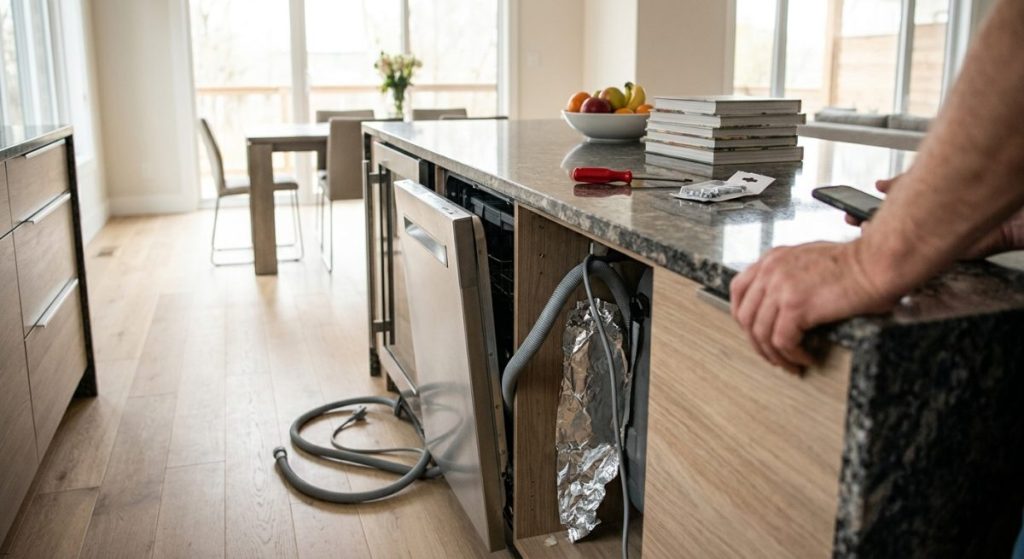
Windows and doors don’t exist in a vacuum. For true energy efficiency, you have to look at the whole picture. It’s about how they integrate with the rest of your home’s envelope. Thinking only about the unit itself, and not its surroundings, is a common oversight.
Even the best-installed new windows and doors can be compromised by old, cracked, or missing weatherstripping and seals. This is often overlooked, but worn-out seals around doors and window sashes are major culprits for air leaks. Replacing worn-out weatherstripping is a cheap fix that can make a surprising difference. For existing windows and doors, ensuring these seals are intact is a quick win for energy savings.
This sounds counterintuitive, right? How can ventilation improve energy efficiency? In a humid place like Tampa, proper ventilation is key to managing moisture without relying solely on your AC. Using exhaust fans in bathrooms and kitchens, and ensuring your attic is properly ventilated, helps remove moist air. This reduces the load on your AC system, which has to dehumidify the air. It’s about creating a balanced system where air moves efficiently without wasting energy.
And let’s not forget about smart technology. Integrating energy-efficient windows and doors with smart thermostats, like a Nest or Ecobee, allows for even greater control.
Your thermostat can learn your habits and adjust the temperature automatically, optimizing comfort and savings. Some smart home systems can even monitor window and door sensors to ensure they’re properly closed before activating certain heating or cooling modes.
The Smith family in South Tampa had lived in their 1980s-era home for five years. Every summer, their electricity bill would easily hit $400-$500, and they constantly felt drafts around their older aluminum-frame windows. Their home just never felt truly cool and comfortable, even with the thermostat set to a low 70°F. They suspected their windows and doors were the main culprits but weren’t sure where to start.
After consulting with a local energy efficiency expert, the Smiths decided to replace all their old, single-pane windows with new, ENERGY STAR® certified vinyl windows featuring Low-E coatings and argon gas fills. They opted for a low SHGC rating suitable for Florida. They also replaced their main entry door with an insulated fiberglass door.
Crucially, they chose a reputable local company with certified installers who guaranteed their work. They also took advantage of a TECO rebate program, which covered about 15% of the total cost.
The transformation was dramatic. The Smiths reported their home was significantly more comfortable – no more drafts, and the temperature was consistent throughout the house. Their summer electricity bills dropped by an average of 28%, often staying below $300. They also noted their house felt quieter. Beyond the immediate savings and comfort, they felt their home’s value had increased, knowing they’d made a significant, long-term energy efficiency upgrade.
Let’s boil this all down. Avoiding these common mistakes is your path to a more comfortable and energy-efficient home. It’s not rocket science, but it does require attention to detail.
This is the bedrock. Even the best products will fail if not installed by experts. Always vet your installers carefully. It’s a crucial step for any significant home improvement project involving energy windows doors and more.
Focus on low U-factor and low SHGC. Look for Low-E coatings, double or triple-pane glass with gas fills, and durable frame materials like vinyl or fiberglass. Ensure your products are ENERGY STAR® certified for the Southern region.
Savings vary, but replacing old, inefficient windows and doors with ENERGY STAR® certified models can cut your heating and cooling costs by 10% to 30%. Consistent temperatures and reduced HVAC strain contribute significantly to these savings.
Yes, it’s worth checking with Tampa Electric Company (TECO) for potential rebates. , federal tax credits, like those under the Inflation Reduction Act, can offer substantial savings on qualifying energy-efficient upgrades.
For Tampa’s heat, prioritize windows with a low U-factor for insulation and a very low Solar Heat Gain Coefficient (SHGC) to block solar heat. Look for Low-E coatings and impact-resistant glass for added protection.
Signs include noticeable drafts of air, condensation forming on the glass (especially between panes), visible gaps around frames, warped or difficult-to-operate sashes, and unusually high heating or cooling bills for your home’s size.
Don’t let outdated windows and doors drain your wallet and comfort. Contact us today for a free consultation and discover the best energy-efficient solutions for your Tampa home.
Get Your Free ConsultationBased on this article, here are products that might help you:
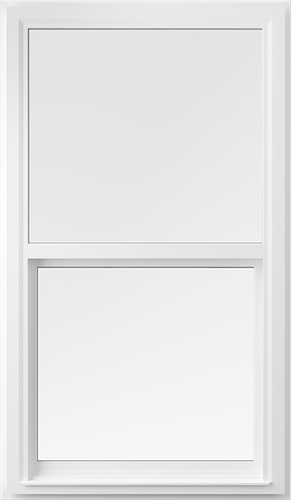
This EnergyVue vinyl single hung window features SecureConnect patented-technology integrated corner keys for added strength…
View Product
This window is available in a wide range of architectural window shapes that are perfect…
View Product
Increasing natural light and ventilation is what our EnergyVue vinyl Awning window is made to…
View Product
Casement Architectural Picture windows maximize light and are ideal in any room where you want…
View Product
Casement Picture windows maximize light and are ideal in any room where you want to…
View Product
Easy operation and durable construction makes this energy-efficient window a great option for bathrooms and…
View ProductDon't let outdated windows and doors drain your wallet and comfort. Contact us today for a free consultation and discover the best energy-efficient solutions for your Tampa home.