
8414 Sabal Industrial Blvd, Tampa, FL 33619
Hurricane Strong. STH Strong
Mon – Fri 8:00AM – 5:00OM / Sat-Sun – Closed
August 11, 2026 · Reading time: ~10 min
To get the perfect balance of privacy and natural light in your home, you need to choose the right style of specialty glass for your entryways and patios. Frosted glass offers the highest level of obscured visibility while diffusing light beautifully; tinted glass blocks heat and provides daytime privacy; and textured glass adds architectural character while scattering views. This guide is for Tampa homeowners who want to enjoy the beautiful Florida sunshine without exposing their indoor lives to neighbors or passersby. Upgrading your Glass and door configurations with these privacy styles lets you keep your home bright, secure, and completely personal.
Tampa’s architecture loves the sun. From historic bungalows in Seminole Heights to modern waterfront estates on Davis Islands, large windows and open entryways are staples of Florida living. But living in close proximity to neighbors means those massive glass panels can make you feel like you are living in a fishbowl. You want the daylight, but you do not want the delivery driver or the neighbor walking their dog to have a clear view straight into your living room or kitchen.
Clear glass is great for looking out, but it lets everyone look in. If your front door faces a busy sidewalk or your backyard patio is right next to your neighbor’s pool cage, standard glass forces you to make an annoying compromise. You either leave the blinds open and sacrifice your privacy, or you pull the drapes shut and live in a dark, artificial environment. Standard clear glass also does nothing to mitigate the intense Florida glare or UV rays that fade your flooring and furniture over time.
Frosted glass is a classic, highly effective choice for obscuring views while maintaining a bright interior. It works by scattering the light as it passes through, turning direct, harsh sunlight into a soft, even glow. This means you get the benefit of daylight without any of the harsh shadows or visibility.
We achieve the frosted look through two primary professional methods: acid etching and sandblasting. Acid-etched glass uses a chemical treatment to create an ultra-smooth, satin-like finish. It is incredibly popular because it resists fingerprints and smudges, making it very easy to clean. Sandblasted glass, on the other hand, uses high-pressure sand to carve the glass surface. This creates a deeper, highly customizable frosted look, but the rougher texture can trap oils from your hands. Because of this, sandblasted glass requires a bit more maintenance in high-touch areas.
A Frosted front door is one of the most common upgrades we install in South Tampa. It lets the morning light flood your foyer while keeping your entryway completely private. Pairing a high-quality entry door like the Therma-Tru Half Lite 1 Panel Top and Bottom (from the Smooth-Star line) with frosted glass gives you a clean, paintable surface and total peace of mind. It is also the perfect solution for master bathrooms and home offices where you need concentrated, glare-free light without distractions.
In the Tampa Bay area, privacy is only half the battle; the other half is the brutal summer heat. Tinted glass addresses both issues simultaneously, offering a sleek, modern look that matches contemporary Florida architecture.
By adding metal oxides to the glass during manufacturing, we can significantly lower the Solar Heat Gain Coefficient (SHGC). This means the glass absorbs and reflects solar radiation before it enters your living space. This keeps your air conditioning system from working overtime during those humid July afternoons and protects your interior finishes from UV damage.
When selecting Tinted sliding doors, you need to look at the Visible Light Transmission (VLT) percentage. A lower VLT means darker glass and more privacy, while a higher VLT lets more natural light through. For daytime privacy, tinted glass acts like a one-way mirror—you can see out clearly, but people outside only see a reflection. Keep in mind, though, that at night when your interior lights are on, this effect reverses. If you have lights on inside and it is dark outside, people will be able to see in.
“In our experience installing doors across Hillsborough County, we have found that bronze and gray tints offer the best balance. They cut glare off the water and reduce heat without making your home feel gloomy.”
If you want to inject some architectural personality into your home, Textured glass patterns are the way to go. These styles physically distort the light and images passing through them, creating a beautiful visual barrier.
“Rain” glass is a major favorite in coastal Florida; it mimics the look of water running down a windowpane, offering a high level of privacy while looking incredibly organic. “Reeded” glass features vertical, rounded ridges that fit perfectly in modern or mid-century designs. Classic “obscure” glass has a stippled, pebbled texture that scatters light in all directions, making it almost impossible to see through while keeping the space bright.
Your glass choice should complement your home’s style. For a classic coastal look or a Mediterranean estate, rain or water-patterned glass fits beautifully. If you are updating a historic bungalow in Tampa Heights, classic obscure patterns maintain that vintage charm. For entryways, we often recommend the 8′ Half Lite 1 Panel Top and Bottom from the Therma-Tru Fiber-Classic Oak Collection. The warm, natural oak graining paired with textured glass creates an incredibly rich, welcoming first impression that stands up to our coastal weather.
Choosing the right privacy glass means weighing the trade-offs between light, visibility, and performance. Here is a direct look at how these three popular styles stack up against each other.
There is always a trade-off. If you want 100% privacy 24/7, frosted is your best bet, but it completely blocks your view. If you want to see your backyard pool, tinted is superior, but you lose night privacy. Textured glass sits comfortably in the middle, distorting the view while still letting you sense movement and light.
Tampa’s high humidity and salt air can degrade low-quality glass finishes quickly. That is why we never recommend aftermarket stick-on privacy films—they bubble, peel, and yellow within a couple of Florida summers. Factory-made privacy glass, whether it is frosted, tinted, or textured, is sealed inside the double-pane unit, meaning it will last as long as the door itself.
| Glass Style | Daytime Privacy | Nighttime Privacy | Heat & UV Protection | Best For |
|---|---|---|---|---|
| Frosted | Excellent (High Obscurity) | Excellent (High Obscurity) | Moderate | Front Doors, Bathrooms, Offices |
| Tinted | Excellent (One-Way Mirror) | Poor (Reverses with Lights) | Excellent (High Heat Rejection) | Sliding Patio Doors, West-Facing Glass |
| Textured | Good (Distorted Shapes) | Good (Distorted Shapes) | Moderate | Entry Doors, Sidelights, Transoms |
Ready to upgrade? Follow these practical steps to make sure you get the right product for your specific layout and local regulations.
Don’t use a one-size-fits-all approach. Your front door needs constant privacy, while your living room patio doors might only need heat protection and daytime privacy. Walk through your home and note which areas face public spaces, which areas get the hottest afternoon sun, and where you absolutely need 24/7 obscurity.
Any glass upgrade in Tampa must comply with the strict Florida Building Code requirements, especially regarding wind-borne debris. If you live in a coastal area or a designated high-wind zone, you need impact-rated glass.
We often install the CWS® WINDPACT Vinyl French Patio Door or the CWS® WINDPACT Vinyl Sliding Patio Door for homeowners who want heavy-duty hurricane protection alongside their choice of tinted or obscure privacy glass. If you are inland and do not require impact-rated glass, the CWS® COMFORT SHIELD Vinyl Sliding Patio Door is a fantastic, durable, non-impact alternative that still keeps your energy bills low.
Seeing how these styles look in actual local homes can help you visualize the right choice for your own space.
A client in South Tampa had a beautiful entry with a clear glass front door. While they loved the natural light, they hated that delivery drivers and neighbors walking by could see straight down their hallway into the kitchen. We replaced their door with an 8′ Half Lite 1 Panel Top and Bottom Smooth-Star fiberglass door featuring frosted glass. The transformation was instant: the foyer remained bright, but the interior of their home was completely hidden from the street.
Another homeowner on Davis Islands had massive west-facing patio doors that looked out over the water. The afternoon sun was blinding, and the heat made their living room unusable after 3:00 PM. We installed the CWS® WINDPACT Vinyl Sliding Patio Door with a deep bronze tint. This setup not only cut the solar heat gain dramatically but also gave them daytime privacy from passing boats while keeping their gorgeous sunset views intact.
Yes, you absolutely can. In Tampa, impact-resistant products like our CWS WindPact doors can be customized with frosted, tinted, or textured glass options. This ensures your home meets strict Florida building codes for hurricane protection while still giving you the privacy and style you want.
No, frosted glass is translucent, not opaque. It diffuses incoming sunlight beautifully, meaning you get almost the same amount of natural light as clear glass without any of the visibility. It keeps your rooms bright and airy while completely blocking views from the outside.
For a deeper look, see Glass and Door Fire Ratings: Understanding Code Requirements.
Tinted glass is highly effective at blocking solar heat gain and UV rays. By reducing the solar heat that enters your home, tinted glass helps lower your cooling costs during hot Tampa summers, making it the perfect choice for south- and west-facing sliding doors.
No, textured glass is very easy to maintain. In quality door installations, the textured surface is typically sealed inside the double-pane insulated glass unit, leaving the exterior surfaces completely smooth. This design allows you to wipe down the glass easily without dirt or dust getting trapped.
Based on this article, here are products that might help you:
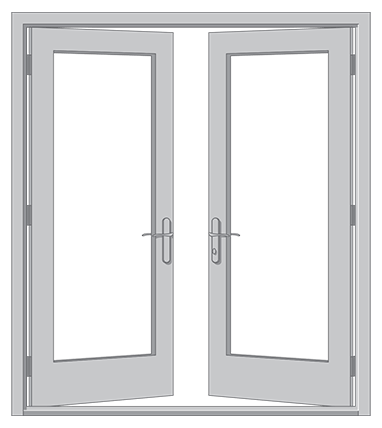
Get protection from hurricanes, intruders and high energy bills with a CWS vinyl impact French…
View Product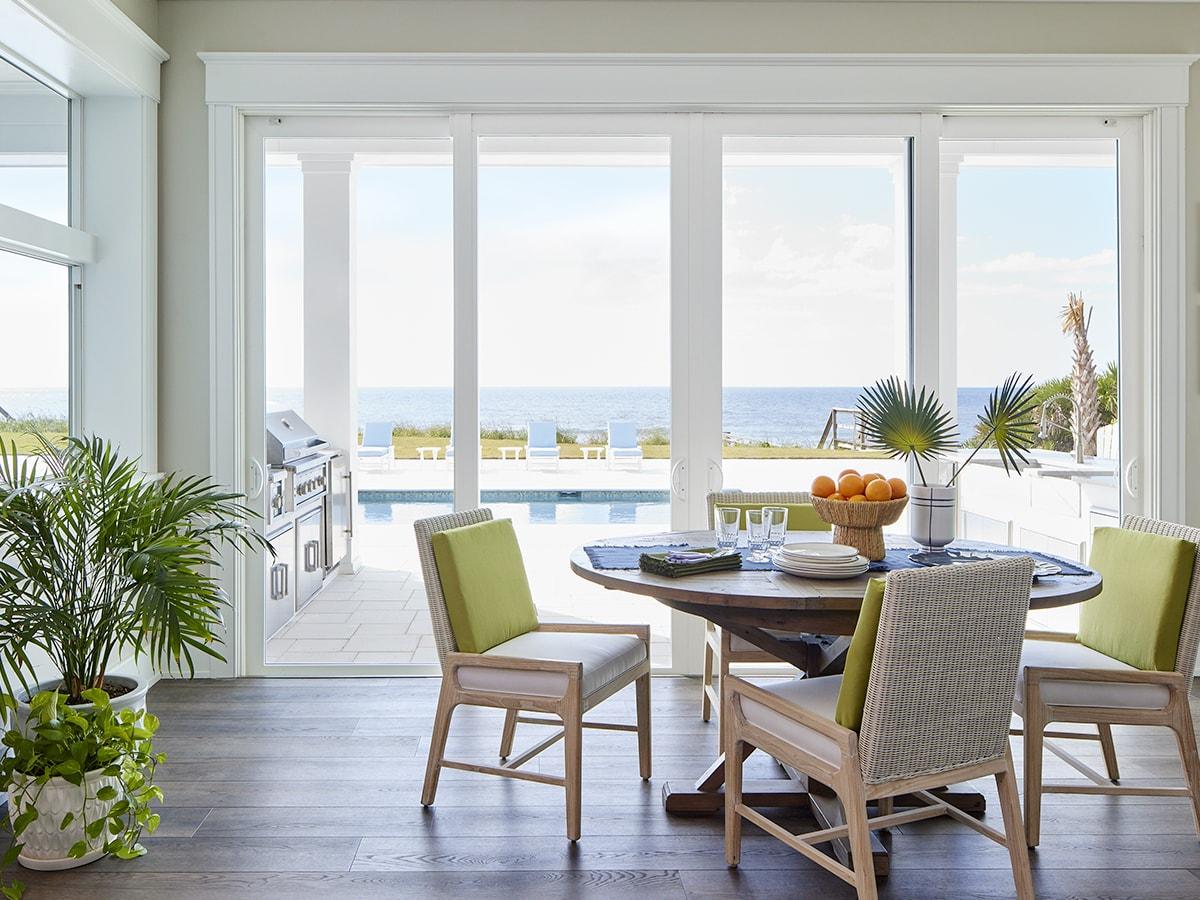
Gliding horizontally along a track, CWS WindPact vinyl impact sliding patio doors protect homes from…
View Product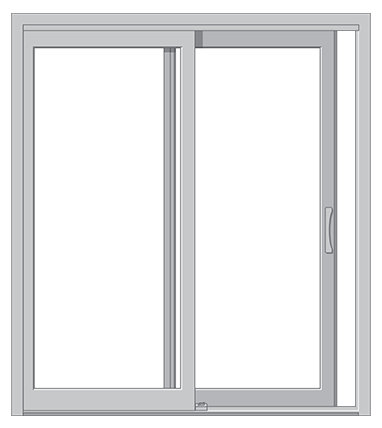
Gain peace of mind with a CWS sliding patio door. This strong and durable sliding…
View Product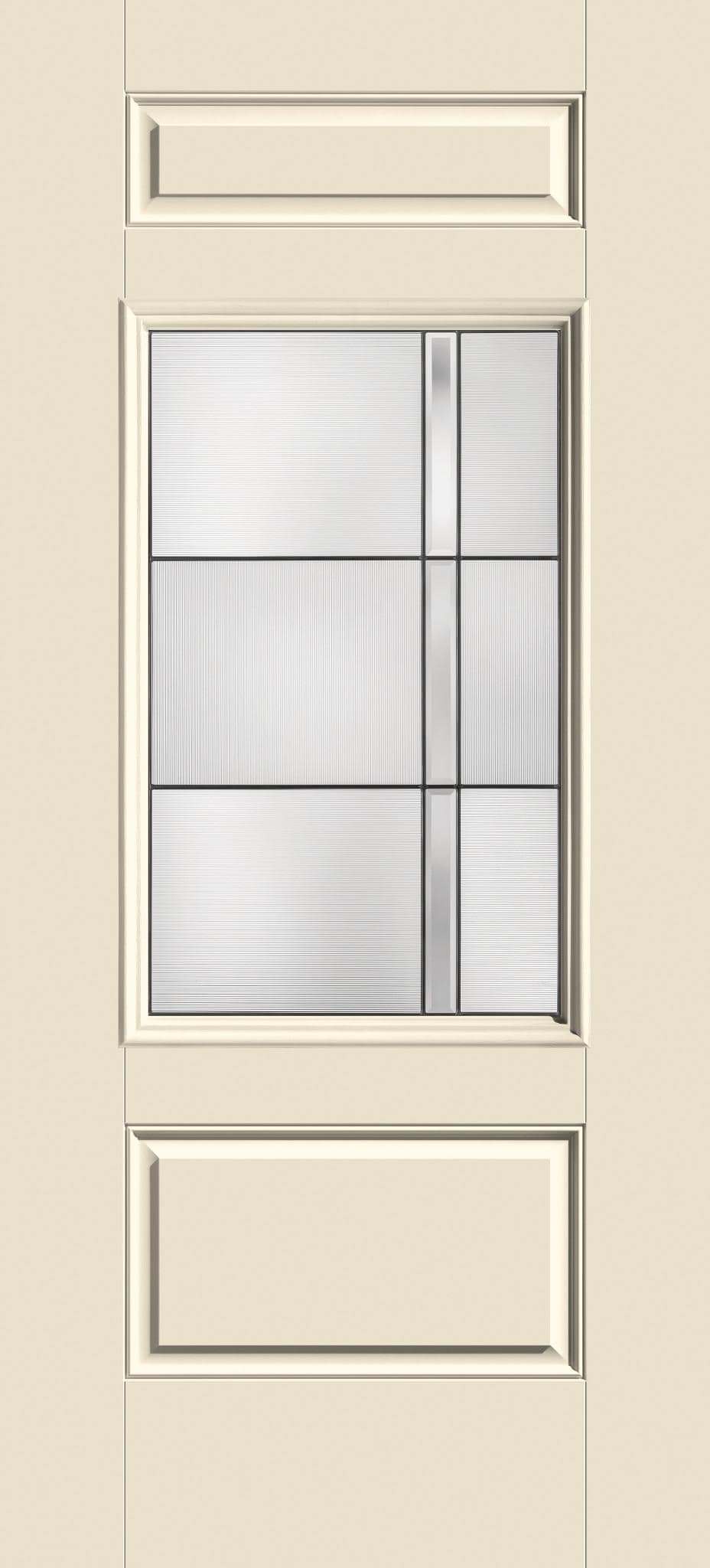
Looking to add a splash of color to your entryway? The Half Lite 1 Panel…
View Product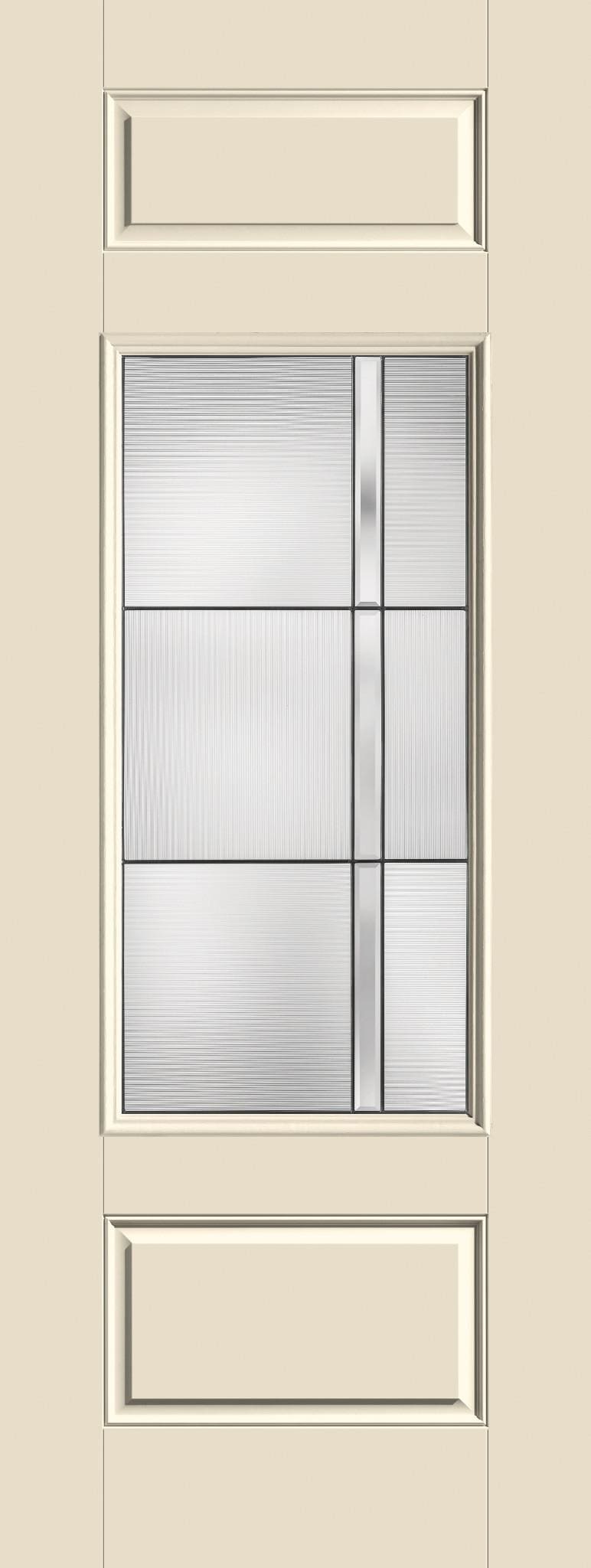
Looking to add a splash of color to your entryway? The 8' Half Lite 1…
View Product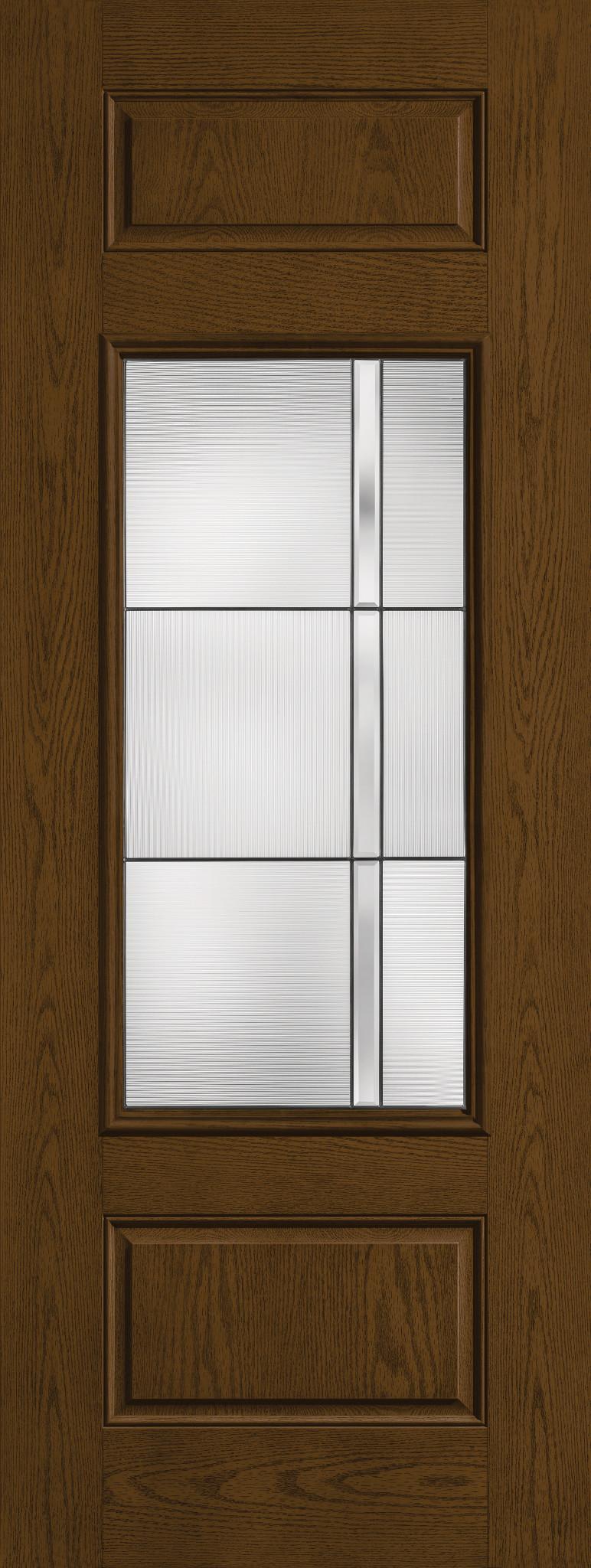
The 8' Half Lite 1 Panel Top and Bottom is the door that started the…
View ProductContact our local Tampa window and door experts today to explore our wide selection of frosted, tinted, and textured privacy glass options tailored to your home's style and security needs.