
8414 Sabal Industrial Blvd, Tampa, FL 33619
Hurricane Strong. STH Strong
Mon – Fri 8:00AM – 5:00OM / Sat-Sun – Closed
August 11, 2026 · Reading time: ~9 min
If you are ready to address the noise issues in your home, keep these two main strategies in mind:
Do not waste money soundproofing your walls until you have addressed your windows and doors. Glass and door systems are almost always the thinnest barriers in any home. Start by checking your seals, and if the glass itself is the problem, look into upgrading to high-STC options.
In Florida, you should never buy single-purpose home upgrades if you can help it. When you invest in high-quality Tampa window replacement using hurricane impact glass, you are not just securing your home against the next major storm—you are also buying year-round peace, quiet, and lower energy bills.
To block outside noise, you must seal air gaps and upgrade to thicker, laminated glass. Standard single-pane or basic double-pane glass and door systems let sound waves pass through like a screen door. Upgrading to laminated impact glass or installing heavy-duty weatherstripping can cut incoming noise by more than half, turning a chaotic environment into a quiet sanctuary.
This guide is for Tampa homeowners who are tired of losing sleep to highway traffic, airport flight paths, or neighborhood noise and want a permanent, practical fix. At STH Windows & Doors, we install these systems every day, and we know exactly what works in the humid Florida climate.
Tampa is growing fast, and with that growth comes noise. If you live near Interstate 4 or Interstate 275, or directly under the flight paths for Tampa International Airport (TPA), you know the constant drone of engines all too well. Standard home construction is built to keep out the rain, but it is rarely optimized to keep out sound.
Low-frequency rumbles from heavy trucks on I-275 and the high-frequency whine of jet engines require different types of acoustic barriers. Standard glass vibrates in sympathy with these external sounds, acting like a speaker cone that rebroadcasts the noise directly into your living room.
And then there is the weather. Tampa’s intense summer heat and relentless humidity do a number on your home’s seals. Over time, the rubber weatherstripping around your entryways dries out, cracks, and shrinks.
When air can bypass your doors and windows, sound waves ride right along with it. If you can feel a draft or see a sliver of daylight around your door frame, your soundproofing is already compromised. In Florida, a failed seal does not just let in hot air—it lets in the neighborhood.
“A gap as small as one percent of a door’s surface area can let in up to 50 percent of the outside noise. Sound behaves like water; if there is a hole, it will find its way in.”
When shopping for noise reduction doors or soundproof glass, you will run into the term STC. This is not just industry jargon—it is the direct measurement of how much sound a barrier stops.
Sound Transmission Class (STC) is an integer rating that rates how well a building partition attenuates airborne sound. The scale is logarithmic, meaning a small increase in the rating represents a massive jump in noise reduction. For instance, a barrier with an STC of 40 stops significantly more noise than one rated at 30. For residential properties, aiming for an STC rating of 35 or higher is where you start to notice real, life-changing quiet.
Many homeowners assume that adding more panes of glass automatically solves their noise problems. It does not. While a standard double-pane window performs better than a drafty single-pane window, the uniform air space between the panes can actually resonate at certain frequencies, letting traffic rumble pass right through.
To truly block sound, you need varied glass thicknesses or laminated glass. This disrupts the sound waves, preventing them from passing cleanly through the window unit.
Laminated glass is the gold standard for acoustic performance. It consists of two sheets of glass bonded together with a plastic interlayer—usually polyvinyl butyral (PVB). This interlayer acts as a dampening pad, absorbing sound vibrations instead of transmitting them. It is the exact same technology used in high-performance Hurricane impact glass soundproof systems.
| Glass Configuration | Average STC Rating | Acoustic Performance Level |
|---|---|---|
| Standard Single-Pane Glass | 26 – 28 | Poor (Hear clear speech through glass) |
| Standard Double-Pane Glass | 28 – 32 | Moderate (Hear muffled speech) |
| Laminated Impact Glass | 35 – 40+ | Excellent (Most street noises are completely blocked) |
If you are not ready to invest in a full Tampa window replacement, there are a few practical, hands-on steps you can take to quiet your home using your existing openings.
The first line of defense is sealing the perimeter. Look closely at your front door and sliding glass doors. If the seals are worn, replace them with heavy-duty silicone weatherstripping. For entry doors, install a solid, adjustable door sweep to seal the gap between the bottom of the door and the threshold.
Over time, settling in your home’s foundation can cause tiny cracks to form between the window frame and your drywall. Use a high-quality acoustic sealant (which remains flexible and does not crack over time) to seal these gaps. Run a bead of caulk along both the interior and exterior trim to seal off air and sound pathways.
Heavy, dense fabrics can help absorb sound waves inside the room, reducing echo. While they will not stop sound from entering your home through a thin window, they can help dampen the noise once it is inside. Look for curtains labeled specifically for acoustic dampening, which feature dense, multi-layered construction.
While DIY patches help, they cannot match the performance of engineered, high-STC replacement products. If you want a permanent solution to street noise, replacing your old openings is the only way to go.
In Tampa, we have to build for storm safety. Fortunately, the same laminated glass that protects your home from 140-mph hurricane winds also acts as an incredible sound barrier.
Products like the CWS® WINDPACT Vinyl French Patio Door and the CWS® WINDPACT Vinyl Sliding Patio Door feature heavy-duty laminated impact glass. Because these doors are engineered with thick glass panes bonded by a tough inner layer, they naturally absorb the vibrations of passing semi-trucks, lawnmowers, and barking dogs.
If you do not require full impact protection but still want excellent durability and thermal performance, a non-impact alternative like the CWS® COMFORT SHIELD Vinyl Sliding Patio Door offers a strong vinyl frame that helps dampen sound better than thin aluminum frames.
The frame material matters just as much as the glass. Aluminum frames are strong, but they conduct sound vibrations easily. Vinyl frames, on the other hand, are constructed with multiple internal chambers. These air pockets are designed for thermal insulation, but they do double duty by trapping and disrupting sound waves.
For entryways, fiberglass doors are vastly superior to hollow metal or standard wood doors. A solid polyurethane foam core—like the one found in the Therma-Tru Half Lite 1 Panel Top and Bottom door or the grander 8′ Half Lite 1 Panel Top and Bottom door—absorbs sound beautifully. If you love the classic look of wood but want the acoustic and structural benefits of fiberglass, the Therma-Tru 8′ Half Lite 1 Panel Top and Bottom from the Fiber-Classic Oak Collection gives you that warm wood grain look while keeping the interior of your home incredibly quiet.
To understand how this works in the real world, let’s look at a home we recently worked on in South Tampa, not far from the bustling traffic of Bayshore Boulevard.
The homeowners were dealing with constant disruptions. Between early morning runners, loud exhaust systems on the weekend, and the low rumble of city buses, their master bedroom—which faced the street—felt like it was right on the sidewalk. They could not sleep past 6:00 AM, and working from home had become a test of patience.
We evaluated their home and identified two major weak spots: an old, drafty aluminum sliding door leading to the patio and a thin, uninsulated front entry door.
We replaced the old slider with a heavy-duty CWS® WINDPACT Vinyl Sliding Patio Door featuring laminated impact glass. For the front entryway, we installed a Therma-Tru 8′ Half Lite 1 Panel Top and Bottom fiberglass door with a solid foam core. This combination addressed both the large glass surface area and the structural gaps around the front door.
The transformation was immediate. The constant hiss of tires on wet asphalt disappeared. The homeowners reported that they could no longer hear the morning traffic or the neighbor’s lawn care crew. As an added benefit, their monthly electric bills dropped because their new, airtight vinyl and fiberglass systems kept their air conditioning from leaking outside.
If you are ready to address the noise issues in your home, keep these two main strategies in mind:
Do not waste money soundproofing your walls until you have addressed your windows and doors. Glass and door systems are almost always the thinnest barriers in any home. Start by checking your seals, and if the glass itself is the problem, look into upgrading to high-STC options.
In Florida, you should never buy single-purpose home upgrades if you can help it. When you invest in high-quality Tampa window replacement using hurricane impact glass, you are not just securing your home against the next major storm—you are also buying year-round peace, quiet, and lower energy bills.
No, standard double-pane glass cannot block all outside noise. While it performs better than single-pane glass, low-frequency rumbles like traffic and heavy bass will still vibrate through the panes unless you upgrade to laminated glass or windows with varied glass thicknesses.
Yes, exceptionally well. Hurricane impact glass features a thick, shatterproof PVB interlayer laminated between two panes of glass, which acts as a powerful dampening barrier that absorbs sound vibrations and significantly cuts down on outdoor noise pollution.
Related reading: Glass and Door Energy Ratings: U-Factor and SHGC Explained.
Perform a simple light test at night by shining a flashlight around the door frame from the outside. If you see light leaking through the edges inside, your seals are failing and letting sound in. If the seals are tight but noise is still loud, the glass is the culprit.
Don’t let traffic, storms, or neighborhood noise disrupt your comfort. Contact our expert team today for a free consultation on high-STC glass and door replacements tailored for Tampa living.
Get Your Free QuoteBased on this article, here are products that might help you:
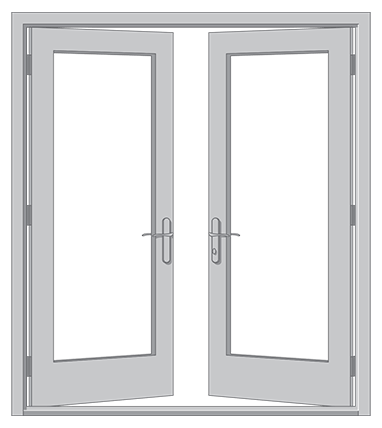
Get protection from hurricanes, intruders and high energy bills with a CWS vinyl impact French…
View Product
Gliding horizontally along a track, CWS WindPact vinyl impact sliding patio doors protect homes from…
View Product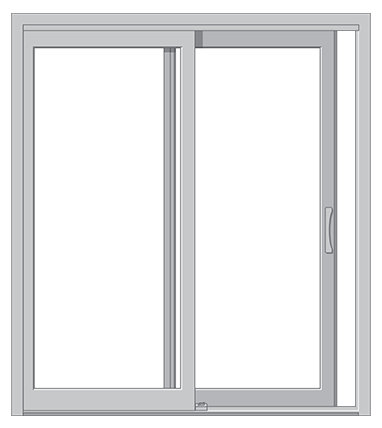
Gain peace of mind with a CWS sliding patio door. This strong and durable sliding…
View Product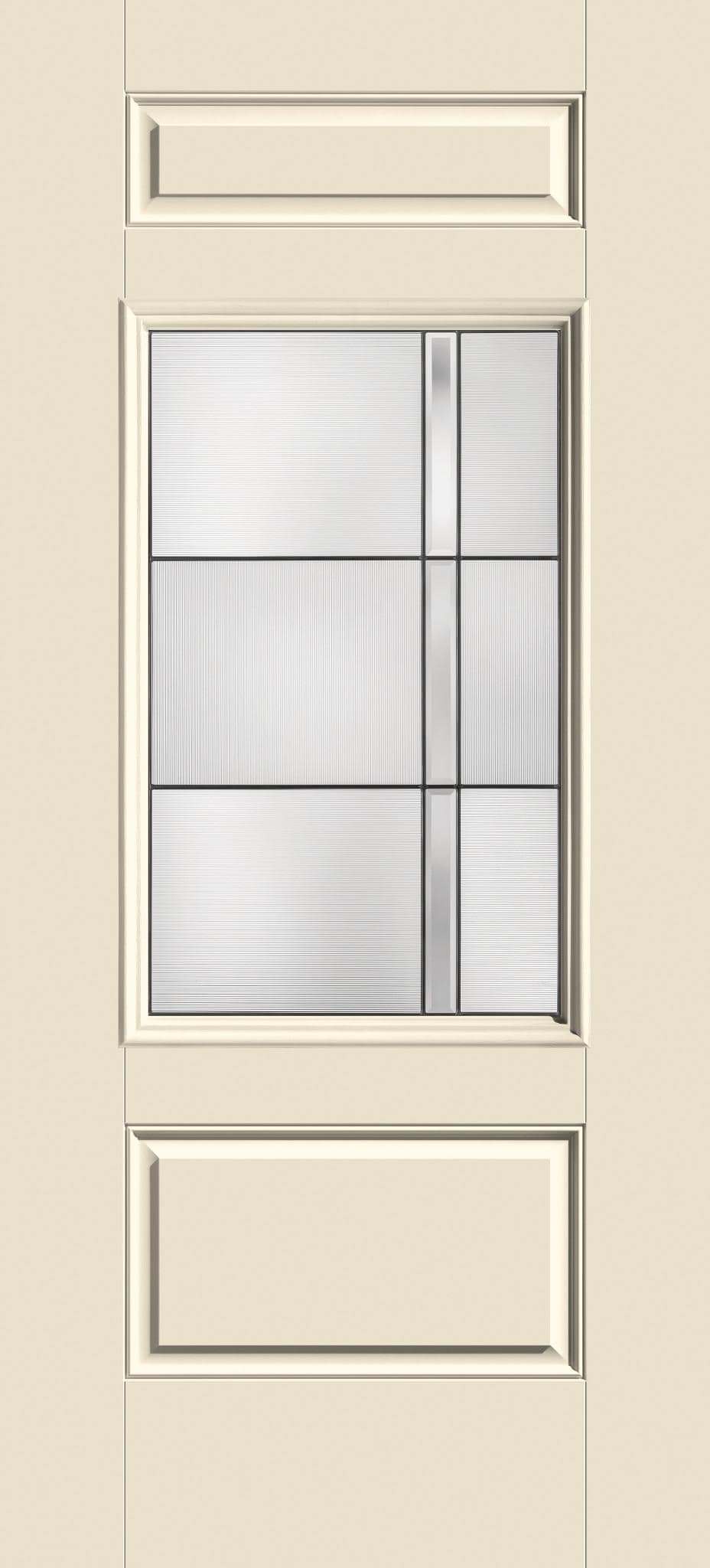
Looking to add a splash of color to your entryway? The Half Lite 1 Panel…
View Product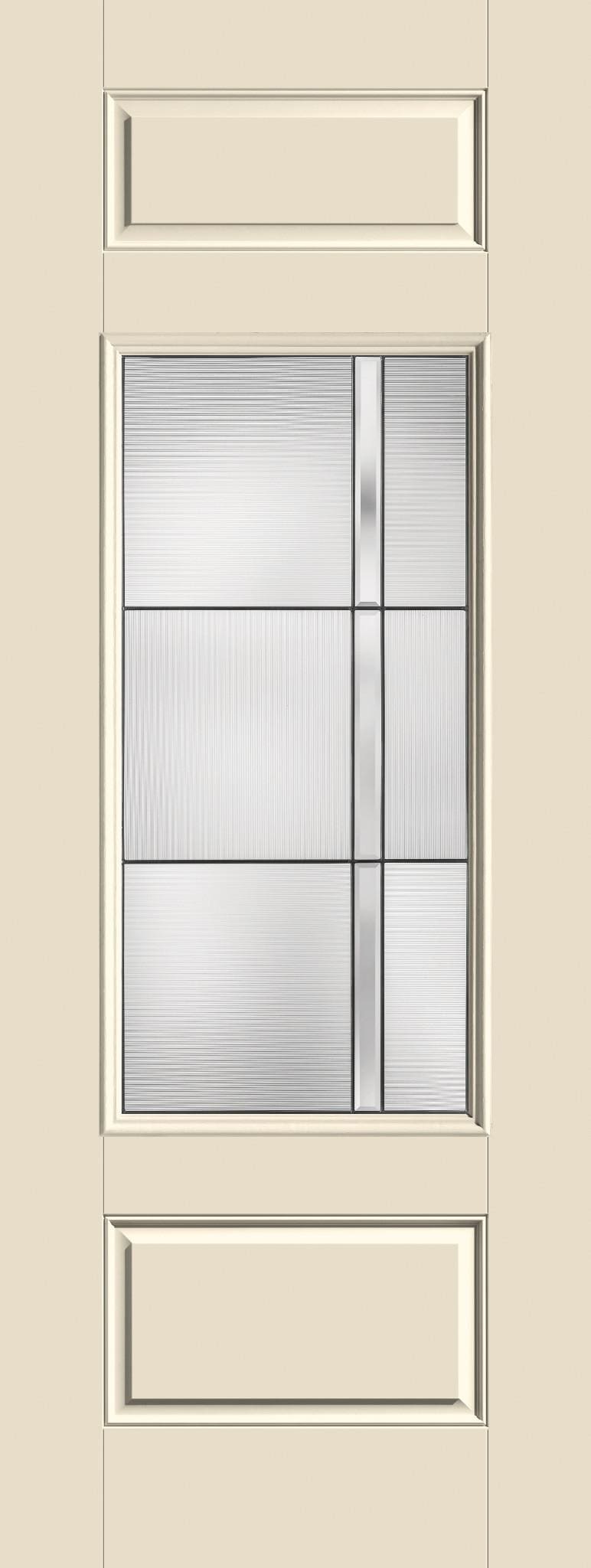
Looking to add a splash of color to your entryway? The 8' Half Lite 1…
View Product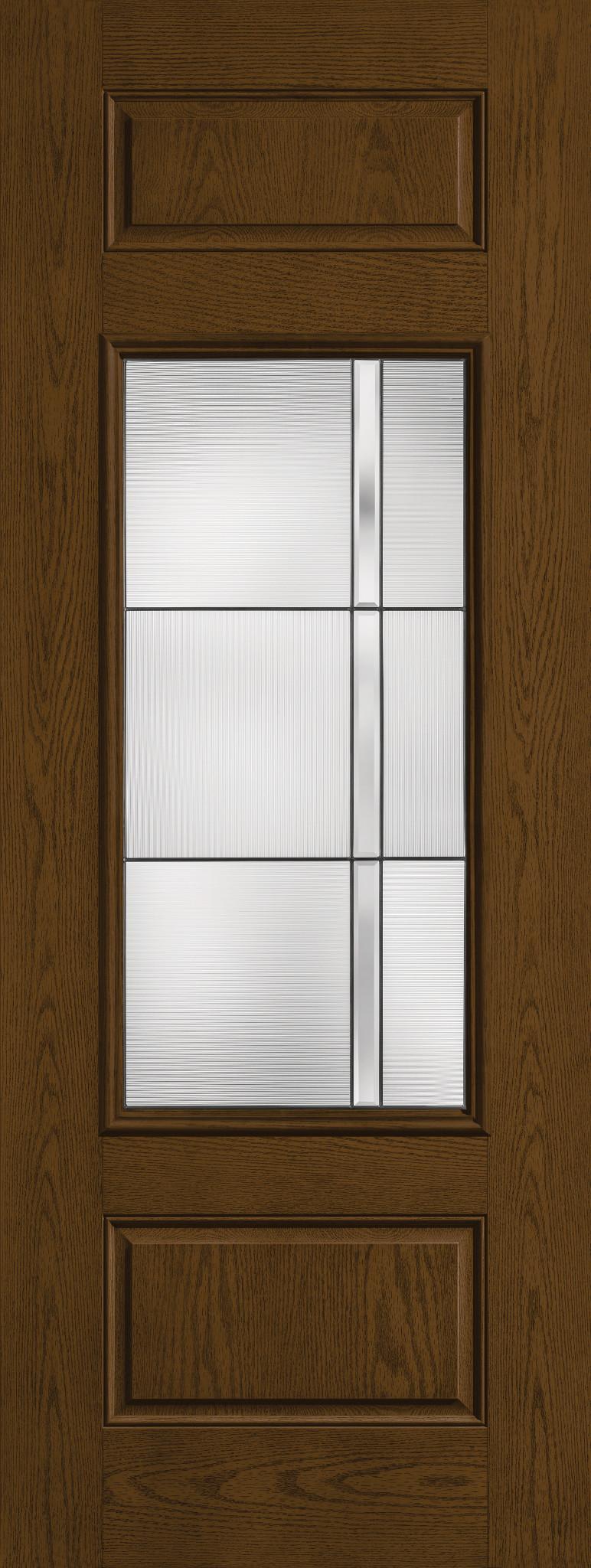
The 8' Half Lite 1 Panel Top and Bottom is the door that started the…
View ProductDon't let traffic, storms, or neighborhood noise disrupt your comfort. Contact our expert team today for a free consultation on high-STC glass and door replacements tailored for Tampa living.