8414 Sabal Industrial Blvd, Tampa, FL 33619

Hurricane Strong. STH Strong

Mon – Fri 8:00AM – 5:00OM / Sat-Sun – Closed

Sliding Patio Doors for Tampa: Energy Efficiency Guide

July 27, 2026 · Reading time: ~11 min

Sliding Patio Doors for Tampa: Energy Efficiency Guide - featured image
Sliding Patio Doors for Tampa: Energy Efficiency Guide

Key Takeaways

When shopping for Energy efficient patio doors tampa, do not get distracted by fancy marketing jargon. Focus on the facts that matter for our climate: look for an SHGC rating under 0.25, choose a frame material that resists thermal transfer (like vinyl or thermal-break aluminum), and ensure the door is installed by certified professionals who understand Florida’s strict building codes. Protecting your home from the heat, humidity, and storms is the best way to enjoy our beautiful Florida sunshine without paying a fortune to stay cool.

Upgrading to energy-efficient Sliding patio doors tampa homeowners trust can slash your monthly cooling costs by 15% to 30%. In our hot, humid climate, old sliding glass doors act like giant radiators, transferring intense solar heat directly into your living room and forcing your air conditioner to run constantly. By replacing them with doors featuring double-pane Low-E glass, low Solar Heat Gain Coefficient (SHGC) ratings, and vinyl or thermal-break aluminum frames, you block the heat while keeping your cold air inside where it belongs.

This guide is for Tampa homeowners who want to stop their expensive air conditioning from leaking outside, lower their TECO energy bills, and protect their homes from Florida’s severe weather without sacrificing their backyard views. As local window and door specialists at STH Windows & Doors, we have spent years installing these systems across the Tampa Bay area, and we know exactly what works in our unique coastal environment.

The High Cost of Cool Air in Tampa Bay for Sliding Patio Doors Tampa

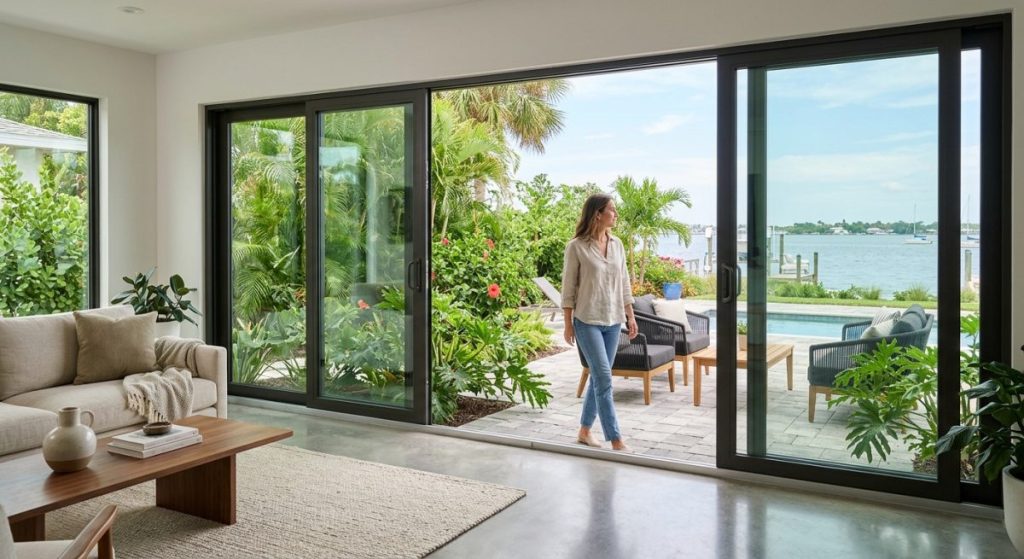
Sliding Patio Doors Tampa - illustration
Sliding Patio Doors Tampa

The Florida Heat Dilemma

Living in Tampa means dealing with subtropical heat and oppressive humidity for a massive chunk of the year. When summer temperatures hover in the mid-90s, your HVAC system has to work overtime to keep your indoor spaces liveable. The biggest vulnerability in your home’s thermal envelope isn’t your walls or your attic insulation—it’s your glass. Standard glass doors allow outdoor heat to migrate indoors through a process called thermal transfer, turning your open-concept living space into an accidental greenhouse.

Why Aging Patio Doors Are Your Energy Enemy

Many older homes in neighborhoods like South Tampa, Carrollwood, and Brandon still have their original single-pane, aluminum-frame sliding doors. These doors are terrible insulators. Aluminum conducts heat rapidly, meaning the metal frame itself becomes hot to the touch and radiates warmth inside. Over time, the rollers wear down, the frames warp from the humidity, and the felt weatherstripping degrades. This leaves gaps that let humid air seep in, forcing your AC to not only cool the air but also work twice as hard to dehumidify it.

“In Florida, an inefficient sliding glass door is essentially a giant hole in your wall. You are paying to cool the outdoors, and your utility provider is the only one winning that battle.”

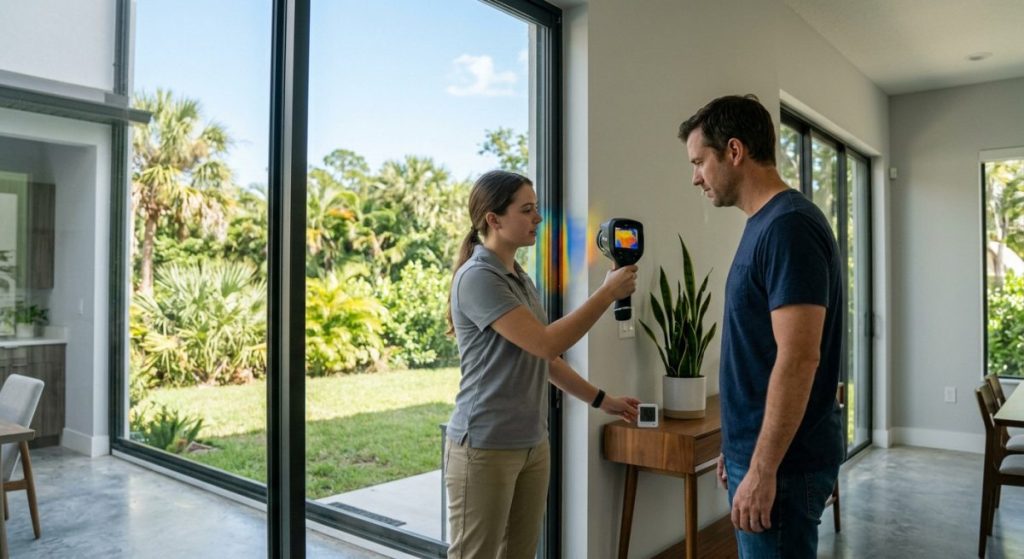
Sliding Patio Doors Tampa: Understanding Energy Loss in Tampa’s Subtropical Climate

Solar Heat Gain Coefficient (SHGC) Explained

If you take only one technical detail from this guide, let it be this: in Florida, the Solar Heat Gain Coefficient (SHGC) is the most important metric on an energy label. SHGC measures how much solar radiation passes through the glass. Ratings range between 0 and 1. For the Energy star southern zone, which includes Tampa, you want an SHGC of 0.25 or lower. A lower number means the glass blocks more radiant heat, keeping your home naturally cooler even when the afternoon sun is beating directly on your patio.

U-Factor and Air Infiltration

While northern states focus heavily on the U-Factor—which measures how well a door prevents heat from escaping—it plays a secondary, yet still important, role in Florida. You want a low U-factor to keep the hot outdoor air from transferring through the glass. Equally critical is the air infiltration rating. High-quality sliding doors feature interlocking meeting stiles and heavy-duty weatherstripping to prevent humid air from leaking through the gaps when the wind blows off Hillsborough Bay.

The Impact of High Humidity on Frame Seals

Tampa’s relentless humidity doesn’t just make you sweat; it actively attacks your door’s seals. Cheaply constructed double-pane doors often suffer from premature seal failure. When the seal breaks, the insulating gas escapes, and moist Florida air gets trapped between the panes. This leads to that ugly, permanent condensation or “fogging” that ruins your view and destroys the door’s thermal performance. Investing in commercial-grade seals is non-negotiable for coastal longevity.

Pro Tip: To check if your sliding door’s weatherstripping has failed, try sliding a dollar bill between the closed door and the frame. If you can pull the bill out easily without any resistance, your seals are shot, and you are losing air conditioned air every single day.
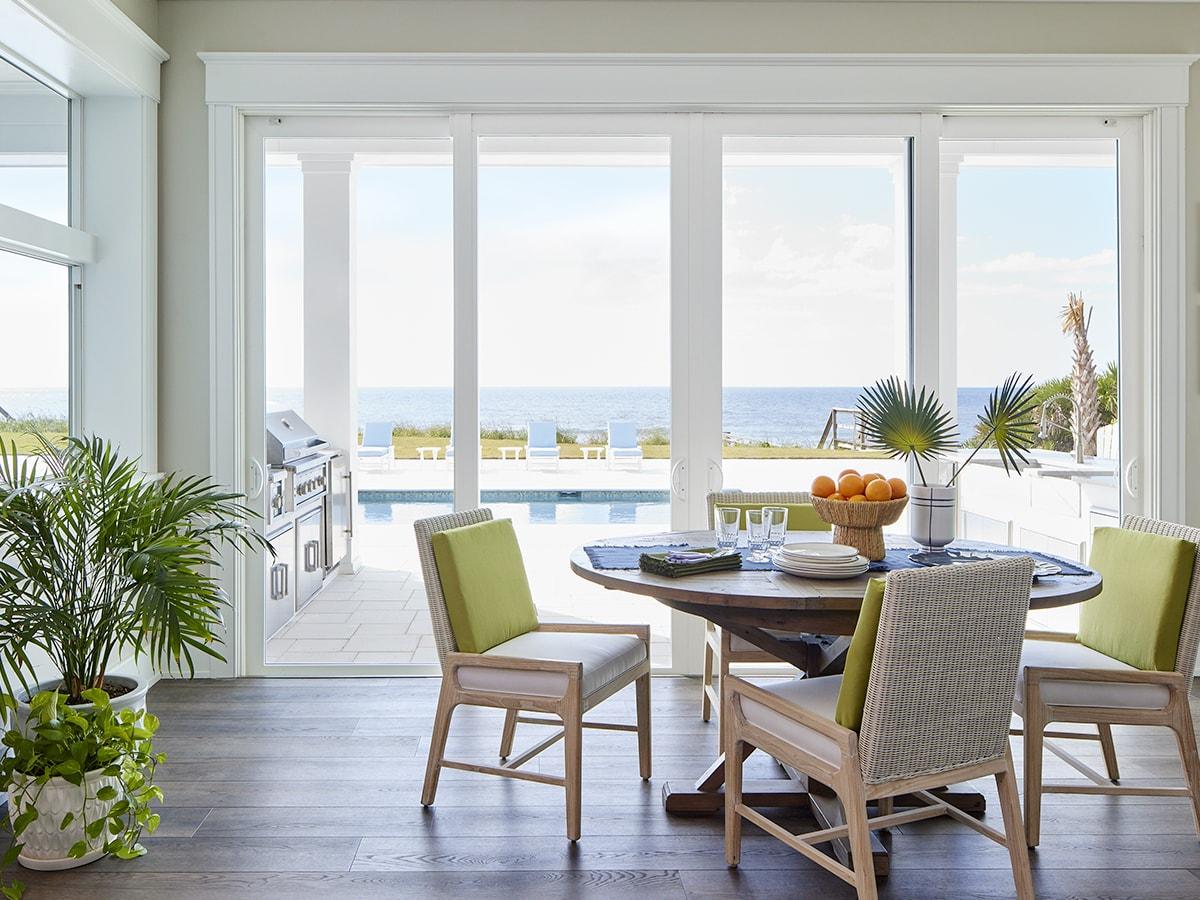
The High Cost of Cool Air in Tampa Bay illustration for sliding patio doors tampa
The High Cost of Cool Air in Tampa Bay - sliding patio doors tampa

Choosing the Best Sliding Patio Doors Tampa Has to Offer

Double-Pane vs. Triple-Pane Low-E Glass

We are often asked if triple-pane glass is necessary for Tampa homes. Honestly? No. Triple-pane glass is heavy, expensive, and designed primarily for freezing northern winters. For our climate, double-pane glass treated with a high-performance Low-e glass florida coating is the absolute sweet spot. Low-E (low-emissivity) is a microscopically thin, metallic oxide layer applied to the glass that reflects infrared heat while allowing visible light to pass through. It keeps your home bright without the heat buildup.

Argon Gas Fills

To maximize energy efficiency, the space between the two glass panes shouldn’t be filled with regular air. Quality manufacturers vacuum-seal an odorless, non-toxic gas like Argon between the panes. Argon is denser than air, which significantly slows down the transfer of heat through the glass unit. This invisible barrier makes a massive difference when the afternoon sun is baking your patio.

Warm-Edge Spacer Systems

The spacer is the piece that keeps the two panes of glass a precise distance apart. Old-school doors used highly conductive aluminum spacers, which created a cold/hot bridge right at the edge of the glass. Modern doors use warm-edge spacer systems made of composite materials or insulated stainless steel. This prevents condensation from forming along the bottom edge of the glass, protecting your indoor sills from mold and water damage.

Glass Configuration Average SHGC Rating Relative Heat Gain Reduction Best Fit for Tampa Homes
Single-Pane Clear Glass 0.70 – 0.80 Baseline (Poor) Not recommended; code non-compliant for new installs
Standard Double-Pane (No Low-E) 0.55 – 0.65 Approx. 15% reduction Minimal protection; still allows heavy heat transfer
Double-Pane with Low-E & Argon 0.20 – 0.24 Approx. 70% reduction Ideal; meets all Energy Star Southern Zone standards
Triple-Pane with Low-E & Argon 0.18 – 0.22 Approx. 75% reduction Overkill; adds unnecessary weight and cost for our climate

Frame Materials: Balancing Thermal Performance and Durability

Vinyl Frames: The Thermal Efficiency Leader

Vinyl is an outstanding material for energy efficiency. Unlike metal, vinyl does not conduct heat. High-quality vinyl frames feature multi-chambered profiles that trap air, creating additional insulating pockets. A prime example is the CWS® WINDPACT Vinyl Sliding Patio Door. This vinyl impact door is engineered to handle both the thermal demands of our climate and the high-velocity winds of a hurricane. It is highly resistant to salt air, meaning it will not rust, pit, or corrode, making it perfect for homes close to the Gulf or Tampa Bay.

Thermal-Break Aluminum: Strength Meets Efficiency

Aluminum is incredibly strong, which is why architects love it for modern designs with massive glass spans. However, raw aluminum is a terrible insulator. To solve this, premium doors use a “thermal break”—a non-conductive barrier placed inside the aluminum frame to stop heat from traveling from the outside to the inside.

If you want expansive views and structural strength, PGT’s ClassicVue Max series is a top-tier choice. The CLASSICVUE MAX ALUMINUM – Preferred Sliding Glass Door allows you to configure up to eight panels with a dual-point locking system for extra security. If you are looking to open up a massive wall, the CLASSICVUE MAX ALUMINUM – Premium Sliding Glass Door can expand up to 40 feet, giving you uninterrupted views of your pool or backyard while maintaining structural integrity. Because these are non-impact doors, they are highly cost-effective options for inland areas or homes with existing hurricane shutters.

Composite Frames: Premium Durability

Composite frames blend wood fibers and thermoplastic polymers. They offer the elegant look of natural wood without any of the maintenance headaches. They do not rot, swell, or warp in our high humidity, and they provide excellent thermal insulation. However, they generally come with a premium price tag compared to high-grade vinyl.

Vinyl Frame Pros:
  • Maximum thermal insulation (non-conductive)
  • Virtually maintenance-free; never needs painting
  • Highly resistant to salt air and coastal corrosion
  • Excellent value-to-performance ratio
Aluminum Frame Pros:
  • Unmatched structural strength for massive glass spans
  • Ultra-slim profiles for modern, minimalist aesthetics
  • Can handle heavy wind loads in high-velocity hurricane zones
  • Extremely durable and impact-resistant
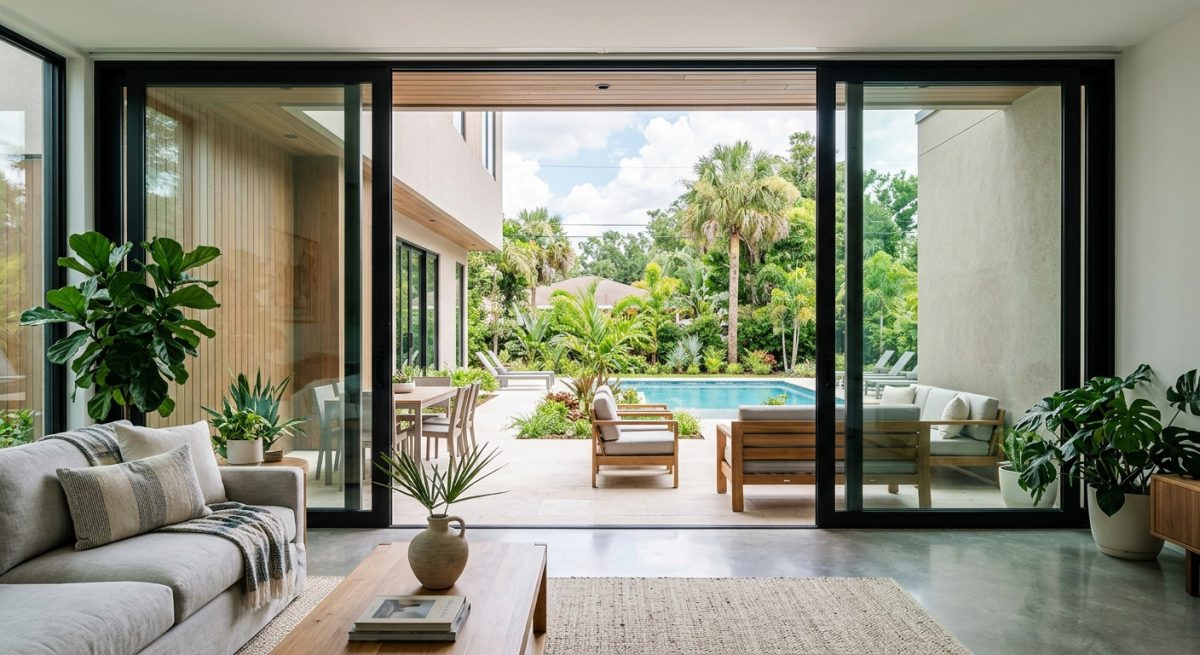
Understanding Energy Loss in Tampa's Subtropical Climate illustration for sliding patio doors tampa
Understanding Energy Loss in Tampa's Subtropical Climate - sliding patio doors tampa

The Intersection of Impact Resistance and Thermal Performance

Laminated Glass as an Extra Thermal Barrier

Many Tampa homeowners do not realize that choosing Impact sliding glass doors for storm protection also provides a massive boost to their energy efficiency. Impact-resistant glass consists of two panes of glass bonded together with a heavy-duty plastic interlayer (usually PVB or SGP). This thick, laminated sandwich does more than stop flying debris; it acts as an incredibly dense barrier against sound and thermal energy. It makes your home quieter, safer, and significantly more insulated.

UV Protection for Interior Furnishings

The laminated interlayer in impact glass acts like sunscreen for your house. It filters out up to 99% of harmful ultraviolet (UV) rays. In sunny Florida, UV radiation is the primary culprit behind faded hardwood floors, bleached area rugs, and ruined leather furniture. By installing an impact door like the CWS® WINDPACT Vinyl Sliding Patio Door, you protect your interior investments from sun damage while keeping your home cool.

Step-by-Step Selection and Installation Guide

Assessing Your Current Energy Loss

Before buying, inspect your current setup. On a hot afternoon, stand near your closed sliding door. Do you feel a wave of heat radiating off the glass? Touch the frame—is it hot? Look closely at the corners for light leaks or visible gaps where the weatherstripping has worn away. If you see condensation trapped between the glass panes, your seals have failed, and a Tampa patio door replacement is your best path forward.

Tampa has strict building codes regarding wind loads and impact resistance, especially if you live close to the water. Before purchasing any patio door, you must verify your local wind-borne debris region (WBDR) requirements. Additionally, if you live in an HOA-controlled community in areas like Westchase or FishHawk, you will need to get approval on frame colors and grid patterns to ensure they match the community’s architectural guidelines.

Why Professional Installation is Non-Negotiable

You can buy the most expensive, energy-efficient door on the market, but if it is installed poorly, it will fail. Sliding doors must be perfectly level, square, and plumb. In Florida, proper flashing and waterproofing are critical. If the threshold is not sealed correctly, heavy summer downpours will force water under your tracks, leading to drywall damage, wood rot, and mold. Professional installers ensure the door operates smoothly with a tight, airtight seal when locked.

  1. Measure the opening: Get precise rough opening measurements (width, height, and depth) to ensure a seamless fit.
  2. Check local codes: Determine if your property requires impact-rated glass or if non-impact with shutters is acceptable.
  3. Select your frame: Choose vinyl for maximum thermal efficiency or aluminum for large, multi-panel configurations.
  4. Specify the glass package: Insist on double-pane glass with Argon gas and an SHGC rating under 0.25.
  5. Verify the warranty: Ensure the manufacturer covers seal failure, frame warping, and hardware for at least 10 to 20 years.
Choosing the Right Energy-Efficient Sliding Patio Doors for Tampa Homes illustration for sliding patio doors tampa
Choosing the Right Energy-Efficient Sliding Patio Doors for Tampa Homes - sliding patio doors tampa

Real-World Savings: A Tampa Home Energy Upgrade

Let’s look at a typical home in South Tampa built in 1998. The house had a 12-foot wide, three-panel aluminum sliding door that was original to the build. The homeowners noticed their AC ran continuously from May through October, and the living room was always uncomfortably warm.

They decided to replace the old unit with a high-performance CWS® WINDPACT Vinyl Sliding Patio Door featuring Low-E glass and Argon gas. The impact glass allowed them to eliminate their old, bulky hurricane shutters. The following summer, their average monthly TECO electric bill dropped by roughly $65. Over the course of a year, that added up to over $500 in direct savings, not to mention the immediate comfort of a living room that no longer felt like a sauna.

Key Takeaway: Upgrading your sliding doors is not just a cosmetic home improvement; it is an investment that pays direct dividends on your utility bills while increasing your home’s resale value and storm safety.

Key Takeaways for Tampa Homeowners

When shopping for Energy efficient patio doors tampa, do not get distracted by fancy marketing jargon. Focus on the facts that matter for our climate: look for an SHGC rating under 0.25, choose a frame material that resists thermal transfer (like vinyl or thermal-break aluminum), and ensure the door is installed by certified professionals who understand Florida’s strict building codes. Protecting your home from the heat, humidity, and storms is the best way to enjoy our beautiful Florida sunshine without paying a fortune to stay cool.

Frequently Asked Questions

Do energy-efficient sliding doors really lower Tampa electric bills?

Yes. Upgrading from old, single-pane aluminum doors to Energy Star certified double-pane vinyl doors can reduce your monthly cooling costs by 15% to 30%. By blocking radiant solar heat, your air conditioner does not have to run constantly to maintain a comfortable indoor temperature.

What is the ideal SHGC rating for patio doors in Florida?

For Florida’s hot climate, you should look for a Solar Heat Gain Coefficient (SHGC) of 0.25 or lower. This rating ensures that the glass reflects the vast majority of the sun’s infrared heat, keeping your living spaces significantly cooler during peak afternoon hours.

Are impact-resistant sliding doors also energy-efficient?

Absolutely. The heavy-duty laminated glass interlayer required for hurricane protection naturally acts as an exceptional thermal barrier. It significantly reduces heat transfer, blocks 99% of fading UV rays, and provides outstanding sound dampening compared to standard glass doors.

How long do vinyl sliding patio doors last in the Tampa humidity?

High-quality, UV-stabilized vinyl frames are built to withstand Tampa’s intense sun, high humidity, and salt air. They will not warp, rot, pit, or corrode, and they easily last 20 to 25 years with minimal maintenance beyond keeping the tracks clean.

For a deeper look, see Andersen Patio Doors Cost: 2026 Price Guide by Series.

Upgrade Your Tampa Home to Cool Comfort

Ready to stop letting your air conditioning escape through drafty patio doors? Contact our local Tampa team today for a free, no-obligation energy-efficiency consultation and find the perfect sliding doors for your home.

Schedule Your Free Consultation

Recommended Products

Based on this article, here are products that might help you:

CWS® WINDPACT Vinyl Sliding Patio Door product image

CWS® WINDPACT Vinyl Sliding Patio Door

Gliding horizontally along a track, CWS WindPact vinyl impact sliding patio doors protect homes from…

View Product
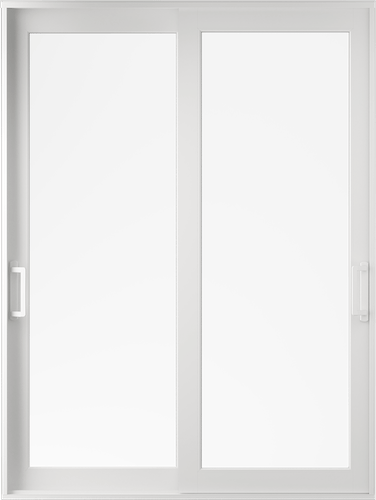
CLASSICVUE MAX ALUMINUM - Preferred Sliding Glass Door product image

CLASSICVUE MAX ALUMINUM – Preferred Sliding Glass Door

Loved for its easy operation and expanded views. Configure with up to eight panels and…

View Product
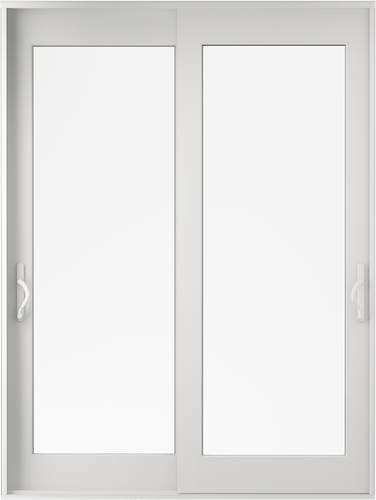
CLASSICVUE MAX ALUMINUM - Premium Sliding Glass Door product image

CLASSICVUE MAX ALUMINUM – Premium Sliding Glass Door

Offering expansions of up to 40 feet, this premium door provides uninterrupted views along with…

View Product

Frequently Asked Questions

Yes. Upgrading from standard single-pane aluminum doors to Energy Star certified double-pane vinyl doors can reduce cooling costs by up to 15% to 30% depending on your home’s overall insulation.
For Florida’s Southern Zone, look for a Solar Heat Gain Coefficient (SHGC) of 0.25 or lower to block the maximum amount of radiant solar heat.
Absolutely. The laminated glass required for hurricane resistance naturally provides superior sound dampening and thermal insulation compared to standard glass.
High-quality, UV-stabilized vinyl frames are designed to withstand high humidity and salt air without cracking, warping, or peeling, easily lasting 20 to 25 years with minimal maintenance.
★  Free Consultation

Upgrade Your Tampa Home to Cool Comfort

Ready to stop letting your air conditioning escape through drafty patio doors? Contact our local Tampa team today for a free, no-obligation energy-efficiency consultation and find the perfect sliding doors for your home.

✔  No obligation✔  Free quote✔  Expert advice