
8414 Sabal Industrial Blvd, Tampa, FL 33619
Hurricane Strong. STH Strong
Mon – Fri 8:00AM – 5:00OM / Sat-Sun – Closed
September 19, 2026 · Reading time: ~10 min
By understanding how to read these labels, you can confidently compare different window manufacturers and choose the products that will truly protect and insulate your property for decades to come.
Don’t guess when it comes to protecting your home from Florida storms and heat. Contact our local Tampa window experts today for a free consultation on certified, high-performance windows.
To understand a window’s true quality, you have to ignore the glossy brochures and look straight at the certification labels. When evaluating different Window manufacturers, the two labels that actually matter are the AAMA (American Architectural Manufacturers Association) and NFRC (National Fenestration Rating Council) stickers. Together, they tell you exactly how a window will perform under physical pressure and how much it will cut your cooling bills. This guide is for Tampa homeowners and commercial property owners who want to cut through sales pitches and verify exactly how well their new windows will withstand Florida’s brutal tropical storms and relentless summer heat.
At STH Windows & Doors, we help local property owners make sense of these ratings every day. We know that choosing the wrong glass package in Hillsborough County doesn’t just mean higher electric bills—it can mean structural failure when a major storm rolls in off the Gulf.
Tampa’s climate is notoriously harsh on building materials. With summer temperatures routinely hovering in the nineties and relative humidity levels regularly climbing past 80%, local windows face a constant thermal assault. Solar heat gain can turn your living room into an oven, forcing your air conditioner to run constantly. Over time, this intense heat and humidity can degrade cheap, uncertified window frames, causing them to warp, crack, or lose their airtight seals. When seals fail, humid air creeps into your home, creating a breeding ground for mold and mildew behind your drywall.
Because of our vulnerability to tropical storms, the Florida Building Code enforces some of the strictest structural requirements in the country. Tampa sits in a Wind-Borne Debris Region, meaning any new window installation must meet specific wind-load and impact standards. When building inspectors evaluate a project, they do not take a contractor’s word for it; they look for official certification labels. These labels provide undeniable, third-party proof that the products from your chosen window manufacturers comply with local safety laws.
The American Architectural Manufacturers Association—which recently merged into the Fenestration and Glazing Industry Alliance (FGIA)—sets the benchmark for structural window testing. When you see an AAMA Gold Label on a window, it means the manufacturer has submitted their product to rigorous, independent laboratory testing.
“The AAMA Gold Label is the ultimate proof of physical durability. It tells you that a window won’t just fit the opening, but will actually hold your home together when wind and rain try to tear it apart.”
A window’s structural integrity is measured by its Design pressure rating (DP rating). This rating indicates how much wind pressure a window can withstand before bowing, breaking, or popping out of its frame. For example, a window with a DP-50 rating has been tested to withstand 50 pounds of pressure per square foot—equivalent to wind speeds of roughly 140 miles per hour. If you are shopping for Impact windows Tampa homes require, paying close attention to the DP rating on the AAMA label is non-negotiable.
High winds are only half the battle; wind-driven rain is often what causes the most expensive property damage. AAMA testing forces water against the window frame at high pressure to ensure it does not leak into your walls. The test also measures air infiltration—how much drafty air leaks through the seals when the window is closed. In our humid climate, keeping hot, moist air outside is critical for preserving your indoor air quality and protecting your home’s framing from rot.
You might occasionally see an AAMA Silver Label, but there is a major difference between Silver and Gold. While the Silver Label only certifies that a single prototype passed the initial laboratory test, the Gold Label requires the manufacturer’s actual assembly plant to submit to unannounced, third-party audits. These inspectors walk the factory floor to verify that the windows being built for customers are identical to the high-performing units tested in the lab.
While the AAMA label tells you if a window will stand up to a storm, the National Fenestration Rating Council (NFRC) label tells you how much the window will cost you on your monthly electric bill. The NFRC is a non-profit organization that provides uniform, objective energy ratings for windows, doors, and skylights.
If you only look at one number on the NFRC label, make it the Solar Heat Gain Coefficient (SHGC). This metric measures how much solar radiation passes through the glass and turns into heat inside your home. SHGC is rated on a scale from 0 to 1. In northern states, homeowners want a high SHGC to help warm their houses in the winter. In Florida, we want the exact opposite. To find truly Energy efficient windows Florida properties need, look for an SHGC of 0.25 or lower. This blocks the vast majority of the sun’s radiant heat, keeping your AC from working overtime.
The U-Factor measures how well a window insulates. Specifically, it rates how much non-solar heat flows through the window. While a low U-Factor is critical in freezing climates, it is still important in Tampa to keep your expensive, air-conditioned air inside. Aim for a U-Factor of 0.40 or lower.
Visible Transmittance (VT) measures how much natural daylight passes through the glass, rated on a scale from 0 to 1. A higher VT means brighter rooms, but because heavy tinting is often used to lower the SHGC, you have to strike a balance. Modern low-E glass coatings are excellent because they allow high levels of natural light (high VT) while blocking invisible heat-carrying infrared rays (low SHGC).
The NFRC label also includes optional ratings for Air Leakage (AL) and Condensation Resistance (CR). Air Leakage measures how much air passes through the window’s joints; look for a rating of 0.3 or lower. Condensation Resistance is rated from 1 to 100. A higher number means the window is better at resisting moisture buildup on the glass, which is incredibly helpful for preventing mold growth in our humid coastal climate.
It is a mistake to view these two certifications as competitors. They measure entirely different physical properties. A window can be incredibly energy efficient (high NFRC rating) but physically weak (low AAMA rating), meaning it might save you money on utilities but fail during a storm. Conversely, a heavy-duty impact window might be strong enough to survive a hurricane but let too much heat pass through if it lacks proper low-E coatings.
The best window manufacturers design their products to excel in both categories. For commercial storefronts and high-end modern homes in Tampa, systems like the FS-300 Maximum View Impact Storefront System are engineered to offer maximum glass areas without sacrificing structural DP ratings or energy performance. Similarly, the heavy-duty SMI-175 Impact Window Wall System uses a specialized “non-weep” wet glazed design to deliver elite structural water resistance while maintaining the tight thermal seals required for high NFRC ratings.
For non-impact commercial or interior projects where hurricane debris ratings are not legally required, versatile options like the SMI-245 Series Non-Impact Storefront (Insulated Glass) or the SMI-45 Series Non-Impact Flush Glazed Storefront still utilize high-quality manufacturing standards to deliver reliable air and water performance alongside great energy efficiency.
| Feature / Metric | AAMA Gold Label | NFRC Label |
|---|---|---|
| Primary Focus | Structural durability, wind, and rain resistance | Energy efficiency and thermal performance |
| Key Metrics | Design Pressure (DP), water leakage, air leakage | SHGC, U-Factor, Visible Transmittance (VT) |
| Testing Method | Physical laboratory testing and unannounced plant audits | Computer simulations and physical thermal testing |
| Tampa Target | DP-50 or higher (depending on zone) | SHGC of 0.25 or lower; U-Factor of 0.40 or lower |
When your new windows arrive at your job site or home, they should have two distinct labels. The NFRC energy rating is always a temporary paper sticker applied directly to the glass. Do not remove this sticker until your local building inspector has signed off on the project. The AAMA certification, however, is a permanent metallic label or “slug” usually hidden inside the window frame track, head, or jamb. This permanent mark ensures that future buyers or home inspectors can verify the window’s structural ratings decades down the road.
To ensure your new windows meet the legal requirements for Hillsborough County, follow this quick verification process:
A homeowner living in a historic property in South Tampa, just blocks from Bayshore Boulevard, was facing two major issues: skyrocketing summer electric bills and intense anxiety every hurricane season. The home still had its original, uncertified single-pane wood windows. During heavy afternoon downpours, water would seep through the frames, and the home’s air conditioning unit ran almost continuously from May through October to combat the radiant heat coming through the glass.
The homeowner decided to replace the failing units with modern, certified impact-resistant windows. By working with a professional installer and choosing products with verified AAMA Gold and NFRC labels, they selected a high-performance glass package featuring a verified SHGC of 0.22 and a structural rating of DP-55.
The results were immediate. The home’s monthly cooling costs dropped by over 30% because the low SHGC glass blocked the intense afternoon sun. More importantly, when a severe tropical storm passed near Tampa Bay later that year, bringing sustained 70 mph winds and torrential rain, the certified frames and seals held perfectly. There was zero water intrusion, and the structural integrity of the home remained completely secure.
By understanding how to read these labels, you can confidently compare different window manufacturers and choose the products that will truly protect and insulate your property for decades to come.
Don’t guess when it comes to protecting your home from Florida storms and heat. Contact our local Tampa window experts today for a free consultation on certified, high-performance windows.
AAMA certifies structural performance, including wind resistance, water leakage, and air infiltration under pressure. NFRC rates energy performance, focusing on heat gain, insulation value, and light transmittance. Together, they provide a complete picture of a window’s physical durability and thermal efficiency.
In Florida’s hot climate, you should look for a Solar Heat Gain Coefficient (SHGC) of 0.25 or lower to block solar heat. A U-Factor of 0.40 or lower is also recommended to help keep your air-conditioned air inside your home.
For a deeper look, see Why Window and Door Manufacturers Save You Thousands (Proven Tips).
While not every single window is legally required to have both for every application, reputable window manufacturers always test for both. Having both certifications ensures the window meets local structural building codes and qualifies for energy-efficiency programs like Energy Star.
For most residential areas in Tampa, a design pressure rating of DP-35 to DP-50 is standard. However, if your home is located in a coastal high-velocity hurricane zone (HVHZ), you may need a rating of DP-50 or higher to meet building codes.
Based on this article, here are products that might help you:
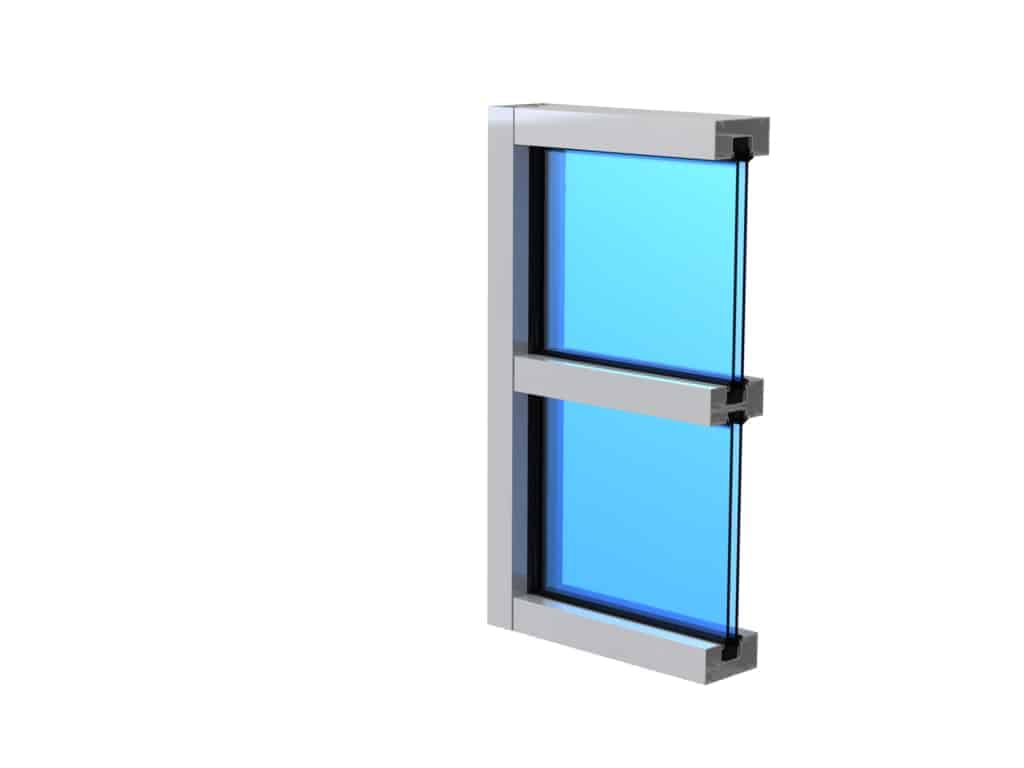
Versatility & Performance The SMI-245 Series is a flexible, non-impact aluminum framing system designed to…
View Product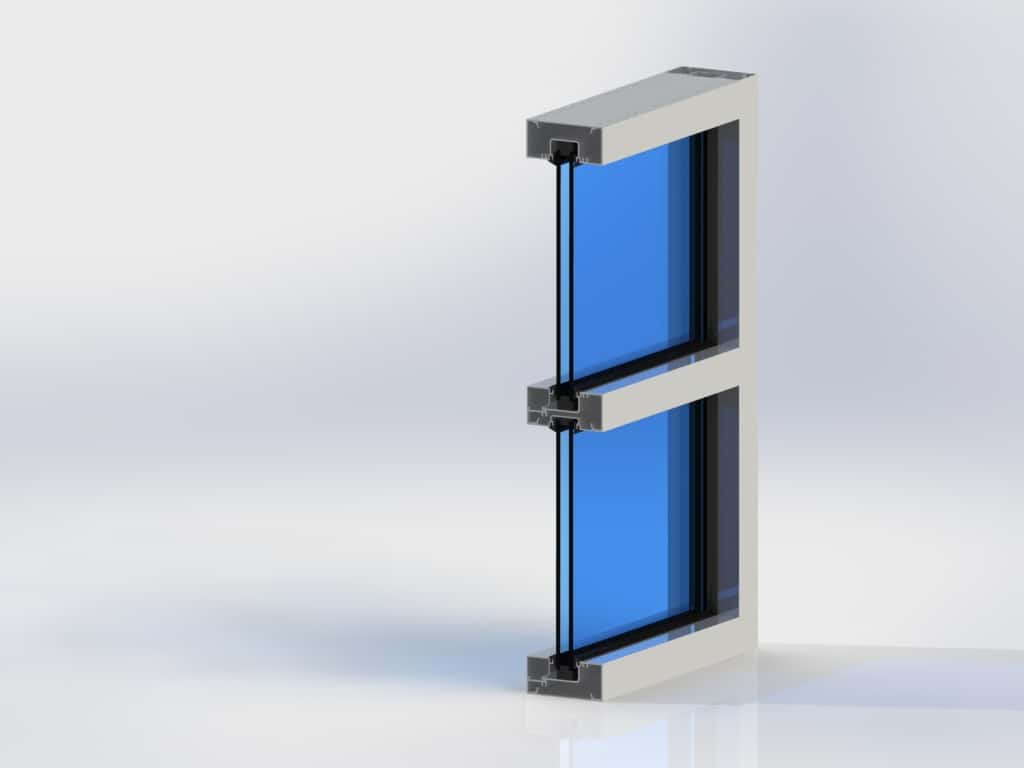
Versatile Application The SMI-45 Series is a highly adaptable flush-glazed storefront system designed to perform…
View ProductThe FS-300 Maximum View is an advanced architectural solution designed to overcome the limitations of…
View Product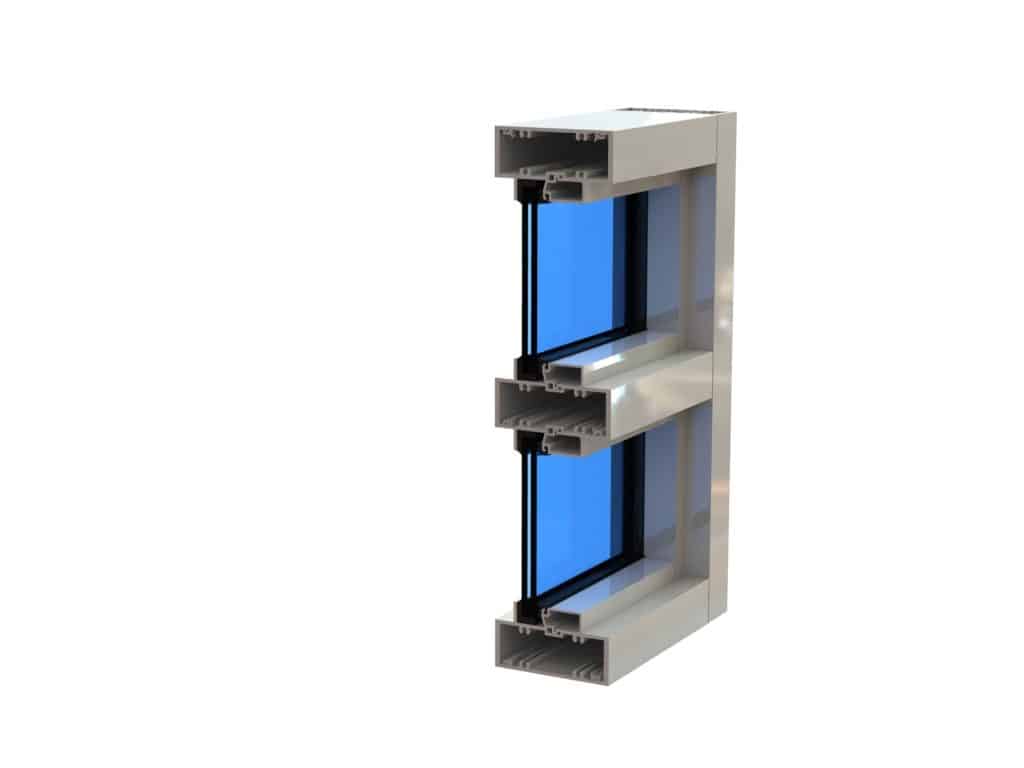
The SMI-175 Series is a robust, hurricane-resistant window wall solution designed for high-performance coastal applications….
View ProductDon't guess when it comes to protecting your home from Florida storms and heat. Contact our local Tampa window experts today for a free consultation on certified, high-performance windows.