
8414 Sabal Industrial Blvd, Tampa, FL 33619
Hurricane Strong. STH Strong
Mon – Fri 8:00AM – 5:00OM / Sat-Sun – Closed
June 29, 2026
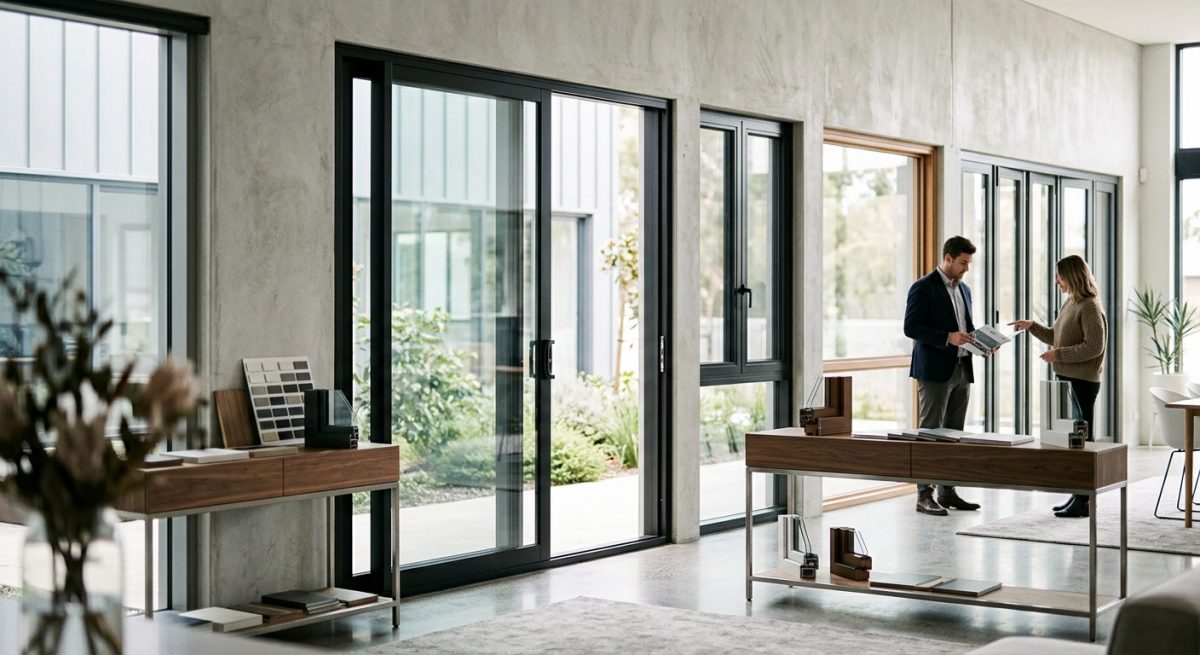
Vinyl remains the most popular residential choice in Tampa for a simple reason: it delivers the best balance of thermal performance and affordability. Modern vinyl is not the cheap, flimsy plastic of the 1990s. Today’s premium vinyl formulations are engineered to withstand extreme heat and high winds without warping or losing their color.
For a standard double-hung or single-hung vinyl window, expect to pay between $450 and $900 installed. If you upgrade to impact-resistant vinyl—which we highly recommend for coastal Florida homes—prices jump to $900 to $1,700 per window. The price variance depends heavily on the internal engineering of the frame. Premium vinyl windows feature multi-chambered frames. These chambers trap air to create an insulating barrier and are often reinforced with steel or aluminum chambers to handle high wind loads.
Tampa’s climate is brutal on building materials. Vinyl is a natural insulator; it does not conduct heat. When the afternoon sun beats down on your home, a vinyl frame keeps that heat outside, preventing it from radiating into your living room. Premium vinyl products use advanced compounding agents, including titanium dioxide, to protect the frame from UV degradation. This prevents the vinyl from cracking, chalking, or yellowing under the intense Florida sun, keeping your AC unit from working overtime.
Vinyl is virtually maintenance-free. You do not need to paint, sand, or stain it. In our coastal environment, where salt air can corrode metal and rot wood, vinyl remains completely unaffected. A high-quality vinyl window or door easily lasts 20 to 30 years with nothing more than an occasional rinse with soapy water. For example, the PGT WINGUARD VINYL – Single Hung Window is designed specifically for this kind of durability, combining heavy-duty vinyl frames with impact-resistant glass to protect against both storms and intruders.
Aluminum is the historical backbone of Florida home construction. Its structural strength is unmatched, allowing manufacturers to build massive windows and sliding glass doors with incredibly thin frames.
Standard aluminum windows generally cost between $500 and $1,000 installed. However, standard aluminum is highly conductive, meaning it transfers outdoor heat directly into your home. To combat this, manufacturers offer “thermally broken” aluminum frames. These feature a non-conductive barrier insulated inside the frame to block heat transfer. Thermally broken aluminum systems are premium products, often costing $1,200 to $2,200 per window, depending on the size and glass package.
According to the Florida Building Commission, homes in the Tampa Bay area must comply with strict wind-borne debris region requirements. Aluminum’s inherent rigidity makes it the premier material for meeting these high design pressure (DP) ratings. It does not flex or bow under extreme wind pressure. This structural integrity is why aluminum is the preferred choice for large-span openings, such as the CWS® ICON Aluminum Sliding Door, which utilizes robust aluminum panels to secure wide patio transitions without compromising on safety.
While aluminum is incredibly strong, its thermal conductivity is a major drawback in the Southern heat if you do not buy a thermally broken product. Uninsulated aluminum frames can get hot enough to burn to the touch during a Tampa July. If you choose aluminum, we strongly advise investing in thermal-break technology and high-performance Low-E glass to offset these thermal challenges.
“In coastal Florida, structural strength is non-negotiable. Aluminum gives you the narrowest sightlines and the largest glass spans, but you must account for thermal conductivity if you want to keep your energy bills manageable.”
Nothing matches the classic, warm look of real wood. It is the gold standard for historic homes in neighborhoods like Hyde Park or Seminole Heights, where architectural preservation is key.
Wood is the most expensive material on the market. A single high-quality wood window can easily run from $1,500 to $3,000 installed. If you are looking at custom architectural shapes or large double entry doors, prices can quickly climb to $6,000 to $12,000 or more. The manufacturing process requires precision craftsmanship, and the raw materials themselves are costly, especially when sourced from sustainably managed forests.
While beautiful, wood requires a commitment. Tampa’s high humidity, frequent summer downpours, and active termite populations are constant threats. Without diligent maintenance—including painting or sealing every three to five years—wood windows can swell, warp, rot, and fail. If you live within a few miles of the bay, the salt air accelerates this degradation. For most local homeowners, the high price tag and intensive maintenance make pure wood a tough sell unless historic preservation codes require it.
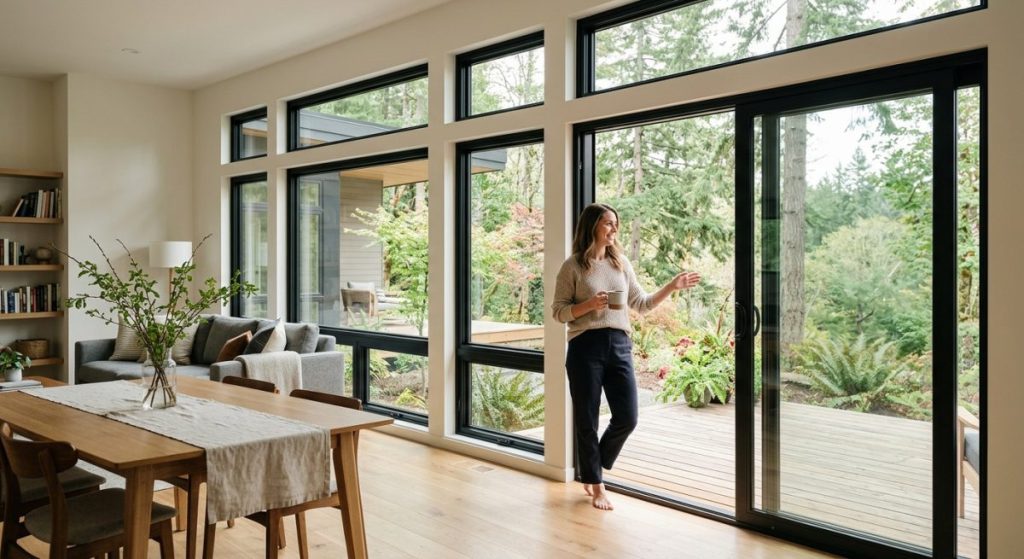
Fiberglass is the fastest-growing material segment in the premium window and door industry. It is engineered from glass fibers and resin, creating a material that is incredibly strong, thermally efficient, and highly stable.
Fiberglass windows and doors prices sit between vinyl and wood, typically ranging from $1,100 to $2,200 per window installed. While the upfront investment is higher than vinyl, fiberglass offers superior long-term value. Because fiberglass is made of the same base material as the glass pane it holds, the entire unit expands and contracts at the exact same rate during temperature swings. This eliminates stress on the seals, virtually guaranteeing that the insulating gas stays trapped inside the window for its entire lifespan.
Fiberglass is practically indestructible. It does not rot, rust, warp, corrode, or bow. It is completely unaffected by salt air, making it the ultimate material for waterfront properties in South Tampa, Clearwater, or St. Pete. Additionally, fiberglass can be painted if you ever decide to change your home’s exterior color scheme—something you cannot do with vinyl.
Composite frames are made from a blend of wood fibers and thermoplastic polymers. Clad options, on the other hand, combine a structural wood core with an exterior protective shell of aluminum or vinyl.
These engineered options are premium solutions. Expect to pay between $1,300 and $2,500 per window installed. They are priced just below solid wood but offer significantly better weather protection and lower maintenance costs over time. They are highly favored by homeowners who want the luxury of a wood interior without the exterior maintenance headaches.
The exterior cladding acts as an armor shield against Tampa’s intense afternoon sun and heavy rains. The aluminum or vinyl exterior resists fading, chalking, and rotting, while the interior wood core provides natural insulation and structural rigidity. This combination ensures that the window remains stable and beautiful for decades, even when subjected to Florida’s high humidity and salt exposure.
Choosing the right material requires comparing costs, lifespans, and efficiency ratings side-by-side. Here is how the primary materials stack up in the 2026 market for a standard residential installation.
| Material Type | Average Cost Per Window (Installed) | Expected Lifespan (Florida Climate) | Energy Efficiency Rating | Maintenance Level |
|---|---|---|---|---|
| Vinyl | $450 – $900 (Standard) $900 – $1,700 (Impact) |
20 – 30 Years | Excellent | Very Low |
| Aluminum | $500 – $1,000 (Standard) $1,200 – $2,200 (Thermal Break) |
30+ Years | Poor (Standard) Good (Thermal Break) |
Low |
| Wood | $1,500 – $3,000+ | 15 – 25 Years (With Care) | Excellent | High |
| Fiberglass | $1,100 – $2,200 | 35+ Years | Outstanding | Very Low |
| Composite/Clad | $1,300 – $2,500 | 25 – 35 Years | Excellent | Low to Moderate |
The prices listed above include standard installation, but local factors in Tampa can influence your final invoice. Permitting fees in Hillsborough and Pinellas counties generally add several hundred dollars to a project. Furthermore, installing hurricane-impact products requires specialized fasteners, heavy-duty sealants, and precise structural anchoring to meet local building codes. This specialized labor is more expensive than standard window installation, but it is the only way to ensure your home is legally compliant and protected during a storm.
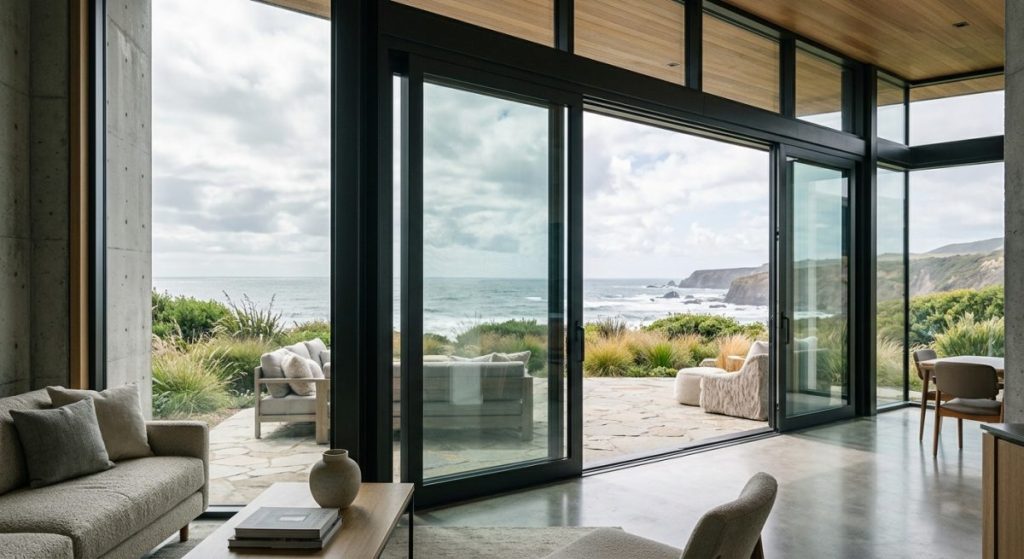
Selecting the right material is not just about finding the lowest price; it is about choosing the right tool for our specific environment. A cheap window that fails after five years of Florida humidity is no bargain.
When calculating your budget, look beyond the initial purchase price. High-quality impact windows and doors can dramatically lower your homeowner’s insurance premiums in Florida. By submitting a wind mitigation inspection form to your insurer, you can often secure substantial discounts. Additionally, switching from leaky, single-pane windows to energy-efficient vinyl or fiberglass units can shave up to 15% to 30% off your monthly TECO or Duke Energy cooling bills.
For our region, always look for products certified by the ENERGY STAR® program for the Southern Climate Zone. These products feature specialized Low-E glass coatings designed to block solar heat gain while letting visible light through. Additionally, ensure your chosen products have a Design Pressure (DP) rating appropriate for your specific wind zone. In coastal Tampa, a DP rating of 50 or higher is standard for ensuring your home can withstand hurricane-force winds.
In 2026, a standard 3-bedroom home in Tampa can expect to spend between $8,000 and $15,000 for standard vinyl replacements. High-velocity hurricane zone (HVHZ) impact-rated windows and doors typically range from $18,000 to $35,000 depending on your material choice.
While not always legally mandated unless you live in specific high-wind zones near the coast, most Tampa insurance providers require impact-rated products or active shutter systems to qualify for windstorm premium discounts. Impact glass also provides year-round security and noise reduction.
Fiberglass and high-quality vinyl last the longest in Florida because they are completely impervious to rot, rust, corrosion, and termite damage. They easily last 30+ years with minimal maintenance, unlike wood or non-thermally broken aluminum.
Yes, upgrading to Energy Star certified vinyl or fiberglass products with Low-E glass coatings can reduce heat gain by up to 70%. This translates directly to a 15% to 30% savings on your monthly cooling costs.
Don’t wait for storm season to secure your home and lower your energy bills. Contact our expert Tampa team today for a free, customized quote on the perfect windows and doors for your budget.
Get Your Free Tampa Quote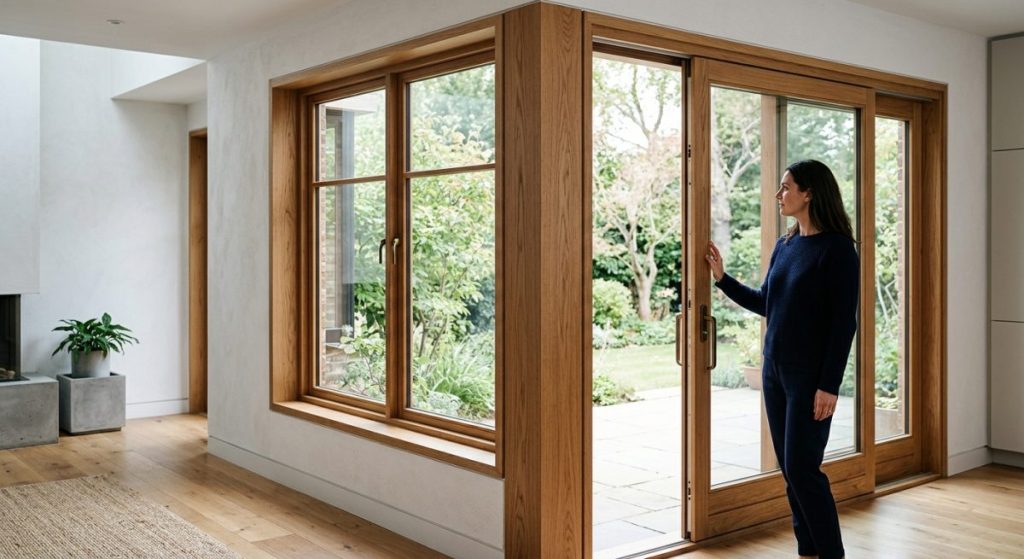
Don't wait for storm season to secure your home and lower your energy bills. Contact our expert Tampa team today for a free, customized quote on the perfect windows and doors for your budget.