
8414 Sabal Industrial Blvd, Tampa, FL 33619
Hurricane Strong. STH Strong
Mon – Fri 8:00AM – 5:00OM / Sat-Sun – Closed
May 31, 2026 · Reading time: ~12 min

You’re thinking about new windows. It’s a big decision, and frankly, a pretty expensive one. Get it wrong, and you’re not just looking at aesthetics gone awry; you’re staring down the barrel of sky-high energy bills and potential structural damage. For anyone in the Tampa Bay area considering a windows inc. Upgrade, this isn’t just about curb appeal. It’s about smart, long-term investment.
We’ve all seen those homes with the perpetually fogged-up panes or the frames that look like they’re about to surrender to the elements. Those aren’t just eyesores; they’re silent screams of regret. A bad window choice can cost you thousands in energy loss over its lifetime, not to mention the hassle and expense of premature repairs or even replacement. In 2026, with energy costs still a major concern, making the right decision from the get-go is paramount.
This guide is specifically for Tampa homeowners who want to make informed decisions about their windows inc. Projects. Florida’s climate throws some serious curveballs – think intense sun, corrosive salt air, and the ever-present threat of hurricanes.
What works in Minnesota simply won’t cut it here. Ignoring these local realities is a fast track to a project that fails to deliver.
We’re going to break down seven critical errors people make when buying and installing new windows. From picking the wrong materials to skimping on installation, we’ll cover it all. Stick with us, and you’ll be well-equipped to get windows that look great, perform brilliantly, and stand up to everything the Sunshine State throws at them.
This is where many Tampa homeowners stumble. You might love the look of a certain window, but if it can’t handle our climate, it’s a ticking time bomb. We’re talking about more than just heat. The relentless humidity, the salty air from the Gulf, and the sheer force of hurricane-season winds create a unique set of challenges for any window system. Failing to account for these factors means your new windows will likely underperform and degrade much faster than they should.
Living near the coast means dealing with salt spray. This stuff is incredibly corrosive. If your window frames aren’t designed for it, you’ll see pitting, chalking, and eventual structural weakness. Aluminum, in particular, can suffer badly without a proper protective coating. According to the Florida Department of Environmental Protection, coastal areas experience significantly higher rates of material degradation due to salt exposure compared to inland regions.
Tampa’s humidity isn’t just uncomfortable; it’s tough on windows. High moisture levels can seep into improperly sealed windows, leading to condensation between panes (a sign the seals have failed) and creating a breeding ground for mold and mildew within your walls.
This compromises not just your window’s energy efficiency but also your home’s indoor air quality. I’ve seen this happen repeatedly, and it’s a real headache to fix.
This is non-negotiable in Florida. Standard windows can shatter during high winds, allowing water and debris to enter your home, causing catastrophic damage. Hurricane-rated windows, often featuring impact-resistant glass and reinforced frames, are designed to withstand significant force. The Insurance Information Institute recommends impact-resistant windows as a crucial measure for coastal homeowners, noting they can reduce the risk of windstorm damage by up to 80%.
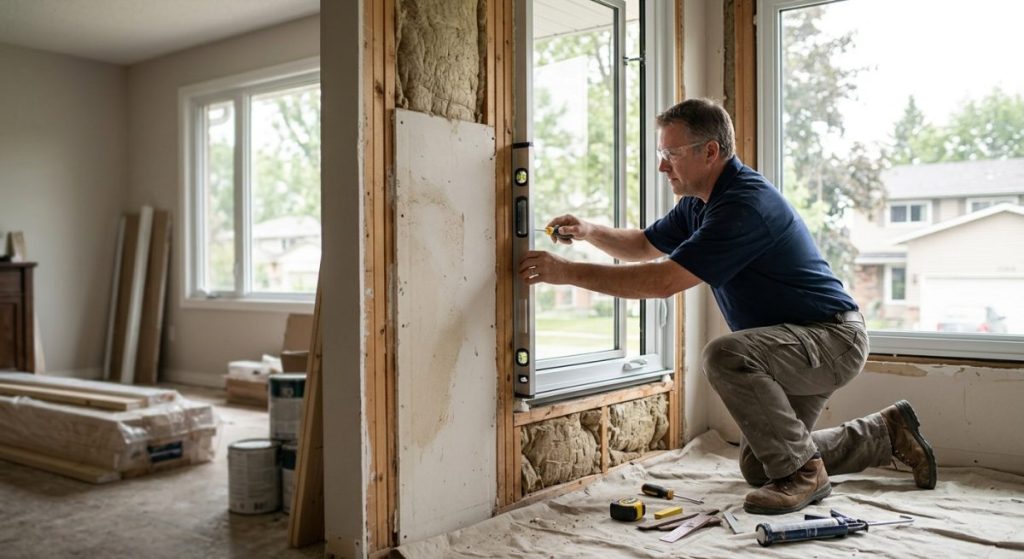
The frame material you choose for your windows inc. Project has a massive impact on durability, maintenance, and energy performance, especially in a climate like Tampa’s.
It’s not just about looks; it’s about resilience. Let’s break down the common options and how they fare here.
Vinyl is popular because it’s generally affordable and offers decent insulation. Still, in the intense Florida sun, lower-quality vinyl can warp, fade, or become brittle over time. Cheaper vinyl windows may also expand and contract significantly with temperature swings, potentially compromising seals. Look for high-quality, UV-stabilized vinyl specifically designed for hot climates.
Aluminum frames are strong and resistant to rot and pests. They handle the salt air pretty well, provided they have a good powder coating. The downside?
Aluminum is a conductor of heat. Without effective thermal breaks (an insulating material separating the inner and outer frame), these windows can transfer a lot of heat, making your AC work overtime. For Tampa, look for frames with substantial thermal breaks.
Wood offers classic beauty but requires significant upkeep in Florida’s humid, pest-prone environment. It’s susceptible to rot and insect damage if not meticulously maintained. Fiberglass, , is incredibly stable, resists expansion and contraction, and holds up well against moisture and salt. It’s often considered a top-tier choice for durability, though typically at a higher price point. According to Remodeling Magazine’s 2023 Cost vs. Value report, homeowners recoup a significant portion of their investment in high-quality window replacements, with fiberglass often leading the pack in satisfaction.
You can buy the most expensive, technologically advanced windows on the market, but if they’re installed poorly, they’re practically worthless. This is, in my experience, the single biggest pitfall for homeowners. A shoddy installation can lead to drafts, water leaks, mold growth, and even compromised structural integrity. It’s not just about making the window fit; it’s about creating a perfect, watertight, airtight seal.
Proper sealing and flashing are the unsung heroes of window installation. Flashing is a weather-resistant material used to direct water away from the window opening and back outside. Sealants create an airtight barrier. Without these, water can get behind your siding and into your wall cavity, causing rot and mold. Air leaks mean your expensive HVAC system has to work much harder to maintain a comfortable temperature, jacking up your energy bills. Consumer Reports found that improper installation is responsible for a significant percentage of window performance issues.
This is crucial. Don’t just pick the cheapest bid. Look for installers with a proven track record in the Tampa area. Check online reviews (Google, Yelp, BBB), ask for references, and verify their licenses and insurance. A legitimate contractor will be transparent about their process and happy to answer your questions. For Tampa residents, ask if they have experience with hurricane-rated installations.
Keep an eye out for these red flags during installation: windows that aren’t plumb or level, excessive amounts of caulk used to cover gaps, visible gaps between the window frame and the rough opening, or any signs of water pooling around the new window after a rain shower. A professional job should look clean and .
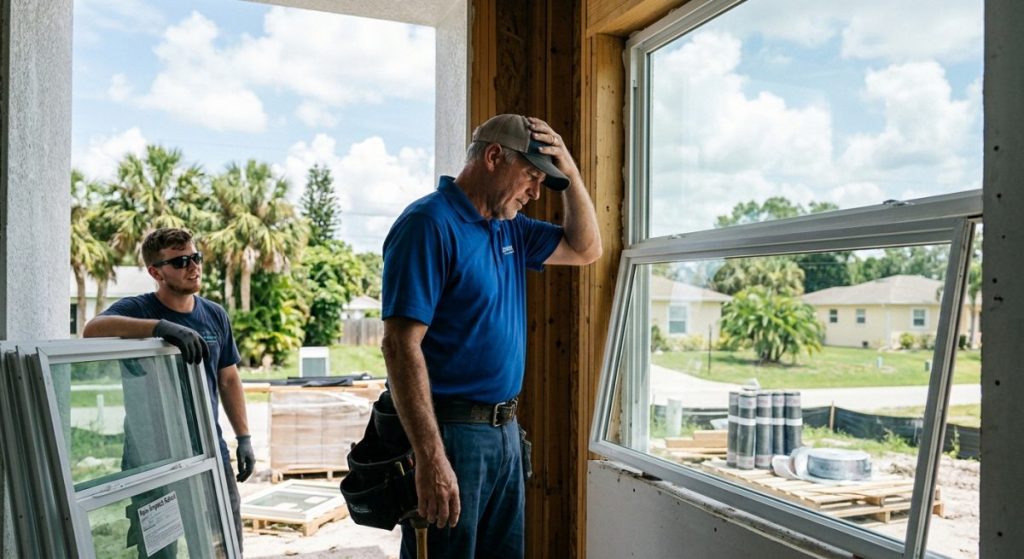
In Tampa, energy efficiency isn’t a luxury; it’s a necessity. Your windows play a massive role in how much heat enters your home.
Ignoring the National Fenestration Rating Council (NFRC) label on new windows is like buying a car without checking its fuel economy. You’re likely to end up with higher electricity bills than you need to pay.
The NFRC label provides standardized ratings for how well a window performs. The key metrics are U-factor, Solar Heat Gain Coefficient (SHGC), and Visible Transmittance (VT). Each tells you something important about the window’s performance. Getting familiar with these will save you money. According to ENERGY STAR, choosing windows with good energy ratings can reduce home energy bills by 5% to 15%.
SHGC measures how well a window blocks heat caused by sunlight. A lower SHGC means less solar heat enters your home. In sunny Florida, this is incredibly important.
Windows with a low SHGC rating (ideally 0.25 or lower for our climate) will significantly reduce the amount of heat your air conditioner has to fight, leading to lower cooling costs. This is a big deal when your AC runs most of the year.
The U-factor measures how well a window prevents heat from escaping your home. While we need to worry more about heat *gain* in Tampa, a good U-factor is still beneficial. It indicates how well the window insulates. Lower U-factors mean less heat transfer, both in and out. For Tampa, look for windows with a U-factor of 0.30 or lower.
| NFRC Rating | What It Measures | Importance for Tampa | Ideal Range for Tampa |
|---|---|---|---|
| U-Factor | Rate of heat loss/gain | Lower U-factor means better insulation, less heat transfer. | 0.30 or lower |
| SHGC | How much solar radiation is absorbed/transmitted | Lower SHGC significantly reduces cooling load. | 0.25 or lower |
| VT | Amount of visible light transmitted | Higher VT means more natural light, but can increase heat gain. Balance is key. | Generally 0.40 – 0.60 (depends on window tinting/coatings) |
You’ve invested in new windows, but your job isn’t done once they’re installed. Regular maintenance is key to ensuring they perform optimally and last as long as possible, especially given the harsh coastal environment here in Tampa.
Think of it as preventative care for your home’s openings.
The salt and sand in our air can be abrasive and corrosive. Regularly wash your window frames and glass with a mild soap and water solution. Rinse thoroughly. For metal frames, especially aluminum, this is crucial to prevent salt buildup that can damage the finish. According to window manufacturers, a simple wipe-down every few months can extend the life of finishes significantly.
Periodically inspect the seals around your windows and the weatherstripping on moving parts. Look for cracks, tears, or signs of deterioration. Compromised seals are a major source of air and water leaks.
If you notice any issues, address them promptly. Replacing worn weatherstripping is a relatively inexpensive fix that can prevent much larger problems down the line.
Windows with moving parts, like casement or double-hung windows, need occasional lubrication. A silicone-based lubricant applied to tracks and hinges will keep them sliding and swinging smoothly. This prevents wear and tear on the mechanisms and makes operation easier. Don’t use oil-based lubricants, as they can attract dirt and grime.
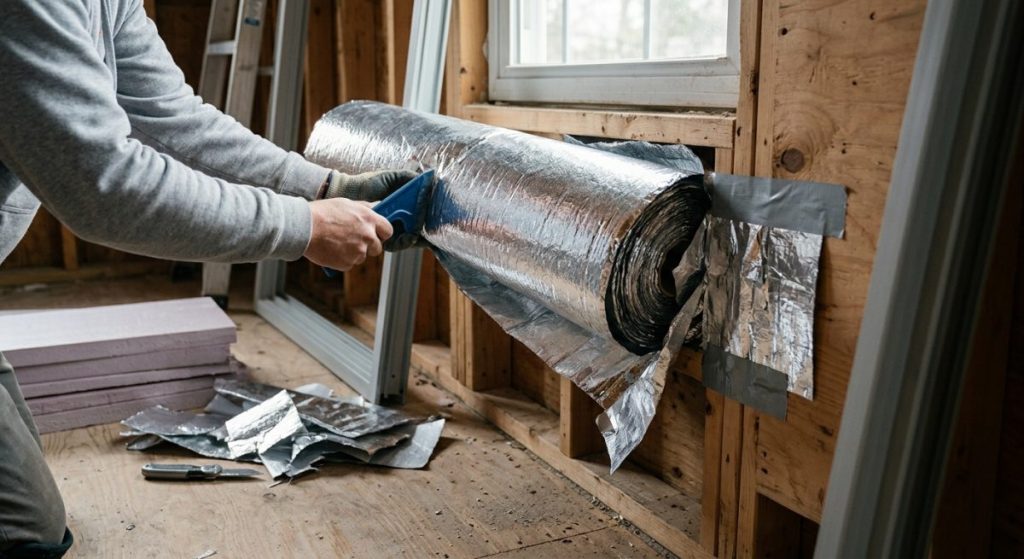
I get the appeal of DIY. Saving money is always attractive. But window installation, especially for windows inc.
projects in a challenging climate like Tampa’s, going the DIY route without serious expertise is a massive gamble. You might save a few bucks upfront, but the potential for costly errors is huge.
As we’ve discussed, proper sealing and flashing are critical. A DIYer might not have the specialized tools, materials, or knowledge to get this right. Even a small gap can allow water intrusion, leading to wood rot within your walls, mold growth, and potential damage to your home’s structure. That “saved” money quickly disappears when you’re dealing with water damage remediation. The average cost to repair water damage in a home can run into the thousands, according to home repair estimators.
This is a big one. Most reputable window manufacturers require installation by certified professionals to validate their warranties. If you install the windows yourself, you’ll likely void the warranty on both the windows and potentially even the labor. Then, if something goes wrong, you’re on your own. It’s a classic case of being penny-wise and pound-foolish.
Honestly? Almost always. Unless you have extensive experience in window installation, understand building codes, and have the right tools, hire a professional. This is especially true for specialty windows like impact-resistant glass or if you’re dealing with unusual window openings. A qualified installer ensures the job is done right the first time, protecting your investment and your peace of mind.
“The complexity of modern window systems, combined with the specific environmental stresses in Florida, makes professional installation a non-negotiable for long-term performance and safety.”
Price is a factor, no doubt. But jumping on the first quote you receive for your windows inc. Project is a mistake. The window and installation market can vary significantly, and shopping around is essential to ensure you’re getting fair pricing and the best value for your money. Don’t assume all quotes are created equal.
When you request quotes, be specific. List the exact number and types of windows you need, desired materials, any specific features (like low-E coatings or impact resistance), and ask for a detailed breakdown of both material costs and installation labor. This ensures you’re comparing apples to apples. A clear request leads to a clear quote.
If one quote is significantly lower than the others, be wary. It could mean the contractor is cutting corners on materials, using inexperienced labor, or that there are hidden costs not being disclosed.
Always ask *why* a quote is so low. Cheap windows and cheap installation rarely deliver good long-term value, especially in a demanding climate like Tampa’s.
Remember, windows are a long-term investment. While saving money is good, prioritizing the cheapest option over quality and expertise can cost you much more in the long run through energy inefficiency, maintenance issues, and premature replacement. A slightly higher price for a reputable company with proven experience and excellent warranties is almost always the wiser choice. A study by the National Association of Home Builders indicated that homeowners often prioritize quality and warranty over initial price major home improvements.
Avoiding these seven critical mistakes is your roadmap to a successful windows inc. Project. It’s about understanding Tampa’s unique environment, choosing the right materials and features, prioritizing expert installation, and doing your due diligence. Don’t let a costly oversight compromise your home’s comfort, security, or energy efficiency. Making informed decisions now will pay dividends for years to come.
Avoid these costly mistakes and ensure your window project is a success. Contact us today for a free consultation and expert advice tailored to your Tampa home.
Get a Free ConsultationVinyl and fiberglass are often recommended for their resistance to salt and humidity, while impact-resistant aluminum can also be suitable if properly coated. These materials generally hold up better against the corrosive salt air and high moisture levels common in the Tampa Bay region.
While dependent on quality and maintenance, windows typically last 15-20 years. Then again, significant degradation from the Florida climate, such as seal failure or frame damage, might necessitate earlier replacement to maintain energy efficiency and structural integrity.
Yes, impact-resistant windows are highly recommended for Tampa due to hurricane risk. They provide essential protection against high winds and flying debris, potentially lowering insurance premiums and offering greater peace of mind during storm seasons.
Based on this article, here are products that might help you:

CWS Icon picture windows fill a home with natural light and help protect what matters….
View Product
Enjoy year-round comfort and beauty with CWS Comfort Shield vinyl awning windows. Their high-performance design…
View Product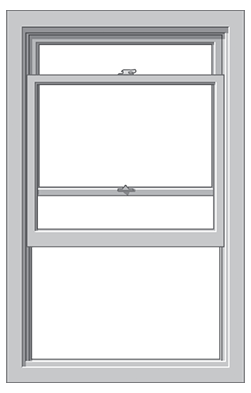
Feel safe and secure with a double-hung window that meets the industry’s highest requirements for…
View Product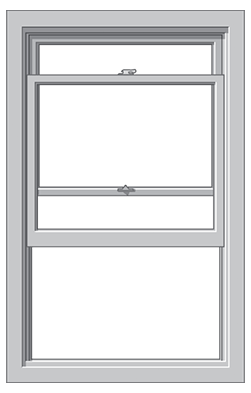
CWS Icon single-hung windows are built to exceed the most stringent costal requirements, including the…
View Product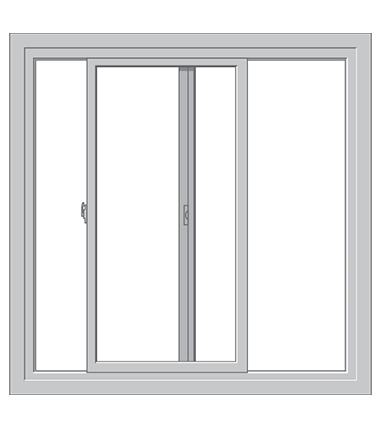
Built to exceed the most stringent coastal requirements, including the High Velocity Hurricane Zone (HVHZ),…
View ProductEnjoy exceptional hurricane protection, effortless everyday performance and added ventilation with CWS WindPact impact awning…
View ProductAvoid these costly mistakes and ensure your window project is a success. Contact us today for a free consultation and expert advice tailored to your Tampa home.