
8414 Sabal Industrial Blvd, Tampa, FL 33619
Hurricane Strong. STH Strong
Mon – Fri 8:00AM – 5:00OM / Sat-Sun – Closed
May 30, 2026 · Reading time: ~13 min
Yes, absolutely. Given Tampa’s intense heat and humidity, the long-term energy savings and improved home comfort provided by effective thermally broken windows significantly outweigh the initial cost, making them a sound investment.
Examine the window frame. A true thermal break will be a visible strip of insulating material (like plastic or rubber) separating the interior and exterior metal components. Reputable manufacturers will clearly document this feature in their product specifications.
Sometimes, you can replace just the glass unit, but it’s often more cost-effective and yields better performance to replace the entire window. This ensures all components—frame, thermal break, and glazing—are optimally matched and sealed correctly.
With proper maintenance, high-quality thermally broken windows typically last between 20 to 30 years, and many can even exceed this timeframe. Factors like material quality and installation play a big role.
Look, nobody likes a surprise energy bill. Especially not here in Tampa, where the summer sun can feel like a direct assault. If you’re a homeowner in the Sunshine State, you’re probably already battling the heat and humidity. But are your windows silently sabotaging your comfort and your wallet? This guide is for Tampa homeowners who want to slash their energy costs and boost their home’s comfort, focusing on the often-overlooked, yet crucial, aspect of thermally broken windows.
Tampa’s climate is… intense. We’re talking about average summer highs in the high 80s and 90s Fahrenheit, coupled with humidity levels that can make it feel much hotter. For around seven months of the year, your air conditioning system is working overtime. This relentless demand means your home’s envelope – especially your windows – has to perform at its peak. Inefficient windows aren’t just a minor inconvenience; they’re a direct pathway for that expensive, cooled air to escape and for the blistering heat to invade.
You might think your windows look fine, but the reality is, standard windows can be massive energy leeches. A significant portion of your home’s heat gain in the summer and heat loss in the winter occurs through your glazing and frames. This means your HVAC system has to work harder, consuming more electricity.
The National Renewable Energy Laboratory (NREL) has estimated that windows can account for 10% to 25% of a home’s heating and cooling energy costs. For a Tampa home, that’s not pocket change. It’s a silent drain that adds up, year after year.
This is the big one. The very *essence* of what makes “thermally broken windows” effective lies in their thermal break. If you’re not paying attention to this, you’re probably overpaying for windows that aren’t doing their job. It’s like buying a fancy sports car but forgetting to put gas in it.
A thermal bridge is essentially a path of least resistance for heat transfer. In standard metal-framed windows, the metal itself acts as a conductor, allowing heat to flow freely from the warm side to the cool side. Think of it as a direct highway for heat. This phenomenon, known as a thermal bridge, completely undermines the insulating properties of the glass itself. That’s why even double-paned windows with aluminum frames can still feel cold to the touch on the inside during winter and transfer a lot of heat in the summer.
A thermal break interrupts this heat flow. It’s an insulating material – often a low-conductivity polymer, polyamide strip, or specialized foam – sandwiched between the interior and exterior parts of the window frame. This barrier drastically reduces heat transfer. According to Energy Star, a proper thermal break can improve a window’s overall U-factor (a measure of heat transfer) by as much as 30-50%. It’s the core technology that allows metal frames, which are otherwise terrible insulators, to become energy-efficient.
Here’s the catch: some manufacturers might use very thin or less effective materials as their “thermal break.” This is where things get shady. A truly effective thermal break needs to be substantial and made of a material with very low thermal conductivity. If a window is advertised as “thermally broken” but uses a flimsy material or has gaps, it’s essentially a marketing ploy. You need to ask specifics about the break material and its thickness. As of 2026, reputable manufacturers clearly define their thermal break technology. Don’t be afraid to ask detailed questions; your comfort and energy bills depend on it.
“A genuine thermal break is the non-negotiable feature that transforms a conductive metal frame into an energy-efficient component of your window system. Without it, you’re just buying expensive metal.”
You’ve got the thermal break concept down. Great. But the frame material itself plays a massive role in how well those thermally broken windows perform. It’s not just about the break; it’s about the whole package.
Standard aluminum window frames are notoriously poor insulators. Aluminum conducts heat about 1,000 times better than vinyl. That’s why, historically, aluminum-framed windows were a major source of energy loss. Still, with a *proper* thermal break, aluminum frames can become quite efficient. The key is the quality and integrity of that break. If you’re considering aluminum, ensure the thermal break is and well-integrated. For Tampa’s climate, un-thermally-broken aluminum is a definite no-go.
Vinyl (PVC) frames are naturally good insulators. They don’t conduct heat as readily as metal. When combined with a thermal break – though often less critical than in aluminum – they offer good performance. They’re also generally more affordable and require less maintenance. Composite frames, often made from a blend of wood fibers and plastics, can also offer good thermal properties, sometimes exceeding vinyl. The downside? Vinyl can become brittle over time, especially under intense UV exposure, and some cheaper vinyl frames might warp.
Fiberglass is where things get interesting. It’s incredibly strong, dimensionally stable (meaning it doesn’t expand or contract much with temperature changes), and it’s a fantastic insulator on its own. When you pair fiberglass frames with a thermal break and high-performance glazing, you get some of the most energy-efficient windows available.
They’re often considered a premium option, and for good reason. They stand up exceptionally well to harsh weather, making them a solid choice for the Florida coast.
Given Tampa’s relentless heat, humidity, and proximity to salt air, I’d lean towards high-quality vinyl or, ideally, fiberglass frames for your thermally broken windows. These materials resist moisture and degradation better than standard wood and are naturally more insulating than even thermally broken aluminum. If you do go with aluminum, ensure the thermal break is substantial and that the window carries a strong warranty against corrosion, especially if you’re near the coast.
You’ve got the right frame, the right thermal break. Now, what about the glass itself? The glazing package is just as critical. It’s the part that actually stops the sun’s rays from blasting into your home.
These two metrics are your best friends when evaluating window performance. U-factor measures how well a window prevents heat from escaping (lower is better). SHGC, or Solar Heat Gain Coefficient, measures how much solar radiation is admitted through the window (lower is better in hot climates like Tampa). For our local conditions, you want a low U-factor and a low SHGC. A thermally broken window with excellent glazing can make a world of difference. According to the Department of Energy, selecting windows with low U-factors and SHGC can reduce cooling costs by 5-15%.
Low-Emissivity (Low-E) coatings are microscopic layers of metal or metallic oxides applied to the glass surface. They’re designed to reflect infrared light (heat) while allowing visible light to pass through. This is crucial for Tampa. In summer, Low-E coatings reflect solar heat away from your home, keeping it cooler. In winter, they reflect interior heat back inside, helping to keep your home warmer. It’s a win-win. Look for windows with advanced Low-E coatings specifically designed for hot climates.
Most energy-efficient windows today use double-pane glazing, meaning two layers of glass separated by a space. For even better performance, triple-pane windows offer three layers of glass. The space between the panes is often filled with an inert gas like Argon or Krypton. These gases are denser than air and further reduce heat transfer. While triple glazing adds cost and weight, it can provide a significant boost in insulation, especially when paired with a quality thermal break and Low-E coatings. For Tampa, a high-performance double-pane with excellent Low-E is usually enough, but triple-pane is an option for maximum efficiency.
Beyond just temperature, advanced glazing can also improve your home’s acoustics. Thicker glass, wider spaces between panes, and laminated glass (sometimes used in hurricane-rated windows) can all help dampen outside noise. This might not be the primary driver for choosing thermally broken windows, but it’s a nice bonus, especially if you live near busy streets or the coast where sounds can travel.
| Feature | U-Factor (Lower is Better) | SHGC (Lower is Better) | Description |
|---|---|---|---|
| Standard Double Pane | 0.40 – 0.50 | 0.70 – 0.80 | Basic insulation, significant heat gain/loss. |
| Thermally Broken Aluminum Frame w/ Double Pane | 0.30 – 0.40 | 0.55 – 0.65 | Improved performance over standard, thermal break helps mitigate frame conductivity. |
| Vinyl Frame w/ Low-E Double Pane | 0.25 – 0.35 | 0.30 – 0.45 | Good balance of cost and performance; vinyl frame is naturally insulating. |
| Fiberglass Frame w/ Advanced Low-E Double Pane | 0.18 – 0.28 | 0.20 – 0.30 | Excellent thermal performance, durable frame, ideal for extreme climates. |
| Triple Pane w/ Low-E & Inert Gas | 0.15 – 0.25 | 0.15 – 0.25 | Maximum insulation, but higher cost and weight. |
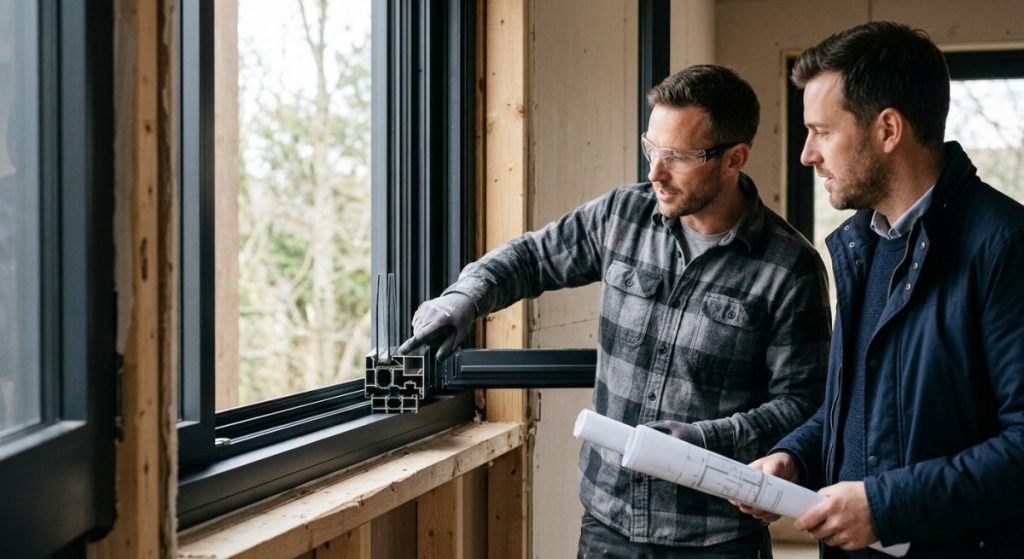
You can buy the most advanced, energy-efficient, thermally broken windows on the market, but if they’re installed poorly, they’re practically useless. I’ve seen it too many times: homeowners spend a fortune on great windows only to have them drafty and inefficient because the installation was sloppy. It’s a real shame.
Even the best thermally broken windows need to be installed perfectly to maintain their airtightness. This means meticulous attention to flashing, sealing, and weatherstripping around the entire frame. Any gaps or poorly sealed joints create pathways for air infiltration – essentially, uncontrolled drafts of hot, humid air getting into your home. This negates the benefits of the thermal break and the high-performance glazing. Proper installation ensures the window functions as a sealed unit within your home’s envelope.
What are some common slip-ups? Improper shimming that causes the frame to twist, insufficient or improperly applied sealant, missing or damaged weatherstripping, and fasteners that are too loose or too tight, potentially compromising the frame. Another issue is not properly integrating the window flanges with the home’s existing water-resistive barrier. You need installers who understand the system, not just how to nail a frame into a hole.
This is crucial for Tampa. Local installers understand our unique climate challenges: intense humidity, potential for strong winds (hello, hurricane season), and building codes specific to Florida. They know how to seal against moisture effectively, how to ensure proper drainage, and how to anchor windows securely. A national chain might offer a low price, but a local, reputable installer with a proven track record in Tampa will likely provide a superior installation that guarantees your thermally broken windows perform as intended for years to come. According to the Florida Building Code, windows must meet specific wind-load and impact-resistance requirements, which experienced local installers are well-versed in.
Important Note: Always ask for references and check reviews for window installers in the Tampa Bay area. A low bid is rarely a good deal if the installation is subpar.
Even with the best thermally broken windows, the physical characteristics of the window itself can impact performance. It’s not just about the technical specs; it’s about the design and integration into your home.
Larger windows, while they might offer great views and natural light, also present a larger surface area for solar heat to enter. In Tampa, especially on west-facing walls that bake in the afternoon sun, oversized windows can significantly increase your cooling load. It’s a trade-off: maximizing natural light versus minimizing heat gain. You need to balance aesthetics and function. Consider the orientation of your home and the size of the windows on each facade.
Different window operating styles have varying levels of airtightness. Casement windows, which crank open, generally offer a tighter seal when closed compared to double-hung windows, because the sash presses against the frame when locked. Awning windows (opening from the bottom) and hopper windows (opening from the top) also tend to seal quite well. Sliding windows can be efficient, but their seals might be more prone to wear over time. For maximum energy efficiency, casement or awning styles are often preferred.
Think about where you place your windows. In Tampa, you’ll want to maximize natural light in living areas while perhaps minimizing window size or using strategic shading (like overhangs or awnings) on walls that receive direct, intense afternoon sun.
Placing windows to encourage cross-ventilation can also help reduce reliance on air conditioning during milder parts of the year. It’s about smart design, not just slapping windows where they fit.
Let’s look at the fictional ‘Smith’ family, who live in a 1980s ranch in South Tampa. Their old, single-pane windows were a constant source of drafts and sky-high AC bills, often exceeding $400 a month in the peak summer. They felt like a sauna even when the AC was blasting.
The Smiths’ original aluminum-framed windows were leaky and offered zero insulation. They also contributed to that constant stuffy feeling, even with the thermostat set to a cool 72°F. They decided it was time for a major upgrade, knowing that Tampa’s climate demanded more from their home’s envelope.
After consulting with local window experts, they opted for high-quality fiberglass-framed, double-pane, thermally broken windows. These featured advanced Low-E coatings optimized for hot climates and were filled with Argon gas.
They carefully selected sizes and styles, opting for casement windows on west-facing walls and ensuring all installations were done by a certified local Tampa contractor known for meticulous sealing. They focused on U-factors below 0.25 and SHGC below 0.25.
The transformation was dramatic. Within the first summer, their AC bills dropped by an average of 35%, saving them over $140 per month. More importantly, their home was consistently comfortable. No more drafts, no more hot spots near the windows. The noise from the street also decreased significantly. The Smiths found their investment in quality thermally broken windows paid for itself in energy savings and, perhaps more importantly, in everyday comfort.
Key Takeaway: Investing in high-performance, properly installed thermally broken windows is not just about saving money; it’s about reclaiming your home’s comfort, especially in a challenging climate like Tampa’s.
Yes, absolutely. Given Tampa’s intense heat and humidity, the long-term energy savings and improved home comfort provided by effective thermally broken windows significantly outweigh the initial cost, making them a sound investment.
Examine the window frame. A true thermal break will be a visible strip of insulating material (like plastic or rubber) separating the interior and exterior metal components. Reputable manufacturers will clearly document this feature in their product specifications.
Sometimes, you can replace just the glass unit, but it’s often more cost-effective and yields better performance to replace the entire window. This ensures all components—frame, thermal break, and glazing—are optimally matched and sealed correctly.
With proper maintenance, high-quality thermally broken windows typically last between 20 to 30 years, and many can even exceed this timeframe. Factors like material quality and installation play a big role.
Don’t let energy waste compromise your comfort. Contact us today for a free consultation and discover the best thermally broken window solutions for your Tampa home.
Get a Free QuoteBased on this article, here are products that might help you:
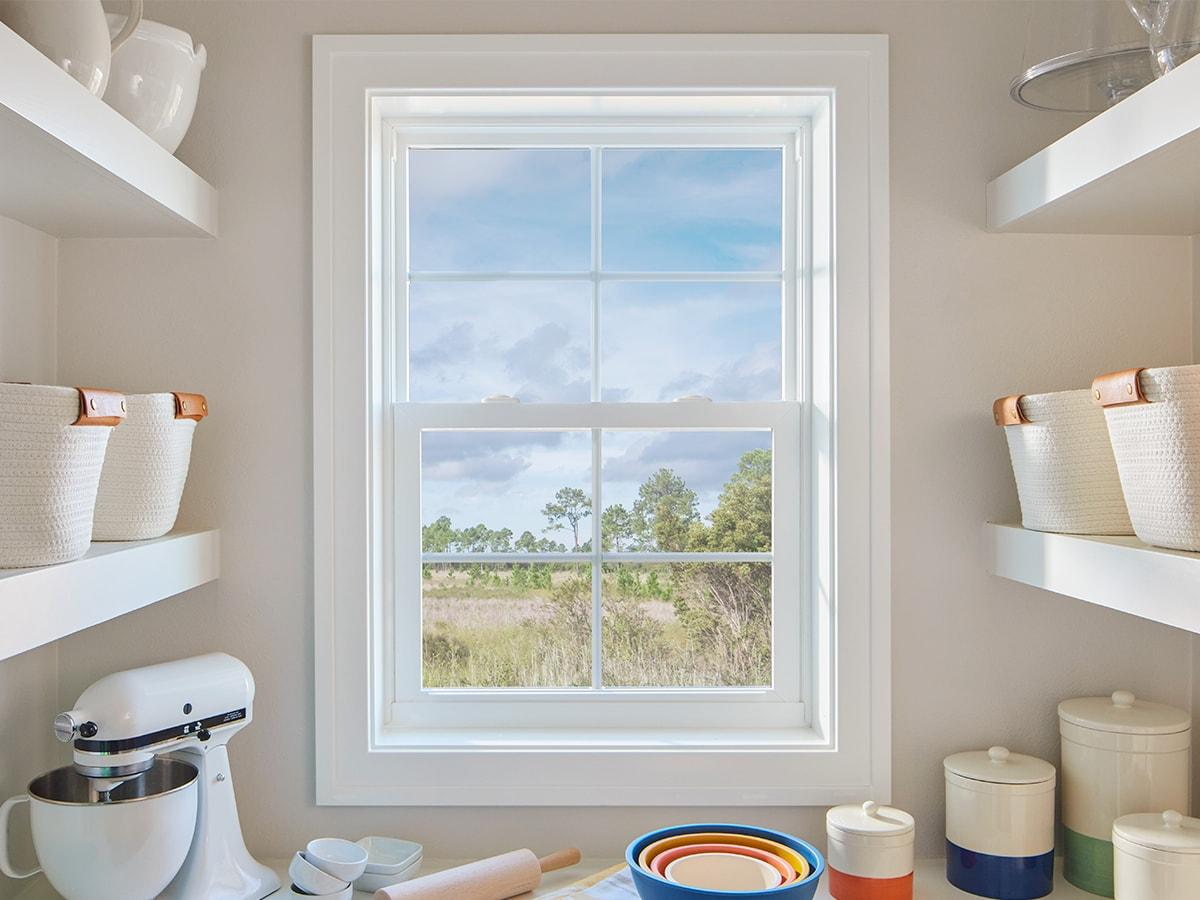
Enjoy the low-maintenance design and enhanced energy efficiency of a CWS Comfort Shield vinyl single-hung…
View Product
Enjoy year-round comfort and beauty with CWS Comfort Shield vinyl awning windows. Their high-performance design…
View Product
High-performing CWS Comfort Shield vinyl casement windows deliver exceptional energy efficiency. Featuring an easy-to-use fold-away…
View Product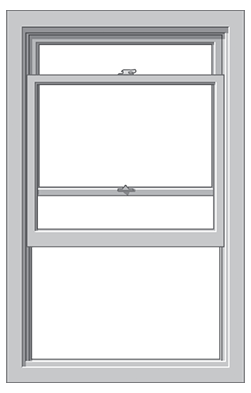
Feel safe and secure with a double-hung window that meets the industry’s highest requirements for…
View Product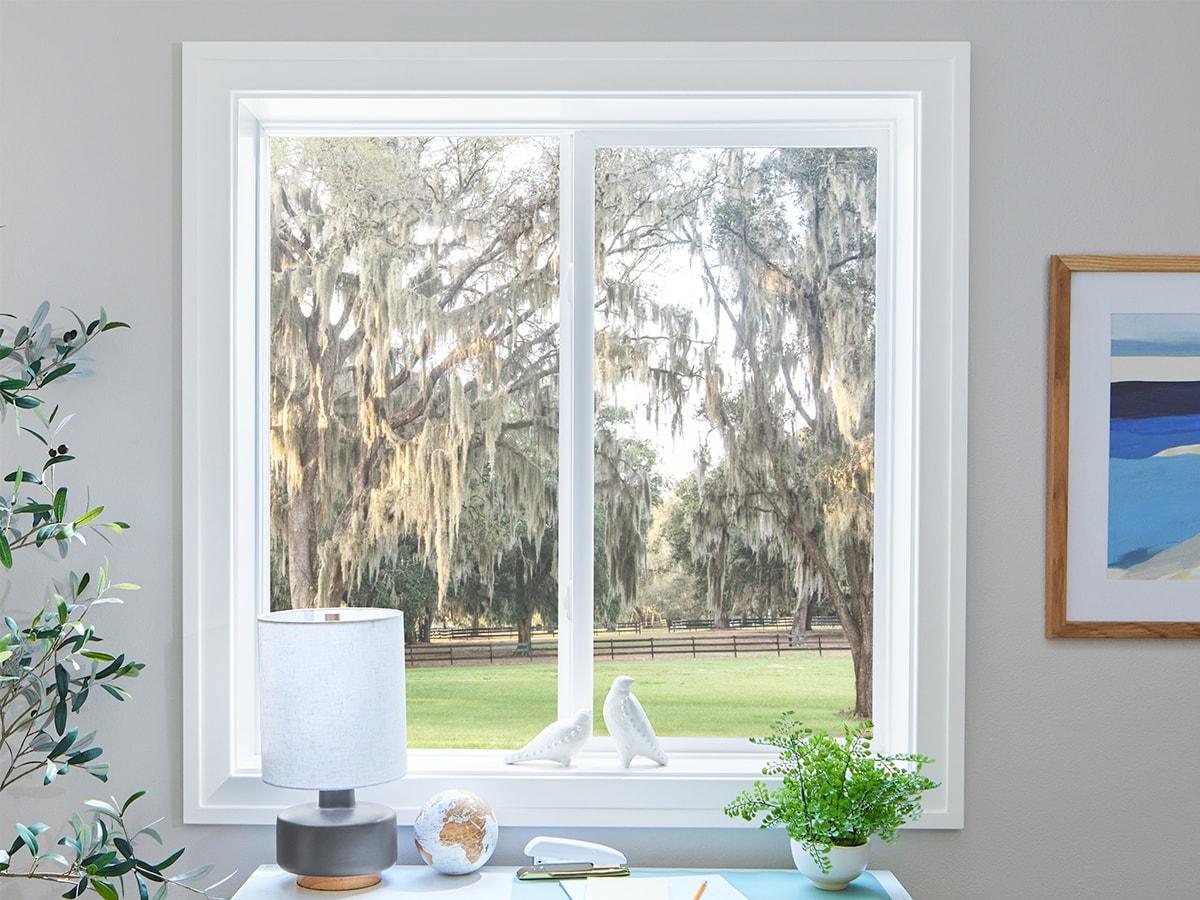
Sliding open horizontally, CWS Comfort Shield vinyl sliding windows deliver both convenience and comfort. Energy-efficient,…
View ProductDon't let energy waste compromise your comfort. Contact us today for a free consultation and discover the best thermally broken window solutions for your Tampa home.