
8414 Sabal Industrial Blvd, Tampa, FL 33619
Hurricane Strong. STH Strong
Mon – Fri 8:00AM – 5:00OM / Sat-Sun – Closed
August 11, 2026 · Reading time: ~10 min
“In Florida, your windows and doors are either your home’s greatest thermal liability or its strongest shield. Investing in low-SHGC glass is the single most effective way to permanently lower your cooling costs.”
When you look at a new Glass and door label, you are hit with a wall of technical jargon. Let’s cut through the noise: if you live in Florida, the single most important number on that label is the Solar Heat Gain Coefficient (SHGC), which needs to be 0.25 or lower, followed closely by a U-Factor of 0.40 or lower. These ratings, established by the National Fenestration Rating Council (NFRC), tell you exactly how much heat your openings will let into your home.
This guide is for Tampa homeowners who want to stop their air conditioners from running 24/7 and cut down on soaring electricity bills by choosing the right glass and door replacements. At STH Windows & Doors, we install these products every day in the Tampa Bay area, and we know exactly which configurations actually lower your utility bills and which ones are a waste of your money.
Tampa weather is relentless. For nearly eight months of the year, our homes are under constant assault from intense solar radiation and heavy, humid air. Heat enters your home in two ways: direct solar radiation (sunlight beaming through the glass) and thermal conduction (heat traveling through the frame and glass material itself).
When sunlight hits a standard clear glass pane, it acts like a greenhouse. The light passes right through, strikes your floors and furniture, and turns into radiant heat that gets trapped inside. At the same time, the 95-degree outside air warms up your window frames, which then radiate that heat directly into your living room.
If your home still has its original single-pane glass or uninsulated aluminum frames, you are essentially throwing money out the window. Today, electricity rates are higher than ever, and running an HVAC system against constant heat infiltration is incredibly expensive.
Inefficient openings force your air conditioner to cycle constantly, which accelerates wear and tear, leading to premature system failure. Upgrading to high-performance openings isn’t just about comfort—it’s a direct intervention to stop your monthly utility bills from skyrocketing during our brutal summer peak.
U-Factor measures the rate of non-solar heat transfer. In plain terms, it tells you how well the window or door prevents heat from escaping or entering your home through conduction. The lower the U-Factor, the better the insulation.
While homeowners in northern states obsess over U-Factor to keep winter heat inside, it still matters in Tampa. A low U-Factor keeps the heavy Florida heat outside where it belongs, especially during those humid summer nights when there is no sun but the air remains stiflingly hot.
SHGC is the holy grail of energy metrics for southern homes. It measures the fractional amount of solar radiation admitted through a window or door, either directly transmitted or absorbed and subsequently released inward.
SHGC is expressed as a number between 0 and 1. The lower the SHGC, the less solar heat it transmits. In Tampa, you want this number as close to 0 as practically possible to block the sun’s baking rays.
There are two secondary ratings you should know:
U-Factor and SHGC address two completely different types of heat transfer. U-Factor deals with conduction and convection—the heat that moves through solid materials because of a temperature difference between inside and outside. SHGC deals purely with electromagnetic solar radiation.
| Metric | What It Measures | Ideal Range for Tampa | Why It Matters Locally |
|---|---|---|---|
| U-Factor | Conductive heat transfer through the entire assembly | 0.40 or lower | Keeps heavy, ambient outdoor heat from seeping through frames and glass. |
| SHGC | Direct solar radiation passing through the glass | 0.25 or lower | Blocks the intense Florida sun from heating up your interior spaces. |
You can’t look at one rating in a vacuum. A window with a great U-Factor but a terrible SHGC will still turn your home into an oven on a sunny July afternoon. Conversely, a low SHGC with a high U-Factor will let ambient heat seep in overnight.
For the ultimate efficiency, you need a balanced product that targets both. This is especially true for large glass openings like sliding glass doors, which represent a massive surface area for potential heat transfer.
In the South, cooling accounts for the vast majority of our residential energy use. Because our homes are subjected to intense sunlight for most of the year, blocking solar radiation is your absolute priority. An opening with an SHGC of 0.25 blocks roughly 75% of the sun’s heat, keeping your living spaces significantly cooler without relying solely on your AC.
According to the U.S. Environmental Protection Agency’s ENERGY STAR program, Florida falls entirely within the Southern Zone. To earn the ENERGY STAR label in our region, windows and doors must meet strict performance thresholds:
While triple-pane glass offers the absolute lowest U-Factors, it is rarely worth the extra cost in Florida. Triple-pane is heavy, expensive, and designed primarily to combat sub-zero northern winters.
For Tampa homes, double-pane glass equipped with high-quality Low-E coatings is the sweet spot. It provides exceptional thermal performance, blocks the heat, and delivers a much faster return on your investment.
Low-E coatings are microscopically thin layers of metal oxide applied to the glass surfaces. They reflect infrared heat (the stuff that makes you feel hot) while letting visible light pass through.
When you pair Low-E coatings with an argon gas fill—an odorless, non-toxic gas denser than air that sits between the glass panes—you drastically slow down thermal conduction. This combination is what allows modern openings to easily meet and exceed ENERGY STAR requirements.
The frame material you choose plays a massive role in the overall U-Factor of your opening. Aluminum is incredibly strong and excellent for hurricane resistance, but it conducts heat rapidly unless it features a thermal break. Vinyl and fiberglass, on the other hand, are natural insulators that do not conduct heat.
If you want the ultimate mix of storm protection and thermal performance, we highly recommend vinyl impact products. For example, the CWS® WINDPACT Vinyl Sliding Patio Door and the CWS® WINDPACT Vinyl French Patio Door use heavy-duty vinyl frames that deliver outstanding insulation while protecting your home from major hurricanes.
If you don’t require impact-rated glass but still want top-tier thermal performance, the CWS® COMFORT SHIELD Vinyl Sliding Patio Door is an excellent, durable option that glides effortlessly and keeps your utility bills low.
For your front entryway, fiberglass is the undisputed king of energy efficiency. Steel and wood doors can warp, peel, or conduct heat. A fiberglass door like the Therma-Tru 8′ Half Lite 1 Panel Top and Bottom from the Fiber-Classic Oak Collection gives you the gorgeous look of natural oak graining but with an insulated polyurethane foam core that offers up to four times the insulating value of wood. If you prefer a smooth, paintable surface to add a splash of color to your curb appeal, the Therma-Tru Smooth-Star Half Lite 1 Panel Top and Bottom (or its taller 8′ Half Lite 1 Panel Top and Bottom counterpart) provides that same high-efficiency fiberglass core with a sleek, modern finish.
Consider a typical 2,200-square-foot home built in Carrollwood in the mid-1990s. The home features original single-pane, clear-glass windows set in raw aluminum frames, alongside a standard aluminum sliding glass door leading to the lanai.
During July and August, the homeowners deal with hot spots near the glass, a constantly running 4-ton AC unit, and monthly electric bills regularly topping $450. The single-pane glass has an estimated SHGC of 0.80 and a U-Factor of 1.20—essentially acting as a magnifying glass for the Florida sun.
The homeowners decided to replace their failing openings. They chose double-pane, Low-E vinyl impact windows and replaced their old back slider with a CWS® WINDPACT Vinyl Sliding Patio Door. For the front entry, they replaced a rotting wood door with a Therma-Tru Smooth-Star Half Lite 1 Panel Top and Bottom fiberglass door.
These upgrades brought the home’s average opening metrics down to an SHGC of 0.22 and a U-Factor of 0.28, easily meeting ENERGY STAR Southern Zone standards.
The immediate impact was physical: the hot spots in the living room disappeared, and the home maintained a consistent, comfortable temperature.
From a financial perspective, the results were clear. With the solar heat load cut by more than 70%, the AC unit stopped short-cycling and ran significantly less. The homeowners saw an immediate drop of roughly 20% on their summer cooling bills, saving them close to $90 a month during the hottest parts of the year, while gaining peace of mind against hurricanes and intruders.
“In Florida, your windows and doors are either your home’s greatest thermal liability or its strongest shield. Investing in low-SHGC glass is the single most effective way to permanently lower your cooling costs.”
For Florida’s hot climate, an SHGC rating of 0.25 or lower is recommended by ENERGY STAR to block maximum solar heat gain. This rating ensures that more than 75% of the sun’s radiant heat is reflected away from your home, keeping your living spaces cooler and reducing your air conditioning costs.
While both matter, SHGC is far more critical in hot climates like Tampa because solar radiation is the primary driver of indoor heat and high cooling bills. U-Factor still plays a role in blocking ambient outdoor humidity and heat conduction, but blocking the direct sun should always be your primary goal.
Yes, impact-resistant doors and glass are fully rated by the NFRC for U-factor and SHGC, allowing you to optimize both security and energy efficiency. Products like the CWS® WINDPACT Vinyl Sliding Patio Door offer the perfect combination of structural strength to withstand hurricanes and advanced thermal performance to lower your energy bills.
Look for the temporary NFRC label on the glass of newly installed windows, or check for permanent manufacturer etchings in the corners of the panes. If your windows are older and have no labels or markings, they are likely clear, single-pane units with poor energy performance.
For a deeper look, see Glass and Door Maintenance: Cleaning Tracks and Frames.
Don’t let the Florida sun drive up your energy bills. Contact our local experts at STH Windows & Doors for a free consultation and find the perfect energy-efficient glass and doors for your home.
Based on this article, here are products that might help you:
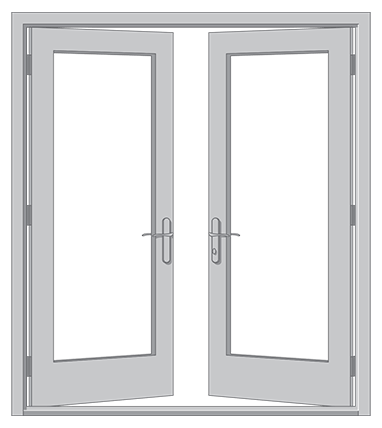
Get protection from hurricanes, intruders and high energy bills with a CWS vinyl impact French…
View Product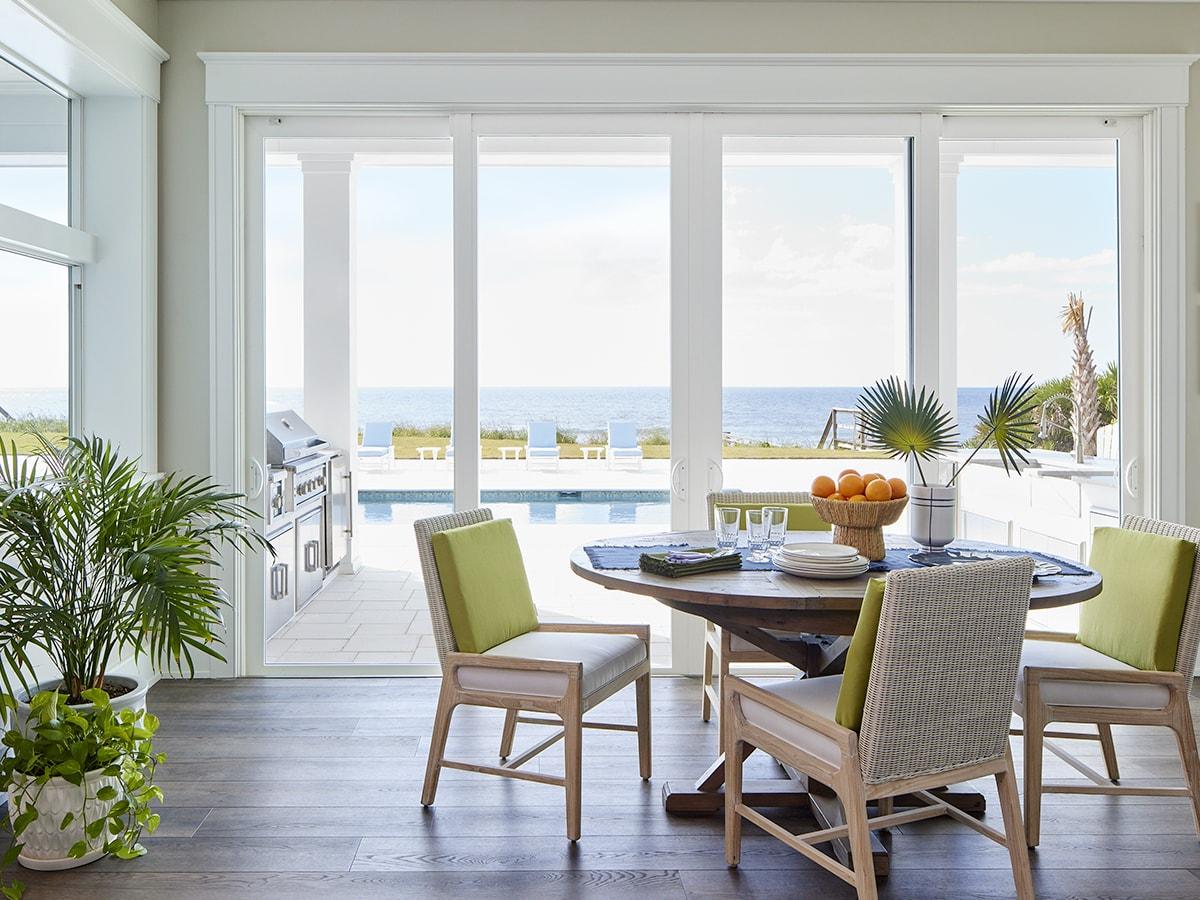
Gliding horizontally along a track, CWS WindPact vinyl impact sliding patio doors protect homes from…
View Product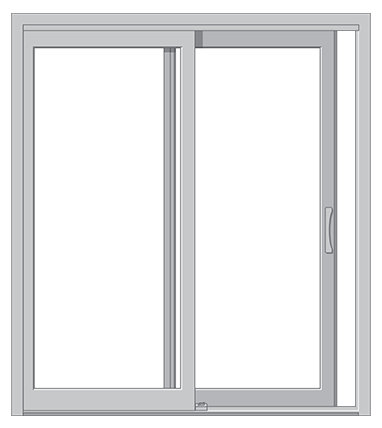
Gain peace of mind with a CWS sliding patio door. This strong and durable sliding…
View Product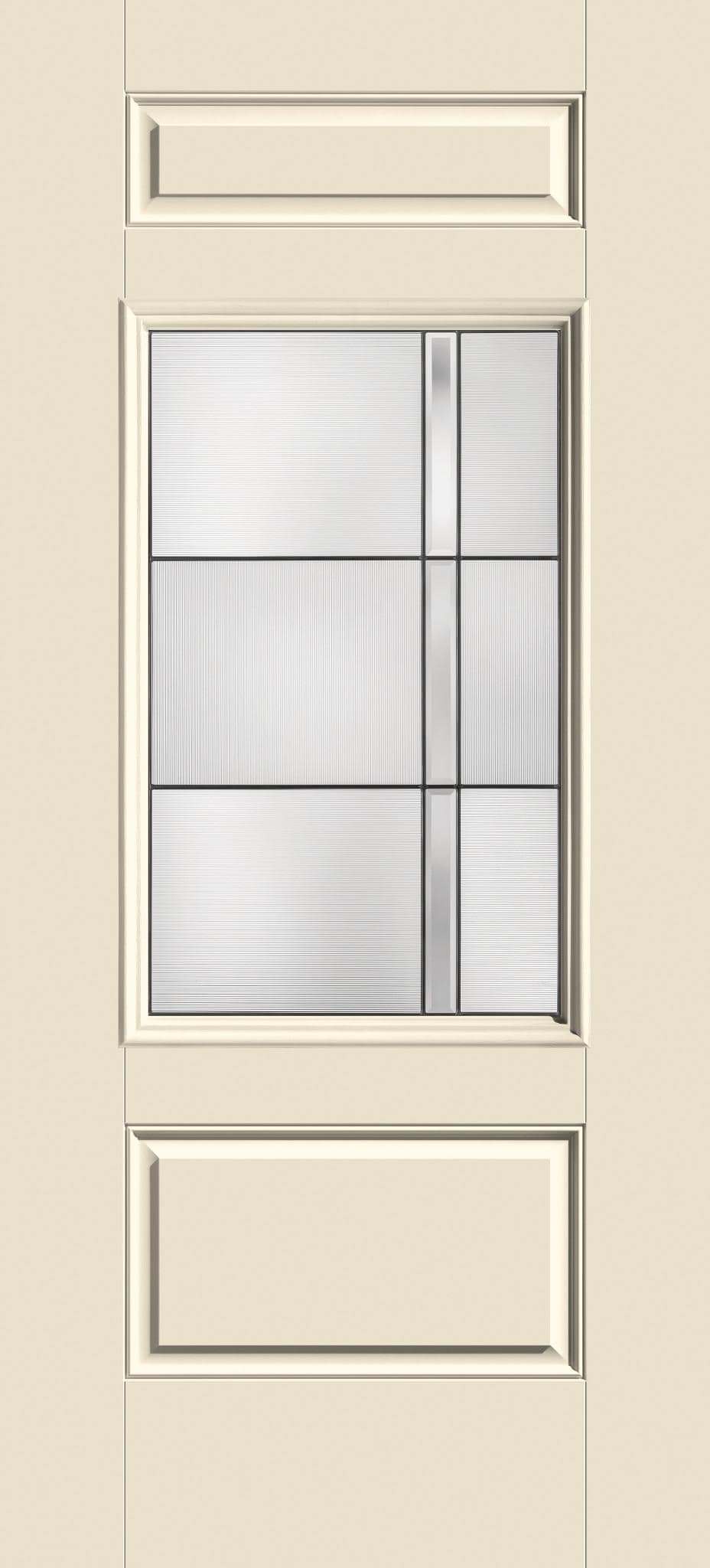
Looking to add a splash of color to your entryway? The Half Lite 1 Panel…
View Product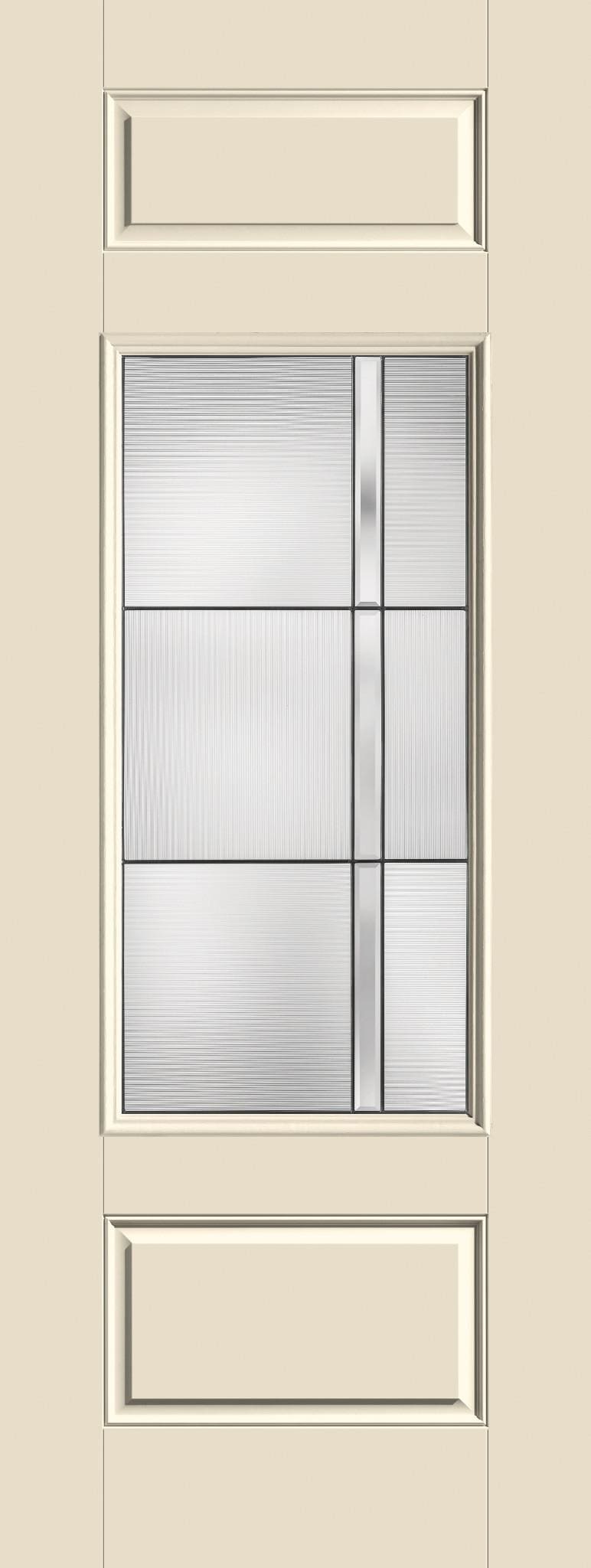
Looking to add a splash of color to your entryway? The 8' Half Lite 1…
View Product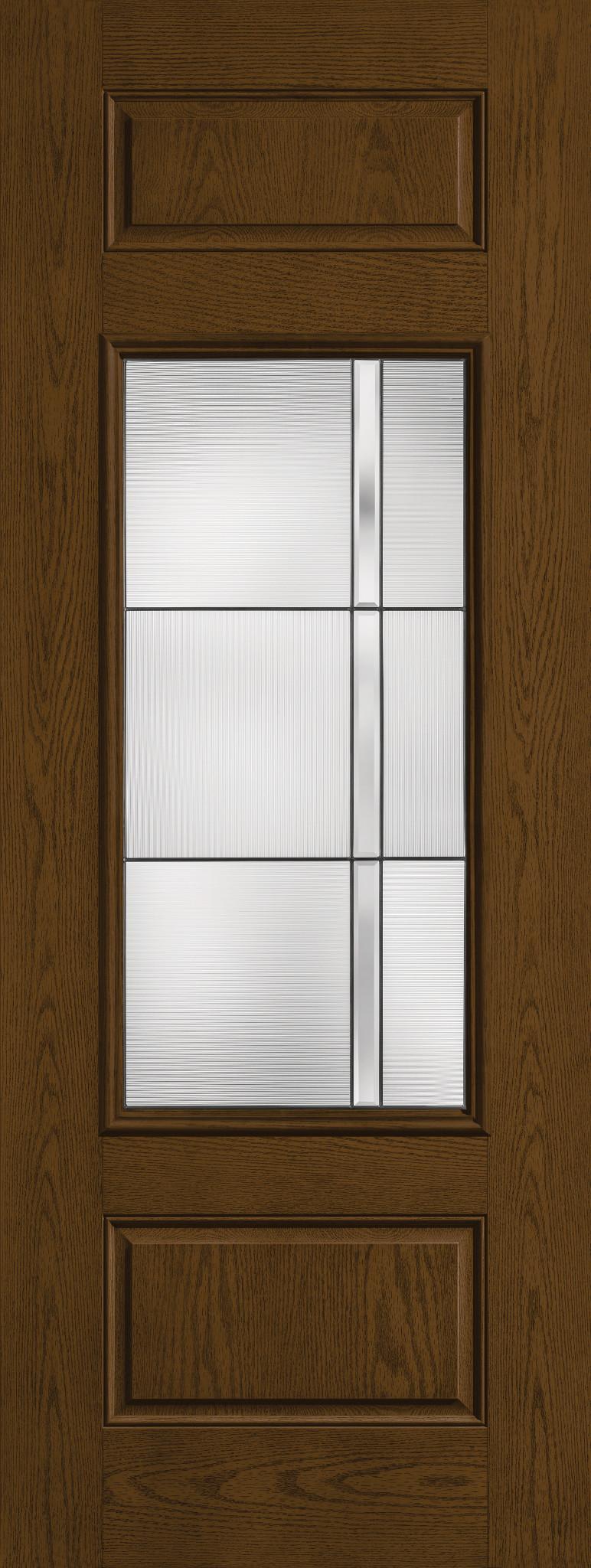
The 8' Half Lite 1 Panel Top and Bottom is the door that started the…
View ProductDon't let the Florida sun drive up your energy bills. Contact our local experts for a free consultation and find the perfect energy-efficient glass and doors for your home.