
8414 Sabal Industrial Blvd, Tampa, FL 33619
Hurricane Strong. STH Strong
Mon – Fri 8:00AM – 5:00OM / Sat-Sun – Closed
August 11, 2026 · Reading time: ~9 min
Keeping your home’s entryways in top shape doesn’t require professional skills, just consistency. By vacuuming out sand, clearing your weep holes before storm season, and avoiding sticky wet lubricants, you can double the lifespan of your sliding doors and windows. If you are looking to upgrade to modern, low-maintenance options, consider high-quality vinyl options like the CWS® WINDPACT Vinyl Sliding Patio Door or a durable entry option like the Therma-Tru Smooth-Star Half Lite 1 Panel Top and Bottom door. These modern systems are engineered to withstand the harsh Florida climate while remaining incredibly easy to clean and maintain.
To keep your Glass and door systems operating smoothly, you must clean their tracks and frames at least once every three months—or monthly if you live right on the Tampa coast. The secret is simple: vacuum dry debris first, scrub with a mild vinegar solution, clear the drainage weep holes, and lubricate exclusively with a dry silicone spray. This guide is for Tampa homeowners who want to prevent their heavy sliding doors and windows from sticking, grinding, or leaking during our intense Florida storms. Taking thirty minutes to maintain your tracks now saves you thousands of dollars in premature roller and frame replacements later.
Tampa’s climate is brutal on exterior building materials. We deal with salt-laden humidity from the Gulf of Mexico, relentless afternoon downpours, and fine sand blown off local beaches. This sand and salt settle into the tracks of your sliding glass and door units. Left alone, they form an abrasive paste that acts like sandpaper, grinding down the rollers every single time you open the door. If you live near Bayshore Boulevard or out on the beaches, this coastal window care isn’t just cosmetic; it’s a structural necessity to keep your hardware from seizing up.
When tracks accumulate dirt, your doors can’t close fully. Even a tiny gap of a single millimeter ruins the weatherstripping seal. In 2026, with energy costs on the rise, letting your cool, air-conditioned air escape while humid Tampa air seeps in is a recipe for high utility bills. A clean track ensures that high-performance doors—like the CWS® WINDPACT Vinyl Sliding Patio Door—can seal tightly against their frames, keeping your home insulated and efficient.
Many homeowners ignore a sticky door, assuming it’s just a minor annoyance. In reality, a dirty track is actively destroying your door system from the bottom up.
Most sliding glass doors glide on steel or nylon rollers. When sand gets trapped in the track, the roller is forced to drag across the grit instead of rolling smoothly. This creates flat spots on the rollers. Once a roller gets a flat spot, the door will start to thud, shake, and eventually refuse to budge. Replacing these rollers requires removing the heavy glass panels entirely, which is a costly and difficult task.
With our local humidity frequently hovering above 80%, any organic material—like dead leaves, bugs, or dust—trapped in a damp track becomes a breeding ground for mold. This isn’t just unsightly; it can ruin the vinyl or aluminum finish and find its way into your indoor air supply. If you have a busy household with kids and pets, this mold can easily be tracked into your living room.
When a door is hard to slide, we naturally yank and push harder to force it open. This extra force puts immense strain on the frame and handles. Over time, you can warp the vinyl frame or even crack the insulated glass seal, leading to foggy double-pane glass that must be completely replaced. What started as a simple cleaning issue can quickly turn into a major structural repair.
You don’t need expensive specialty tools to clean your tracks. In fact, you probably have everything you need in your pantry and utility closet right now. Here is how to clean sliding door tracks like a professional.
Never spray liquid cleaner onto a dusty, sandy track. You will only create a muddy slurry that flows into the rollers and makes the problem worse. Always start by using a vacuum cleaner with a narrow crevice tool. Tap the track gently with a plastic putty knife to loosen dried dirt, and vacuum up every grain of sand first.
Avoid harsh chemical cleaners, bleach, or abrasive scouring powders, which can degrade vinyl and strip protective coatings off aluminum. Instead, mix equal parts white vinegar and warm water in a spray bottle. Spray the solution generously along the track and let it sit for about five to ten minutes to break down stubborn grime and salt crust.
Use an old toothbrush or a stiff-bristled nylon brush to scrub the track, focusing on the corners and the tight spaces under the rails. While you are down there, locate the weep holes—the small drainage slots on the exterior side of the frame. Use a thin wire, a zip tie, or a toothpick to clear out any dirt or nesting insects blocking these holes.
Wipe the tracks and the entire frame down with a clean microfiber cloth. For vinyl frames, like those on our CWS® COMFORT SHIELD Vinyl Sliding Patio Door, a simple wipe-down with soapy water is usually all it takes to restore their bright, clean look. Dry everything thoroughly with a clean towel to prevent water spots.
Proper lubrication is the final step in window maintenance Tampa homeowners often get wrong. Using the wrong product can actually ruin your door faster than using no lubricant at all.
Many homeowners instinctively grab a can of standard WD-40 or household grease when a door starts sticking. This is a major mistake. Standard WD-40 is a wet lubricant that leaves a sticky residue. In Tampa, this residue acts like a magnet for sand, pet hair, and dirt. Within weeks, it turns into a thick, black paste that completely jams the rollers and grinds away at the track.
Instead, you should use a high-quality dry silicone spray. It sprays on wet to penetrate the rollers but dries quickly into a slick, clear, non-greasy film. It lubricates the moving parts without attracting dirt or sand, and it helps repel water to prevent rust. It is the only lubricant we recommend for our coastal installations.
| Lubricant Type | Best Use Case | Why to Avoid / Watch Out For |
|---|---|---|
| Dry Silicone Spray | Tracks, rollers, hinges, and locks | Must be applied in a well-ventilated area. |
| Teflon-Based Dry Spray | Heavy sliding door tracks | Slightly more expensive than standard silicone. |
| Standard WD-40 / Wet Oils | Displacing water or loosening rusted bolts | Attracts sand and dirt, creating a sticky paste. |
| Grease / Petroleum Jelly | Industrial machinery only | Ruins vinyl frames and completely clogs residential rollers. |
In Florida, our maintenance routine should match our weather patterns. Preparing your home before the storms hit is always better than dealing with the aftermath.
Before the Atlantic hurricane season begins each June, you must inspect your window and door weep holes. These drainage paths are designed to let water escape from the frame during heavy rains. If they are clogged with dirt or nesting insects, water will back up and flood your living room. When you install high-end impact products like the CWS® WINDPACT Vinyl French Patio Door, keeping those weep holes clear is what ensures the door performs to its high wind and water resistance ratings.
After a tropical storm or a heavy summer squall, don’t wait to clean your windows and doors. Wind-blown rain carries salt spray and fine sand that coats your frames. Hose down the exterior of your doors and windows with fresh water, then dry and wipe the tracks to prevent salt corrosion from taking hold. This simple step can add years to the lifespan of your entryways.
“In Tampa, water damage doesn’t always come from a roof leak. More often than not, we see ruined drywall and buckled wood flooring caused simply by clogged door tracks and blocked weep holes that backed up during a summer storm.”
We recently visited a home in South Tampa near Hillsborough Bay. The homeowner complained that their heavy sliding glass door was nearly impossible to slide, requiring two hands and a lot of muscle. They feared they would need a complete door replacement. When our team inspected the door, we found the track packed with a thick mixture of dog hair, sand, and old grease from a previous attempt to lubricate it with WD-40.
Instead of replacing the door, we removed the sliding panel, thoroughly cleaned the tracks, cleared out the clogged weep holes, and replaced the ruined rollers. After putting the door back on the track and applying a dry silicone spray, the door could be slid open with a single finger. Regular maintenance would have prevented this entire headache and saved the homeowner the cost of the service call.
Keeping your home’s entryways in top shape doesn’t require professional skills, just consistency. By vacuuming out sand, clearing your weep holes before storm season, and avoiding sticky wet lubricants, you can double the lifespan of your sliding doors and windows. If you are looking to upgrade to modern, low-maintenance options, consider high-quality vinyl options like the CWS® WINDPACT Vinyl Sliding Patio Door or a durable entry option like the Therma-Tru Smooth-Star Half Lite 1 Panel Top and Bottom door. These modern systems are engineered to withstand the harsh Florida climate while remaining incredibly easy to clean and maintain.
For homes close to the coast, tracks should be vacuumed and wiped down monthly. For inland Tampa homes, every three months is generally sufficient to prevent sand and salt buildup. Regular cleaning prevents abrasive grit from wearing down your rollers.
No. Standard WD-40 is a wet lubricant that attracts sand, dirt, and pet hair, eventually forming a sticky paste that clogs rollers. Use a dry silicone or Teflon-based spray instead. These dry formulas lubricate without leaving a sticky residue.
This is usually caused by clogged weep holes. These small drainage slots at the bottom of the exterior frame can easily get plugged with dirt or insects, forcing rainwater to back up into your home. Clearing them with a wire solves this.
Mix one part white vinegar with three parts warm water. Spray the solution onto the mold, let it sit for 10 minutes, scrub gently with a soft brush, and wipe clean with a microfiber cloth. This kills the mold spores naturally.
Related reading: Glass and Door Seal Repair: Replacing Weatherstripping.
If deep cleaning didn’t restore your doors to smooth operation, your rollers or tracks may be permanently damaged. Contact our Tampa window and door specialists today for a professional inspection and repair.
Based on this article, here are products that might help you:
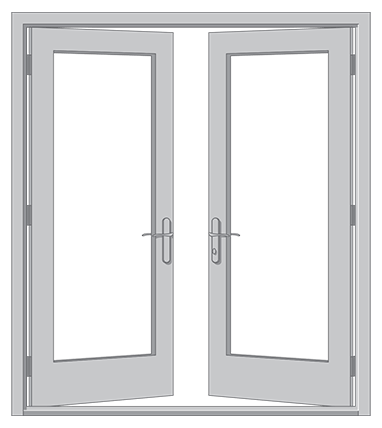
Get protection from hurricanes, intruders and high energy bills with a CWS vinyl impact French…
View Product
Gliding horizontally along a track, CWS WindPact vinyl impact sliding patio doors protect homes from…
View Product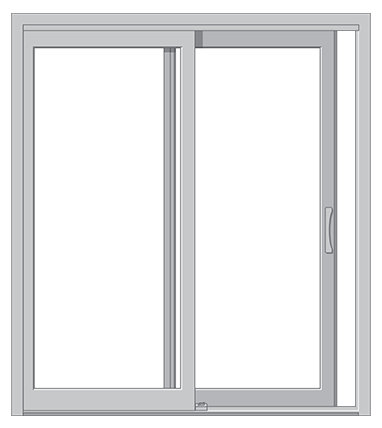
Gain peace of mind with a CWS sliding patio door. This strong and durable sliding…
View Product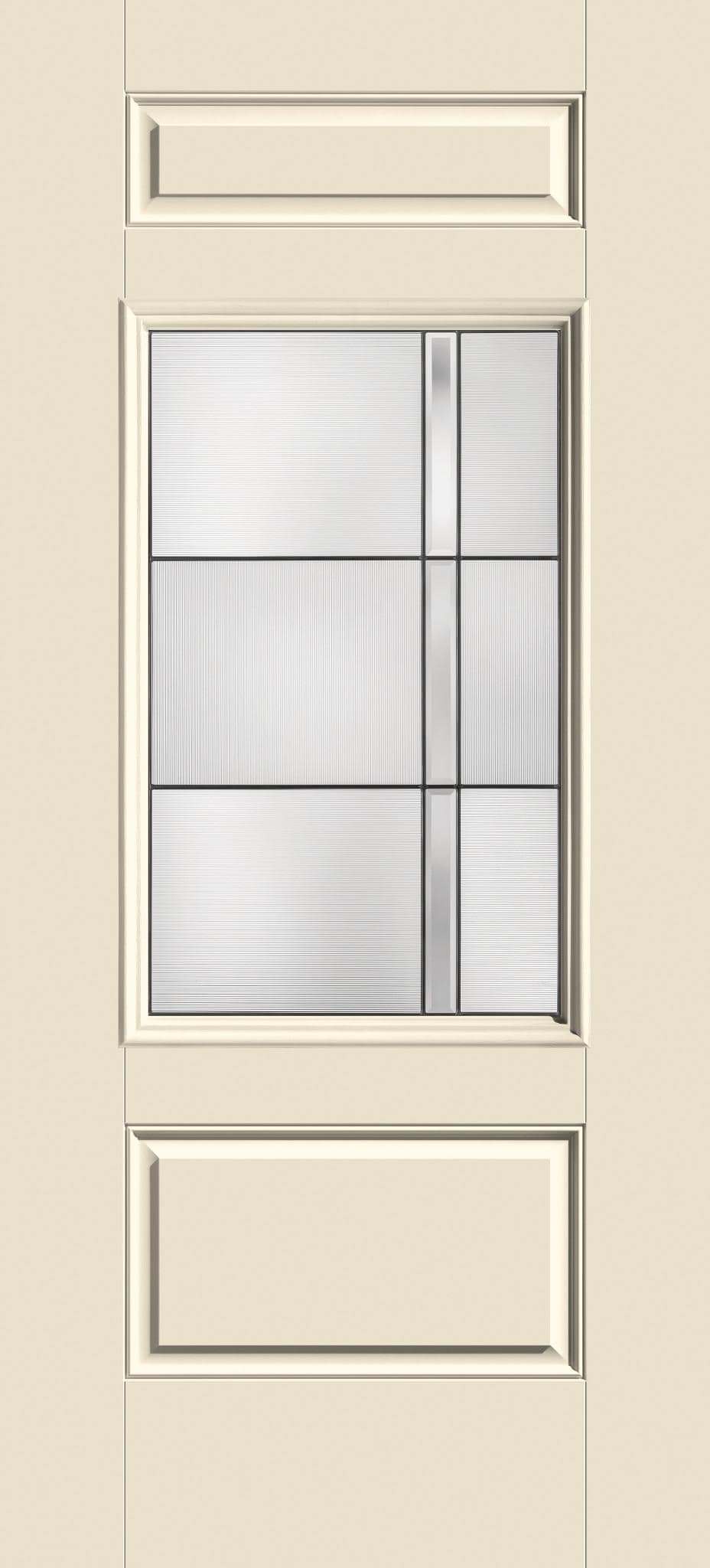
Looking to add a splash of color to your entryway? The Half Lite 1 Panel…
View Product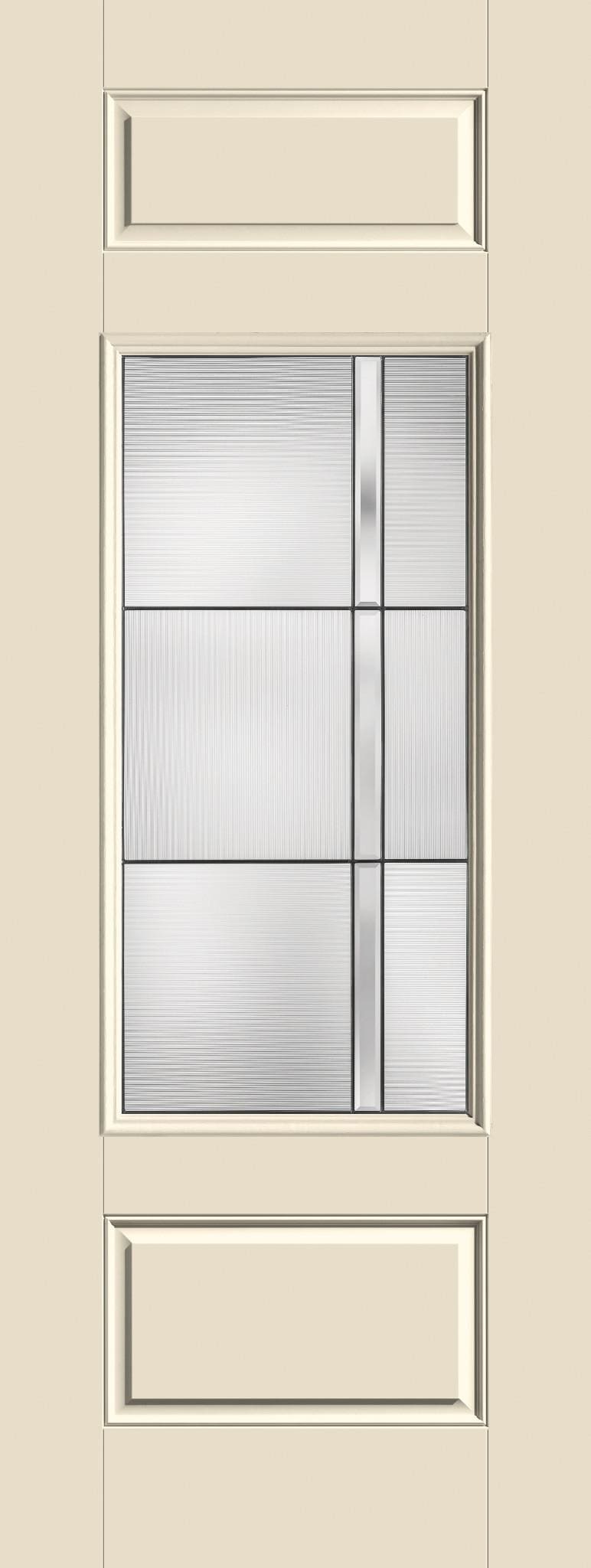
Looking to add a splash of color to your entryway? The 8' Half Lite 1…
View Product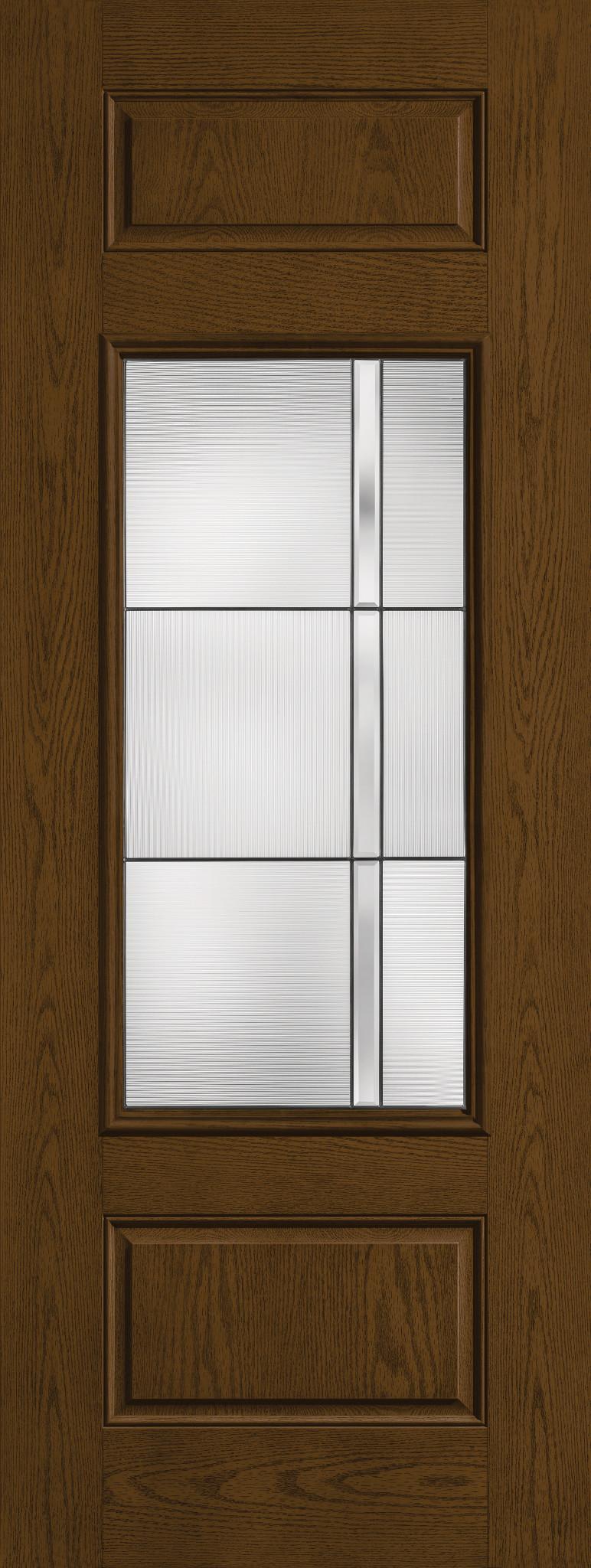
The 8' Half Lite 1 Panel Top and Bottom is the door that started the…
View ProductIf deep cleaning didn't restore your doors to smooth operation, your rollers or tracks may be permanently damaged. Contact our Tampa window and door specialists today for a professional inspection and repair.