
8414 Sabal Industrial Blvd, Tampa, FL 33619
Hurricane Strong. STH Strong
Mon – Fri 8:00AM – 5:00OM / Sat-Sun – Closed
August 11, 2026 · Reading time: ~10 min
If your heavy patio door is scraping the floor, sticking when you try to open it, or refusing to latch shut, you can usually fix it by tightening the hinge screws, replacing the top hinge’s center screw with a heavy-duty three-inch screw, or inserting thin shims behind the hinge leaves. These straightforward adjustments pull the door back into a plumb position without requiring a costly full replacement.
This guide is for Tampa homeowners who want to stop their heavy glass and door entryways from dragging, sticking, or letting humid Florida air leak inside. Whether you have a massive double-pane front entry or a heavy-duty impact patio door, gravity and humidity are constantly working against your hardware. At STH Windows & Doors, we see this daily in homes across South Tampa and the surrounding areas. Here is exactly how to diagnose and fix sagging hinges like a professional installer.
Doors do not sag without a reason. When you combine a heavy slab of wood, fiberglass, or vinyl with large glass inserts, you create a massive lever that puts constant, daily physical stress on three or four small metal hinges. Over several years, that physical force inevitably wins.
Modern glass doors are heavy. If you have an impact-rated door like the CWS® WINDPACT Vinyl French Patio Door, you are not just swinging a piece of vinyl. You are swinging multiple layers of thick, laminated glass designed to withstand Category 5 hurricane winds. According to the Florida Building Code, impact glass must withstand direct strikes from flying debris, which means the glass itself is incredibly dense. That security and energy efficiency are non-negotiable in Tampa, but the sheer weight puts immense, constant downward pressure on the top hinges of your door frame.
Every time you open your door, gravity pulls the top of the door slab away from the jamb. The top hinge bears almost all of this tension, while the bottom hinge acts as a pivot point that gets pushed inward. Over time, this constant pulling forces the top screws to back out of the wood or vinyl frame. Once those screws lose their tight grip, the top of the door leans away from the jamb, causing the bottom outer corner of the door to sag and scrape against the threshold.
Tampa’s unique geography plays a major role here too. Our sandy soils, combined with intense seasonal wet and dry cycles, cause local foundations to settle and shift. When your house settles, the rough opening of your door frame can distort. Even a shift of a sixteenth of an inch can throw off your glass and door alignment, causing the latch to miss the strike plate entirely.
“A sagging door is rarely a problem with the door slab itself. Ninety percent of the time, it is a hardware or framing issue caused by gravity pulling the top hinge away from the wall stud.”
Before you grab your tools, you need to figure out exactly where the door is failing. Blindly tightening screws or shoving shims into hinges can make the misalignment worse.
Close the door slowly and watch where it makes contact first. Is the top corner of the door hitting the side jamb? Is the bottom edge dragging across the metal threshold? If the door is scraping at the bottom latch side, your top hinges are almost certainly loose or sagging. If the door is tight against the jamb on the hinge side, the hinges might be seated too deeply.
Look at the gap between the door slab and the wood frame while the door is closed. This gap should be a consistent 1/8 inch all the way around. If you notice the gap is wide at the top on the hinge side but incredibly tight (or nonexistent) at the top on the latch side, the door has tilted. This visual gap test is the fastest way to confirm that sagging hinges are your primary culprit.
Open the door halfway, grab the handle, and gently lift up and down. Watch the hinges closely as you do this. Do the hinge plates move independently of the door jamb? If you see the metal plate shifting or pulling away from the wood, the screws have lost their bite. If you can spin the screws continuously with a screwdriver without them tightening, the wood fibers inside the jamb are completely stripped.
You do not need to hire a contractor to fix a basic sag. Most alignment issues can be resolved in under thirty minutes with a few basic tools.
Living in the Tampa Bay region means our homes face environmental elements that northern homes simply do not experience. These local climate factors directly impact how well your doors function over time.
Tampa’s high humidity levels cause wooden door frames to absorb moisture and swell. During our wet summer months, a wooden frame can expand significantly. This expansion puts extra pressure on your door hinges every time you force a swollen door shut. Over time, this repeated force pulls the hinge screws loose much faster than it would in a dry climate.
If you live near the coast in South Tampa, Beach Park, or Westchase, the salt-laden air is a constant threat to your door hardware. Salt air accelerates oxidation, causing standard steel hinges to rust, bind, and corrode. When hinges rust, they create friction. This friction forces the hinge knuckles to grind against each other, creating metal fatigue and causing the door to sag. Upgrading to solid brass or marine-grade stainless steel hinges is essential for coastal Florida homes.
Sometimes, a simple screw adjustment or shim is not enough. You need to know when your hardware is salvageable and when it is time to invest in new components or a completely new door system.
| Symptom | Likely Cause | Recommended Action |
|---|---|---|
| Screws spin freely, wood is intact | Stripped screw holes | Repair with 3-inch screws or wood plugs |
| Grey or black metal powder on hinges | Severe hinge knuckle wear | Replace the hinges immediately |
| Soft, crumbling wood around hinges | Wood rot / Water intrusion | Replace the door jamb or entire door unit |
| Vinyl or fiberglass frame is cracked | Structural failure | Replace the door unit |
If your wooden frame is soft and rotting from our heavy summer downpours, no screw will ever hold. In this scenario, replacing the door with a rot-resistant option is the smartest long-term move. For front entries, a fiberglass door like the Therma-Tru Smooth-Star Half Lite 1 Panel Top and Bottom offers a paintable, smooth surface that will not rot, warp, or rust. If you prefer the warm look of natural wood without the maintenance headache, the 8′ Half Lite 1 Panel Top and Bottom from the Therma-Tru Fiber-Classic Oak Collection provides the classic look of oak graining while standing up perfectly to Tampa’s brutal humidity.
We recently assisted a homeowner in South Tampa whose heavy CWS® WINDPACT Vinyl French Patio Door was becoming increasingly difficult to lock. The door had been installed five years prior, but the constant exposure to salt air and high coastal winds had taken a toll on the hardware.
Because these doors feature heavy, impact-resistant laminated glass designed for storm protection, the weight on the top hinges was substantial. Over time, the standard installation screws had slowly backed out of the framing, causing the door slab to sag. The bottom corner of the door was scraping against the threshold, and the deadbolt no longer lined up with the strike plate, compromising the home’s security.
Our team resolved the issue by removing the compromised top hinge screws and replacing them with heavy-duty, corrosion-resistant 3-inch stainless steel screws. This anchored the door frame securely into the structural studs of the house. We then installed a thin shim behind the bottom hinge to restore the door to a perfectly plumb position. The door now swings smoothly, locks effortlessly, and seals tightly against the humid Florida air, immediately improving the home’s energy efficiency.
You do not have to wait for your doors to start scraping before you take action. A little preventative maintenance can extend the life of your hinges and keep your doors operating smoothly for decades.
Fixing a sagging glass door typically involves tightening loose hinge screws, replacing short builder-grade screws with 3-inch heavy-duty screws that anchor into the wall framing, or inserting thin shims behind the hinges to adjust the door’s angle. This pulls the door back into alignment.
Over time, gravity and the immense weight of glass inserts pull the top hinges away from the door jamb. This causes the door to tilt downward toward the latch side, resulting in the bottom outer corner scraping against the frame or threshold. Replacing short screws with longer ones usually solves this.
Yes, most minor sagging issues can be resolved without removing the door. You can replace screws one by one or insert hinge shims by simply supporting the weight of the door with a wooden wedge under the bottom edge while it remains on its hinges.
In coastal Florida areas like Tampa, standard steel hinges may begin to rust or fail within 3 to 5 years due to high humidity and salt air. Upgrading to solid brass or marine-grade stainless steel hinges can extend their lifespan to 15 or more years.
For a deeper look, see Glass and Door Soundproofing: How to Block Outside Noise.
Don’t let a sagging door compromise your home’s security and energy efficiency. Contact our expert team in Tampa today for professional door alignment, hinge upgrades, and glass repair services tailored to Florida’s climate.
Based on this article, here are products that might help you:
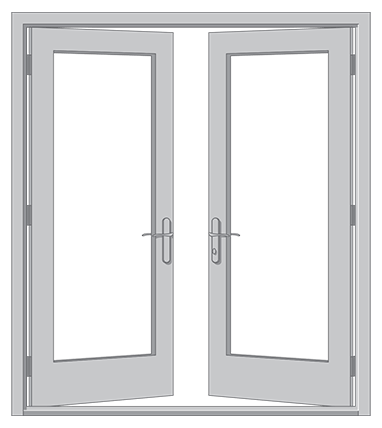
Get protection from hurricanes, intruders and high energy bills with a CWS vinyl impact French…
View Product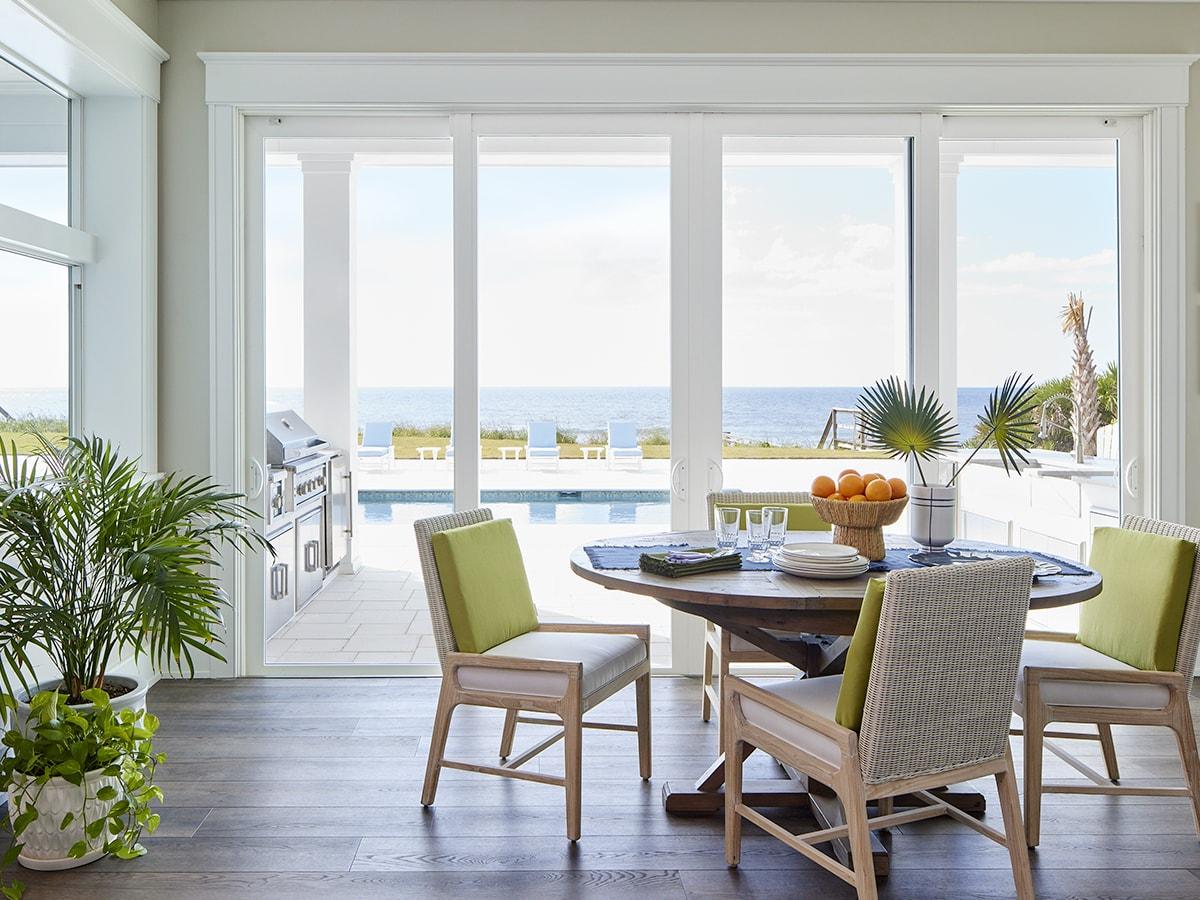
Gliding horizontally along a track, CWS WindPact vinyl impact sliding patio doors protect homes from…
View Product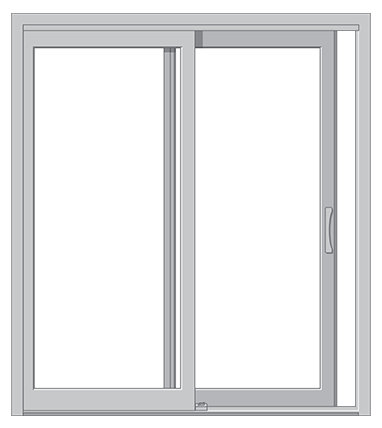
Gain peace of mind with a CWS sliding patio door. This strong and durable sliding…
View Product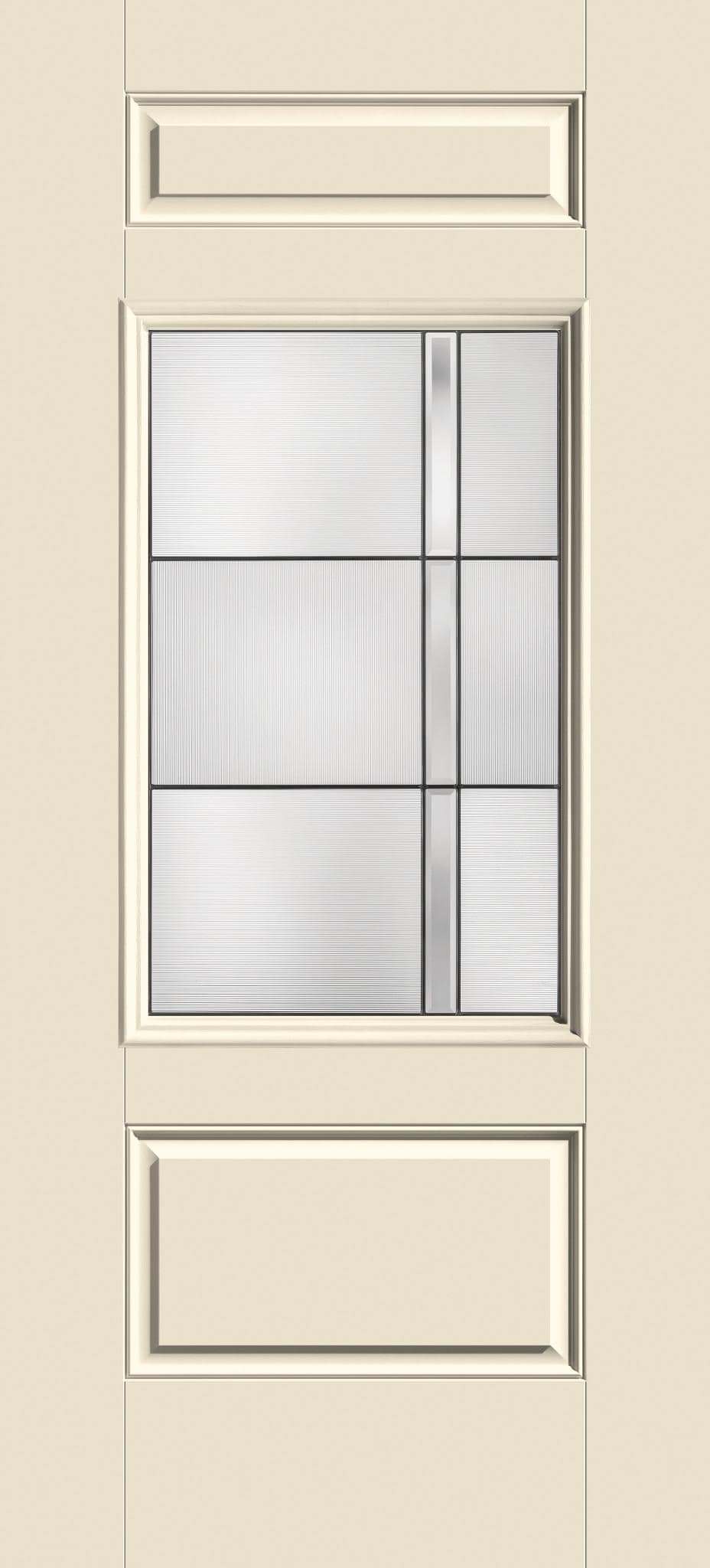
Looking to add a splash of color to your entryway? The Half Lite 1 Panel…
View Product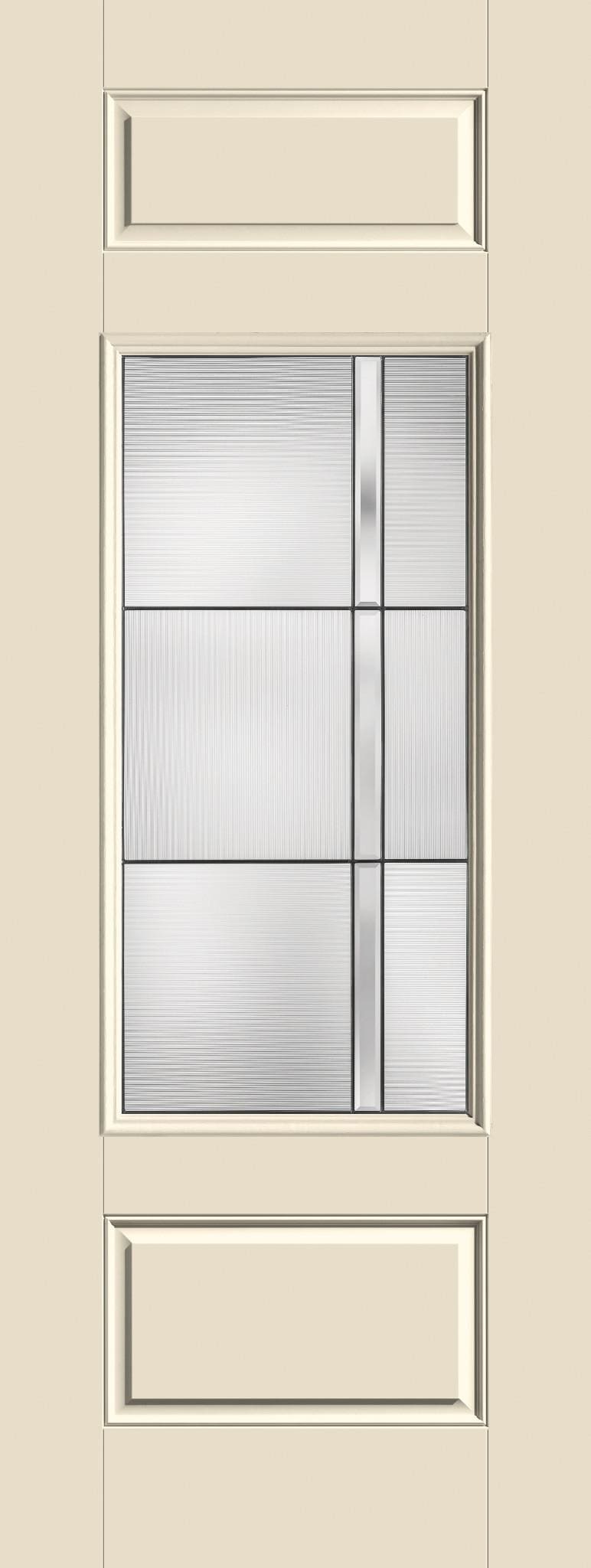
Looking to add a splash of color to your entryway? The 8' Half Lite 1…
View Product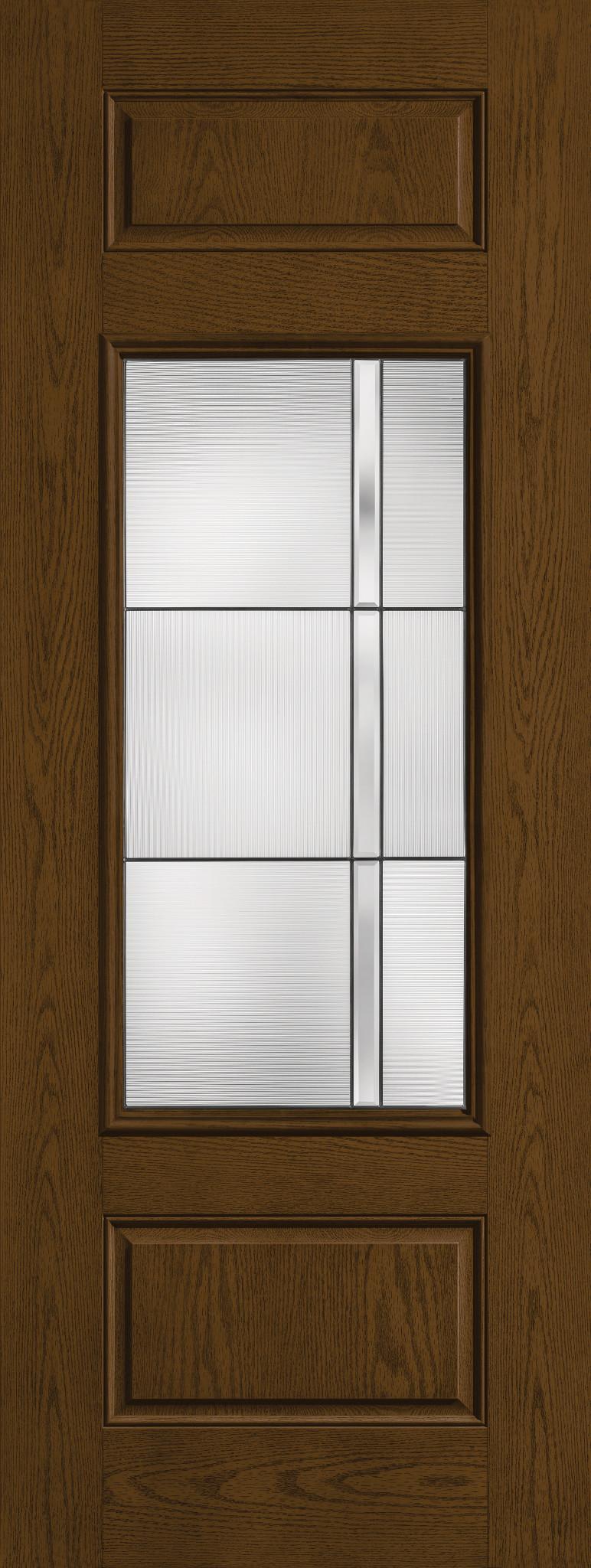
The 8' Half Lite 1 Panel Top and Bottom is the door that started the…
View ProductDon't let a sagging door compromise your home's security and energy efficiency. Contact our expert team in Tampa today for professional door alignment, hinge upgrades, and glass repair services tailored to Florida's climate.