
8414 Sabal Industrial Blvd, Tampa, FL 33619
Hurricane Strong. STH Strong
Mon – Fri 8:00AM – 5:00OM / Sat-Sun – Closed
August 11, 2026 · Reading time: ~10 min
Choosing the right Glass and door materials in Tampa comes down to balancing intense heat, high humidity, and seasonal hurricane threats. For most local homeowners, the absolute best combination is a fiberglass or vinyl frame paired with laminated, impact-resistant Low-E glass. This setup offers the ultimate protection against 140+ mph winds while slashing your cooling bills. Aluminum is incredibly strong but transfers heat quickly, while traditional wood rot makes it a constant maintenance headache in our coastal climate.
This guide is for Tampa Bay homeowners who want to make a smart, long-term investment in a Tampa window and door replacement without falling for cheap materials that warp, fade, or corrode after a few Florida summers.
Living in Tampa means dealing with intense environmental pressures. Salt air from Tampa Bay and the Gulf corrodes metal hardware. Intense ultraviolet (UV) radiation bakes front entryways, causing cheap plastics to yellow and crack.
Worse, our relentless humidity levels crawl into any unprotected wood, leading to swelling, warping, and eventually, wood rot. When you install a door here, it has to withstand constant exposure to moisture and sun, or you will find yourself replacing it in less than five years.
You do not have to turn your home into a concrete bunker to keep it safe. Modern engineering allows us to install beautiful, light-filled entryways that still meet the strict Florida Building Code.
For instance, a smooth, paintable option like the Half Lite 1 Panel Top and Bottom door from the Therma-Tru Smooth-Star line lets you add a splash of color to your entryway while offering the dent-resistant, rot-free performance of premium fiberglass. You get the classic look of a wood door with glass inserts, but with the structural integrity required to survive a major storm.
To make an informed purchase, you need to understand how different materials handle solar heat and wind pressure. In Florida, these two factors dictate your comfort, your safety, and your monthly energy bills.
Solar Heat Gain Coefficient (SHGC) measures how much solar radiation passes through a window or door. In northern states, homeowners want a high SHGC to help heat their homes in winter. In Tampa, we want the exact opposite.
You need a low SHGC—ideally below 0.25—to keep the sun’s heat outside. Installing Energy efficient doors florida homeowners trust means looking for multi-pane glass systems with specialized coatings that reflect infrared heat while letting visible light fill your living room.
Tampa sit within a wind-borne debris region. Depending on your exact location in Hillsborough or Pinellas County, your doors must meet specific Design Pressure (DP) ratings. DP ratings measure a door’s ability to withstand wind and water pressure without structural failure.
Using Hurricane impact glass is the most reliable way to meet these codes. Laminated impact glass consists of a durable plastic interlayer sandwiched between two glass sheets. Even if the outer glass shatters from flying debris, the interlayer remains intact, preventing wind from entering and pressurizing your home, which can blow the roof off.
The frame material holds everything together. It affects the door’s insulation value, structural strength, maintenance needs, and lifespan. Let’s look at how the four main frame options perform in our local climate.
Aluminum is incredibly strong and lightweight. This strength allows manufacturers to build doors with very thin frames and massive glass panes, making it a favorite for modern architectural designs.
However, aluminum conducts heat rapidly. Without a thermal break (an insulating barrier inside the frame), aluminum frames will get hot to the touch in July and transfer that heat directly into your air-conditioned home. If you live right on the water, untreated aluminum is also prone to pitting and oxidation from salt spray.
Vinyl is an outstanding insulator because it does not conduct heat. It is also completely immune to rot, rust, and salt-air corrosion.
Products like the CWS® WINDPACT Vinyl Sliding Patio Door utilize high-grade vinyl reinforced with internal chambers to provide both impact protection and excellent thermal performance. It glides horizontally along its track without the risk of binding or sticking due to humidity-induced swelling.
Fiberglass is arguably the perfect material for Florida entry doors. It does not warp in high humidity, dent from stray soccer balls, or rust from coastal air. It can be engineered with a smooth surface or molded with realistic wood textures.
For example, the 8′ Half Lite 1 Panel Top and Bottom door from the Therma-Tru Fiber-Classic Oak Collection delivers the warm look and feel of natural Oak graining but behaves like engineered fiberglass. It provides excellent insulation and requires almost zero maintenance compared to real wood.
Wood offers unmatched natural beauty and a classic weight. But in Tampa, wood is a high-maintenance relationship.
The constant cycle of wet summers and dry winters causes wood frames to expand and contract, leading to sticking, warping, and cracked paint. If you do not scrape, sand, and repaint or reseal a wood door every one to two years, moisture will penetrate the grain and rot the frame from the inside out.
| Material | Durability in Humidity | Thermal Efficiency | Maintenance Level | Salt-Air Resistance |
|---|---|---|---|---|
| Aluminum | High (if treated) | Low to Moderate | Low | Moderate (needs coating) |
| Vinyl | Excellent | Excellent | Very Low | Excellent |
| Fiberglass | Excellent | Excellent | Very Low | Excellent |
| Wood | Poor | Moderate | Very High | Poor |
The glass makes up the majority of the surface area on patio and entry doors, making it the most critical component for safety and energy savings.
Impact-resistant glass is designed to withstand a strike from a nine-pound wooden 2×4 board traveling at 50 feet per second. It uses a heavy-duty polyvinyl butyral (PVB) or ethylene-vinyl acetate (EVA) interlayer bonded between two layers of glass.
Even if a hurricane-force wind hurls debris through the air and cracks the outer glass, the tough inner layer holds the pane together, keeping rain, wind, and intruders out of your home.
Low-E coatings are microscopically thin, transparent layers of metal oxide applied directly to the glass surface. One of the main Low-e glass benefits is its ability to reflect infrared light (heat) while allowing visible light to pass through. This keeps your home cooler during hot summer afternoons and prevents your carpets, furniture, and artwork from fading due to harsh UV exposure.
Double-pane glass units do not just contain air between the layers. Quality manufacturers vacuum-seal the space and fill it with argon gas. Argon is denser than air, which significantly slows down the transfer of heat through the glass. When paired with a vinyl frame, an argon-filled glass unit creates an incredibly effective thermal barrier.
To help you choose the right setup for your home, let us look at the most common combinations we install for Tampa homeowners.
This is a heavy-duty, highly secure option popular in modern homes and coastal high-rises.
An excellent choice for inland suburban homes where energy efficiency and budget are the top priorities. You can find this in non-impact options like the CWS® COMFORT SHIELD Vinyl Sliding Patio Door, which offers smooth operation and high energy savings at an accessible price point.
The gold standard for front entryways, combining high curb appeal with rugged durability. Think of an 8′ Half Lite 1 Panel Top and Bottom door with a smooth, painted finish or a rich wood grain.
If you are planning to upgrade your home’s exterior doors, follow this straightforward process to ensure you get the right materials for your specific location.
In our years serving the Tampa Bay region, we have seen firsthand how material choices play out over time. In coastal areas like South Tampa, Davis Islands, and Belleair, the combination of high humidity and salt air acts like sandpaper on cheap building materials.
We recently worked with a homeowner in South Tampa whose beautiful, custom wood double doors had slowly rotted along the bottom frame due to standing water from heavy summer rains. The wood had swollen so badly they could no longer open the active door without pulling with both hands.
“We replaced their failing wood doors with a fiberglass Therma-Tru entry system and upgraded their old aluminum sliding doors to CWS WindPact vinyl impact sliding patio doors. Not only did their home instantly feel quieter and cooler, but their monthly TECO energy bill dropped by just over 14% in the very first month.”
By moving away from high-maintenance wood and non-insulated metals, they secured their home against future storms while permanently reducing their maintenance chore list.
Fiberglass and vinyl are the absolute best materials for Tampa’s high humidity. Unlike wood, they do not absorb moisture, swell, or rot. Unlike untreated metals, they will not rust or corrode when exposed to salt-heavy coastal air, making them virtually maintenance-free options for Florida homeowners.
While you can legally use non-impact doors if you have approved hurricane shutters, impact-resistant glass is highly recommended. It provides continuous, 24/7 protection against storms and intruders without the hassle of hanging heavy shutters every time a storm enters the Gulf of Mexico.
According to the Efficient Windows Collaborative, upgrading from old single-pane glass to modern Low-E double-pane systems can save Florida homeowners an average of 12% to 15% on their annual cooling costs. In hot climates, these savings accumulate quickly during our long summer months.
For a deeper look, see Glass and Door Installation: When to DIY vs. Hire a Pro.
High-quality vinyl naturally lasts longer and maintains its appearance better in coastal salt air because it is completely inert. Aluminum can last for decades, but it requires a high-quality, marine-grade powder coating to prevent the metal from pitting, oxidizing, and bubbling over time.
Do not wait for the next storm season to protect your home and lower your energy bills. Contact our Tampa window and door specialists today for a free, no-obligation consultation and custom quote on your next project.
Based on this article, here are products that might help you:
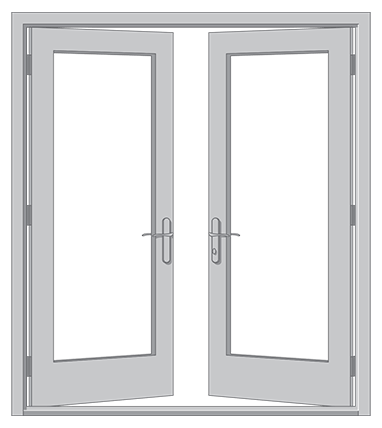
Get protection from hurricanes, intruders and high energy bills with a CWS vinyl impact French…
View Product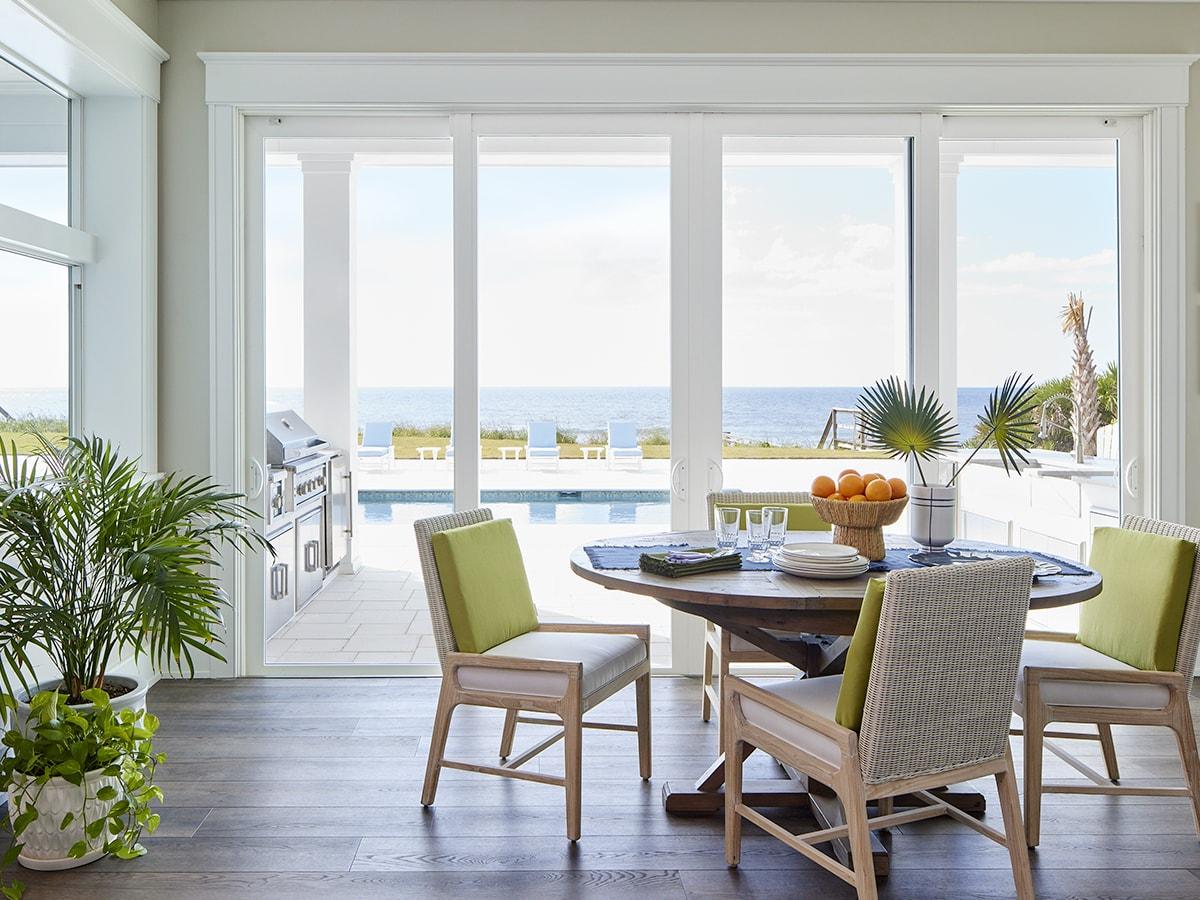
Gliding horizontally along a track, CWS WindPact vinyl impact sliding patio doors protect homes from…
View Product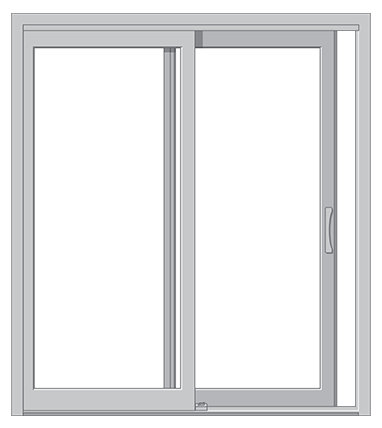
Gain peace of mind with a CWS sliding patio door. This strong and durable sliding…
View Product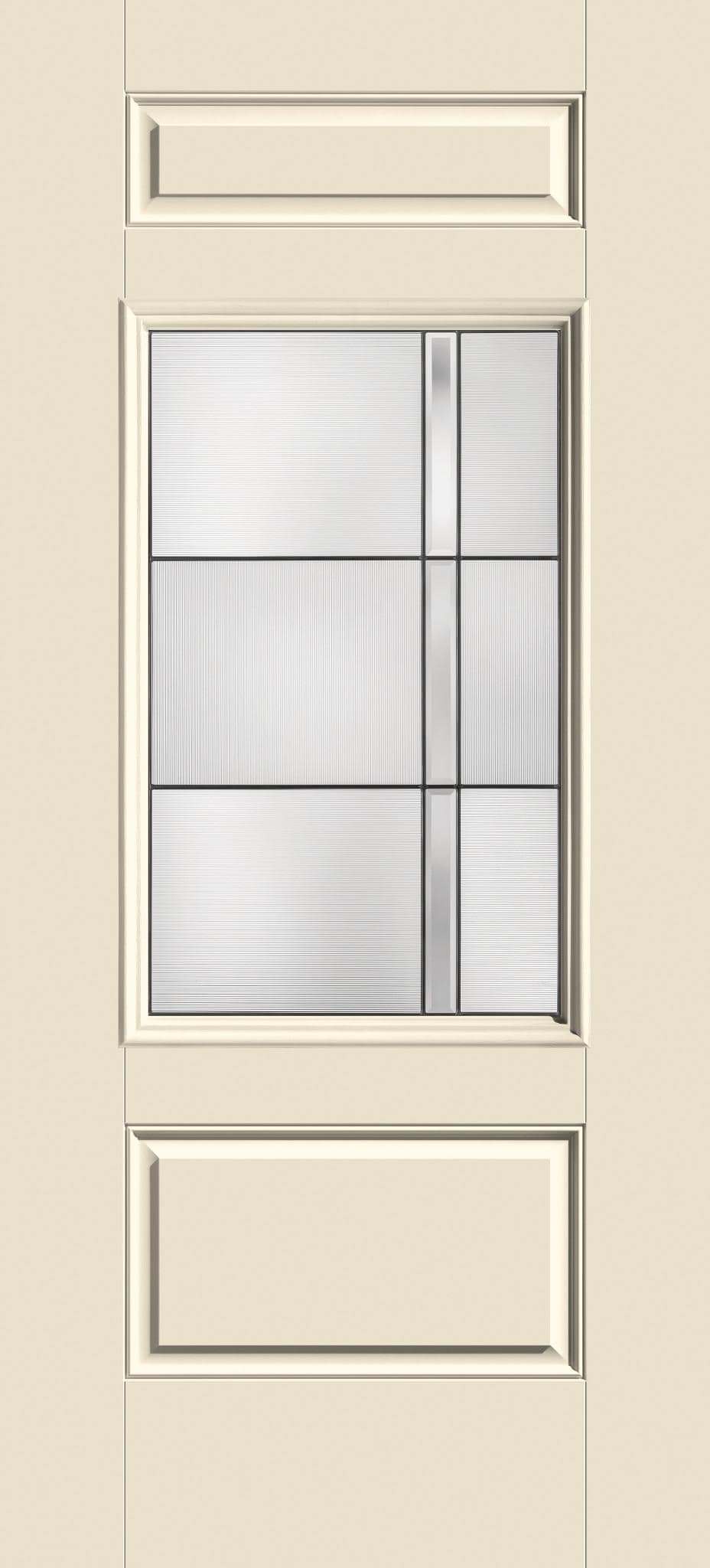
Looking to add a splash of color to your entryway? The Half Lite 1 Panel…
View Product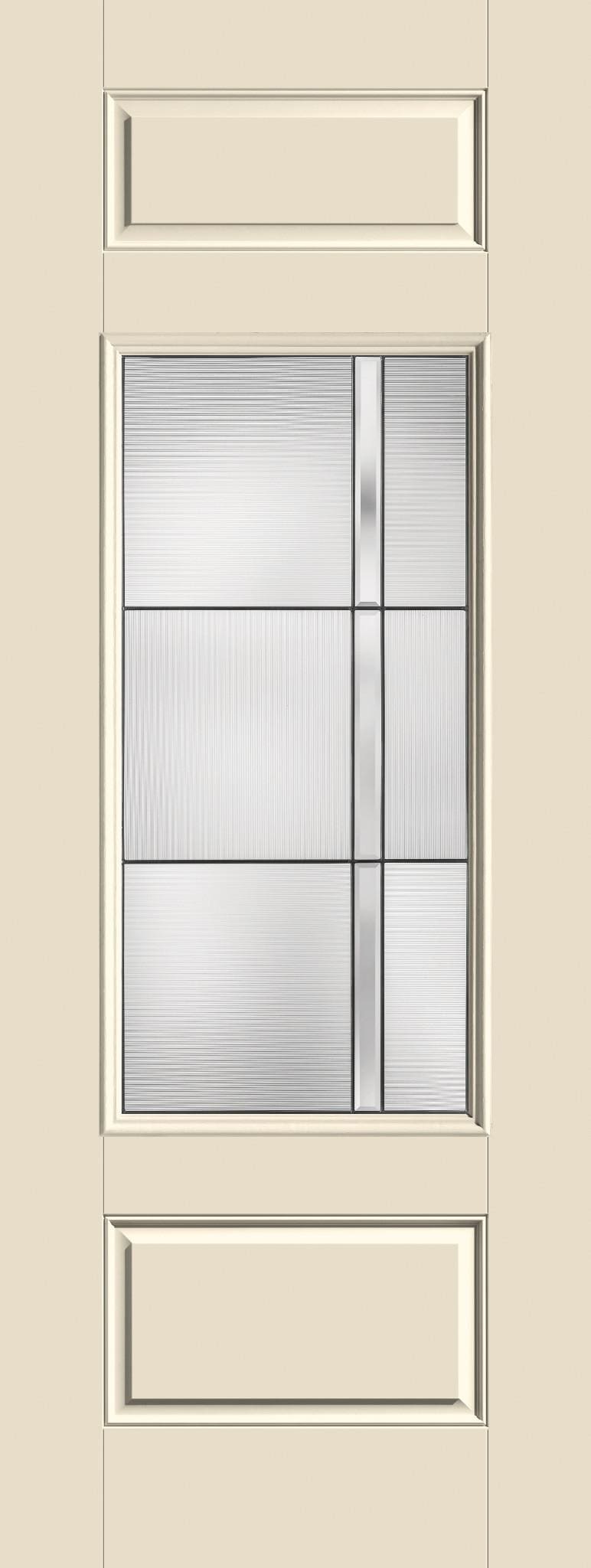
Looking to add a splash of color to your entryway? The 8' Half Lite 1…
View Product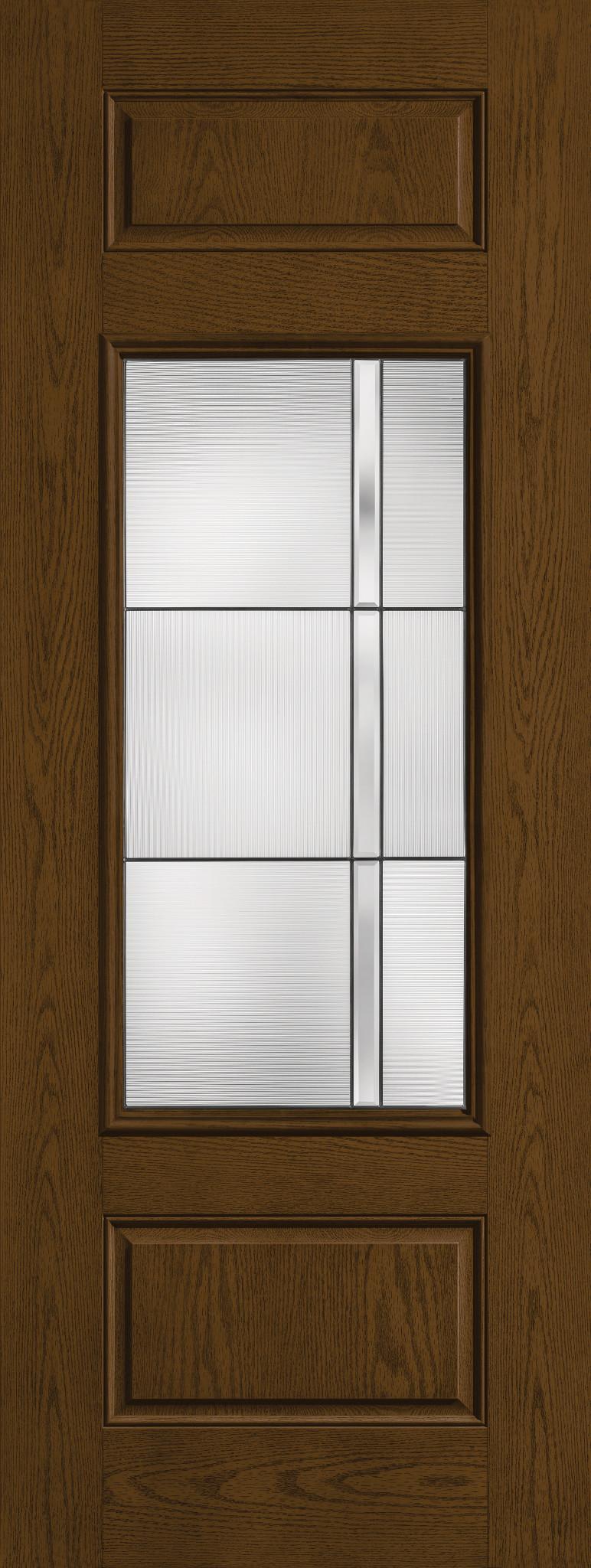
The 8' Half Lite 1 Panel Top and Bottom is the door that started the…
View ProductDon't wait for the next storm season to protect your home. Contact our Tampa window and door specialists today for a free, no-obligation consultation and custom quote.