
8414 Sabal Industrial Blvd, Tampa, FL 33619
Hurricane Strong. STH Strong
Mon – Fri 8:00AM – 5:00OM / Sat-Sun – Closed
August 11, 2026 · Reading time: ~11 min
While DIY has its place, certain projects carry too much risk to handle without professional training and specialized equipment. When it comes to the safety and structural integrity of your home, hiring experienced tampa window contractors is the smartest investment you can make.
Your front door is your home’s first impression, but it is also a heavy, complex system. Modern fiberglass and steel entry doors, like the Therma-Tru Half Lite 1 Panel Top and Bottom, are built to be incredibly tough. If you have a grand entryway, you might even require an 8′ Half Lite 1 Panel Top and Bottom door from the Therma-Tru Smooth-Star line, or the stunning wood-grain textured 8′ Half Lite 1 Panel Top and Bottom from the Therma-Tru Fiber-Classic Oak Collection.
These doors are heavy, dense, and must be perfectly plumb, level, and square to seal correctly. If a heavy front door is off by even a sixteenth of an inch, it will drag on the threshold, fail to lock securely, and allow humid Florida air—and pests—to slip right inside.
Large patio openings are a staple of Florida living, but installing them is a massive undertaking. A non-impact system like the CWS® COMFORT SHIELD Vinyl Sliding Patio Door offers smooth operation and excellent space savings because it glides horizontally along a track. However, getting that track perfectly flat and level across a wide span is incredibly difficult for a DIYer. If the track is slightly bowed, the heavy glass panels will stick, jump, or refuse to lock, ruining the door’s security and energy efficiency.
If you live in the Tampa Bay area, upgrading to hurricane rated doors and impact windows tampa is one of the best moves you can make. Products like the CWS® WINDPACT Vinyl French Patio Door and the CWS® WINDPACT Vinyl Sliding Patio Door are engineered to withstand flying debris and massive wind forces.
These impact systems are heavy—often weighing hundreds of pounds due to the thick laminated glass and reinforced vinyl frames. Installing them requires specialized fasteners, specific anchoring patterns into concrete block or wood framing, and heavy-duty sealants. If you do not install these doors exactly to the manufacturer’s strict specifications, they will not perform during a storm, and you will completely void the warranty.
Should you tackle that glass and door project yourself or call in a professional? Here is the short answer: if you are swapping out lightweight interior passage doors, replacing a standard window screen, or upgrading decorative cabinet glass, you can safely save some cash and DIY. However, if you are replacing exterior entry doors, installing heavy multi-panel sliders, or handling hurricane-resistant impact glass, you must hire a licensed professional. In Florida, a bad DIY job on an exterior opening does not just look crooked—it voids manufacturer warranties, fails local building codes, and opens your home to catastrophic water damage and wind failure.
This guide is for Tampa homeowners who want to modernize their homes, improve storm safety, and need to know which glass and door projects they can tackle themselves versus when they must call in a local specialist. Working on residential openings in the Sunshine State is a completely different beast than in other parts of the country. The stakes are incredibly high, and cutting corners to save a few bucks on labor can cost you tens of thousands of dollars down the road.
Tampa’s climate is notoriously brutal on building materials. We deal with relentless UV exposure, intense humidity, and violent summer thunderstorms that dump inches of rain in minutes. When a tropical system or hurricane pushes through the Tampa Bay region, your exterior doors and windows are the only things keeping extreme wind pressures from entering your home. If wind breaches a poorly installed door, it can pressurize the interior of your house, lifting the roof and destroying the structure from the inside out. Furthermore, constant high humidity means that any tiny gap in your weatherproofing will quickly lead to wood rot and hidden mold growth inside your walls.
Because of our weather, Florida has some of the strictest building codes in the nation. In Tampa and surrounding Hillsborough County, most exterior door replacement Florida projects require a building permit. Code compliance means your new doors must meet specific Design Pressure (DP) ratings to withstand local wind loads. If you attempt a DIY door installation on an exterior wall, you are responsible for pulling the permits, scheduling inspections, and proving the installation meets the Florida Building Code. Failing an inspection means tearing out your hard work and starting over.
“A door is not just an entry point; in Florida, it is the primary structural barrier protecting your home’s envelope from catastrophic pressure changes during a hurricane.”
Not every home improvement project requires calling in a team of installers. If you have some basic hand tools, a level, and a free Saturday, there are several low-risk projects around the house that make excellent DIY tasks.
Swapping out old, dated interior doors for modern slab or pre-hung doors is a highly rewarding DIY project. Because interior doors do not need to block wind, rain, or intruders, the margin for error is much wider. If your door frames are still straight and square, you can often buy blank door slabs, use your old door as a template to hinge-match, and hang them in an afternoon. It is a fantastic way to update the look of your hallways without spending a fortune on labor.
If you want to open up your kitchen and showcase your dishware, replacing solid wood cabinet panels with decorative glass is completely doable. Many modern cabinet doors feature removable rubber retaining strips on the back. You simply pop these out, measure the opening, order custom-cut glass from a local shop, and drop the new panels in. It requires no heavy lifting, no structural changes, and zero interaction with the elements.
Tampa homeowners love letting the cool breeze in during our brief winter months. Installing a lightweight screen door or replacing a torn screen mesh is a straightforward, low-risk task. Screen doors do not affect your home’s structural integrity or weather seal. If you make a mistake, the worst-case scenario is a door that squeaks or a screen that sags—both of which are easy, low-cost fixes.
While DIY has its place, certain projects carry too much risk to handle without professional training and specialized equipment. When it comes to the safety and structural integrity of your home, hiring experienced tampa window contractors is the smartest investment you can make.
Your front door is your home’s first impression, but it is also a heavy, complex system. Modern fiberglass and steel entry doors, like the Therma-Tru Half Lite 1 Panel Top and Bottom, are built to be incredibly tough. If you have a grand entryway, you might even require an 8′ Half Lite 1 Panel Top and Bottom door from the Therma-Tru Smooth-Star line, or the stunning wood-grain textured 8′ Half Lite 1 Panel Top and Bottom from the Therma-Tru Fiber-Classic Oak Collection.
These doors are heavy, dense, and must be perfectly plumb, level, and square to seal correctly. If a heavy front door is off by even a sixteenth of an inch, it will drag on the threshold, fail to lock securely, and allow humid Florida air—and pests—to slip right inside.
Large patio openings are a staple of Florida living, but installing them is a massive undertaking. A non-impact system like the CWS® COMFORT SHIELD Vinyl Sliding Patio Door offers smooth operation and excellent space savings because it glides horizontally along a track. However, getting that track perfectly flat and level across a wide span is incredibly difficult for a DIYer. If the track is slightly bowed, the heavy glass panels will stick, jump, or refuse to lock, ruining the door’s security and energy efficiency.
If you live in the Tampa Bay area, upgrading to hurricane rated doors and impact windows tampa is one of the best moves you can make. Products like the CWS® WINDPACT Vinyl French Patio Door and the CWS® WINDPACT Vinyl Sliding Patio Door are engineered to withstand flying debris and massive wind forces.
These impact systems are heavy—often weighing hundreds of pounds due to the thick laminated glass and reinforced vinyl frames. Installing them requires specialized fasteners, specific anchoring patterns into concrete block or wood framing, and heavy-duty sealants. If you do not install these doors exactly to the manufacturer’s strict specifications, they will not perform during a storm, and you will completely void the warranty.
In drier, milder climates, a minor installation mistake might go unnoticed for years. In Tampa, our weather will expose and punish poor workmanship within a single season.
Water is a homeowner’s worst enemy. During a typical Tampa summer, we experience heavy, wind-driven rain weekly. If an exterior door is not flashed and caulked perfectly, water will find its way behind the stucco and drywall. Because our air conditioning keeps the inside of our homes cool, this trapped moisture creates the perfect breeding ground for toxic mold. By the time you notice the bubbling paint or musty smell, you are looking at thousands of dollars in mold remediation and structural repairs.
We run our air conditioners almost year-round. A poorly sealed door or window acts like a vacuum, sucking hot, humid air into your home and letting your expensive cool air escape. This forces your HVAC system to work overtime, driving up your monthly electric bills and shortening the lifespan of your AC unit. Professional installation ensures a tight, continuous thermal barrier around the entire frame.
Premium manufacturers stand behind their products, but only if they are installed correctly. If you install a high-end sliding door yourself and it begins to leak or fail, the manufacturer will send an inspector. If they find the frame is out of square, or that the wrong fasteners or sealants were used, they will deny your warranty claim. Hiring a certified professional protects your investment and ensures your warranty remains fully intact.
To help you weigh your options, here is a straightforward look at the trade-offs of doing it yourself versus hiring a pro for major exterior openings:
While the upfront savings of a DIY project can be tempting, you have to look at the total cost of ownership. Let’s break down what actually goes into a successful installation.
When you DIY, you aren’t just paying for the door. You also need to buy heavy-duty flashing tape, specialized structural sealants, shims, concrete fasteners, and safety gear. If you do not already own a high-quality hammer drill, a 4-foot professional level, suction cups for handling heavy glass, and a reliable miter saw, your tool rental or purchase costs will quickly eat into your labor savings. And if you make a mistake—like cutting a rough opening too large or dropping a heavy glass panel—you have to pay for the replacement materials out of pocket.
When you hire a professional, you are buying peace of mind. A reputable local contractor provides a workmanship warranty on top of the manufacturer’s product warranty. If that door leaks during a storm next year, you do not have to climb up on a ladder with a tube of caulk; you simply call the installer, and they come out to fix it at no cost to you. That level of protection is invaluable in a storm-prone area like Tampa.
| Factor | DIY Approach | Professional Approach |
|---|---|---|
| Upfront Cost | Lower (pay only for materials and tools) | Higher (includes skilled labor and overhead) |
| Time Investment | High (often takes a full weekend or more) | Low (usually completed in a few hours) |
| Permitting & Code | Homeowner must navigate local building offices | Contractor handles all permits and inspections |
| Warranty Protection | Product only (voided if installation is faulty) | Full product and labor workmanship warranties |
| Storm Safety | Uncertain (dependent on DIY skill level) | Certified wind-load and impact performance |
If you decide that hiring a pro is the right choice for your next glass and door project, your next step is finding a contractor you can trust. Do not just hire the cheapest bid; look for a partner who understands the unique demands of Florida construction.
Never hire an unlicensed contractor. In Florida, working on exterior doors and windows requires a specific state license (like a specialty glazing or general contractor license). Verify their license number on the Florida Department of Business and Professional Regulation (DBPR) website. Additionally, ensure they carry robust general liability and workers’ compensation insurance. If an uninsured worker gets hurt on your property during a heavy door installation, you could be held liable.
Tampa’s neighborhoods vary wildly when it comes to building requirements. A home right on the water in South Tampa or Davis Islands has different wind-load and impact requirements than a home further inland in Brandon or Temple Terrace. Choose an installer who has years of local experience and can explain exactly which products—like the CWS® WINDPACT line—are best suited for your specific zone. They should be able to guide you through the process, handle the permits seamlessly, and ensure your home is fully protected for years to come.
Yes, in most cases. The Florida Building Code requires a permit for replacing exterior doors to ensure the new system meets local wind-load and energy-efficiency standards. Interior door replacements do not require a permit.
If a DIY installation fails, you are responsible for all repair costs. Most homeowners insurance policies will deny coverage for water damage if it is traced back to improper, unlicensed, or unpermitted installation work.
A professional crew can typically replace a standard exterior door in 2 to 4 hours. A large multi-panel sliding glass door usually takes about half a day, ensuring minimal disruption to your daily routine.
Absolutely. Impact-rated doors eliminate the need for bulky hurricane shutters, improve home security, lower your home insurance premiums, and significantly boost your property’s overall resale value and energy efficiency in Florida.
Related reading: Glass and Door Privacy: Frosted, Tinted, and Textured Styles.
Don’t leave your home’s storm protection and energy efficiency to chance. Contact our professional team at STH Windows & Doors today for a flawless, code-compliant glass and door installation.
Based on this article, here are products that might help you:
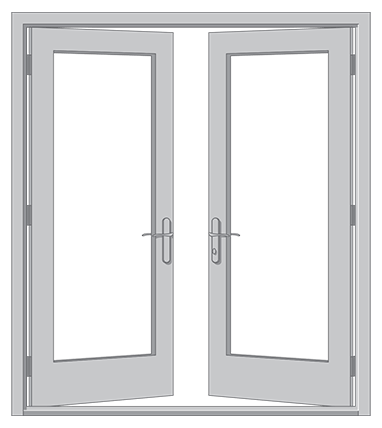
Get protection from hurricanes, intruders and high energy bills with a CWS vinyl impact French…
View Product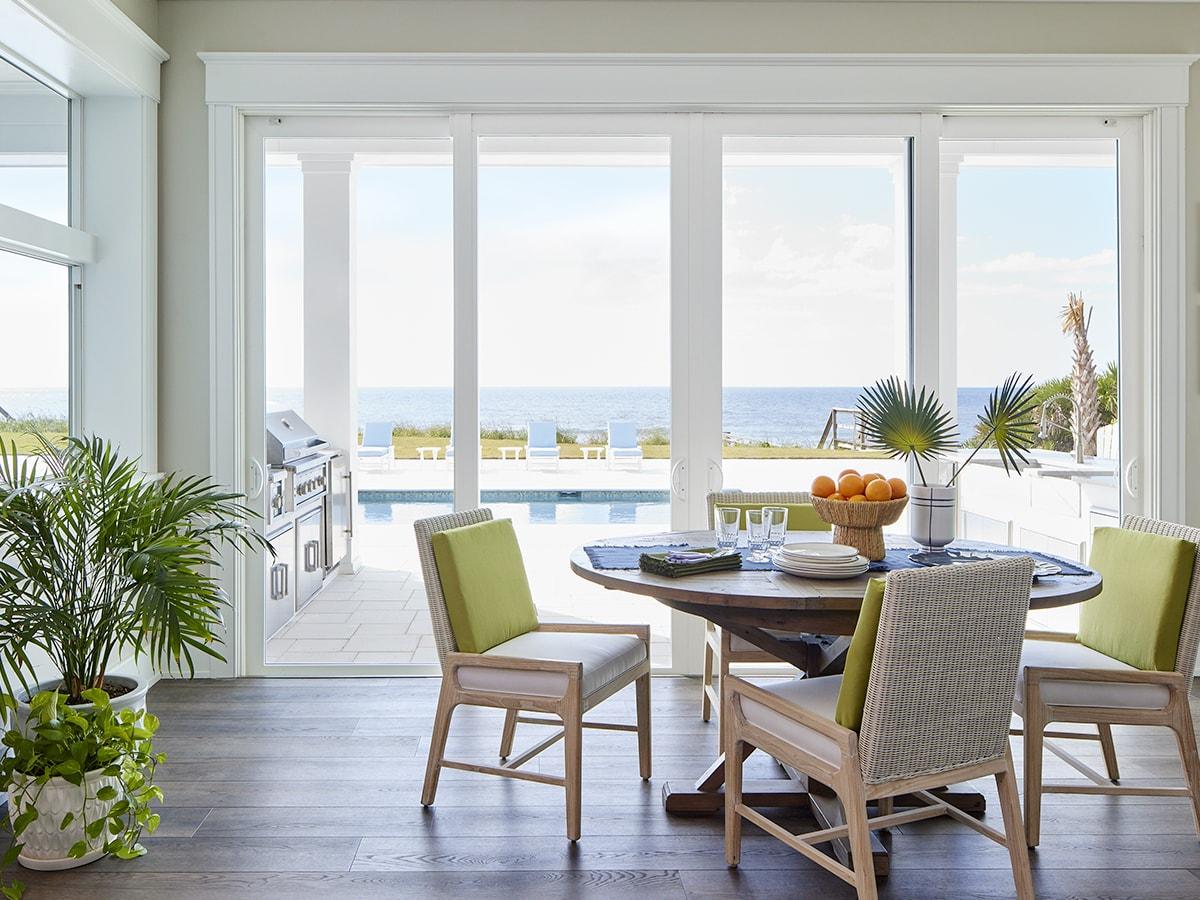
Gliding horizontally along a track, CWS WindPact vinyl impact sliding patio doors protect homes from…
View Product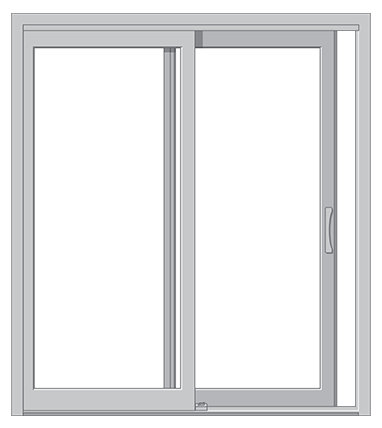
Gain peace of mind with a CWS sliding patio door. This strong and durable sliding…
View Product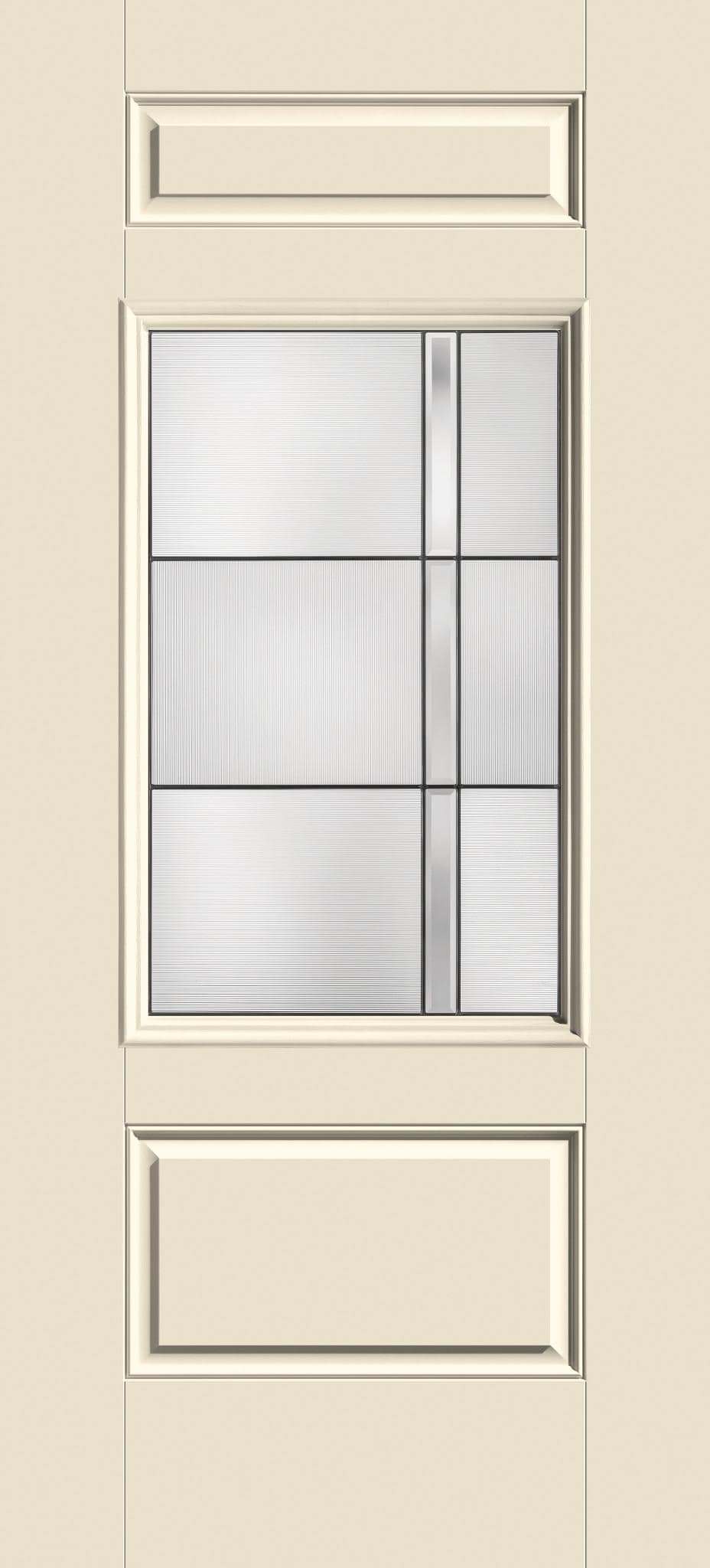
Looking to add a splash of color to your entryway? The Half Lite 1 Panel…
View Product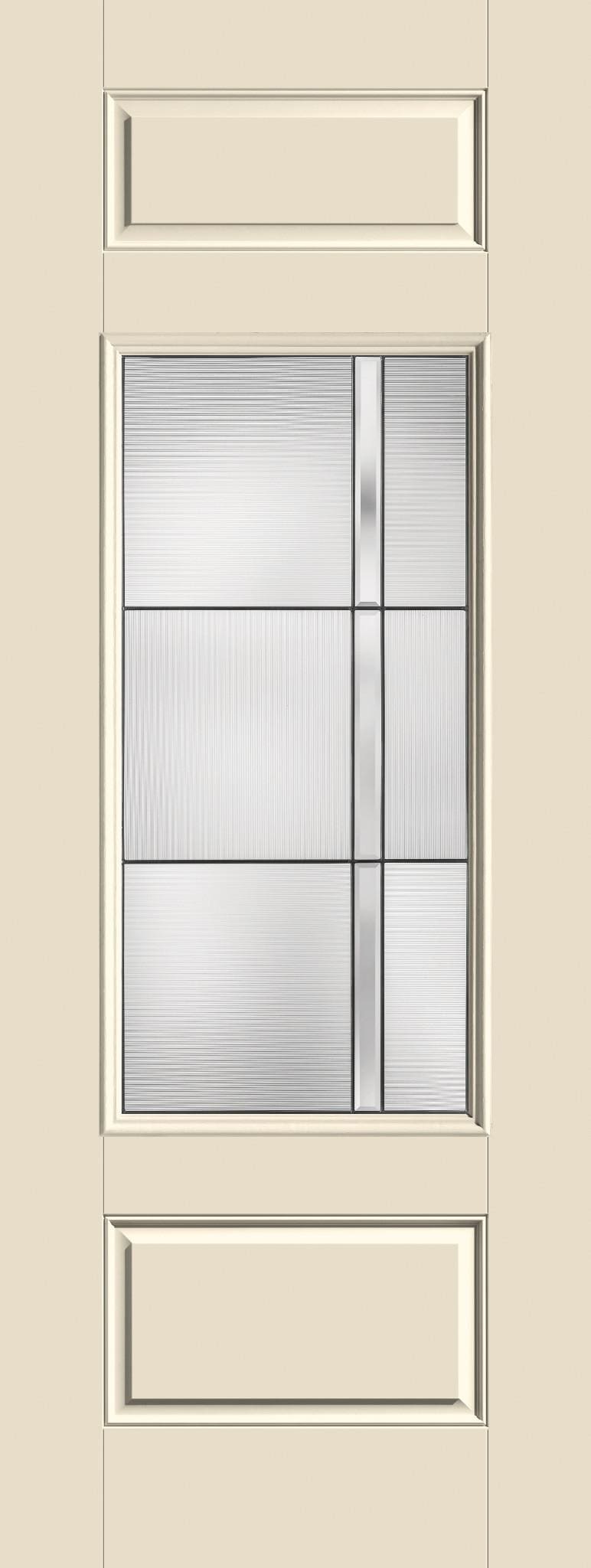
Looking to add a splash of color to your entryway? The 8' Half Lite 1…
View Product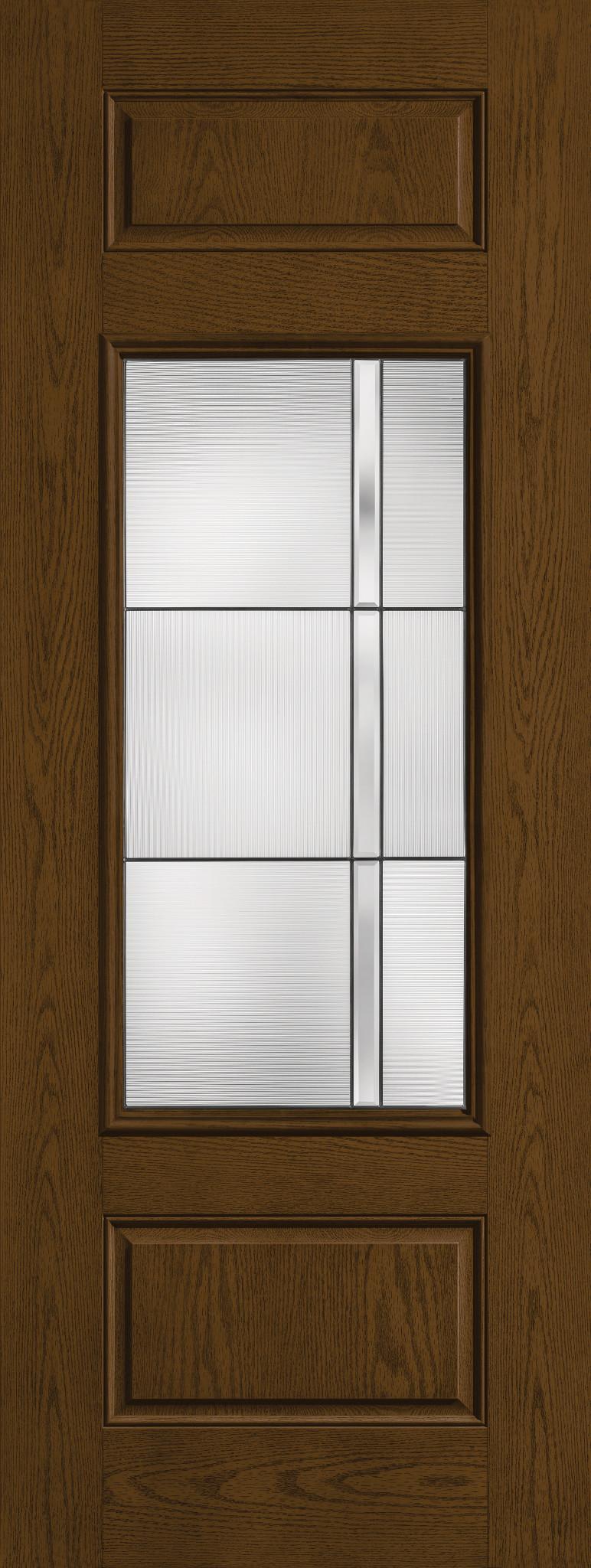
The 8' Half Lite 1 Panel Top and Bottom is the door that started the…
View ProductDon't leave your home's storm protection and energy efficiency to chance. Contact our professional team today for a flawless, code-compliant glass and door installation.