
8414 Sabal Industrial Blvd, Tampa, FL 33619
Hurricane Strong. STH Strong
Mon – Fri 8:00AM – 5:00 PM / Sat-Sun – Closed
September 16, 2026 · Reading time: ~10 min
When planning your storm door glass replacement, keep these practical rules in mind to get the most value out of your investment.
Do not cut corners on safety. Make sure any replacement glass you buy is certified safety glazing (tempered or laminated). If you live in a designated high-velocity hurricane zone (HVHZ) in the Tampa Bay area, check your local building department requirements—you may need certified impact-resistant glass to maintain your home’s wind-load rating.
If your door is shaded by a deep porch or faces north, standard tempered glass is usually fine. But if your door gets direct sun for more than three hours a day, pay the extra cost for Low-E glass. It will pay for itself in energy savings over the course of a single hot Florida summer.
If your storm door glass is cracked, foggy, or leaking heat, getting a professional Storm door glass replacement is the fastest way to restore your entryway without the massive expense of buying a completely new door. In our hot, humid Florida climate, your storm door does not just sit there looking pretty. It is your home’s first line of defense against elements that want to ruin your day—and your energy bill.
This guide is for Tampa homeowners who need to replace damaged storm door glass and want to choose the right material to lower their cooling costs, secure their entryways, and survive hurricane season. At STH Windows & Doors, we guide local homeowners through these choices daily, offering expert Entry door installation services alongside our glass options. Let’s look at what actually works for our region’s specific climate demands.
Tampa weather is brutal on exterior doors. We deal with intense afternoon sun, high humidity, salt air if you are near the bay, and sudden tropical downpours. A cheap, single-pane glass insert will turn your entryway into a greenhouse, radiating heat directly into your foyer and forcing your air conditioner to run constantly. Plus, standard glass stands no chance against flying debris during a summer storm or a major hurricane.
In 2026, energy efficiency is not just a buzzword—it is a financial necessity. With rising utility rates across Florida, every thermal leak in your home costs you money. Modern glass technology has advanced to the point where a simple storm door glass replacement can drastically reduce solar heat gain. Choosing the wrong glass means you are leaving money on the table every single month.
A storm door is meant to protect your main entry door, but it can’t do its job if the glass is compromised. Many homeowners ignore minor issues until they turn into expensive structural problems. Moisture penetration can rot wood frames or corrode metal components, turning a simple glass swap into a full door replacement.
Cracks and chips are obvious signs that you need a replacement, but blown seals are more subtle. If your storm door has double-pane insulated glass and looks permanently foggy or has water droplets trapped between the panes, the seal has failed. Once that seal blows, the insulating gas escapes, rendering the glass useless for energy efficiency. It also looks dirty, no matter how much you clean it.
Damaged glass is an active safety hazard. Standard glass breaks into large, razor-sharp shards that can easily injure children, pets, or anyone opening the door. Furthermore, a cracked pane is an open invitation for intruders. If your glass is already weakened, it takes very little force to break through it completely, leaving your main entry door vulnerable.
When it is time to replace your glass, you have three primary options. Each serves a different purpose, and choosing the right one depends on your budget, your door’s sun exposure, and your security needs.
A tempered glass storm door is the baseline standard for safety. Tempered glass undergoes a heat-treatment process that makes it roughly four times stronger than standard annealed glass. If it does break, it crumbles into small, relatively harmless pebbles instead of sharp shards. Florida building codes require safety glazing—like tempered glass—for all glass doors and sidelights.
If your front door faces west or south, you need low-E storm door glass. Low-E (low-emissivity) glass features a microscopically thin, transparent metallic coating that reflects infrared and ultraviolet light. It lets visible light through while bouncing the heat back outside. This keeps your entryway significantly cooler and prevents your interior rugs and furniture from fading under the harsh Florida sun.
For ultimate peace of mind, hurricane impact glass is the gold standard. Laminated glass consists of two layers of glass bonded together by a tough plastic interlayer (usually PVB or SentryGlas). If the glass breaks, the fragments stick to the plastic interlayer rather than flying into your home.
At STH Windows & Doors, we install heavy-duty impact systems like the FS-300 Impact Front Glazed Storefront System and the SMI-175 Impact Window Wall System for commercial and high-end residential applications. We bring that same level of engineering and wind-borne debris expertise to residential storm door glass replacement, ensuring your home’s envelope remains secure during major storms.
| Glass Type | Safety Level | Heat Rejection | Storm Protection | Relative Cost |
|---|---|---|---|---|
| Tempered Glass | High (breaks safely) | Low (standard) | Basic (wind resistant) | Budget-Friendly |
| Low-E Tempered | High (breaks safely) | Excellent (blocks UV/IR) | Basic (wind resistant) | Moderate |
| Laminated Impact | Maximum (shatterproof) | Good (reduces heat) | Excellent (hurricane rated) | Premium |
Choosing the right replacement glass means balancing performance against your budget. There is no single “best” option—only the option that fits your home’s specific exposure and your family’s safety priorities.
While tempered glass is highly impact-resistant, it still falls out of the frame when broken, leaving an open hole in your home. Laminated glass, on the other hand, stays completely intact within the frame even after taking a direct hit from flying debris or an intruder’s tool. If you live close to the coast or want an extra layer of home security, laminated glass is worth the extra investment.
Single-pane glass is lightweight and inexpensive, but it offers almost zero insulation. If your storm door protects an older, poorly insulated main door, upgrading to an insulated double-pane unit is highly recommended. Double-pane units trap a layer of air or argon gas between the glass sheets, creating a thermal barrier that blocks heat transfer much more effectively than a single pane.
Replacing storm door glass is a precise job. A poor installation leads to air leaks, rattling glass, and water intrusion that can ruin your entryway. Here is how our team at STH Windows & Doors handles a professional replacement to ensure a perfect, weather-tight seal.
The biggest mistake in DIY glass replacement is incorrect measurement. Glass must be measured to the nearest sixteenth of an inch. If it is too small, it will rattle and leak; if it is too large, it won’t fit into the frame channels. We also measure the thickness of the glass unit—especially when upgrading from single-pane to double-pane—to ensure the existing retaining strips can secure the new glass.
While some handy homeowners attempt to swap glass themselves, working with large, heavy sheets of glass is inherently risky. Professional installers have the specialized suction cups, safety gear, and commercial-grade sealants required for a clean job. Plus, professional installation ensures your door complies with the strict wind-load requirements of the Florida Building Code.
To see the real-world impact of choosing the right glass, consider a project we recently completed for a homeowner living off Bayshore Boulevard in South Tampa.
The client’s home faced directly west, meaning their front entryway was blasted by intense afternoon sun. They had an older storm door with standard, single-pane clear glass. The heat in their foyer was unbearable by 3:00 PM, and their dark-painted wood entry door was starting to peel and warp from the thermal stress. Their air conditioner was running constantly to cool the front of the house.
We performed a complete storm door glass replacement, swapping out the inefficient single-pane clear glass for a high-performance, double-pane Low-E tempered safety glass unit. Our team carefully removed the old glass, cleaned and sealed the frame channels, and installed the new energy-efficient unit with heavy-duty weatherstripping. The results were immediate and dramatic. The temperature in the foyer dropped by over 10 degrees during peak afternoon sun hours, and the home’s AC unit stopped cycling constantly. In addition to the thermal benefits, the homeowner noticed a major reduction in street noise from nearby traffic, creating a quieter and much more comfortable indoor environment.
“I used to dread the afternoon sun hitting our front door—the heat was intense. After STH Windows & Doors replaced our storm door glass with Low-E glass, the difference was night and day. The foyer stays cool, and our AC isn’t struggling anymore.”
— Sarah M., South Tampa Resident
When planning your storm door glass replacement, keep these practical rules in mind to get the most value out of your investment.
Do not cut corners on safety. Make sure any replacement glass you buy is certified safety glazing (tempered or laminated). If you live in a designated high-velocity hurricane zone (HVHZ) in the Tampa Bay area, check your local building department requirements—you may need certified impact-resistant glass to maintain your home’s wind-load rating.
If your door is shaded by a deep porch or faces north, standard tempered glass is usually fine. But if your door gets direct sun for more than three hours a day, pay the extra cost for Low-E glass. It will pay for itself in energy savings over the course of a single hot Florida summer.
You can absolutely replace just the glass insert in most storm doors. This is a highly cost-effective option that saves you the expense of buying and installing an entirely new door frame, provided your existing frame is still structurally sound and square.
Yes, Florida building codes strictly mandate safety glazing, such as tempered or laminated glass, for all glass doors. This ensures that if the glass breaks, it does not shatter into dangerous, razor-sharp shards that could cause severe injury to your family.
The cost of a storm door glass replacement in Tampa generally ranges from $150 to $450. The final price depends on the size of the door, whether you choose single-pane or insulated double-pane glass, and if you opt for high-performance Low-E or laminated impact-resistant upgrades.
Tempered glass is heat-treated to break into small, dull pebbles upon impact. Laminated glass contains a tough plastic interlayer sandwiched between two glass sheets; if broken, the glass fragments stick to the plastic, keeping the barrier intact against wind, rain, and intruders.
For a deeper look, see Custom Windows and Doors: Structural Limits of Materials.
Don’t let cracked, foggy, or inefficient glass compromise your home’s safety and energy bills. Contact our expert team in Tampa today for a professional consultation and flawless storm door glass replacement.
Based on this article, here are products that might help you:
The FS-300 Maximum View is an advanced architectural solution designed to overcome the limitations of…
View Product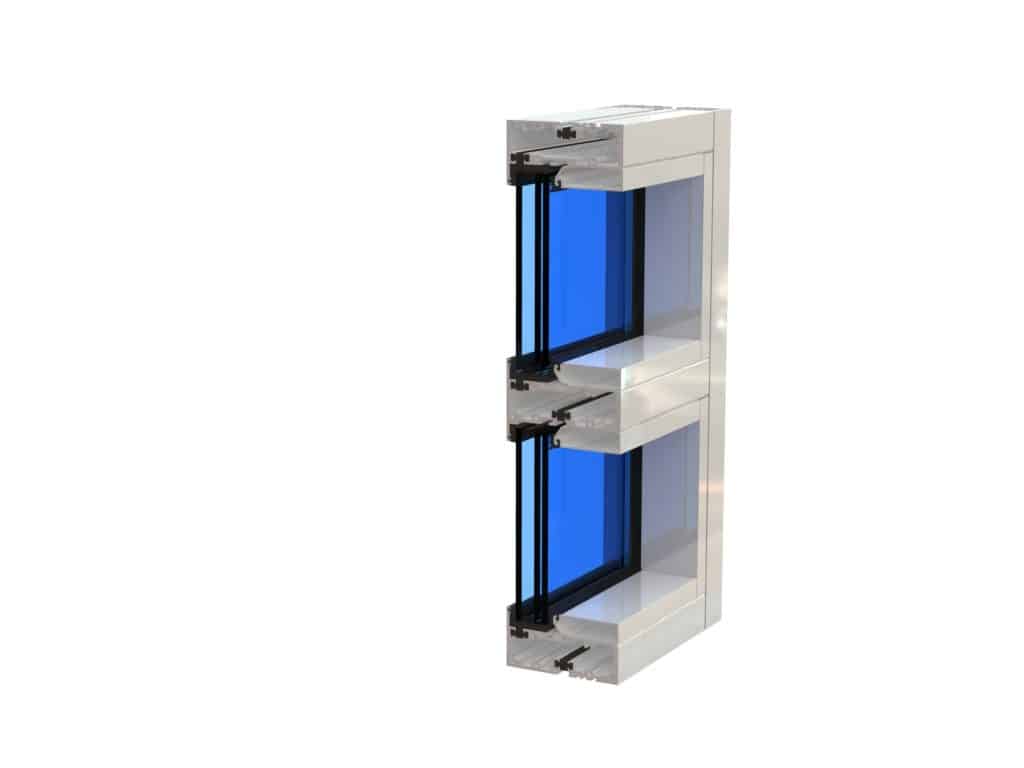
The FS-300 Series represents a significant advancement in storefront technology, developed through a collaborative effort…
View Product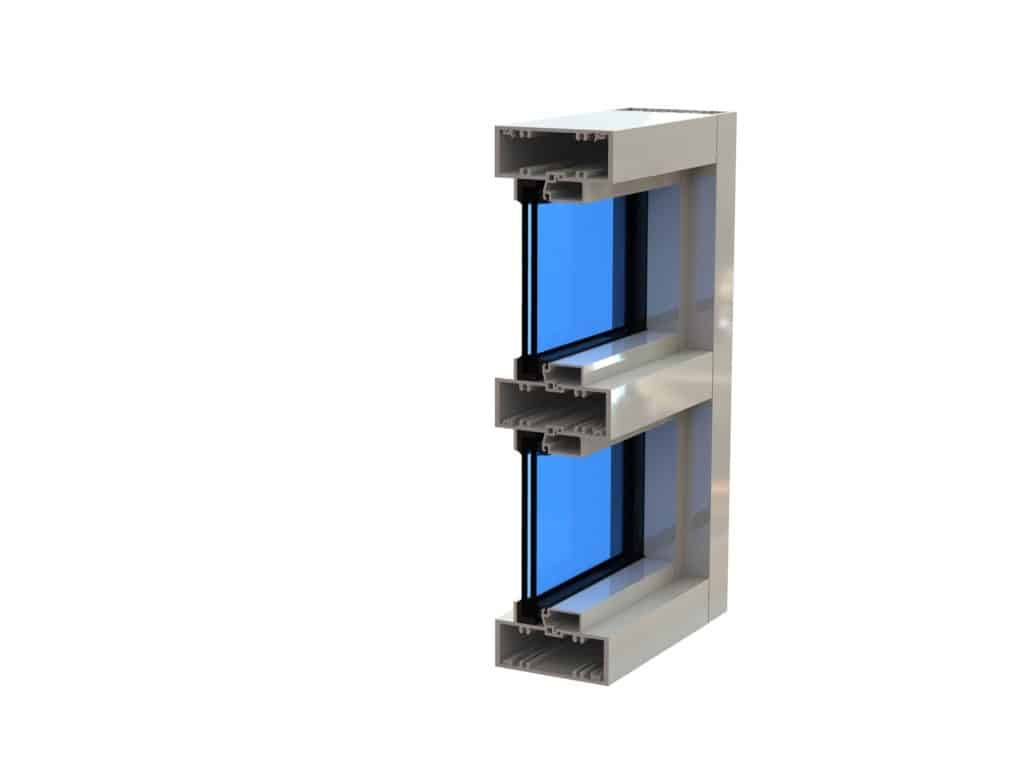
The SMI-175 Series is a robust, hurricane-resistant window wall solution designed for high-performance coastal applications….
View Product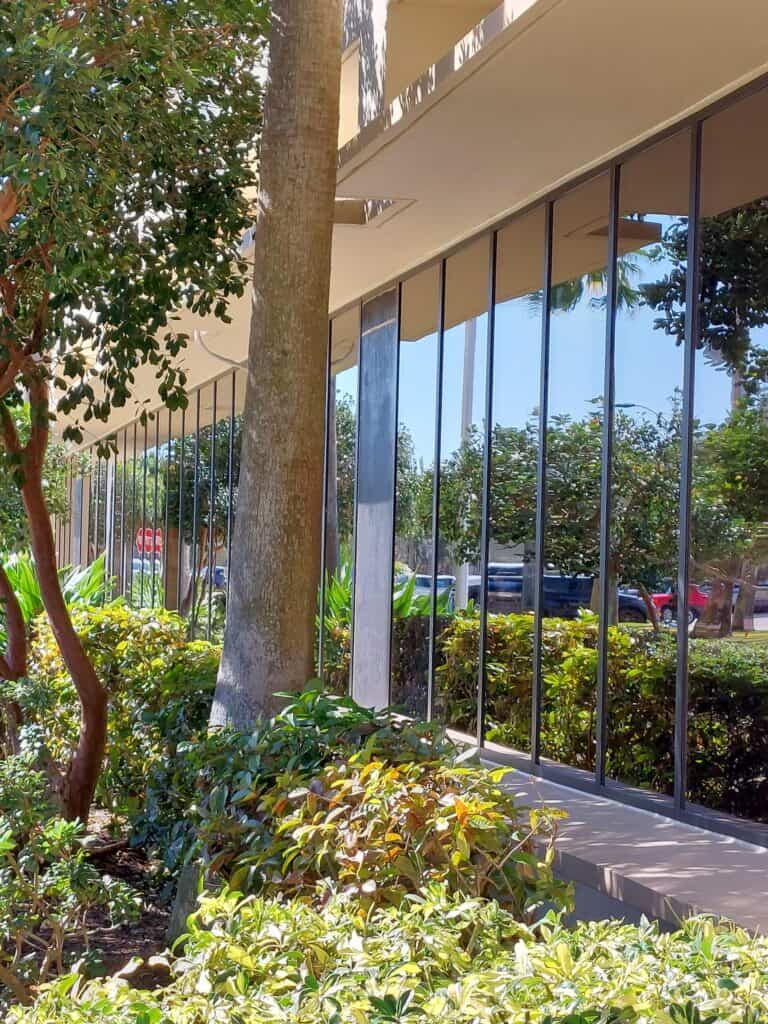
Level E Storefront System is engineered to deliver superior protection for essential facilities and buildings…
View Product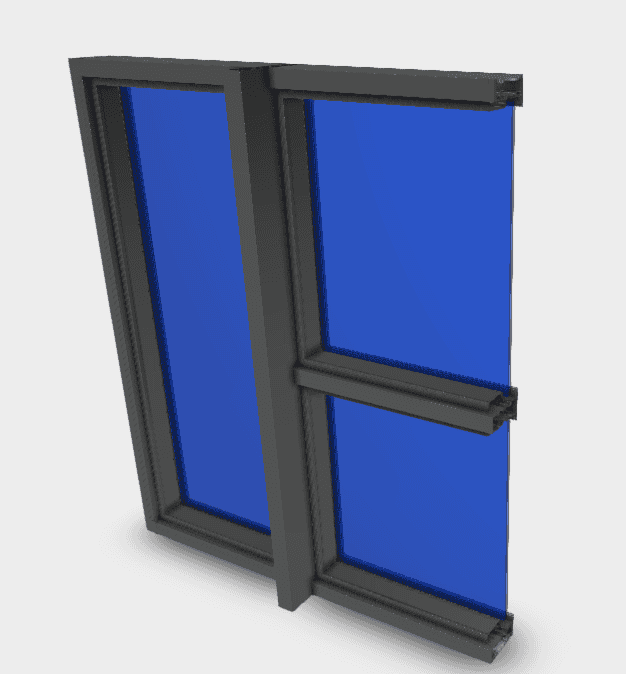
Overview The FrontSet Plus (FS-300 Series) represents the next evolution in architectural glazing solutions. Engineered…
View Product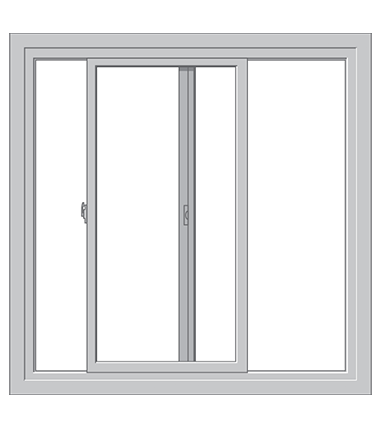
The WindPact sliding window slides open horizontally and delivers optimal ventilation in one of our…
View ProductDon't let cracked or inefficient glass compromise your home's safety and energy bills. Contact our expert team in Tampa today for a professional consultation and flawless storm door glass replacement.