
8414 Sabal Industrial Blvd, Tampa, FL 33619
Hurricane Strong. STH Strong
Mon – Fri 8:00AM – 5:00OM / Sat-Sun – Closed
September 29, 2026 · Reading time: ~12 min
Replacing your sliding doors is a major investment in your home’s value, security, and energy efficiency. Keep these final points in mind as you make your decision:
Vinyl and fiberglass are the clear winners for long-term durability in high humidity. If you prefer the sleek look of aluminum, ensure you invest in premium systems like the CLASSICVUE MAX or CWS Icon series that feature robust, corrosion-resistant coatings. Always opt for impact-resistant glass to protect your home from hurricanes and to maximize your energy savings.
Even the most expensive, high-tech sliding door will leak and fail if it is not installed correctly. Proper flashing, sealing, and squaring are critical to ensuring the door remains watertight and operates smoothly. At STH Windows & Doors, our team understands the strict requirements of the Florida Building Code and the unique challenges of installing doors in Tampa. We make sure your investment is installed perfectly to protect your home for decades to come.
If you are shopping for Sliding doors in Tampa, the absolute best materials to combat our extreme humidity are high-grade vinyl and fiberglass. These materials do not warp, rot, swell, or corrode when exposed to constant moisture and coastal salt air. While aluminum is incredibly strong and allows for massive glass panes, it requires specialized marine-grade coatings to survive near the bay. Natural wood, on the other hand, is a liability in Florida unless it is heavily clad in metal on the exterior. If you’re researching Sliding Doors Tampa, here’s what you need to know.
This guide is for Tampa homeowners who want to replace their sticking, drafty patio doors with high-performance systems that can withstand Hillsborough County’s relentless subtropical climate. At STH Windows & Doors, we install these systems every day, and we know exactly what works—and what fails—in our local climate.
Tampa’s combination of 74% average relative humidity, intense UV radiation, and salty coastal air will destroy sub-standard building materials faster than almost anywhere else in the country. Choosing the wrong door material is a guarantee you will be replacing it again in five years.
Living in the Tampa Bay area means enjoying beautiful waterfront views, but it also means putting up with some of the most punishing weather in the United States. Our local climate is classified as humid subtropical, which presents a unique set of challenges for residential architecture. Sliding glass doors act as giant thermal and moisture barriers in your home. If they cannot handle the environment, your indoor comfort and your energy bills will suffer.
Tampa’s average annual relative humidity hovers around 74%, often peaking much higher during the sticky summer months. When you combine this relentless moisture with the salt-laden air blowing off Tampa Bay and the Gulf of Mexico, you get a highly corrosive environment. Salt air acts as an electrolyte, accelerating the oxidation of metals and finding its way into the smallest microscopic cracks in paint or protective coatings. Standard hardware and poorly treated frames will rust, pit, and degrade within just a few seasons of exposure.
Go into any older home in South Tampa or Carrollwood, and you are likely to find a sliding door that is incredibly difficult to open. Cheap builder-grade doors fail because they are not engineered for high-moisture environments. Wood doors absorb water and swell, causing them to jam in their tracks. Cheap metal rollers rust solid, turning a sliding door into a stationary wall. Furthermore, high humidity combined with intense solar heat causes poor-quality vinyl to warp, which ruins the perimeter seals and allows humid air and water to leak directly into your living room.
When selecting a replacement door, you need to look at the frame material first. The frame holds the heavy glass panels, houses the track system, and bears the brunt of the weather. Here is how the primary door materials perform in our climate.
Vinyl is one of the most popular choices for Florida homes, and for good reason. Modern, high-quality vinyl is completely impervious to moisture. It will never rot, rust, pit, or corrode, even if your home sits directly on the salt water in Apollo Beach. It is also an excellent insulator, helping to keep your air conditioning inside where it belongs.
For homeowners looking for ultimate storm protection along with moisture resistance, we highly recommend the CWS® WINDPACT Vinyl Sliding Patio Door. This impact-resistant system is specifically designed to glide horizontally along its track while protecting your home from strong hurricanes, high winds, and intruders. Because it is constructed from heavy-duty vinyl, it provides a highly durable, low-maintenance barrier against our daily humidity without ever needing to be painted.
If you want the absolute toughest frame material available, ENERGY STAR® rated fiberglass sliding patio doors are the gold standard. Fiberglass is made from glass fibers and resin, meaning it expands and contracts at virtually the same rate as the glass panes it holds. This stability prevents seal failures and keeps the door operating smoothly year-round.
Fiberglass does not absorb moisture, so it will never rot or swell. It can also be painted to match any aesthetic, and it can even be textured to look exactly like real wood—giving you that classic, warm look without any of the maintenance headaches that real wood brings to a humid climate.
Aluminum is incredibly strong, which allows manufacturers to build doors with very narrow frames and massive pieces of glass. This is ideal for maximizing those gorgeous Tampa Bay views. However, raw aluminum will corrode in salt air. To prevent this, high-quality aluminum doors use marine-grade powder coatings or anodized finishes to seal the metal away from the elements.
We offer several excellent aluminum options depending on your specific needs:
Pure wood sliding doors are generally a bad idea in Tampa’s climate because they require constant painting, sealing, and scraping to prevent rot and swelling. However, if you absolutely love the look of real wood inside your home, wood-clad doors offer a viable compromise. These systems feature a real wood interior frame for interior beauty, but the entire exterior is clad in heavy-duty, low-maintenance aluminum or vinyl to shield the wood from rain, humidity, and UV rays.
To help you weigh your options, let’s look at how these materials compare across the most critical performance metrics for our region.
| Material | Moisture Resistance | Salt Air Corrosion Resistance | Thermal Insulation | Structural Strength |
|---|---|---|---|---|
| Vinyl (e.g., CWS WindPact) | Excellent (Impervious) | Excellent (No corrosion) | Excellent | Good (Needs steel reinforcement) |
| Fiberglass | Excellent (Impervious) | Excellent (No corrosion) | Excellent | Excellent (Very rigid) |
| Aluminum (e.g., CWS Icon) | Good (Corrosion-resistant if coated) | Moderate to Good (Requires marine-grade finish) | Moderate (Needs thermal breaks) | Excellent (Best for large spans) |
| Wood-Clad | Moderate (Exterior is protected; interior vulnerable) | Moderate (Depends on exterior cladding) | Good | Good |
In Tampa, daily temperature and humidity swings can cause materials to expand and contract rapidly. Wood swells when wet and shrinks when dry, which ruins the alignment of the door. Vinyl and fiberglass remain incredibly stable. Because fiberglass does not move with temperature changes, it keeps its factory shape perfectly, ensuring the weatherstripping always makes tight contact with the frame.
If you live near Bayshore Boulevard, Davis Islands, or any of our local beaches, salt spray is your number one enemy. Vinyl and fiberglass are completely unaffected by salt. Aluminum doors are highly resistant *only* if they feature high-quality finishes, like those found on the CLASSICVUE MAX or CWS Icon series. Avoid cheap, untreated aluminum doors at all costs, as they will quickly develop white, powdery oxidation that ruins the metal.
Our summers are hot, and our air conditioners run constantly. Choosing a material with good thermal performance is critical. Vinyl and fiberglass do not conduct heat, making them excellent insulators. Aluminum is a natural conductor of heat, but modern systems solve this by incorporating a “thermal break”—a non-conductive barrier placed inside the frame that stops heat from transferring from the hot exterior metal to the cool interior metal.
In Florida, high humidity is only half the battle. Your sliding doors must also be engineered to withstand the extreme pressures and flying debris of hurricane season.
According to the Florida Building Code, homes located in wind-borne debris regions—which includes the entire Tampa Bay area—must have wind-borne debris protection. This means you either need heavy-duty hurricane shutters or, far more conveniently, impact-rated sliding glass doors. Impact glass consists of two panes of glass bonded together by a tough, shatter-proof interlayer. If a flying tree branch strikes the door, the outer glass may crack, but the interlayer keeps the envelope of your home sealed, preventing catastrophic wind damage and water intrusion.
A sliding door is only as good as its seals. Look for doors that feature multi-layered weatherstripping with fin seals to block out wind-driven rain. Additionally, because sliding doors sit in a track, they must have an engineered drainage system. High-performance tracks feature built-in “weep holes” that allow water that collects in the track to drain out to the exterior of your home rather than overflowing onto your hardwood or tile floors during a heavy summer downpour.
Even the best sliding doors will fail prematurely if they are neglected. Use this simple maintenance checklist twice a year to keep your doors operating like new.
To see how these choices play out in real life, consider a home we recently worked on in South Tampa, situated right off the open water. The homeowners had beautiful, old-school wood-framed sliding doors that looked great but had become a nightmare to live with.
Because of the home’s proximity to the water, the humidity and salt spray were constant. The wood frames had absorbed moisture over the years, swelling to the point where opening the doors required two hands and a lot of muscle. The glass seals had also failed, leading to foggy, condensation-filled panes that ruined their waterfront views. Their electric bills during July and August were astronomical because hot air was constantly leaking in around the warped frames.
We replaced their failing wood doors with the CWS® WINDPACT Vinyl Sliding Patio Door featuring impact-resistant, low-E glass. The transformation was immediate. The homeowners went from struggling to open their doors to sliding them open with a single finger. The high-performance vinyl frame completely eliminated the swelling and sticking issues, and the impact-resistant glass gave them peace of mind during storm season. As an added bonus, their monthly cooling costs dropped significantly because the new doors sealed out the hot, humid Florida air.
Replacing your sliding doors is a major investment in your home’s value, security, and energy efficiency. Keep these final points in mind as you make your decision:
Vinyl and fiberglass are the clear winners for long-term durability in high humidity. If you prefer the sleek look of aluminum, ensure you invest in premium systems like the CLASSICVUE MAX or CWS Icon series that feature robust, corrosion-resistant coatings. Always opt for impact-resistant glass to protect your home from hurricanes and to maximize your energy savings.
Even the most expensive, high-tech sliding door will leak and fail if it is not installed correctly. Proper flashing, sealing, and squaring are critical to ensuring the door remains watertight and operates smoothly. At STH Windows & Doors, our team understands the strict requirements of the Florida Building Code and the unique challenges of installing doors in Tampa. We make sure your investment is installed perfectly to protect your home for decades to come.
Fiberglass and high-quality vinyl are the best materials because they do not warp, rust, rot, or corrode when exposed to constant moisture and salt air. These materials maintain their shape perfectly, ensuring tight seals and smooth operation even during our humid summers.
Yes, according to the Florida Building Code, homes in Tampa’s wind-borne debris region require impact-rated glass or approved storm shutters. Installing impact-resistant doors is the most convenient way to protect your home from hurricane-force winds and flying debris.
Regularly vacuum debris from the tracks, clean them with mild soap and water, and apply a dry silicone-based lubricant. Avoid oil-based lubricants like WD-40, which attract dirt, sand, and salt, creating a grinding paste that destroys the rollers.
High-quality, UV-resistant vinyl sliding doors installed in Florida typically last between 20 to 30 years with minimal maintenance. Their long lifespan makes them one of the most cost-effective options for homeowners looking to combat high humidity and salt air.
For a deeper look, see Sliding Patio Doors for Tampa: Energy Efficiency Guide.
Don’t let high humidity ruin your view or inflate your energy bills. Contact our expert team today for a free, in-home consultation and find the perfect weather-resistant sliding doors for your property.
Based on this article, here are products that might help you:
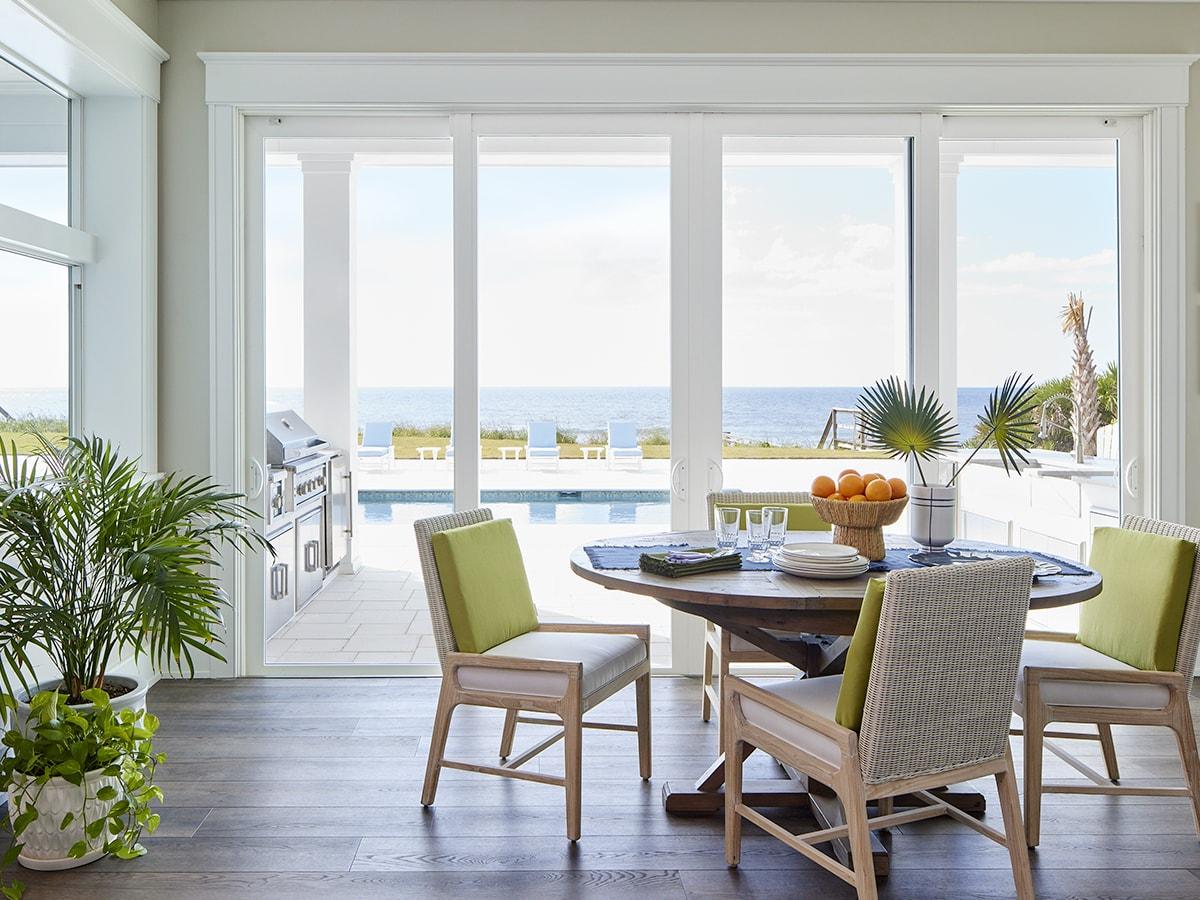
Gliding horizontally along a track, CWS WindPact vinyl impact sliding patio doors protect homes from…
View Product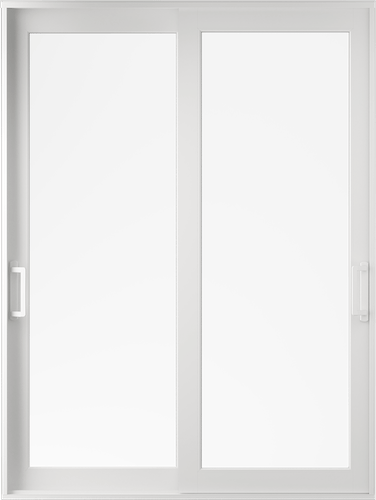
Loved for its easy operation and expanded views. Configure with up to eight panels and…
View Product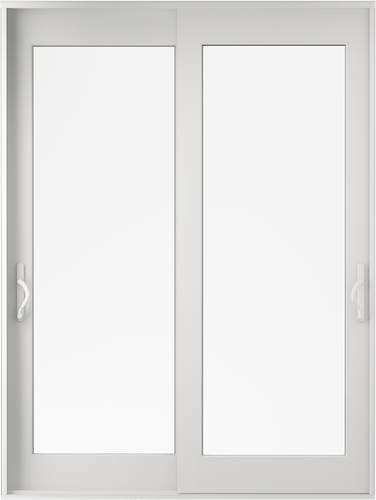
Offering expansions of up to 40 feet, this premium door provides uninterrupted views along with…
View Product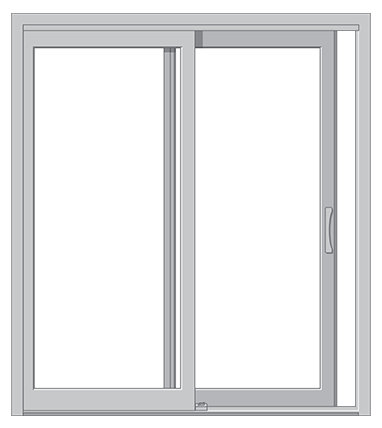
Feel safe and secure. CWS Icon aluminum impact sliding patio door feature aluminum panels and…
View ProductDon't let high humidity ruin your view or inflate your energy bills. Contact our expert team today for a free, in-home consultation and find the perfect weather-resistant sliding doors for your property.