8414 Sabal Industrial Blvd, Tampa, FL 33619
Hurricane Strong. STH Strong
Mon – Fri 8:00AM – 5:00OM / Sat-Sun – Closed
July 31, 2026 · Reading time: ~10 min
When choosing windows for your Tampa home, a one-size-fits-all approach does not work. You need to tailor your selections based on your home’s layout, orientation, and specific local microclimate.
Windows facing east and west receive the most direct, intense sunlight. For these elevations, prioritize the lowest possible SHGC and high-performance low-e glass options. For north-facing windows, which receive mostly indirect light, you can opt for higher visible light transmittance to bring more natural light into your home without worrying about excessive heat gain.
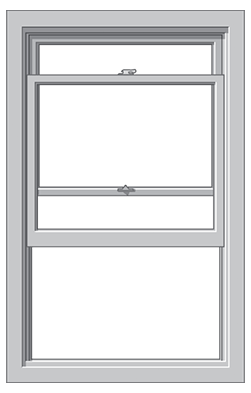
If you are looking for classic, reliable single-hung options for inland areas of Hillsborough County, non-impact options like the CWS® ARIA Vinyl Single-Hung Window provide durable, everyday performance. For coastal areas prone to high winds, upgrading to the CWS® STORMSTRONG Vinyl Single-Hung Window ensures your home is protected.
Even the most advanced window will fail if it is installed incorrectly. Water intrusion is the number one cause of window failure in Florida, and proper flashing and sealing are critical to preventing leaks during heavy summer downpours. Working with an experienced, certified local team like STH Windows & Doors ensures your investment is protected by a flawless installation that meets all local building codes.

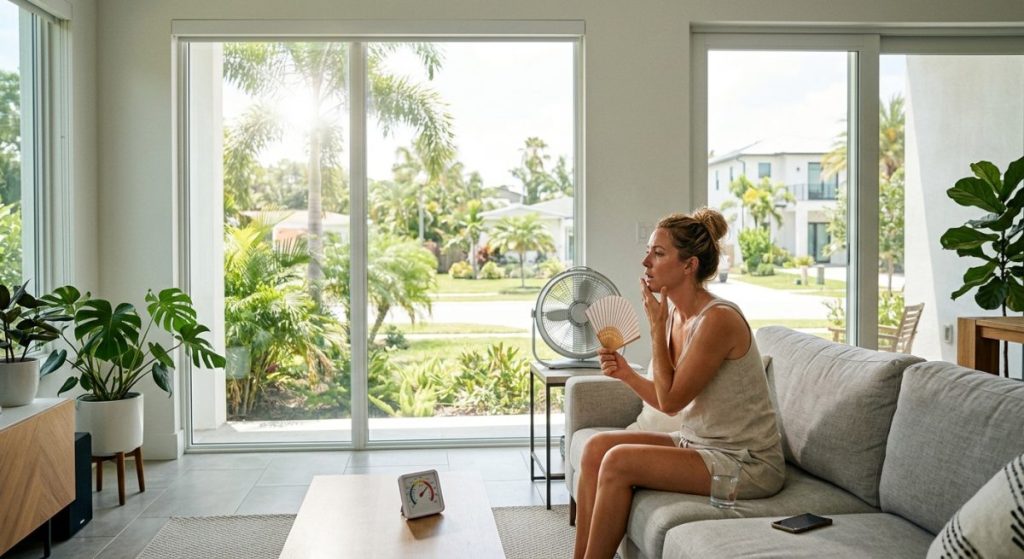
To keep a Tampa home cool without blocking your views or running up astronomical energy bills, you must stop heat before it ever crosses your threshold. The most effective way to do this is by combining advanced thermal-break aluminum frames with high-performance low-E glass. Premium Arcadia custom windows solve this problem directly, using a structural thermal barrier that isolates the blistering Florida heat from your air-conditioned interior. By preventing heat conduction through the frame, these systems keep your home comfortable even during the oppressive humidity of August.
This guide is for Tampa homeowners and custom builders who want to maximize expansive glass views without sacrificing energy efficiency or failing strict coastal building codes. If you are designing a home along Bayshore Boulevard or renovating a mid-century property in South Tampa, standard off-the-shelf windows simply cannot handle the local climate. Here is why premium engineering matters in our West-Central Florida environment.
In Florida’s Climate Zone 1, the solar heat gain coefficient (SHGC) is the most critical metric on any window’s performance label. SHGC measures how much solar radiation passes through a window. According to the U.S. Department of Energy, windows in hot climates should have an SHGC of 0.25 or lower.
Standard clear glass windows let in up to 80% of the sun’s heat. When that radiant heat hits your floors and furniture, it gets trapped inside, turning your home into a greenhouse. To combat this, high-performance glazing systems use multi-layered microscopic coatings to reflect this infrared energy away from your home while still letting natural light pour in.
Tampa’s coastal air is highly corrosive. Salt spray, intense ultraviolet radiation, and relentless humidity quickly expose the weaknesses in cheap window materials. Standard, low-grade vinyl frames can warp or yellow under constant sun exposure, while basic aluminum frames without thermal breaks conduct heat like a frying pan and pit when exposed to salt air.
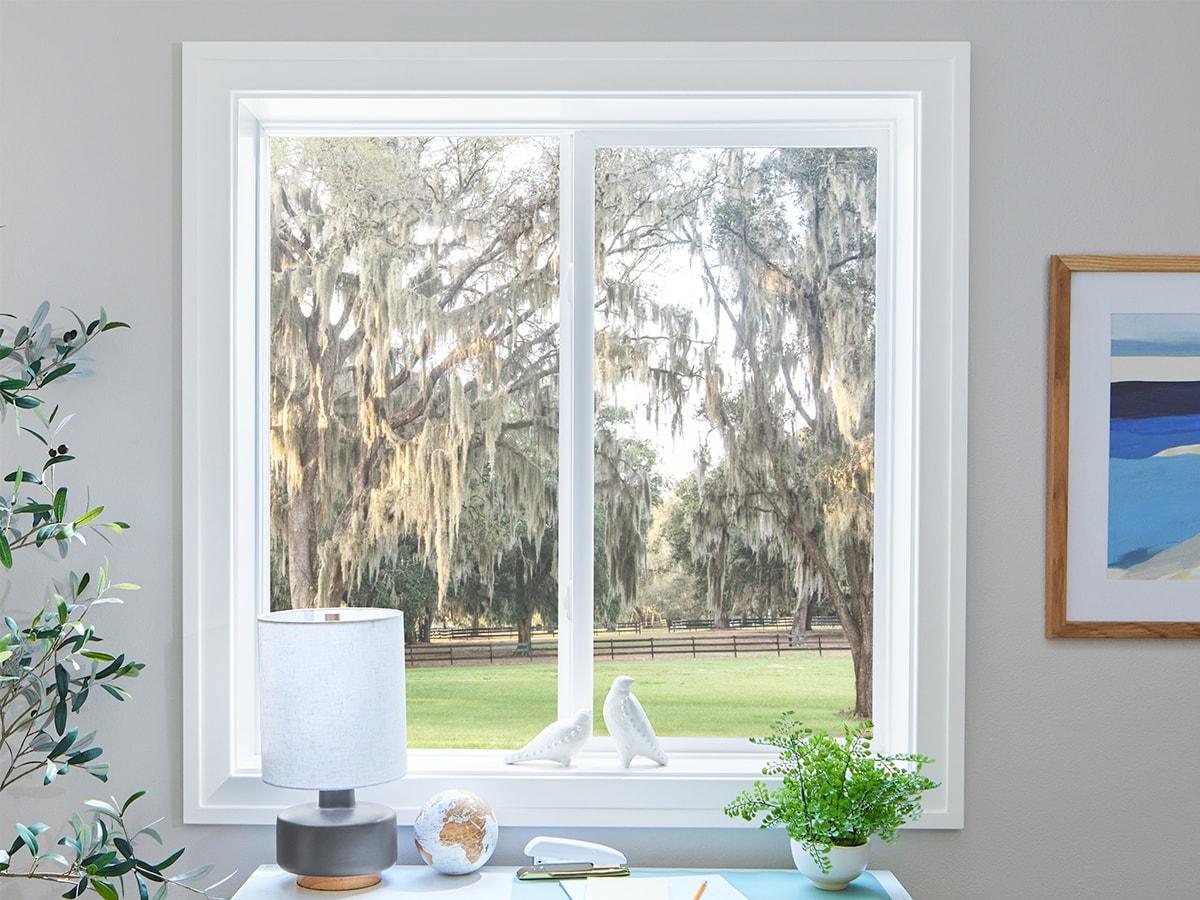
For standard-sized openings, high-quality vinyl options like the CWS® COMFORT SHIELD Vinyl Sliding Window or the CWS® COMFORT SHIELD Vinyl Picture Window offer excellent resistance to rot and coastal corrosion. However, when your architectural plans call for massive, floor-to-ceiling glass walls, you need the structural strength of structural metal. Without a thermal break, standard metal frames will sweat, corrode, and transfer heat directly into your living space, eventually causing the insulated glass seals to fail.
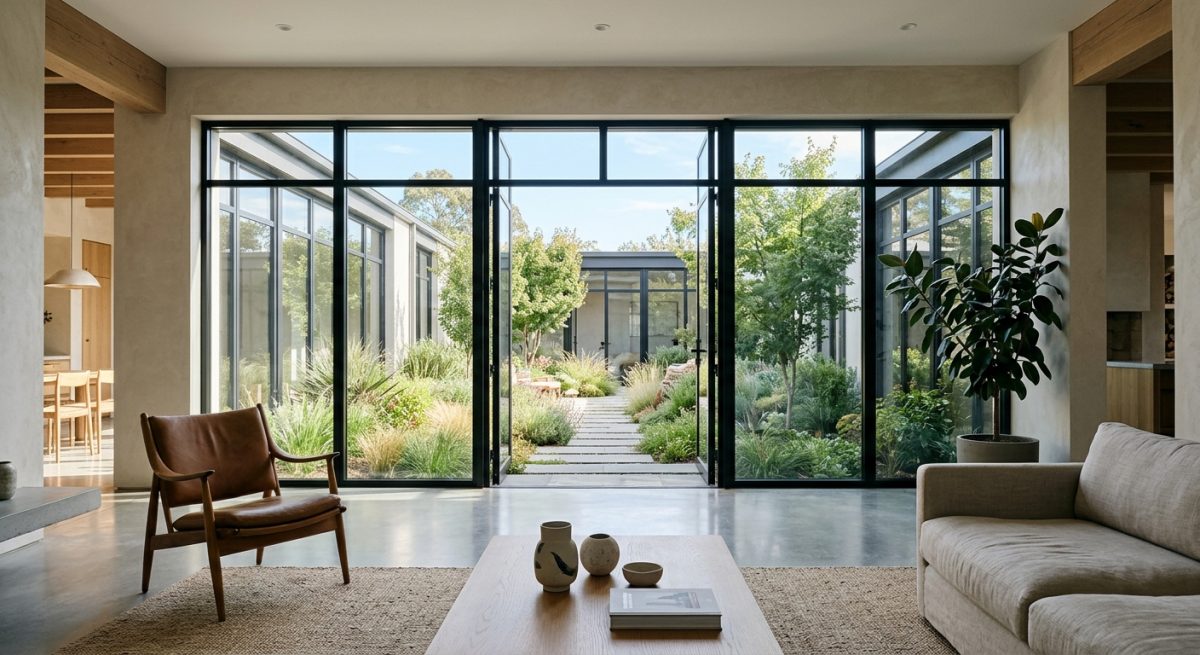
Arcadia Custom has spent decades engineering window and door systems that bridge the gap between architectural ambition and thermal reality. Their products are designed specifically to handle extreme thermal swings and high structural loads, making them a preferred choice for high-end coastal architecture in Florida.
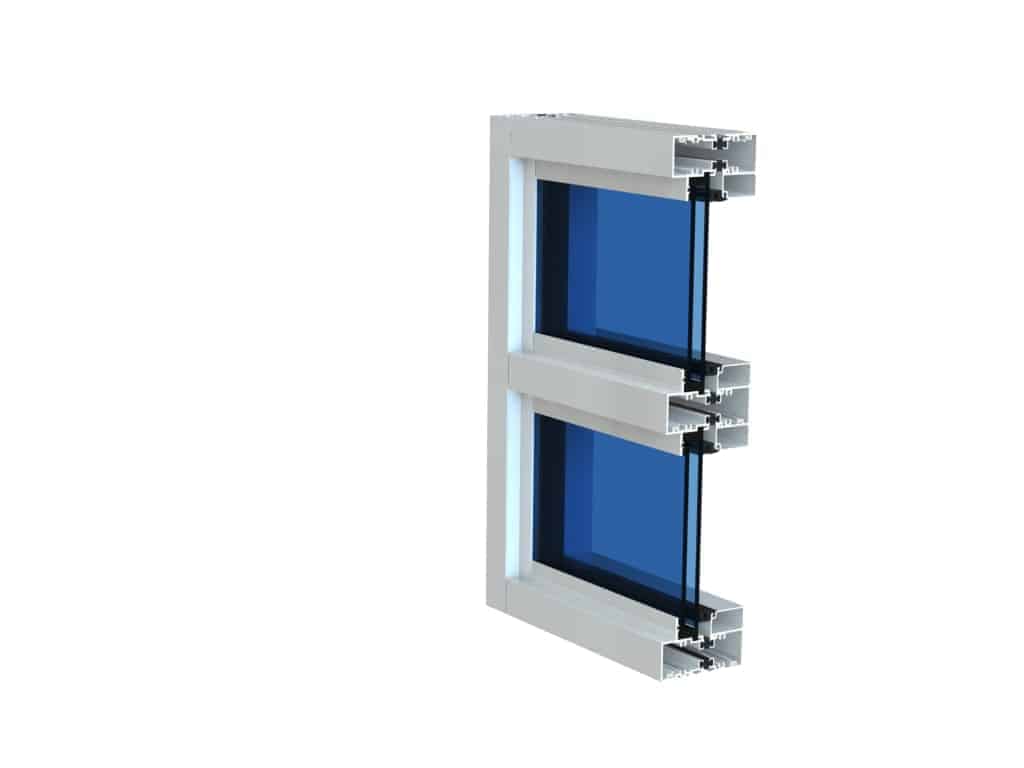
Aluminum is highly valued by architects for its strength and slim profiles, but it is naturally a terrible insulator. To solve this, arcadia custom windows utilize advanced thermal break aluminum windows. This design features a high-density, non-conductive polyamide or polyurethane barrier reinforced with fiberglass, mechanically crimped between the interior and exterior aluminum profiles.
This thermal break completely disrupts the path of heat conduction. The exterior aluminum frame can bake in the 95°F Tampa sun, but the thermal barrier prevents that heat from traveling to the interior frame. This keeps your indoor frames cool to the touch, prevents condensation from forming inside your home, and significantly reduces the load on your air conditioning system.
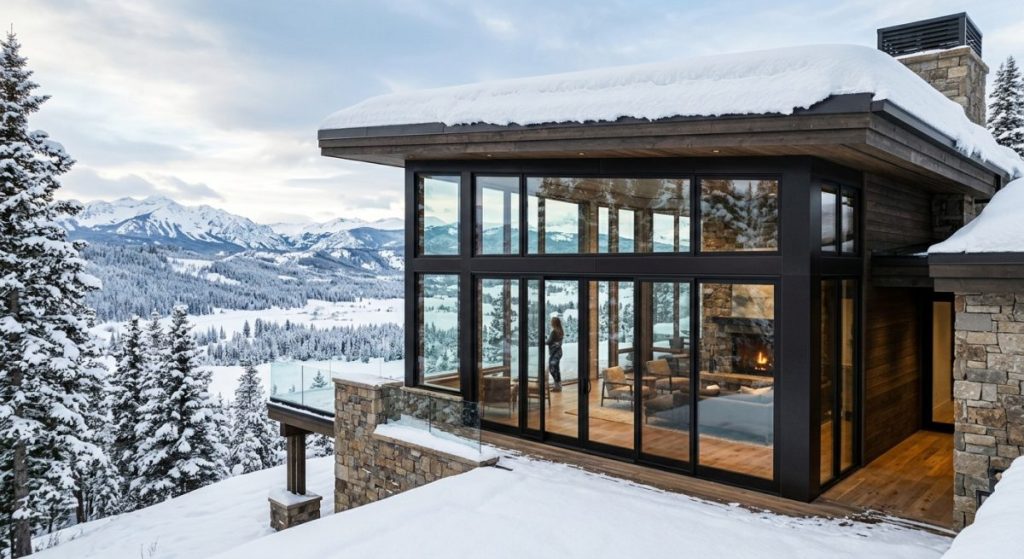
One of the main reasons custom home builders choose these systems is the strength-to-weight ratio of their frames. Because the aluminum alloy used is highly structural, the window profiles can remain incredibly slim. This allows for expansive, uninterrupted glass areas that maximize your views of Tampa Bay or your backyard pool.
Unlike bulky vinyl frames that require thick profiles to support heavy glass, these slim-profile metal frames maintain their structural shape over decades. This means you do not have to choose between a modern, minimalist aesthetic and long-term durability.
While the frame provides the structural skeleton, the glass unit makes up over 80% of the window’s surface area. To achieve true energy efficiency, you have to pair a thermally broken frame with high-performance glazing systems.
Low-emissivity (Low-E) coatings are microscopically thin, virtually invisible metal oxide layers applied directly to the glass surface. These coatings are engineered to reflect long-wave infrared heat (the heat you feel from the sun) and ultraviolet light (which fades your furniture and artwork) while allowing short-wave visible light to pass through. For Florida homes, triple-silver Low-E coatings are the gold standard, reflecting up to 95% of the sun’s heat energy away from your living space.
An Insulated Glass Unit (IGU) consists of two or three panes of glass separated by a sealed space. In premium windows, this space is filled with an inert gas—typically argon or krypton—which is much denser than air. This gas fill slows down the transfer of heat between the panes of glass.
To prevent thermal bridging at the edges of the glass, high-performance warm-edge spacers are used to seal the unit. These spacers are made of low-conductive materials rather than standard highly conductive aluminum, ensuring the perimeter of the glass remains as insulated as the center.
| Glass Configuration | U-Factor (Lower is Better) | SHGC (Lower is Better) | Visible Light Transmittance |
|---|---|---|---|
| Standard Clear Double-Pane | 0.48 | 0.70 | 81% |
| Standard Low-E with Air Fill | 0.35 | 0.30 | 70% |
| Premium Arcadia Low-E with Argon Gas | 0.28 | 0.21 | 64% |
In Tampa, energy efficiency is only half the battle. Your windows must also serve as the primary shield against high winds and flying debris during hurricane season.
Impact-rated windows use laminated glass, which consists of two panes of glass bonded together by a tough, flexible plastic interlayer (usually polyvinyl butyral, or PVB). If an object strikes the window during a storm, the outer glass may shatter, but the interlayer keeps the window sealed and intact. This prevents wind from entering the home, which can cause rapid pressurization and catastrophic roof failure.
For heavy-duty commercial or modern residential storefront designs, systems like the SMI-090 Non-Impact Pre-Glazed Storefront System or the FS-300 Maximum View Impact Storefront System provide incredible structural integrity. Arcadia’s residential lines bring that same commercial-grade engineering into ultra-slim, thermally broken home windows, giving you peace of mind without sacrificing your home’s aesthetic.
The Florida Building Code mandates that homes in the Wind-Borne Debris Region (WBDR) must have impact-resistant windows or approved shutter systems. Because Tampa sits squarely in this high-risk zone, installing certified impact-rated windows is often a legal requirement for new construction and major renovations. Arcadia’s impact-rated product lines are engineered and tested to meet these stringent structural standards, ensuring your home remains secure during major weather events.
Investing in custom architectural windows is a major decision. It is important to weigh the benefits against the practical realities of high-end custom manufacturing.
To see how these engineering principles perform in the real world, let us look at a recent project completed in South Tampa, right along the open water of Hillsboro Bay.
The homeowners designed a stunning contemporary home featuring a two-story living room with a massive wall of glass facing west over the bay. While the views were spectacular, the western afternoon sun was brutal. The home’s original single-pane wood windows leaked air, let in immense amounts of heat, and forced the homeowners to keep their blinds drawn all afternoon, completely defeating the purpose of the waterfront views.
We replaced the failing wood windows with a custom configuration of thermally broken aluminum fixed picture windows and large sliding glass doors. We selected a triple-silver Low-E coating paired with argon gas fills to maximize heat reflection.
“After the installation, the difference was immediate. We could stand right next to the glass at 4:00 PM in the middle of July and feel absolutely no radiant heat. Our monthly electric bill dropped by over 30%, and we finally threw open our blinds to enjoy the bay views we paid for.” — South Tampa Homeowner
By upgrading to these high-performance systems, the homeowners transformed their living space from a hot, uncomfortable room into a usable, light-filled oasis, all while significantly reducing their carbon footprint and energy costs.
When choosing windows for your Tampa home, a one-size-fits-all approach does not work. You need to tailor your selections based on your home’s layout, orientation, and specific local microclimate.
Windows facing east and west receive the most direct, intense sunlight. For these elevations, prioritize the lowest possible SHGC and high-performance low-e glass options. For north-facing windows, which receive mostly indirect light, you can opt for higher visible light transmittance to bring more natural light into your home without worrying about excessive heat gain.
If you are looking for classic, reliable single-hung options for inland areas of Hillsborough County, non-impact options like the CWS® ARIA Vinyl Single-Hung Window provide durable, everyday performance. For coastal areas prone to high winds, upgrading to the CWS® STORMSTRONG Vinyl Single-Hung Window ensures your home is protected.
Even the most advanced window will fail if it is installed incorrectly. Water intrusion is the number one cause of window failure in Florida, and proper flashing and sealing are critical to preventing leaks during heavy summer downpours. Working with an experienced, certified local team like STH Windows & Doors ensures your investment is protected by a flawless installation that meets all local building codes.
Yes, when configured with high-performance Low-E coatings and thermal break frames, Arcadia windows easily exceed Florida’s strict energy codes by minimizing solar heat gain. This advanced combination reflects radiant heat while keeping cold air inside your home.
Standard aluminum conducts heat directly into your home, whereas thermal break aluminum features a non-conductive barrier inside the frame that stops heat transfer completely. This barrier keeps your interior frames cool and prevents condensation from forming.
Arcadia offers specialized impact-rated product lines engineered specifically to meet and exceed Florida’s Wind-Borne Debris Region and hurricane safety standards. These systems are rigorously tested against high winds and flying debris.
Designed with high-grade anodized or powder-coated finishes, Arcadia’s aluminum and steel products are highly resistant to corrosion, salt air spray, and moisture, lasting for decades with minimal maintenance. This makes them ideal for waterfront properties in Tampa.
Beat the Florida heat and protect your home with industry-leading thermal and impact technology. Contact our local Tampa window experts today for a personalized consultation and custom quote.
Based on this article, here are products that might help you:
Sliding open horizontally, CWS Comfort Shield vinyl sliding windows deliver both convenience and comfort. Energy-efficient,…
View ProductDesigned to weather the storm, StormStrong single-hung windows have a single movable sash that slides…
View ProductOur non-impact, Aria single-hung tilt-in window offers a solution for inland applications, while providing beauty…
View ProductNon-operable, CWS Comfort Shield vinyl picture windows are strong and energy efficient. Their multichambered frames…

View ProductSystem Overview The SMI-090 Non-Impact Series redefines efficiency for aluminum storefront systems. Unlike standard options,…
View ProductThe FS-300 Maximum View is an advanced architectural solution designed to overcome the limitations of…
View ProductBeat the Florida heat and protect your home with industry-leading thermal and impact technology. Contact our local Tampa window experts today for a personalized consultation and custom quote.