
8414 Sabal Industrial Blvd, Tampa, FL 33619
Hurricane Strong. STH Strong
Mon – Fri 8:00AM – 5:00OM / Sat-Sun – Closed
August 11, 2026 · Reading time: ~10 min
Securing your home’s glass entryways requires a careful balance of aesthetic appeal, storm protection, and physical security. Here are the primary trade-offs to consider when planning your upgrade:
The Advantages:
The Disadvantages:
To secure a glass and door entryway, you must pair heavy-duty locking hardware with impact-resistant glass. A strong lock is useless if an intruder can simply smash the adjacent glass pane to reach inside and turn the latch. For maximum security, you need a multi-point locking system combined with laminated impact glass that refuses to yield under pressure.
This guide is for Tampa homeowners who want to secure their coastal properties against both break-ins and severe weather without losing their views. We see too many people install high-end smart locks on weak, single-pane glass doors, leaving their homes completely exposed. True security requires a balanced approach where the glass and the locking hardware work together as a single, unified barrier.
We all love the Florida sunshine. Large glass doors and expansive entryways are staple features in Tampa homes, letting in natural light and offering beautiful views of the bay or backyard pool. But that beautiful glass is also an invitation to intruders if it isn’t properly secured. Standard entry doors rely on the physical strength of solid wood or metal panels to resist force. When you swap those solid materials for glass, you introduce a transparent vulnerability. If your lock is within arm’s reach of a standard glass pane, a burglar only needs a brick or a hammer to bypass your entire security system in seconds.
Standard deadbolts require a deep frame to house the bolt and provide structural integrity. Most glass doors feature narrow-stile frames—meaning the vertical frame pieces flanking the glass are incredibly thin. You can’t easily install a standard residential deadbolt into a narrow vinyl or aluminum frame without compromising the door’s structure. If you try to force standard hardware onto these specialized frames, you end up with a weak installation that can be pried open with a simple crowbar. Glass doors require specialized hardware engineered specifically for thin profiles and heavy glass loads.
Choosing the right lock depends entirely on the style of your door and the level of security you need. You can’t use the same lock on a sliding patio door that you would use on a front entry door with glass inserts. Let’s break down the primary locking mechanisms designed specifically for glass and door combinations.
A mortise lock is carved directly into the pocket of the door frame rather than being mounted on the surface. This makes it incredibly difficult to pry open because the lock body is shielded by the metal or vinyl frame itself. For narrow-stile glass doors, mortise locks are the industry standard. They utilize a hook-bolt or swing-bolt mechanism that deadlocks into the strike plate, providing heavy-duty resistance against forced entry. If you have a modern glass entry door, a high-quality mortise lock is your first line of defense.
Smart locks offer incredible convenience, but finding one that fits a glass door can be tricky. Standard smart locks are built for thick, solid wood doors. For glass doors, you must look for specialized narrow-profile smart locks. These systems allow you to monitor your entryways remotely, receive alerts when a door is unlocked, and issue temporary entry codes for house sitters or service workers. When upgrading, ensure your smart lock integrates with a heavy-duty mortise mechanism rather than a flimsy surface latch.
If you want the absolute highest level of security for a glass door, a multi-point locking system is the only real choice. Instead of securing the door at a single point in the middle, a multi-point system locks the door at three distinct locations: the top, the middle, and the bottom. This is a standard feature on high-performance coastal doors like our CWS® WINDPACT Vinyl French Patio Door. When you turn the key or lift the handle, heavy-duty steel bolts engage into the frame at all three points, making it virtually impossible for an intruder to pry the door open at the corners.
| Lock Type | Security Level | Best Suited For | Key Benefit |
|---|---|---|---|
| Standard Mortise Lock | Medium-High | Narrow-stile glass entry doors | Fits inside the frame pocket, resisting pry attacks. |
| Multi-Point Lock | Maximum | French doors and sliding glass doors | Locks at three points simultaneously to prevent prying. |
| Double-Bolt Lock | High | Sliding glass doors | Prevents the door from being lifted off its tracks. |
| Narrow-Stile Smart Lock | Medium | Modern glass entryways | Offers remote monitoring and keyless convenience. |
A high-security lock is only as strong as the glass surrounding it. If you pair a heavy-duty multi-point lock with cheap, single-pane glass, you haven’t secured your home; you’ve just given an intruder a slightly louder entry path. To truly secure your home, you must understand how different glass types interact with your locking hardware.
Many homeowners confuse tempered glass with security glass. Tempered glass is safety glass designed to break into tiny, blunt pebbles instead of sharp shards. While this prevents severe injury, it does absolutely nothing to stop a burglar. One quick strike with a center punch tool, and a tempered glass pane will instantly shatter and fall away, leaving a wide-open hole for an intruder to walk through.
Laminated glass, on the other hand, is true security glass. It consists of two panes of glass bonded to a tough polyvinyl butyral (PVB) interlayer. When struck, the glass will crack, but the interlayer holds the fragments firmly in place. It acts like a car windshield. An intruder can hit it repeatedly with a baseball bat or a crowbar, and it will only spiderweb—it won’t break open.
“Laminated impact glass doesn’t just protect your home from 140-mph hurricane debris; it acts as an active, 24/7 deterrent against forced entry. Most burglars will give up after 10 seconds of noisy, unsuccessful hammering.”
In Tampa, our building codes require impact-rated windows and doors to withstand severe tropical storms and hurricanes. Fortunately, the exact same technology that protects your home from flying tree branches during a storm also protects it from intruders. Products like our CWS® WINDPACT Vinyl Sliding Patio Door feature thick laminated impact glass designed to meet strict Florida building codes. When you invest in hurricane-rated doors, you are simultaneously installing commercial-grade security that makes smash-and-grab burglaries nearly impossible.
Tampa’s intense humidity, blazing heat, and salty coastal air will destroy cheap hardware in a matter of months. If you buy low-grade locks from a big-box store, you’ll quickly notice rust, pitting, and sticky mechanisms that eventually fail completely.
Salt air is highly corrosive to metals like zinc and low-grade steel. When these metals corrode, the internal springs and pins of your locks seize up, leaving your door either stuck open or impossible to unlock in an emergency. For homes in coastal areas like South Tampa, Davis Islands, or Clearwater, you must select marine-grade hardware. Look for solid brass, bronze, or 316 stainless steel finishes. These materials naturally resist the corrosive effects of salt spray and humidity, ensuring your locks operate smoothly for decades.
When shopping for locks, look for the Builders Hardware Manufacturers Association (BHMA) ratings. This grading system tells you exactly how much abuse a lock can handle:
Upgrading your entryway security doesn’t have to be an overwhelming project. By taking a systematic approach, you can identify your home’s weakest links and address them efficiently.
To understand how these elements work in the real world, let’s look at a recent project we completed for a homeowner living right on the water in South Tampa.
The homeowner had a beautiful rear patio facing the water, but it was secured by aging, single-pane aluminum sliding doors. The original single-point hook latches were severely rusted from the salt air, making them incredibly difficult to lock. Furthermore, the single-pane glass offered zero protection against storm debris or potential intruders who could easily access the backyard from the seawall.
We replaced the old, failing sliders with our CWS® WINDPACT Vinyl Sliding Patio Door. This door features heavy-duty vinyl frames that will never rust or corrode in the salt air, paired with laminated impact glass. For the locking mechanism, we integrated a multi-point system that locks the sliding panel securely into the frame at multiple points. The result was an immediate upgrade: the home is now fully protected against Category 5 hurricane winds, outside noise was reduced by more than half, and the homeowner can sleep soundly knowing the rear entry is virtually impenetrable to intruders.
Securing your home’s glass entryways requires a careful balance of aesthetic appeal, storm protection, and physical security. Here are the primary trade-offs to consider when planning your upgrade:
The Advantages:
The Disadvantages:
Can you put a smart lock on a glass door?
Yes, but you must use specialized narrow-stile smart locks designed for thin frames. Standard residential smart locks are too wide and will not fit on the narrow metal or vinyl stiles of glass doors without interfering with the glass pane itself.
What is the most secure lock for a sliding glass door?
A multi-point locking system or a heavy-duty double-bolt lock is the most secure option. These systems secure the door directly to the frame at multiple points, preventing intruders from prying the door open or lifting it off its tracks.
Does hurricane impact glass prevent break-ins?
Yes, impact glass is highly effective at preventing break-ins. While the outer glass layers may shatter under heavy impact, the tough inner PVB layer remains intact, preventing intruders from creating an opening large enough to enter the home.
How often should coastal door hardware be maintained?
In coastal environments like Tampa, you should clean and lubricate your door hardware every 3 to 6 months. Use a dry silicone spray to keep the internal mechanisms moving smoothly and prevent salt-air corrosion from seizing the lock.
For a deeper look, see Glass and Door Sizing: How to Measure Rough Openings.
Don’t compromise on style or security. Contact our Tampa window and door experts today to upgrade your entryways with storm-ready, high-security glass and hardware. Whether you need to replace aging patio sliders with our CWS® WINDPACT Vinyl Sliding Patio Door or want to upgrade your front entry with a beautiful Therma-Tru Smooth-Star door, we have the local expertise to get the job done right.
Based on this article, here are products that might help you:
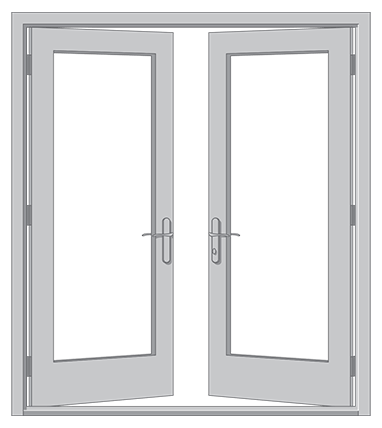
Get protection from hurricanes, intruders and high energy bills with a CWS vinyl impact French…
View Product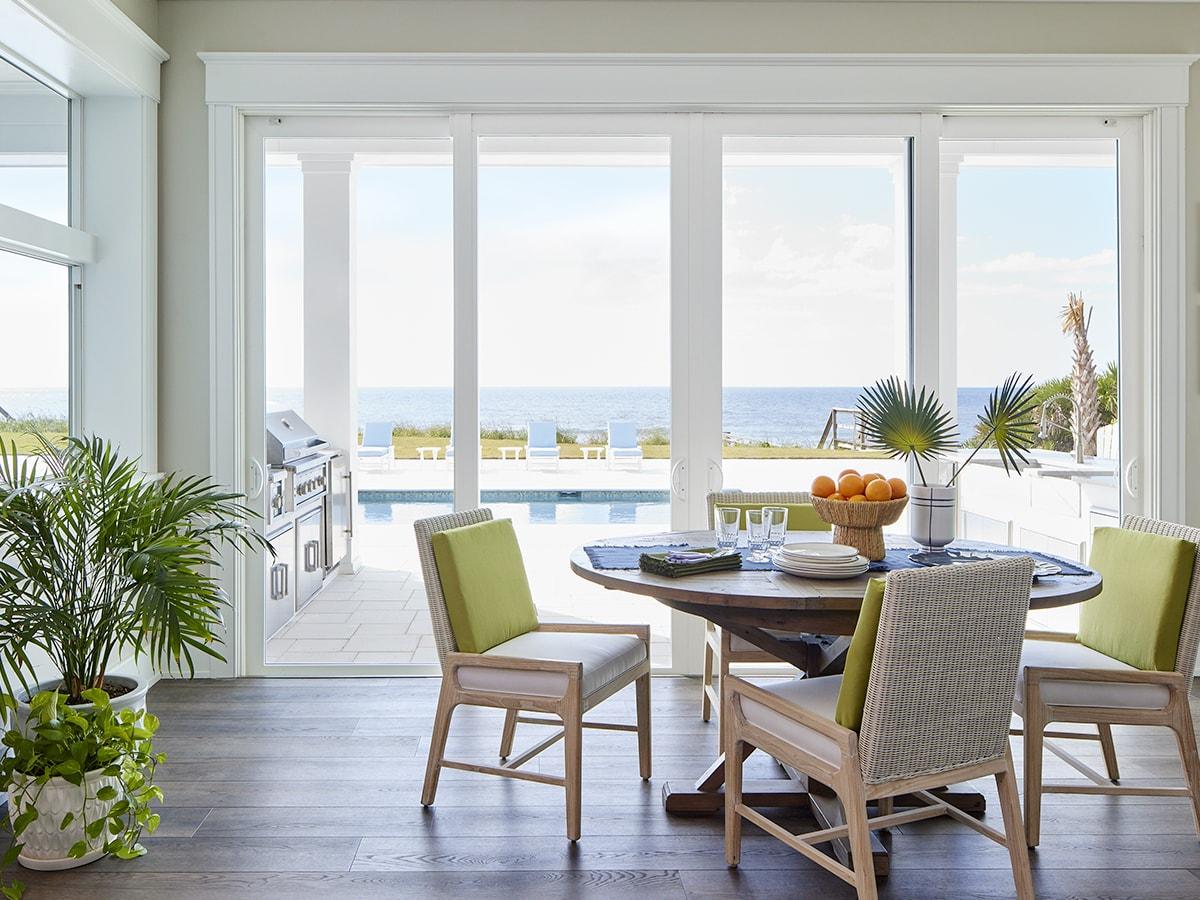
Gliding horizontally along a track, CWS WindPact vinyl impact sliding patio doors protect homes from…
View Product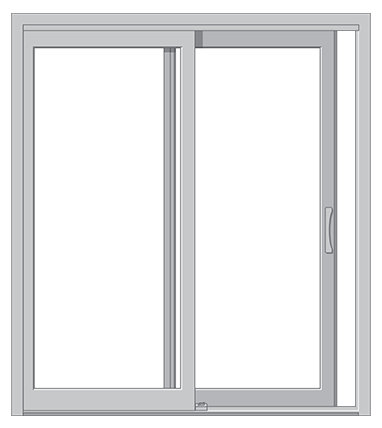
Gain peace of mind with a CWS sliding patio door. This strong and durable sliding…
View Product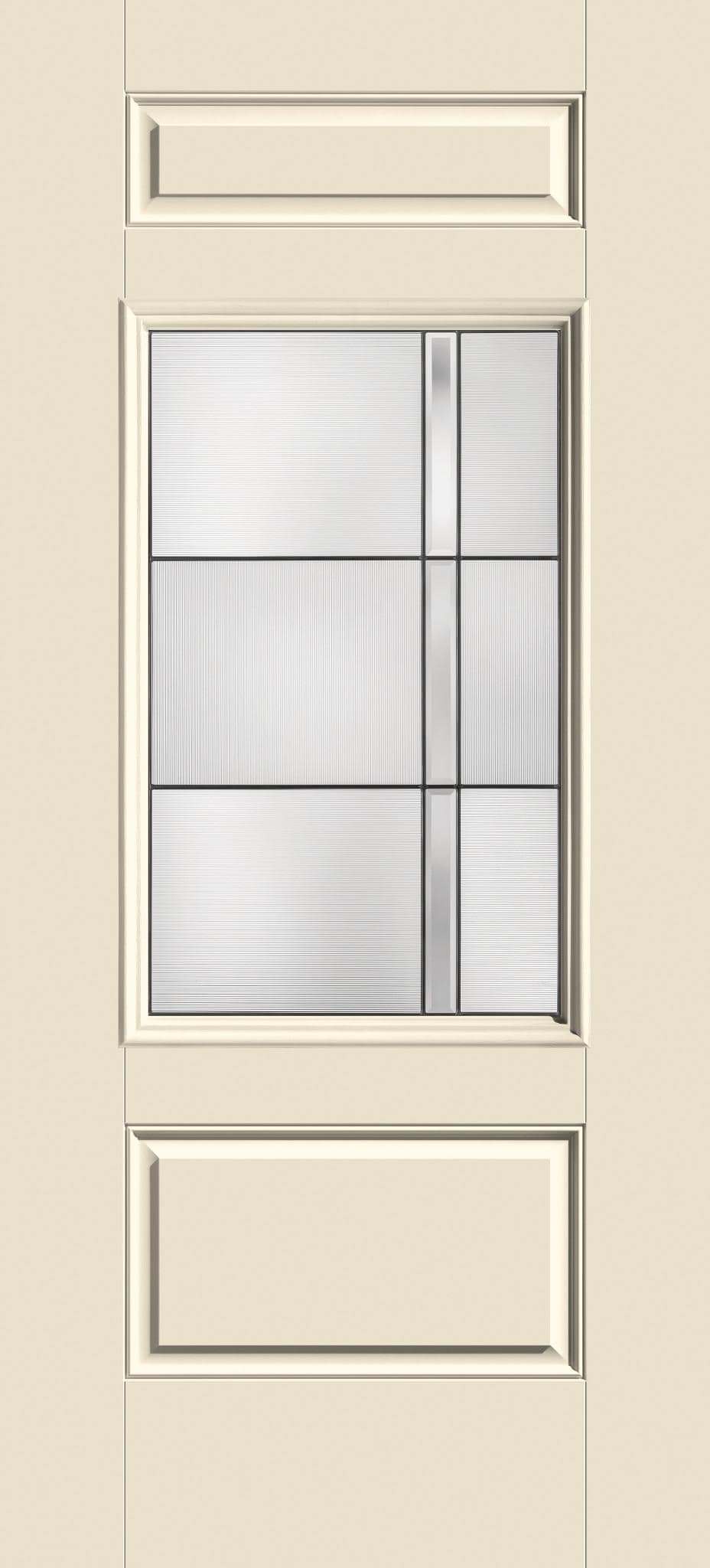
Looking to add a splash of color to your entryway? The Half Lite 1 Panel…
View Product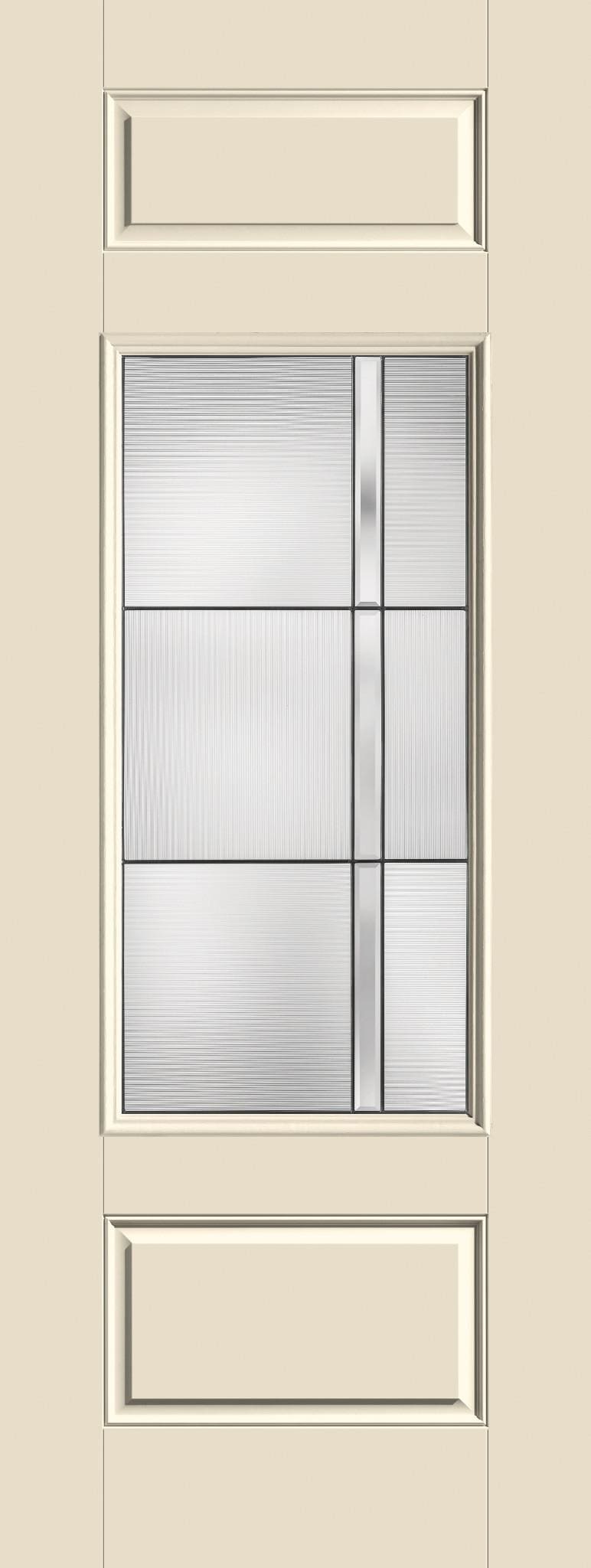
Looking to add a splash of color to your entryway? The 8' Half Lite 1…
View Product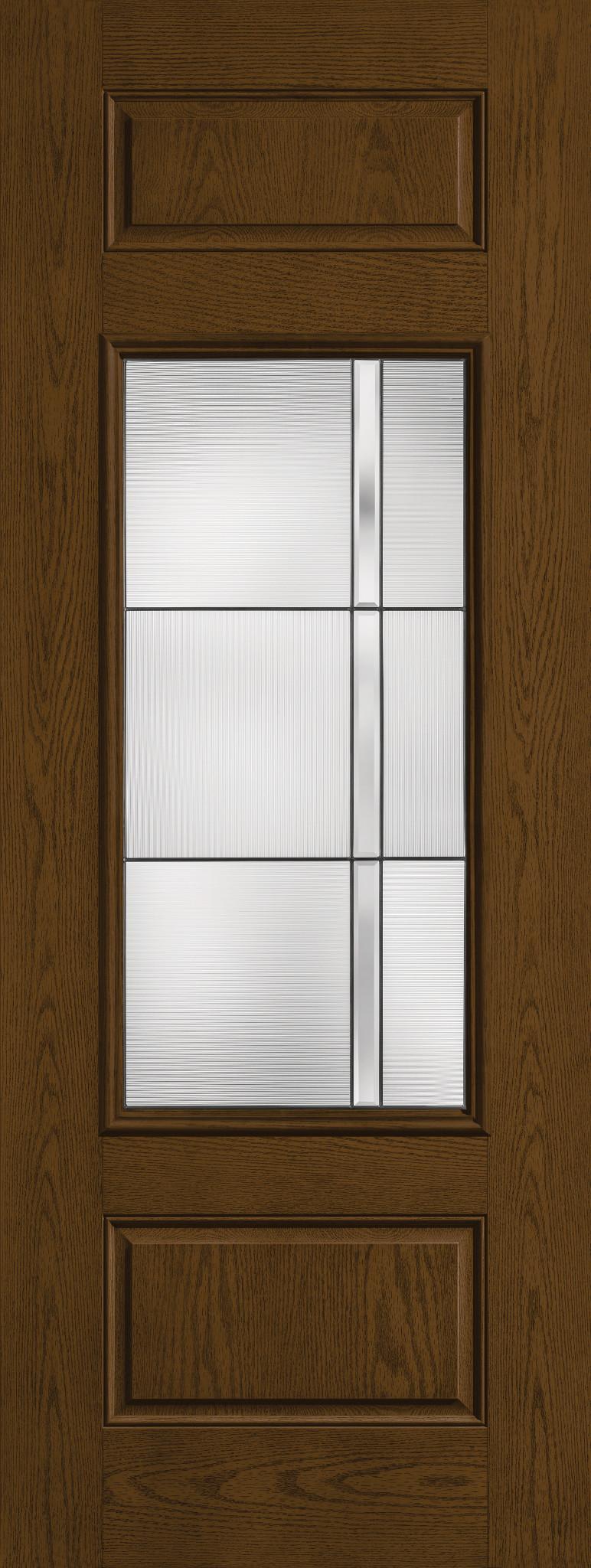
The 8' Half Lite 1 Panel Top and Bottom is the door that started the…
View ProductDon't compromise on style or security. Contact our Tampa window and door experts today to upgrade your entryways with storm-ready, high-security glass and hardware.