8414 Sabal Industrial Blvd, Tampa, FL 33619

Hurricane Strong. STH Strong

Mon – Fri 8:00AM – 5:00OM / Sat-Sun – Closed

South Coast Windows and Doors: Storm Resistance and Energy Ratings

July 8, 2026 · Reading time: ~9 min

South Coast Windows and Doors: Storm Resistance and Energy Ratings - featured image
South Coast Windows and Doors: Storm Resistance and Energy Ratings

Key Takeaways

  • South Coast Windows and Doors: Storm Resistance and Energy Ratings
  • South Coast Windows And Doors: The Reality of Gulf Coast Weather: Why Standard Fixtures Fail
  • Choosing South Coast Windows and Doors for Ultimate Storm Protection
  • Understanding Energy Ratings: Keeping the Tampa Heat Out
  • The Long-Term ROI of Upgrading Your Coastal Openings

South Coast Windows and Doors: Storm Resistance and Energy Ratings

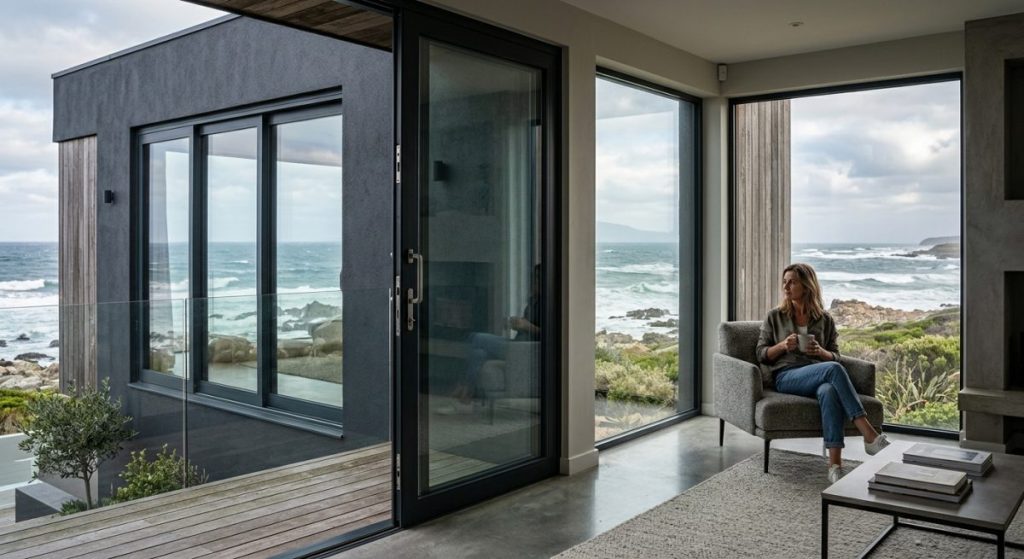
South Coast Windows And Doors - illustration
South Coast Windows And Doors

To protect your home from Category 4 hurricanes while keeping your cooling bills low, you need openings engineered specifically for the Florida climate. Installing high-quality South coast windows and doors with impact-resistant laminated glass and low solar heat gain coatings is the single most effective way to secure your home envelope and slash air conditioning costs by up to 15%. This guide is for Tampa Bay homeowners who want to eliminate the hassle of hurricane shutters, lower their property insurance premiums, and keep the intense Florida heat outside where it belongs.

As local window and door specialists operating right here in Tampa, we see the damage that sub-par materials suffer every single year. Choosing the right products is not just about aesthetics; it is about structural survival and thermal performance. Let us look at what makes coastal openings different and how to choose the right setup for your home.
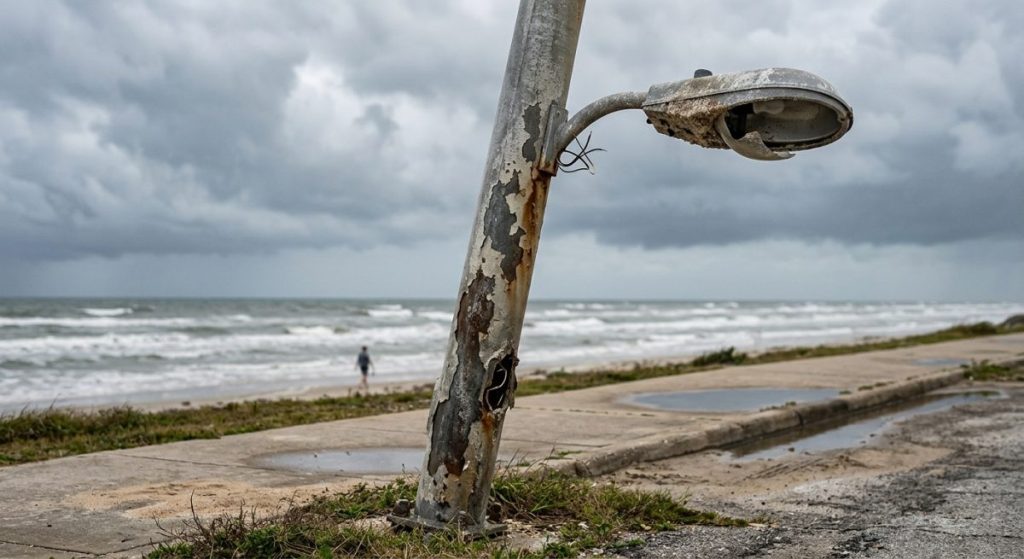
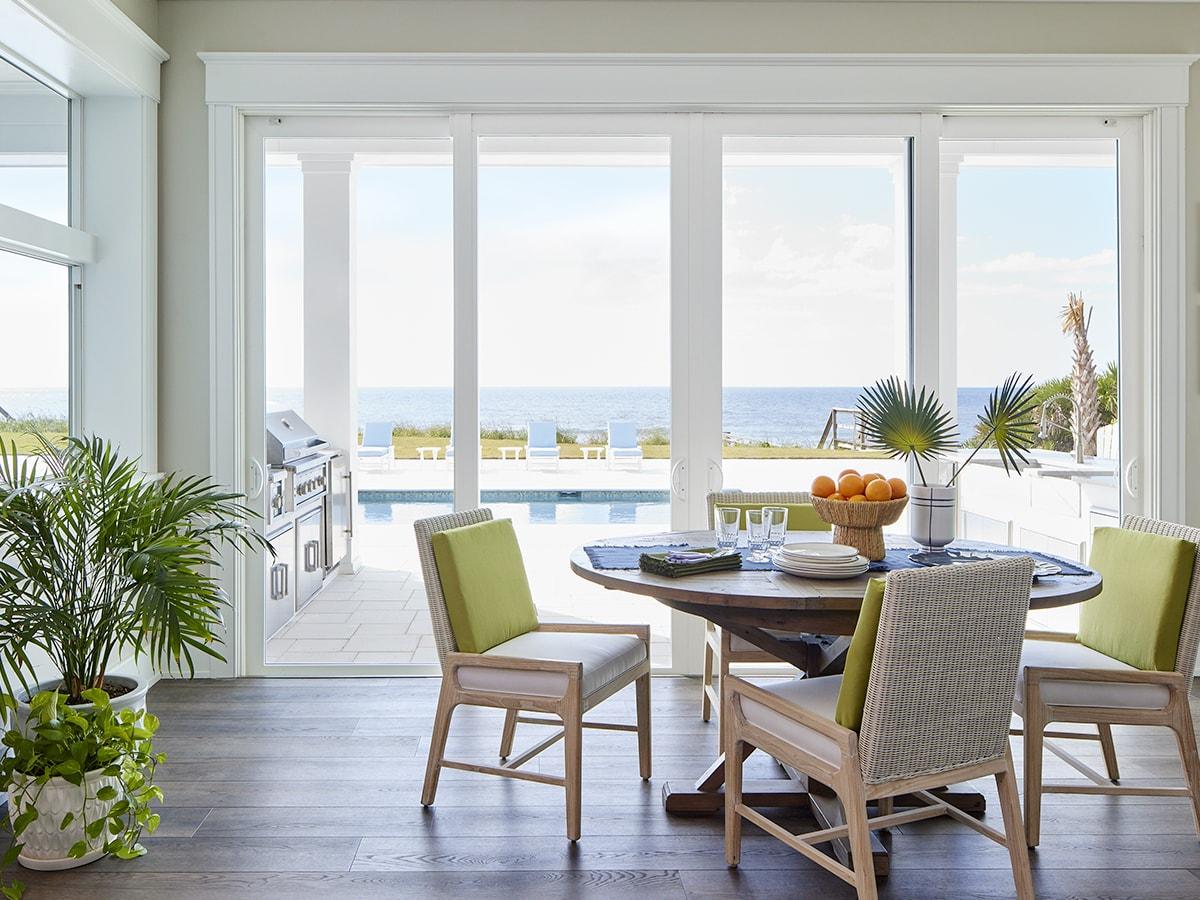
South Coast Windows And Doors: The Reality of Gulf Coast Weather: Why Standard Fixtures Fail

Standard builder-grade windows and doors are not designed for the Gulf Coast. When a major storm rolls through Tampa Bay, the wind itself is only part of the threat. The real danger comes from pressurized air and flying debris. If a piece of backyard debris shatters a standard window, wind rushes into the home, creating massive internal pressure. This sudden pressure change is often what blows roofs off houses, not the external wind alone.

The Threat of High-Velocity Hurricane Zones (HVHZ)

While Miami-Dade and Broward counties are the only official High-Velocity Hurricane Zones (HVHZ) in Florida, the Tampa Bay area sits in a wind-borne debris region. This means local building codes require wind-borne debris protection for any replacement windows and doors installed within one mile of the coast where wind speeds can reach 140 mph or higher. Engineering openings to meet these rigorous standards requires specialized testing, where heavy timbers are shot out of air cannons directly into the glass to ensure the barrier holds.

How Salt Air and Humidity Accelerate Wear

Even when there is no active storm, our coastal environment is constantly attacking your home. Salt air carries highly corrosive sodium chloride. Cheap vinyl frames will warp and discolor under intense ultraviolet (UV) exposure, while untreated, low-grade aluminum frames pit, bubble, and corrode within a few short years. This corrosion ruins your weatherstripping, creates air leaks, and eventually jams the operating hardware.

“In coastal environments, structural failure often starts with hardware oxidation. If a lock or hinge corrodes, the window cannot maintain its design pressure rating during a storm, leading to catastrophic failure.”

Choosing South Coast Windows and Doors for Ultimate Storm Protection

When upgrading your home, you need products engineered for coastal defense. We regularly install specialized systems designed to handle these exact conditions, matching frame strength with advanced glass technology.

Impact-Resistant Laminated Glass Technology

Impact-resistant glass is not indestructible; rather, it is designed to break safely without letting the storm break through. It consists of two layers of glass bonded to a central interlayer of tough polymer—usually polyvinyl butyral (PVB) or ethylene-vinyl acetate (EVA). If a flying tree branch strikes the window, the outer glass may crack, but the polymer interlayer holds the fragments together, keeping the weather seal intact and preventing wind from entering your living space.

Heavy-Duty Frame Materials and Reinforced Hardware

To support this heavy laminated glass, the frame must be exceptionally strong. For large spans and modern designs, we often recommend structural aluminum. For instance, the CWS® ICON Aluminum Sliding Door features heavy-duty aluminum panels and frames paired with a multi-point mortise lock system. This configuration delivers extreme structural durability and security against both high-velocity winds and forced entry.

For homeowners prioritizing thermal performance alongside storm protection, vinyl is the go-to choice. The CWS® WINDPACT Vinyl Sliding Patio Door utilizes heavy-duty, reinforced vinyl chambers that block heat transfer while providing the structural rigidity needed to withstand hurricane-force winds. For massive, modern architectural openings, commercial-grade systems like the FrontSet Plus: High-Performance Monumental Window Wall offer the ultimate in structural glazing, allowing for floor-to-ceiling glass that meets strict coastal impact codes.

Pro Tip: Always check the Design Pressure (DP) rating on your window quote. A DP rating of 50 means the window has been tested to withstand 75 pounds per square foot of pressure—the equivalent of roughly 170 mph winds. Do not settle for anything less than DP50 if you live near open water in Tampa.
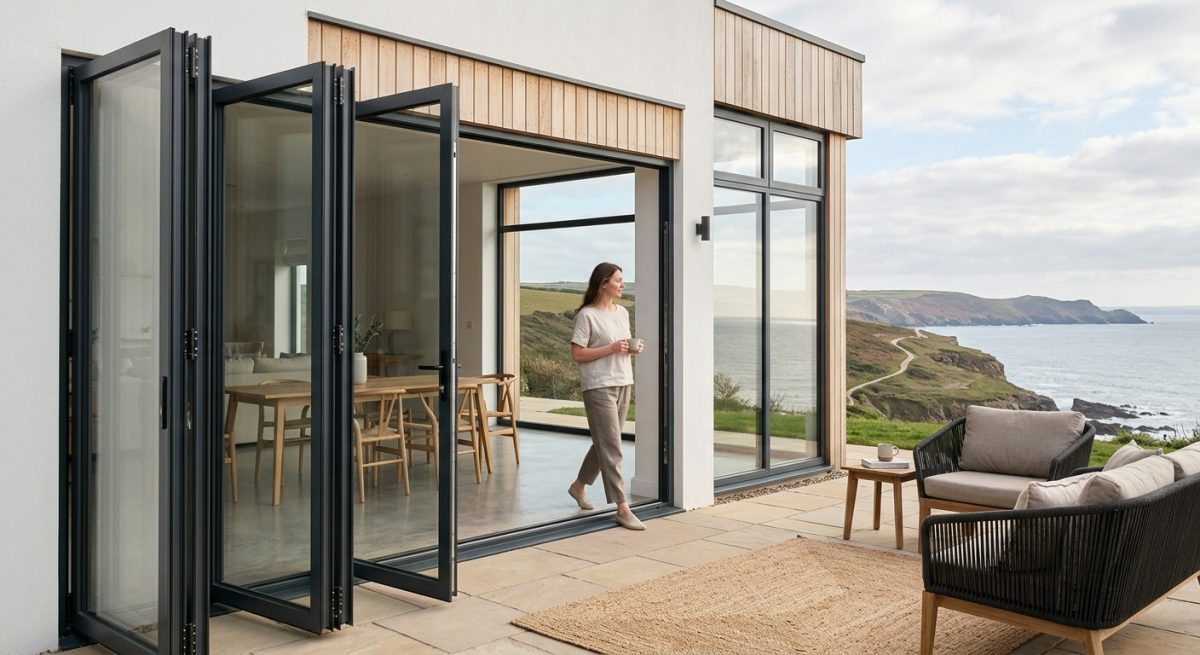
Introduction: Navigating Tampa's Coastal Climate Challenges illustration for south coast windows and doors
Introduction: Navigating Tampa's Coastal Climate Challenges - south coast windows and doors

Understanding Energy Ratings: Keeping the Tampa Heat Out

Storm protection is only half the battle. In Tampa, your air conditioner runs nearly year-round. If your windows do not feature coastal window energy ratings tailored for the South, you are wasting money every month.

Solar Heat Gain Coefficient (SHGC) Explained

In northern states, homeowners want the sun to heat their homes. In Florida, we want the exact opposite. The Solar Heat Gain Coefficient (SHGC) measures how much solar radiation passes through a window. This rating scale runs between 0 and 1. For homes in the South, you want an SHGC below 0.25. A low SHGC means the glass blocks the sun’s infrared heat while still letting visible light shine through.

U-Factor and Visible Transmittance (VT) in the South

While the U-factor (which measures non-solar heat transfer) is critical up north to keep furnace heat inside, it is less critical in Florida—though still important. You want a low U-factor to keep the humid outside air from warming up your cooled interior glass surfaces. Visible Transmittance (VT) measures how much natural light comes through. Modern low-e glass options Florida homeowners use are engineered to strike the perfect balance: blocking heat (low SHGC) while keeping your rooms bright (high VT).

Metric What It Measures Ideal Target for Tampa Homes
SHGC (Solar Heat Gain) Amount of solar heat transmitted through the glass 0.25 or lower (Crucial for cooling)
U-Factor Rate of non-solar heat transfer through the window assembly 0.40 or lower
VT (Visible Transmittance) Amount of visible light that passes through the glass 0.50 or higher (For natural brightness)
DP (Design Pressure) Structural wind and water load capacity DP50 or higher for coastal exposure

The Long-Term ROI of Upgrading Your Coastal Openings

Upgrading to impact-rated windows and doors is a significant investment. However, the financial returns go far beyond your monthly electric bill.

Substantial Home Insurance Premium Reductions

Under Florida law, insurance companies are required to offer discounts on homeowners insurance premiums for homes that have fully protected openings. To qualify, every single opening—including windows, entry doors, sliding glass doors, and garage doors—must be impact-rated or protected by approved shutters. A certified wind mitigation inspection after your installation can slash your windstorm insurance premiums by up to 30% to 40% annually.

Increasing Property Value and Curb Appeal

In the Tampa real estate market, storm readiness is a massive selling point. Buyers do not want the chore of hanging heavy metal panels before a storm. Showing prospective buyers that the home is fully outfitted with impact windows Tampa building inspectors have approved adds immediate equity and peace of mind.

Weighing the Options: Impact Windows vs. Hurricane Shutters

Pros of Impact Windows & Doors:
  • Continuous, 24/7 protection with zero setup time
  • Significant daily noise reduction (up to 50% compared to single-pane)
  • Constant UV protection protects furniture and flooring from fading
  • Excellent daily energy savings and lower utility bills
Cons to Consider:
  • Higher initial upfront material and installation cost
  • Requires professional installation to maintain manufacturer warranties
The Reality of Gulf Coast Weather: Why Standard Fixtures Fail illustration for south coast windows and doors
The Reality of Gulf Coast Weather: Why Standard Fixtures Fail - south coast windows and doors

Step-by-Step Guide to Preparing Your Home for Installation

A successful installation relies as much on proper preparation as it does on the quality of the products themselves. Here is how to prepare your home for our installation crews.

Clearing the Work Areas and Protecting Valuables

Our crews need clear access to both the interior and exterior of every window and door opening. Taking a few simple steps before we arrive ensures a smooth, safe, and efficient installation process.

  1. Remove Window Treatments: Take down all blinds, curtains, valances, and security sensors from the frames.
  2. Clear the Path: Move furniture, plants, and fragile decorations at least four feet away from the windows inside. Outside, clear away patio furniture, potted plants, and trim back any blocking landscaping.
  3. Protect Your Floors: While we use drop cloths, laying down cardboard or plastic runners along high-traffic paths helps protect your flooring from construction dust.

The Final Inspection and Permits Process

Every window replacement project in Tampa requires a municipal building permit. This is for your protection. Once our team finishes the physical installation, sealing, and trimming, a local city or county building inspector will visit your home. They will verify that the products installed match the approved wind-load engineering plans and that the fastening patterns meet the strict Florida Building Code requirements. We handle this entire permitting and scheduling process for you from start to finish.

Frequently Asked Questions

What is the minimum DP rating required for windows in Tampa, Florida?

In the Tampa Bay region, windows generally must meet a minimum Design Pressure rating of DP30 to DP50. The exact requirement depends on your specific wind zone, proximity to open water, and local municipal codes, ensuring the glass can withstand winds of 140+ mph and severe structural pressure. This protects your home’s structural integrity during major hurricanes.

Do impact-resistant windows completely eliminate the need for hurricane shutters?

Yes, certified impact-resistant windows provide continuous, passive protection against hurricanes, eliminating the need for shutters. They protect your home 24/7 without requiring you to climb ladders or struggle with heavy metal panels when a storm approaches, keeping your property secure even if you are out of town.

How much can I save on my energy bills with ENERGY STAR certified coastal windows?

Tampa homeowners transitioning from old single-pane glass to double-pane, low-E impact-resistant windows typically save between 12% and 15% on their monthly cooling costs. These savings quickly add up over our long, hot Florida summers, ultimately offsetting a significant portion of your initial home improvement investment.

How do coastal windows reduce interior fading of furniture and flooring?

High-performance coastal windows feature specialized low-E glass coatings and laminated interlayers that block up to 99% of harmful ultraviolet rays. This advanced filtration prevents the sun from fading your interior carpets, hardwood floors, expensive artwork, and upholstered furniture, keeping your living spaces looking vibrant and new for years.

For a deeper look, see Ardmor Windows vs. Competitors: A 2026 Comparison Guide.

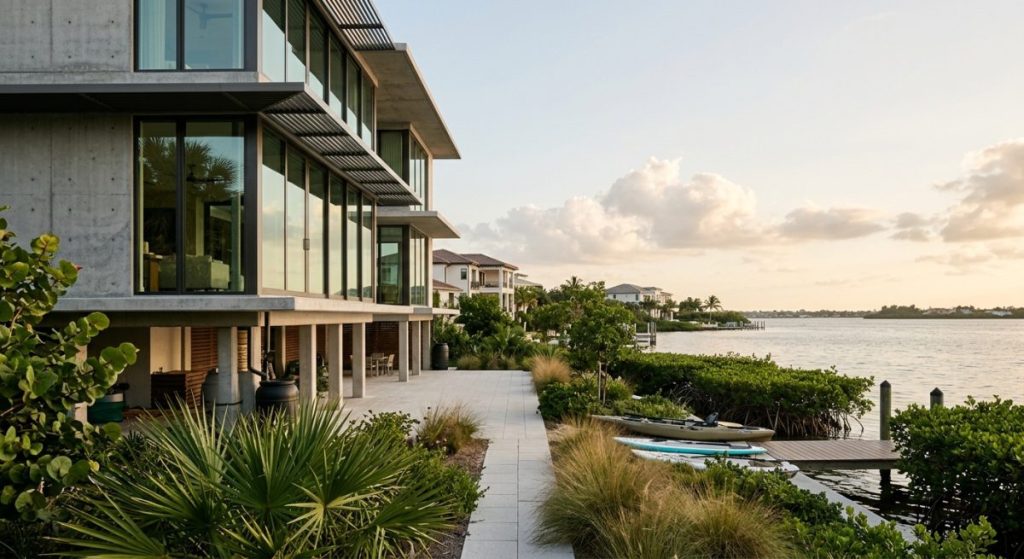
Choosing South Coast Windows and Doors for Ultimate Storm Protection illustration for south coast windows and doors
Choosing South Coast Windows and Doors for Ultimate Storm Protection - south coast windows and doors

Protect Your Tampa Home with South Coast Performance

Do not wait for the next major storm system to develop in the Gulf before you think about your home’s weak points. Upgrading to high-performance, storm-resistant glass Tampa Bay homeowners trust is an investment in safety, comfort, and long-term energy savings.

Ready to secure your home? Contact STH Windows & Doors today to schedule your free, no-pressure consultation. Our local team will evaluate your home’s specific wind-load requirements and help you choose the ideal impact-rated windows and doors for your budget.

Recommended Products

Based on this article, here are products that might help you:

CWS® WINDPACT Vinyl Sliding Patio Door product image

CWS® WINDPACT Vinyl Sliding Patio Door

Gliding horizontally along a track, CWS WindPact vinyl impact sliding patio doors protect homes from…

View Product
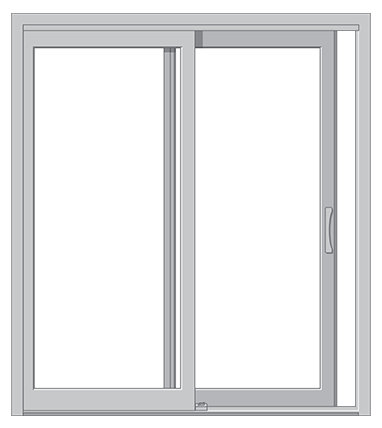
CWS® ICON Aluminum Sliding Door product image

CWS® ICON Aluminum Sliding Door

Feel safe and secure. CWS Icon aluminum impact sliding patio door feature aluminum panels and…

View Product
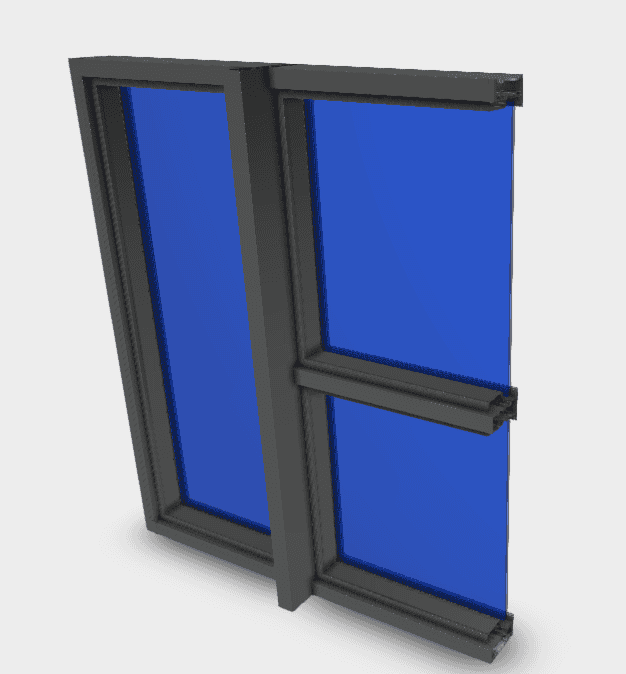
FrontSet Plus: High-Performance Monumental Window Wall product image

FrontSet Plus: High-Performance Monumental Window Wall

Overview The FrontSet Plus (FS-300 Series) represents the next evolution in architectural glazing solutions. Engineered…

View Product

Frequently Asked Questions

In Tampa, windows generally must meet a minimum Design Pressure (DP) rating of DP30 to DP50 depending on the exact wind zone and proximity to the coast, ensuring they can withstand winds up to 140+ mph.
Yes, certified impact-resistant windows provide continuous, 24/7 protection against storms and security threats, eliminating the physical labor and aesthetic downside of deploying traditional hurricane shutters.
On average, Florida homeowners transitioning from single-pane windows to double-pane, Low-E impact windows can expect to save 12% to 15% on their monthly cooling costs.
★  Free Consultation

Protect Your Tampa Home with South Coast Performance

Don't wait for the next storm season to secure your home. Contact our local experts today for a free estimate on high-performance storm-resistant windows and doors tailored to the Tampa climate.

✔  No obligation✔  Free quote✔  Expert advice