
8414 Sabal Industrial Blvd, Tampa, FL 33619
Hurricane Strong. STH Strong
Mon – Fri 8:00AM – 5:00OM / Sat-Sun – Closed
August 7, 2026 · Reading time: ~10 min
The easiest way to avoid a bad installation is to vet your contractor thoroughly before signing a contract. A little homework upfront saves you years of headaches.
In Florida, window installation is not a DIY job or a task for a random handyman. A legitimate installer must hold a certified contractor’s license (like a General, Residential, or Specialty Glass and Glazing license) issued by the state. They must also carry active general liability and workers’ compensation insurance. If a worker gets hurt on your property and the company does not have workers’ comp, you could be held liable. Always ask for their license number and verify it on the Florida Department of Business and Professional Regulation website.
If a sales representative tells you that a price is “only good for today” or pressures you to sign a contract immediately, walk away. Reputable companies provide detailed, written estimates that are valid for at least 30 days. Furthermore, be highly suspicious of bids that are significantly lower than the rest. Low-ball pricing almost always means the company is using cheap, non-certified labor, skipping building permits, or installing low-quality materials that will not survive a Florida storm.
There is a massive difference between a manufacturer’s product warranty and an installer’s labor warranty. A manufacturer might cover a defect in a vinyl frame for twenty years, but if the installer put it in crooked and caused a leak, the manufacturer will not cover the labor to fix it. A trustworthy windows company will stand behind their workmanship with a clear, written labor warranty separate from the product warranty.
| Feature | Reputable Windows Company | Shady Contractor Red Flags |
|---|---|---|
| Licensing | Active Florida State License (verify on DBPR) | Unlicensed, or uses “homeowner-pulled” permits |
| Pricing | Transparent, detailed, itemized written quotes | Vague, “today-only” verbal discounts, suspiciously low bids |
| Insurance | Full General Liability & Workers’ Comp | Refuses to provide current certificates of insurance |
| Labor Warranty | Written, multi-year warranty on installation quality | “Tailgate warranty” (once they drive away, you’re on your own) |
| Permitting | Handles all municipal permits and inspections | Asks you to skip permits to “save money” |
If your newly installed windows are drafty, fogging up between the panes, hard to lock, or surrounded by sloppy, bubbling caulk, you are dealing with a poor window installation. This guide is for Tampa homeowners who want to ensure their new window investment is installed correctly and won’t fail during the next major storm. The hard truth is that even the most expensive, hurricane-rated glass will fail if the crew putting it in cuts corners. That is why finding a reputable Windows company is just as critical as choosing the right brand. In Tampa’s brutal climate, a bad install does not just look ugly—it ruins your walls, spikes your electric bills, and compromises your safety when hurricane season rolls around.
Tampa’s subtropical climate is incredibly harsh on building materials. We do not just get rain; we get sideways, wind-driven downpours that force water into any microscopic gap they can find. Additionally, our intense summer heat and high humidity put constant thermal stress on window frames, causing them to expand and contract.
Because Tampa sits within a designated Wind-Borne Debris Region, the Florida Building Code mandates strict wind-load and impact standards. If an installer fails to anchor a heavy impact window properly into your home’s concrete block or wood framing, the entire unit can tear away from the wall during a storm. The glass might survive, but the installation will fail, leaving your home completely vulnerable.
When an installer rushes, the financial consequences show up quickly. First, your air conditioner will work overtime. Gaps around a window frame allow cold air to escape and hot, humid Florida air to seep in, driving up your monthly TECO bill.
Even worse is the threat of hidden water damage. A tiny leak in the exterior flashing can slowly drip water inside your drywall for months before you ever see a spot on the paint. By the time you notice it, you are likely looking at thousands of dollars in wood rot repair and mold remediation.
“A window is only as strong as the opening it is secured to. If the anchoring, flashing, and sealing are flawed, even a Category 5-rated window can fail in a minor storm.”
You do not need to be a construction expert to spot a botched job. If you know what to look for, the physical signs of poor workmanship are easy to identify immediately after the crew leaves—or even months down the road.
If you stand near your closed window on a warm afternoon and feel a distinct draft of warm air, the window is not sealed correctly. While high-quality vinyl windows are designed to block thermal transfer, air should never blow through the edges of the frame. This draftiness usually means the installers failed to use proper expanding foam insulation in the rough opening, or they miscalculated the window size entirely and tried to bridge the gap with caulk alone.
Water pooling on your indoor window sill after a typical afternoon thunderstorm is a major warning sign. This usually points to failed exterior flashing or blocked weep holes.
Do not confuse exterior condensation with interior condensation. Morning dew on the outside of your glass is normal. However, if you see fogging or moisture droplets *between* the double-pane glass of an energy-efficient window, the factory seal has ruptured. This often happens during installation if the frame is twisted or forced into an opening that is not level, putting uneven pressure on the glass spacers.
A properly installed window should operate smoothly. You should not have to strain your back to open a double-hung window or force a latch closed. If you have to muscle your window to lock it, the frame is likely out of plumb, level, or square. When a frame is warped or tilted, the sashes do not align correctly in the tracks, which eventually damages the balance systems and locks.
Sloppy aesthetics are a direct window into the quality of the structural work. If you see thick, uneven, or bubbling beads of caulk around the interior or exterior trim, it means the installers were rushing or trying to hide large gaps. Similarly, the “reveal”—the space between the window sash and the frame—should be perfectly uniform. If the gap is wide at the top and narrow at the bottom, the window is crooked.
The easiest way to avoid a bad installation is to vet your contractor thoroughly before signing a contract. A little homework upfront saves you years of headaches.
In Florida, window installation is not a DIY job or a task for a random handyman. A legitimate installer must hold a certified contractor’s license (like a General, Residential, or Specialty Glass and Glazing license) issued by the state. They must also carry active general liability and workers’ compensation insurance. If a worker gets hurt on your property and the company does not have workers’ comp, you could be held liable. Always ask for their license number and verify it on the Florida Department of Business and Professional Regulation website.
If a sales representative tells you that a price is “only good for today” or pressures you to sign a contract immediately, walk away. Reputable companies provide detailed, written estimates that are valid for at least 30 days. Furthermore, be highly suspicious of bids that are significantly lower than the rest. Low-ball pricing almost always means the company is using cheap, non-certified labor, skipping building permits, or installing low-quality materials that will not survive a Florida storm.
There is a massive difference between a manufacturer’s product warranty and an installer’s labor warranty. A manufacturer might cover a defect in a vinyl frame for twenty years, but if the installer put it in crooked and caused a leak, the manufacturer will not cover the labor to fix it. A trustworthy windows company will stand behind their workmanship with a clear, written labor warranty separate from the product warranty.
| Feature | Reputable Windows Company | Shady Contractor Red Flags |
|---|---|---|
| Licensing | Active Florida State License (verify on DBPR) | Unlicensed, or uses “homeowner-pulled” permits |
| Pricing | Transparent, detailed, itemized written quotes | Vague, “today-only” verbal discounts, suspiciously low bids |
| Insurance | Full General Liability & Workers’ Comp | Refuses to provide current certificates of insurance |
| Labor Warranty | Written, multi-year warranty on installation quality | “Tailgate warranty” (once they drive away, you’re on your own) |
| Permitting | Handles all municipal permits and inspections | Asks you to skip permits to “save money” |
To understand why proper installation is so vital, let us look at how these errors play out in real life right here in the Tampa Bay area.
A homeowner in South Tampa invested in premium impact-resistant windows, choosing a high-quality product similar to our CWS® WINDPACT Vinyl Casement Window. However, they hired a cheap, unlicensed crew to handle the installation. The crew did not use the proper corrosion-resistant Tapcon anchors required for concrete block homes, and they skipped the necessary structural shims.
When a tropical storm brushed past our coast, the high winds created intense negative pressure on the side of the house. Because the windows were not anchored securely into the structural masonry buck, the entire frame of one window bowed outward, breaking the perimeter seal. Water poured into the home, ruining the hardwood floors and drywall. The glass itself did not break, but the poor installation completely defeated the purpose of buying an impact window.
Another local homeowner noticed their AC unit was running constantly, struggling to keep the house below 78 degrees in July. They had recently replaced their old single-pane windows with what they thought were energy efficient windows, but their electric bills had actually gone up.
Our team came out to inspect the home and found massive voids behind the interior trim. The previous installers had simply slapped up casing over the gaps without applying low-expansion window foam or backer rod. We pulled the trim, properly insulated the rough openings, and re-sealed the exterior. By correcting the installation, we stopped the massive air leaks, allowing their HVAC system to cycle normally and cutting their cooling costs immediately.
Before you sign off on the job and hand over the final payment, walk around your home with the lead installer and perform these quick, practical tests.
Open a window, place a piece of paper or a dollar bill across the sill, and close the window tightly, locking it in place. Now, try to pull the paper out. If it slides out easily with no resistance, the weatherstripping is not compressed properly, meaning the window is not sealing tightly. Repeat this test at various points around the sash.
Do not just look at the windows—operate every single one of them.
Step outside and look closely at the perimeter of each window. The caulking should be a clean, continuous bead connecting the window frame to your home’s exterior stucco or siding. There should be no gaps, bubbles, or pulled-away sections. If your home requires metal flashing above the window, ensure it slopes downward to shed water away from the wall.
At the end of the day, a window is only as good as the team that installs it. You can buy the most advanced, energy-efficient, hurricane-resistant products on the market—such as a beautiful ENERGYVUE VINYL – Picture Window or a high-performance CWS® WINDPACT Vinyl Awning Window—but if they are installed poorly, you are throwing your money away.
When you choose STH Windows & Doors, you are partnering with a local Tampa business that understands the unique demands of Florida construction. We do not cut corners, we do not skip permits, and we do not use untrained day labor. Our installers are certified professionals who ensure every window is plumb, level, square, and sealed to withstand whatever the Gulf throws our way.
Common signs include draftiness, water leaks on the sill, fogging between the double panes, and sashes that stick or are hard to lock. You might also see visible gaps around the frame or sloppy, uneven caulking where the window meets your home’s siding or stucco.
Poor installation allows water and unconditioned air to leak into your home. This leads to high energy bills, structural wood rot, mold growth behind your walls, and a high risk of window failure or blowouts during severe Florida storms and hurricanes.
Yes. While morning condensation on the outside of the glass is normal in Tampa, condensation trapped *between* the glass panes indicates a ruptured seal. This seal failure is often caused by installers twisting or forcing the frame into an uneven opening during installation.
Verify they hold an active state contractor’s license on the DBPR website and carry liability and workers’ compensation insurance. A reputable company will pull all required local permits, explain their installation process clearly, and provide a written labor warranty on their workmanship.
For a deeper look, see Windows & Doors Company: How to Choose the Right One.
At our Tampa-based windows and doors company, we combine premium impact-resistant windows with certified, code-compliant installation. Schedule your free, no-pressure home consultation today to ensure your windows are built to last.
Based on this article, here are products that might help you:

Enjoy exceptional hurricane protection, effortless everyday performance and added ventilation with CWS WindPact impact awning…
View Product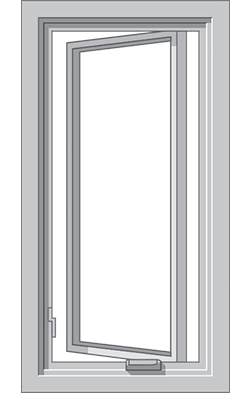
Protect a home with WindPact casement windows from CWS’ highest rated vinyl impact product line….
View Product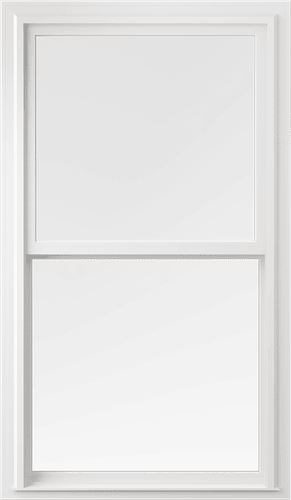
Designed with removable sashes for efficient ventilation, our EnergyVue double-hung window offers a new level…
View Product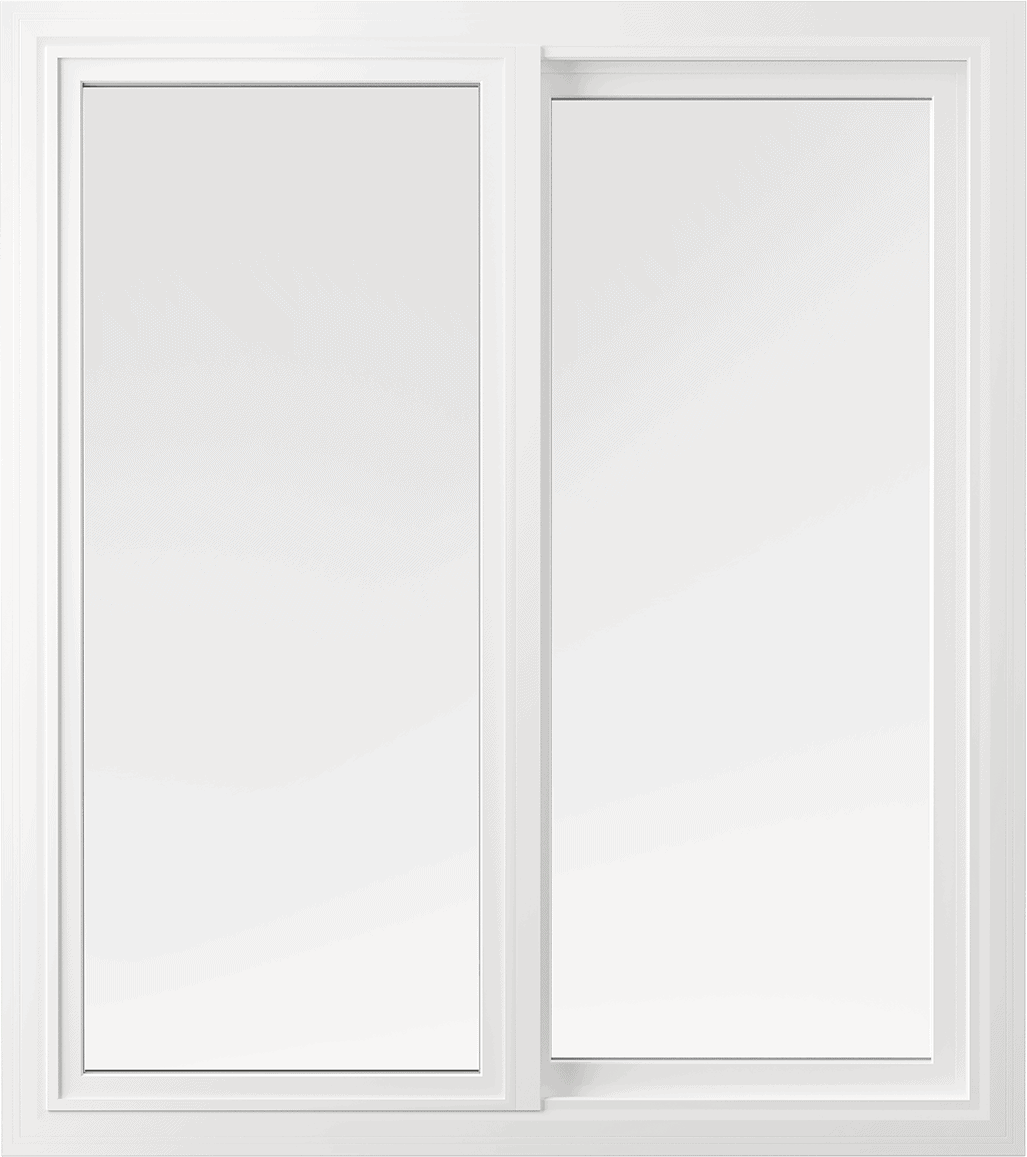
Easy operation and durable construction makes this energy-efficient window a great option for bathrooms and…
View Product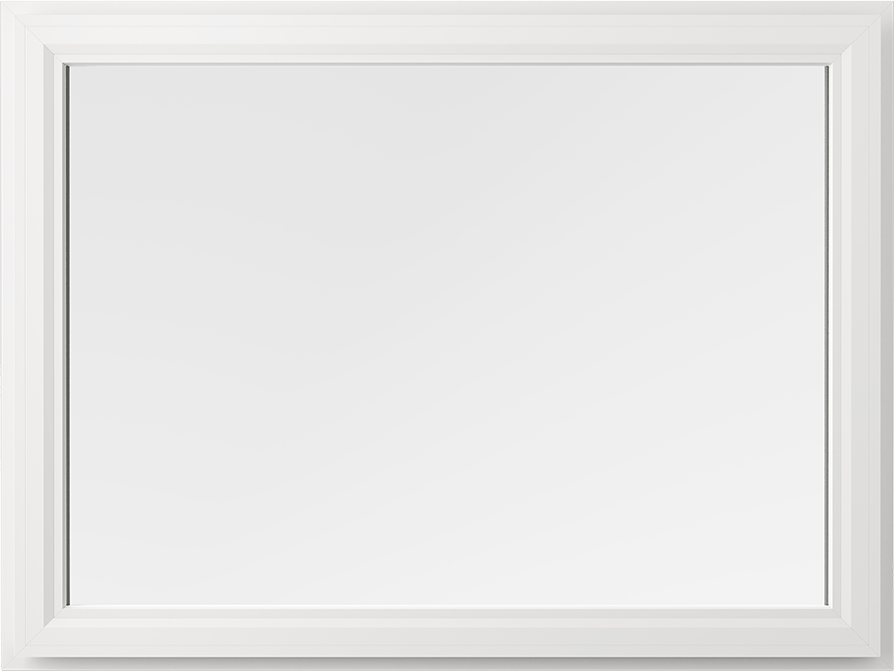
A beautiful way to transform living rooms, master bedrooms, and more. Providing abundant natural light,…
View Product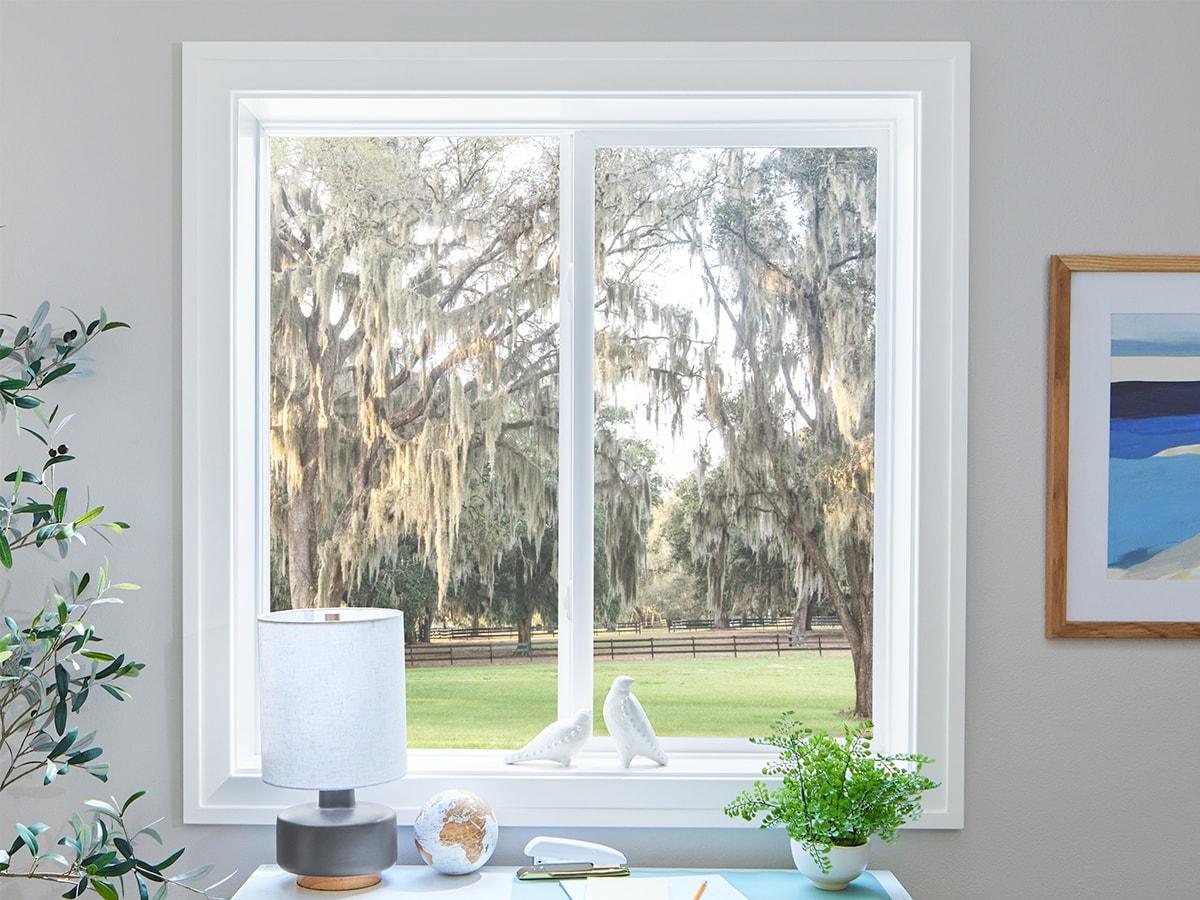
Sliding open horizontally, CWS Comfort Shield vinyl sliding windows deliver both convenience and comfort. Energy-efficient,…
View ProductAt our Tampa-based windows and doors company, we combine premium impact-resistant windows with certified, code-compliant installation. Schedule your free, no-pressure home consultation today to ensure your windows are built to last.