
8414 Sabal Industrial Blvd, Tampa, FL 33619
Hurricane Strong. STH Strong
Mon – Fri 8:00AM – 5:00OM / Sat-Sun – Closed
September 17, 2026 · Reading time: ~11 min
Dealing with window condensation doesn’t have to be a headache. By understanding what the moisture is telling you, you can take the right steps to protect your home.
If you are tired of looking through foggy glass and want to explore durable, high-performance options built specifically for our intense Florida climate—like our heavy-duty SMI-175 Impact Window Wall System or the architectural FrontSet Plus: High-Performance Monumental Window Wall—we are here to help.
If you wake up to foggy glass, you’re likely dealing with window condensation. It happens when warm, moist air collides with a cold Glass window pane, causing water vapor to liquefy. To fix it, you must lower your indoor humidity, improve room airflow, or—if the fog is trapped between the glass panes—replace the failed window seal.
This guide is for Tampa homeowners who want to stop dealing with foggy glass window panes, protect their wood sills from rot, and keep their energy bills under control. At STH Windows & Doors, we see this issue daily across the Tampa Bay area. While some condensation is harmless, other types point to a major structural failure in your home’s thermal envelope. Let’s look at why this happens and how to address it once and for all.
Condensation isn’t a sign of a defective window, at least not always. In fact, sometimes it means your windows are doing exactly what they were designed to do. To understand why moisture clings to your glass window, we have to look at how temperature and air moisture interact inside your home.
Condensation is simply the physical change of water physical state from a gas (vapor) to a liquid. Air holds water vapor. Warm air holds a lot of it; cold air holds very little. When warm, humid air comes into contact with a cold surface—like a cold beverage can on a hot July afternoon in Tampa, or a window pane chilled by your air conditioning—the air immediately surrounding that surface cools down. Because cold air can’t hold as much moisture, it drops its water load directly onto the cold surface.
To really get what’s happening, you have to understand the dew point. The dew point is the temperature at which air becomes 100% saturated with water vapor. If the temperature of your window glass drops below the dew point of the air next to it, moisture will form on the glass.
According to the United States Environmental Protection Agency (EPA), keeping indoor humidity levels between 30% and 50% is ideal for preventing mold growth and minimizing condensation. When relative humidity inside your home climbs above 60%, even a slight drop in outdoor temperature can push your window glass past the dew point, resulting in a layer of fog.
Before you spend money on a tampa window replacement, you need to diagnose where the moisture is. Run your finger across the glass window. Is the wetness on the inside, the outside, or trapped in the middle where you can’t touch it? Where the water sits tells us exactly what the problem is.
| Moisture Location | Primary Cause | Is It a Problem? | How to Fix It |
|---|---|---|---|
| Interior (Inside) | High indoor humidity levels & poor air circulation. | Yes, if chronic. Can cause wood rot and mold. | Use dehumidifiers, run exhaust fans, improve ventilation. |
| Exterior (Outside) | High outdoor humidity hitting cold glass (common in Tampa mornings). | No. It means your window is highly energy-efficient. | Wait for the sun to warm the glass; no action needed. |
| Between the Panes | Failed window seal in double pane windows. | Yes. The window has lost its insulating value. | Replace the glass unit (IGU) or the entire window. |
When moisture pools on the inside of your glass, your indoor humidity levels are too high. This is incredibly common in bathrooms and kitchens where steam from showers and boiling water fills the air. If you see this in your living room or bedrooms, your home’s air is holding too much moisture, and the cold glass is acting as a dehumidifier. Over time, this water drips down onto your drywall and wooden windowsills, causing paint to peel, drywall to soften, and toxic mold to grow.
Waking up and seeing dew on the outside of your windows can be annoying, but it’s actually a badge of honor. It means you have highly efficient windows, like our CWS® COMFORT SHIELD Vinyl Casement Window.
These windows use advanced Low-E coatings and argon gas fills to keep the outdoor heat outside and the indoor cool inside. Because the heat from your home isn’t escaping through the glass, the outer pane of glass remains cool. When the humid morning air hits that cold outer glass, dew forms. As soon as the sun rises and warms the glass, it evaporates naturally.
If you try to wipe the moisture away and realize it’s trapped between the two layers of glass, you have a Failed window seal. Double pane windows (also known as insulated glass units, or IGUs) are sealed at the factory with an insulating gas like argon trapped between the panes.
When that seal fails, the dry insulating gas escapes, and moist air from the outside leaks in. Once moisture gets inside that sealed space, it condenses on the cold inner surfaces. You can’t wipe it off, and you can’t clean it. The window is permanently compromised.
Living on the Gulf Coast comes with incredible perks, but our climate is brutal on building materials. The unique weather patterns in Tampa accelerate window issues that might take decades to appear in drier, cooler states.
In Tampa, our relative humidity routinely exceeds 80% or 90% in the mornings, especially during the summer and fall. This means the air outside is almost completely saturated with water. Any surface that is even slightly cooler than the outdoor air will instantly attract condensation. This high ambient humidity puts constant pressure on your home’s building envelope, searching for any microscopic gap or failed seal to penetrate.
Because we run our air conditioners almost year-round to combat the Florida heat, we keep our indoor spaces cool and dry—typically around 72°F to 75°F. Meanwhile, the air outside is 90°F with matching humidity.
This massive temperature differential turns your windows into a battleground. The cold indoor air chills the glass, while the hot, wet outdoor air presses against it. If you have older, single-pane windows, or if you have your AC vents pointed directly at your windows, you will see constant, heavy condensation.
If the moisture is on the surface of your glass (inside or outside), you don’t need to replace your windows yet. You just need to manage the environment around them. Here is how you can balance your home’s climate to keep your glass dry.
To stop interior condensation, you have to dry out your indoor air. Your air conditioner naturally removes moisture as it cools, but sometimes it needs help, especially during the spring and fall when temperatures are mild but humidity is still high.
Stagnant air allows moisture to pool. By keeping the air moving, you prevent warm, moist air from sitting against cold glass long enough to reach its dew point.
If the moisture is trapped inside the double pane windows, none of the tips above will solve the problem. A failed window seal is a physical breakdown of the window’s structure, and it requires a physical repair.
Window seals fail due to a process called thermal pumping. Every day, the sun beats down on your home, heating the air or gas between your window panes and causing it to expand. At night, the temperature drops, and the gas contracts.
This constant expansion and contraction puts immense pressure on the rubberized seals holding the glass together. Over years of exposure to Tampa’s intense heat and afternoon thunderstorms, the seal eventually stretches, cracks, and lets the outside air in.
“Trying to ‘defog’ a double-pane window by drilling holes and flushing out the moisture is a temporary gimmick. It might clear the glass for a few months, but it does not restore the insulating gas or the thermal performance. The only real cure is replacing the glass or the entire window.”
When a seal fails, you have two options: replace just the glass unit (the IGU) or perform a full window replacement.
If your window frames are in excellent condition—for instance, if you have high-quality vinyl frames like our CWS® COMFORT SHIELD Vinyl Double-Hung Window—a technician can often pop out the old glass packet and glaze in a brand-new, factory-sealed IGU. This preserves your frame and saves you money.
However, if your frames are old, warped, or made of rotting wood, replacing just the glass is throwing good money after bad. In that scenario, a full-frame replacement is the smartest investment. Upgrading to high-performance, impact-resistant options like the CWS® WINDPACT Vinyl Sliding Window not only solves your condensation issues forever but also gives you hurricane protection and slashes your cooling costs.
To see how this plays out in the real world, let’s look at a project we recently completed for a homeowner in South Tampa, near the historic Hyde Park district.
The client lived in a beautiful, classic home built in the late 1990s. While the home had gorgeous character, the original wood-framed, single-pane windows were failing. Every summer morning, the homeowner woke up to windows so heavily fogged on the inside that water was literally dripping down the glass, pooling on the wooden sills.
The wood was beginning to rot, mold was growing along the drywall joints, and their electric bills during the peak of summer were hovering around $450 a month. They were constantly running towels along the windowsills just to keep the water damage from spreading.
Our team at STH Windows & Doors performed a comprehensive inspection. We found that the single-pane glass offered zero thermal resistance, causing the cold indoor air from the AC to drop the glass temperature far below the outdoor dew point. Furthermore, several newer double-pane windows on the west side of the home had completely failed seals, trapping ugly, mineral-stained condensation between the panes.
We recommended a full home upgrade. For the historic front of the home, we installed CWS® COMFORT SHIELD Vinyl Double-Hung Windows to preserve the classic architectural look while providing modern, non-impact thermal performance. For the large rear patio area facing the pool, we installed the CWS® WINDPACT Vinyl Sliding Window system, giving them massive views, effortless operation, and robust hurricane protection.
The results were immediate. The interior condensation vanished completely because the high-performance vinyl frames and Low-E glass kept the interior glass temperature well above the dew point. The homeowner’s monthly energy bills dropped by over 30%, and they no longer had to spend their mornings wiping down wet windowsills.
Dealing with window condensation doesn’t have to be a headache. By understanding what the moisture is telling you, you can take the right steps to protect your home.
If you are tired of looking through foggy glass and want to explore durable, high-performance options built specifically for our intense Florida climate—like our heavy-duty SMI-175 Impact Window Wall System or the architectural FrontSet Plus: High-Performance Monumental Window Wall—we are here to help.
Yes, consistent interior condensation is a problem. While the water itself is natural, it will eventually drip down onto your window frames, sills, and drywall, leading to peeling paint, structural wood rot, and toxic mold growth.
Yes, you absolutely can. If your window frames are still in good structural shape, a professional glass company can replace just the insulated glass unit (IGU) within the existing frame, saving you the cost of a full-frame replacement.
Exterior condensation means your new windows are working perfectly. The advanced Low-E glass is successfully blocking heat transfer, keeping the outer pane cold. When humid morning air hits that cold glass, dew forms naturally until the sun warms it up.
To prevent window condensation while staying comfortable in Tampa’s humid climate, aim to keep your indoor relative humidity between 30% and 50%. You can easily monitor this with an inexpensive hygrometer and manage it using your air conditioner and dehumidifiers.
Related reading: Replacing a Window with a Sliding Door: Key Requirements.
If you are dealing with persistent condensation between your window panes, your seals have likely failed. Contact our Tampa window experts at STH Windows & Doors today for a free inspection and discover our high-efficiency replacement options tailored for the Florida climate.
Based on this article, here are products that might help you:
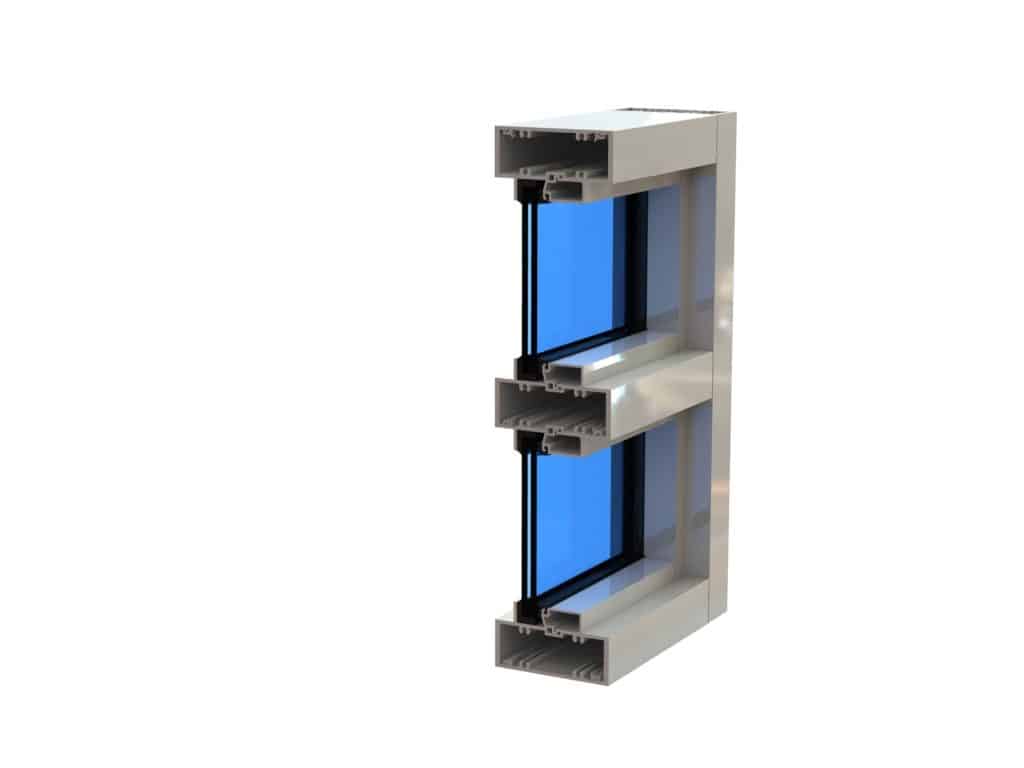
The SMI-175 Series is a robust, hurricane-resistant window wall solution designed for high-performance coastal applications….
View Product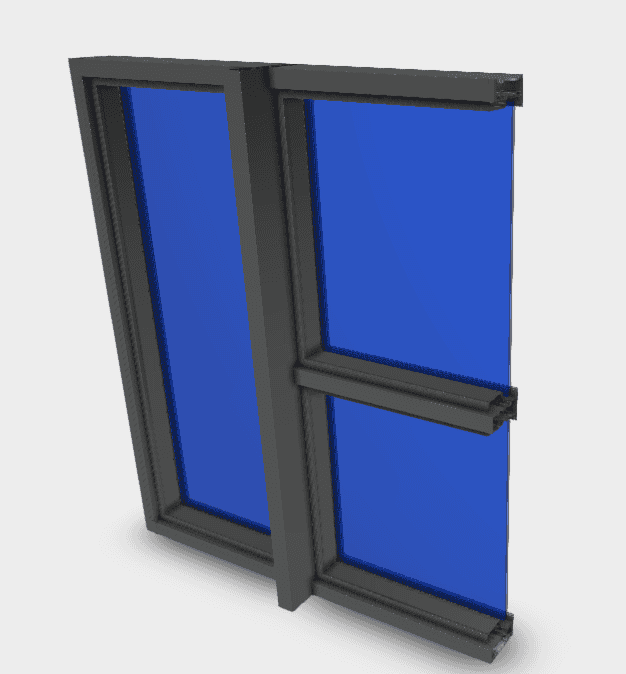
Overview The FrontSet Plus (FS-300 Series) represents the next evolution in architectural glazing solutions. Engineered…
View Product
The WindPact sliding window slides open horizontally and delivers optimal ventilation in one of our…
View Product
Enjoy year-round comfort and beauty with CWS Comfort Shield vinyl awning windows. Their high-performance design…
View Product
High-performing CWS Comfort Shield vinyl casement windows deliver exceptional energy efficiency. Featuring an easy-to-use fold-away…
View Product
Feel safe and secure with a double-hung window that meets the industry’s highest requirements for…
View ProductIf you are dealing with persistent condensation between your window panes, your seals have likely failed. Contact our Tampa window experts today for a free inspection and discover our high-efficiency replacement options tailored for the Florida climate.